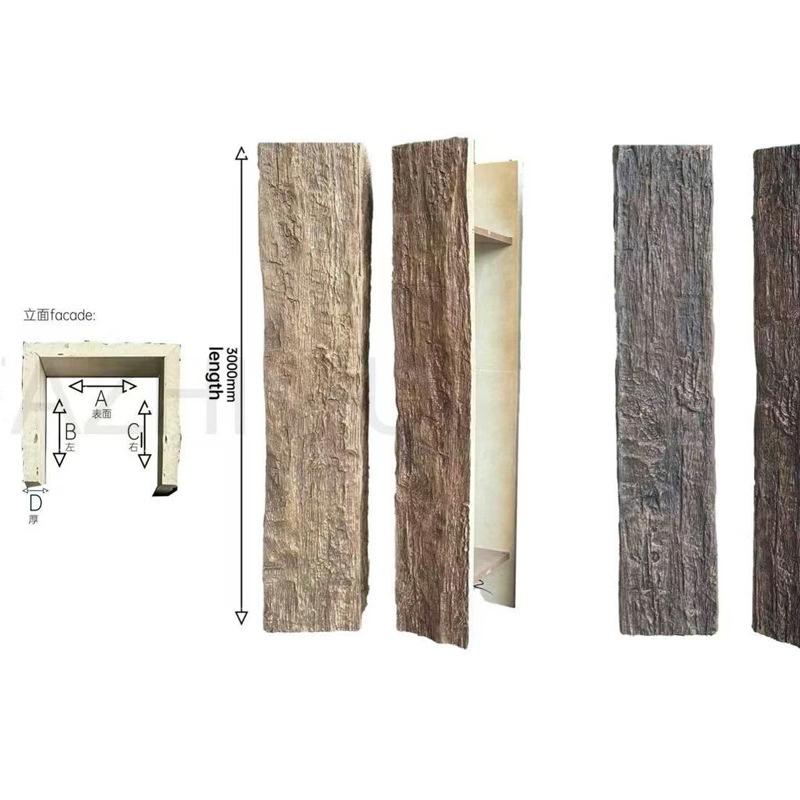
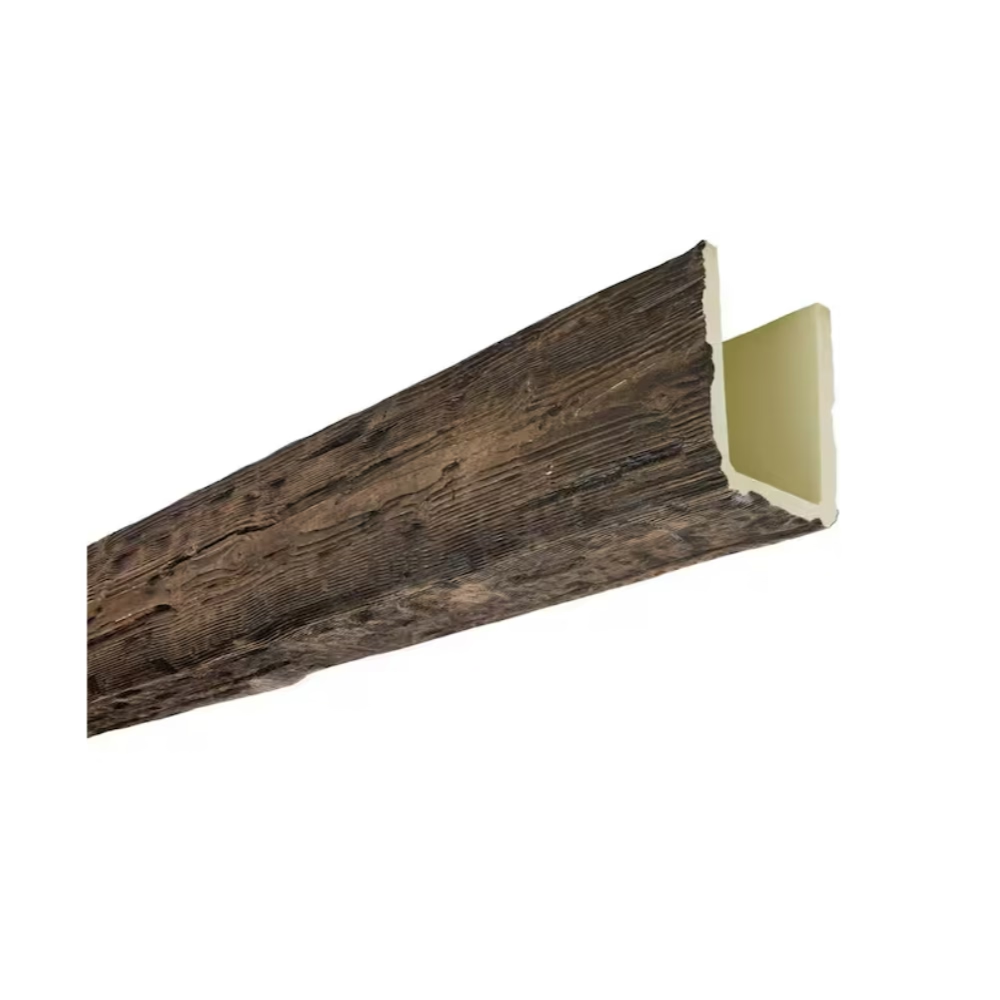
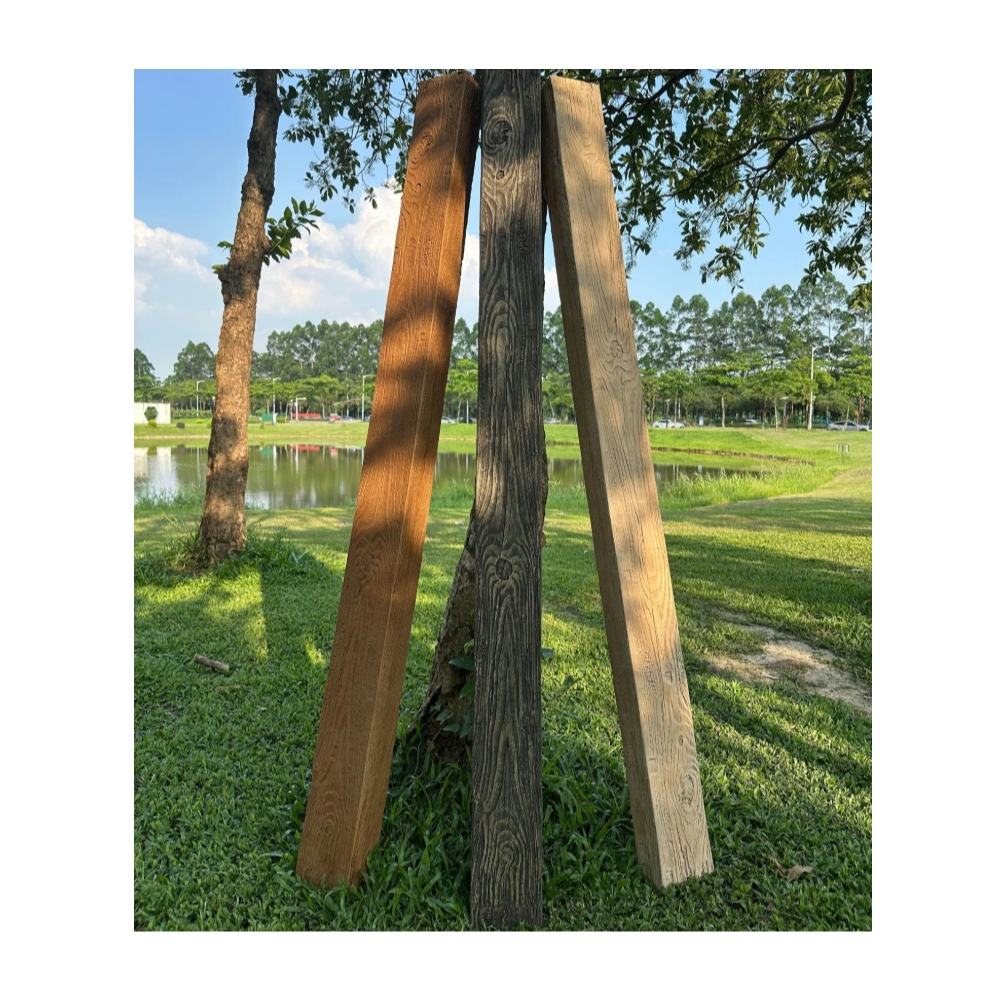
Aging ceiling beams present renovation challenges that test the creativity and problem-solving abilities of designers and contractors. The passage of time affects all building materials, and beams constructed decades or generations ago often show their age through surface deterioration, outdated styling, or accumulated damage. Rather than accepting these limitations or undertaking expensive replacement projects, property owners increasingly choose covering solutions that restore appearances economically.
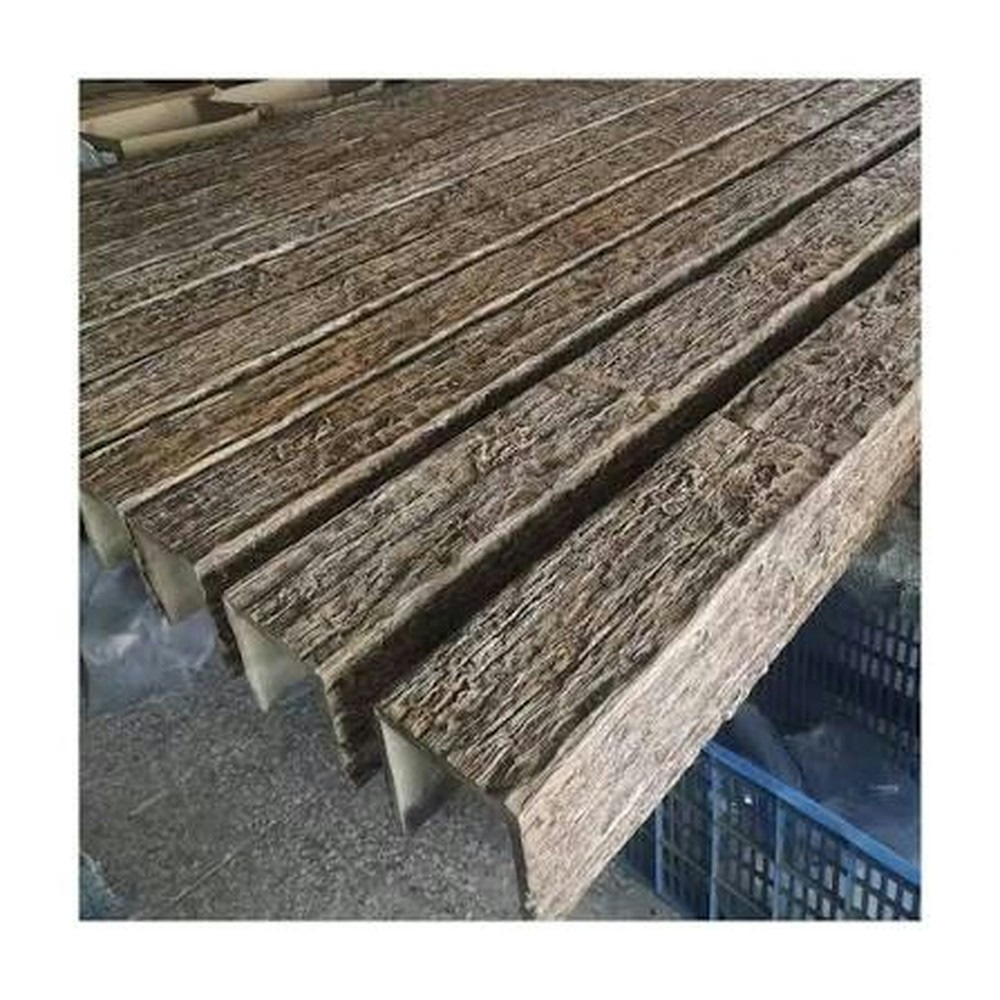
PU faux wood beam covers provide protective shells that address both aesthetic and functional concerns simultaneously. The covering material shields underlying beams from further deterioration while presenting fresh, appealing surfaces that align with contemporary design preferences. This dual functionality explains the growing popularity of covering approaches for ceiling renovation projects.
Identifying Candidates for Covering Approach
Not all aging ceiling beams necessarily qualify for covering solutions. Assessment determines whether beams retain structural integrity sufficient for continued service. Professional evaluation identifies any deterioration that might compromise load-bearing capacity or require remediation before covering installation.
Beams showing surface degradation but maintaining structural function represent ideal covering candidates. Staining, minor rot at edges, insect damage limited to surface layers, and cosmetic deterioration can be concealed behind covers that provide fresh, protected surfaces. This approach preserves functional beams while eliminating visible problems.
Beams with substantial dimensional changes—twisting, warping, or checking—may require straightening or replacement before covering can proceed effectively. The smooth, consistent surfaces that quality covers provide cannot compensate for underlying irregularity. Addressing these conditions first ensures satisfactory covering results.
Advantages Over Complete Replacement
The cost differential between covering and replacement often proves dramatic. Replacement requires beam removal, structural engineering assessment, new material procurement, and professional installation. Covering involves measurement, material acquisition, and installation without the complexity of structural work.
Project timelines differ substantially between approaches. Replacement might require weeks of work including structural assessment, permit acquisition, and trade coordination. Covering installations often complete within days once materials arrive. This speed proves valuable for occupied residences or commercial spaces where extended construction disrupts normal operations.
Waste generation favors covering approaches from environmental and practical perspectives. Replacement generates substantial construction debris requiring disposal. Covering produces minimal waste, reducing both disposal costs and environmental impact. This consideration increasingly influences decisions for sustainability-conscious property owners.
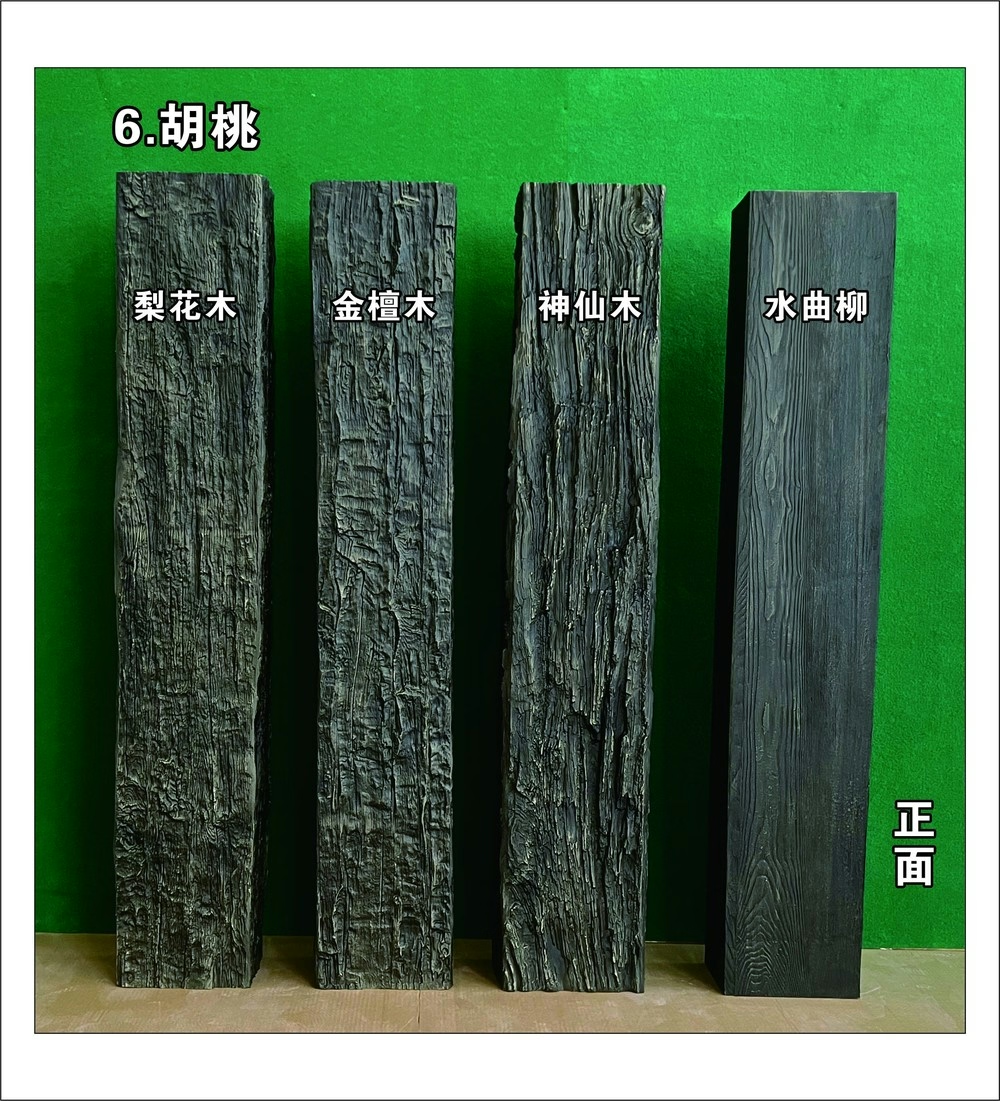
Covering System Options for Ceiling Beams
Full encasement systems surround beams completely, creating appearances of solid timber visible from all angles. These comprehensive approaches suit exposed beam situations where multiple viewing angles reveal the covered elements. Complete transformation characterizes these installations, with underlying beams essentially invisible.
Surface-mounted covers attach to beam faces and tops without surrounding sides. This approach works well when beams sit against walls or other boundaries that limit viewing angles. Reduced material requirements and simpler installation procedures often translate to lower project costs.
Hybrid configurations combine full and surface-mounting approaches based on specific conditions. Different beams within the same project might receive different treatments based on visibility and access. This flexibility supports practical solutions that address varied conditions efficiently.

Material Selection Considerations
Polyurethane faux wood products offer significant advantages for ceiling covering applications. The light weight reduces structural concerns that heavier materials might introduce, particularly for ceiling installations where mounting points bear continuous loads. This weight advantage simplifies both installation and long-term performance requirements.
Durability characteristics suit ceiling applications where maintenance access may be limited. Polyurethane resists the moisture, temperature fluctuation, and pest exposure that challenge wood alternatives. These resistance properties ensure long service life without demanding the ongoing maintenance that natural materials require.
Aesthetic options available in polyurethane products address diverse design preferences. Wood grain textures range from subtle to pronounced, allowing selection that matches specific stylistic intentions. Color options span natural wood tones through painted finishes, providing unlimited coordination possibilities.
Installation Process Overview
Professional ceiling beam covering follows systematic procedures ensuring quality results. Initial preparation includes site assessment, measurement verification, and substrate evaluation. These preparatory activities identify conditions requiring attention before actual covering installation begins.
Mounting system installation provides support for covering materials. The specific approach depends on substrate conditions and covering system requirements. Structural attachment to ceiling framing ensures secure, permanent installations that perform reliably throughout service life.
Cover sections install after mounting systems are in place. Careful alignment ensures straight, true installation that presents professionally. Joint treatment between sections creates seamless appearances that suggest solid construction rather than assembled components.
Finish Coordination and Detailing
Color matching between covers and ceiling surfaces determines visual integration quality. Pre-finished products offer convenience but limited selection. Field finishing provides unlimited options but requires skill and attention to achieve professional results. The tradeoffs merit evaluation during material selection.
Edge details at walls and intersections require careful attention. Clean transitions between covers and adjacent surfaces create finished appearances that justify renovation investments. These details distinguish professional results from amateur installations.
Lighting considerations affect how covering results will appear in use. Sample evaluations under actual lighting conditions help confirm selections before committing to complete installation. Professional installers advise on these considerations during project planning.
Maintenance Expectations for Covered Ceilings
Covered ceiling beams require substantially less maintenance than exposed wood alternatives. The protective covering eliminates ongoing care requirements that natural materials demand. Understanding these reduced maintenance needs helps property owners plan appropriately for the long term.
Routine maintenance involves periodic dusting and occasional cleaning. The frequency depends on environmental conditions and building use patterns. Commercial spaces typically require more frequent attention than residential applications.
Damage assessment and repair procedures vary based on damage types and severity. Minor damage may respond to field repair, while severe damage might require section replacement. Maintaining spare materials from initial installation supports future repair needs.
Budget Planning for Ceiling Renovation
Project budgets for ceiling beam covering depend on beam quantities, dimensions, selected materials, and installation approaches. Professional installation costs more than DIY approaches but often delivers superior results with warranty coverage. These tradeoffs merit evaluation based on project goals and property owner capabilities.
Material cost estimates derive from measured dimensions and selected product pricing. Adding contingency percentages accounts for cuts, waste, and unexpected conditions discovered during installation. Professional estimates typically include these factors to prevent budget overruns.
Life-cycle cost analysis reveals long-term advantages of quality covering investments. The extended service life and reduced maintenance requirements of quality polyurethane products offset higher initial costs compared to alternatives. This analysis supports informed investment decisions.
Technical References
ASTM standards cited in every specification
Test Data
Lab results from internal testing program
Updated 2026
Reviewed against current product specs