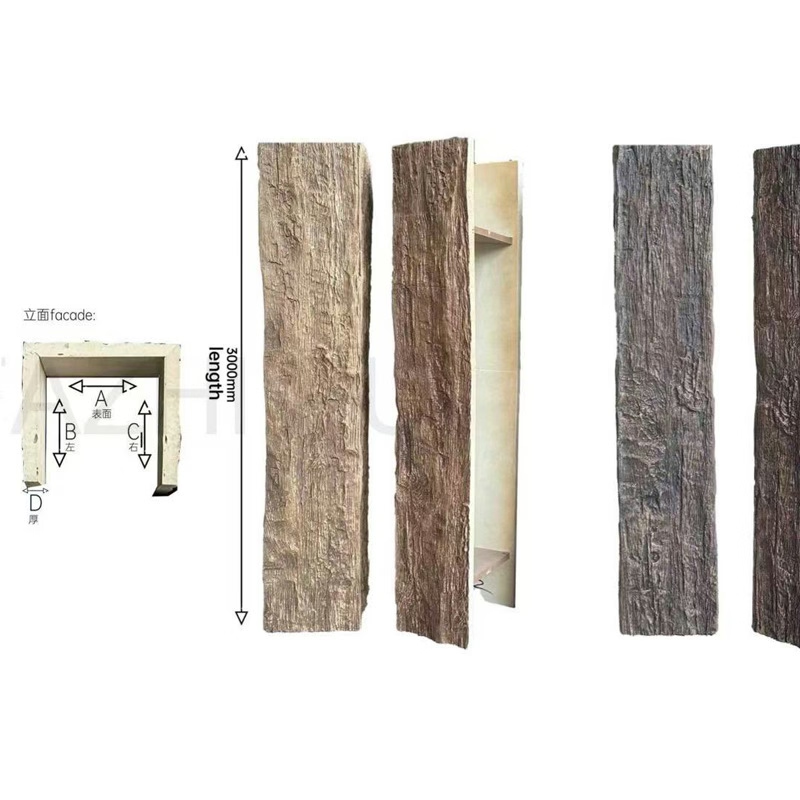
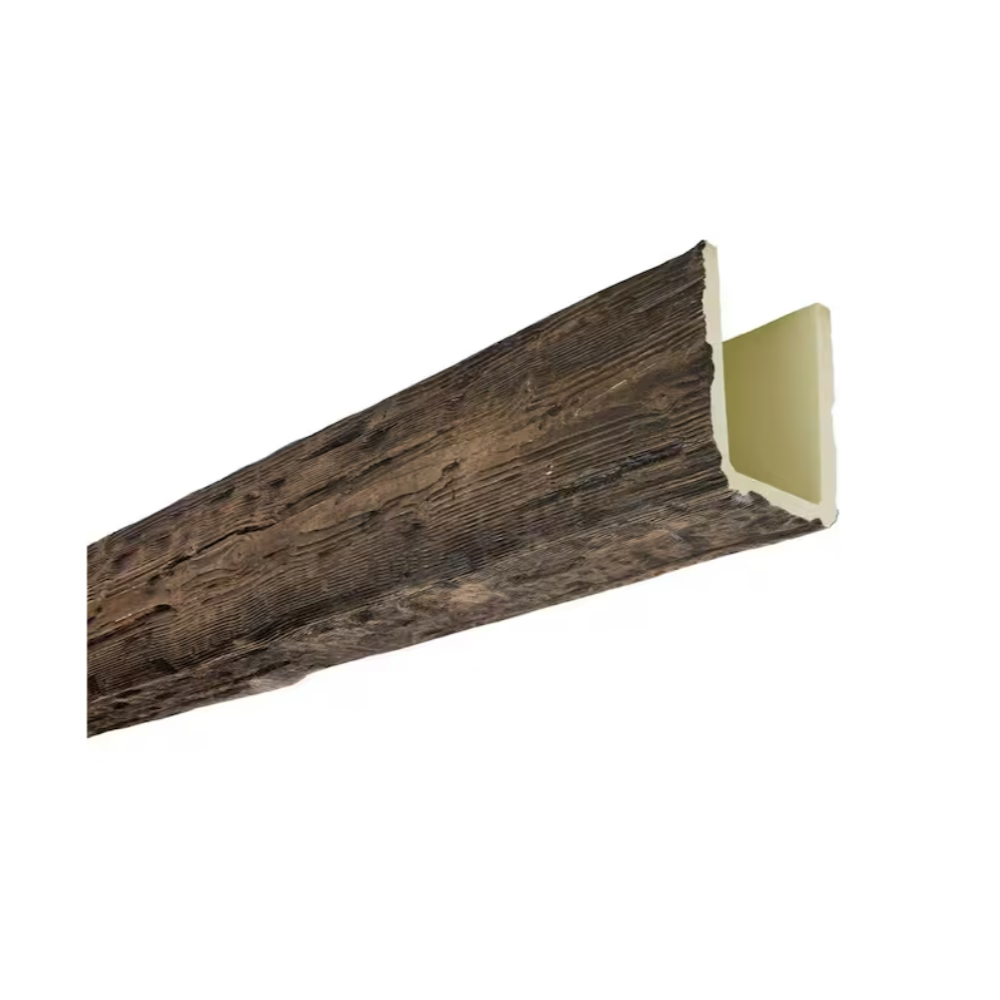
Interior decoration upgrades offer homeowners opportunities to refresh their living spaces without the disruption and expense of major renovations. Among available options, ceiling beam installations provide some of the most dramatic transformations per dollar invested. PU faux wood beams enable upgrades that previously required specialized contractors, structural assessments, and significant budget allocations—now accessible to homeowners across various skill levels and budget ranges.
The ceiling surfaces in most homes receive minimal attention during decoration, yet they occupy substantial visual real estate that influences overall room character. Flat, blank ceilings fail to contribute to interior design while consuming space that might otherwise provide visual interest. Beam installations transform this neglected surface into an asset that enhances everything below, from furniture arrangements to wall treatments.
Premium upgrade projects often begin with identifying spaces that feel incomplete or lack architectural character. Foyers, living rooms, great rooms, and master bedrooms benefit particularly from beam additions that establish design intentions and create visual anchors. These focal points guide subsequent decoration decisions, ensuring that furniture, lighting, and accessory selections align with a coherent design direction.
Weight considerations that limit natural timber installations disappear with faux alternatives. Standard ceiling constructions support the lightweight burden of manufactured beams without reinforcement, opening upgrade possibilities throughout typical residential properties. Homeowners can install dramatic ceiling features in second-floor rooms, apartments with floor/ceiling assemblies not designed for heavy timber, and older homes where structural capacity concerns might otherwise prohibit ceiling modifications.
Installation complexity often deters homeowners from pursuing ceiling upgrades. Traditional beam installation requires specialized knowledge of structural connections, ceiling preparation, and finishing techniques. Faux beams simplify these requirements through lightweight handling, standard fastening systems, and forgiving installation tolerances that accommodate typical construction variations. Homeowners comfortable with basic carpentry can successfully complete beam installations.

Surface preparation requirements for faux beam installation remain minimal compared to traditional approaches. Existing ceilings need only basic cleaning and any necessary repairs before beam attachment. Unlike plaster or drywall finishes that require extensive preparation for painting, beam installations attach directly to surfaces without demanding perfectly smooth substrates. Minor ceiling imperfections simply disappear behind beam installations.
Finish quality in manufactured beams exceeds what most homeowners could achieve with natural timber. Factory finishing ensures consistent color application, proper sealing, and protective coatings that would require professional treatment on site. The resulting appearance matches or exceeds what premium timber installations might achieve, at fraction of the cost and with greater consistency across the installation.
Design coherence requires thoughtful selection of beam styles that complement existing interior elements. Homeowners should consider flooring materials, cabinet finishes, furniture wood tones, and architectural details when specifying beam appearance. Complementary selections create visual threads that tie room elements together, while intentional contrasts can establish dynamic focal points that energize spaces.
Upgrade timing affects project outcomes and homeowner disruption. Beam installations work well as standalone projects or in combination with other upgrades like fresh paint, new flooring, or furniture replacement. Coordinating these elements ensures coherent results and prevents the piecemeal appearance that emerges when unrelated upgrades occur at different times with incompatible design intentions.
Maintenance requirements for upgraded interiors should factor into upgrade planning. Premium faux beams require occasional dusting and occasional cleaning with mild solutions, but never refinishing, sealing, or repair work that natural timber demands. This low-maintenance character proves attractive to busy homeowners who want beautiful interiors without extensive upkeep obligations.
Resale value considerations influence upgrade decisions for homeowners planning eventual property sales. Ceiling beam upgrades appeal to prospective buyers seeking move-in ready homes with architectural character. The investment typically recoups well in resale, particularly in markets where open concept layouts and rustic aesthetics remain desirable. Real estate professionals can advise on regional preferences that affect upgrade value.
Professional installation services offer homeowners who prefer not to undertake beam installation themselves. Interior designers, carpenters, and handyman services can complete installations efficiently, translating homeowner design visions into finished spaces without requiring personal effort. The cost of professional installation typically remains modest relative to material expenses and the value added.
Environmental responsibility influences material selection among environmentally conscious homeowners. PU faux beams reduce demand for harvested timber while delivering authentic wood aesthetics. Some manufacturers incorporate recycled content or sustainable production practices that further reduce environmental impact. Homeowners can investigate specific manufacturer practices to align purchases with personal values.
Interior architectural upgrades transform ordinary spaces into environments with character, warmth, and design sophistication. PU faux wood beams provide accessible paths to meaningful upgrades that enhance daily living while protecting property investments. Homeowners considering decoration improvements should explore how beam installations might deliver disproportionate transformation per dollar invested.
Technical References
ASTM standards cited in every specification
Test Data
Lab results from internal testing program
Updated 2026
Reviewed against current product specs