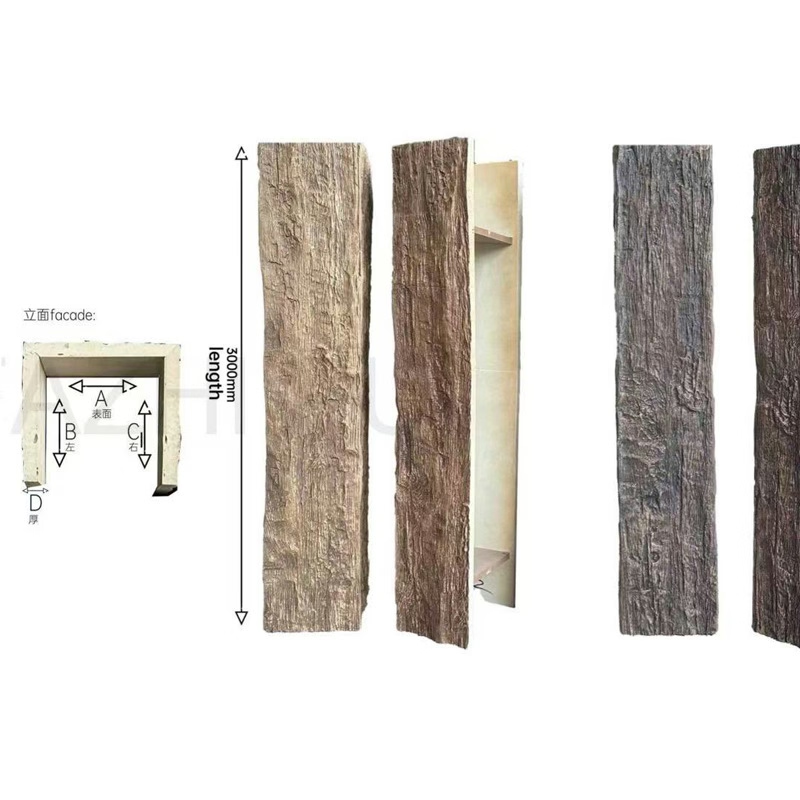
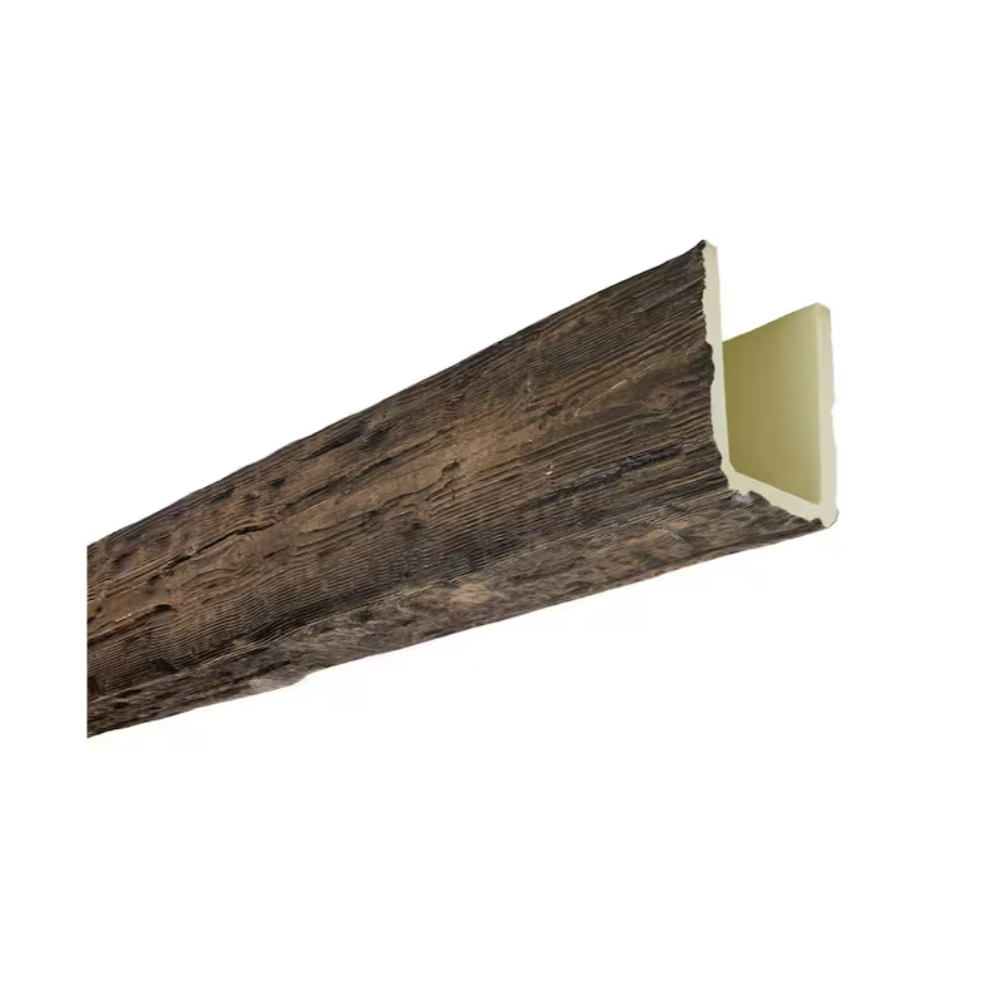
The real estate industry operates on perception as much as reality. Properties that present as aspirational destinations sell faster and at higher prices than functionally equivalent alternatives that lack visual appeal. This perception-driven market creates substantial opportunity for strategic design interventions that elevate how properties present to potential buyers. Among these interventions, ceiling beam installation ranks among the most impactful per-dollar investments available to developers, stagers, and sellers seeking competitive advantages.
Show homes and model houses represent the most concentrated application context for real estate staging strategies. These purpose-built or renovated properties exist to sell—not to shelter occupants through daily life. Every design decision should serve the sales objective, creating environments that generate emotional responses favorable to purchase decisions. Ceiling beams contribute significantly to these objectives by introducing warmth, character, and perceived quality that buyers associate with their aspirational housing goals.
The psychology of home buying involves substantial emotional investment that rational analysis cannot fully explain. Buyers evaluate properties through both analytical and emotional lenses, weighing objective features against subjective impressions that accumulate through property tours. Ceiling beams influence the emotional dimension of this evaluation, creating impressions of craftsmanship, warmth, and quality that affect how buyers perceive entire properties.
First impressions form rapidly and prove difficult to modify through subsequent experience. The entry sequence—from driveway through front door to main living spaces—establishes the perceptual framework through which buyers interpret everything else they encounter. Ceiling beams in entry areas and primary living spaces create positive first impressions that predispose favorable evaluation of subsequent property features.
The aspirational character that beam installations create addresses a fundamental buyer motivation: the desire for homes that exceed current circumstances. Buyers purchasing at higher price points typically seek environments that feel special, elevated, or luxurious relative to their previous homes. Beam-treated ceilings provide this elevated character, signaling investment and attention to detail that justify premium pricing.
Model home complexes serving new construction developments present unique staging opportunities and challenges. The competitive environment—where prospective buyers tour multiple model homes across different builders and communities—demands differentiation that stands out in memory. Beam installations create memorable spaces that distinguish model homes from competitors, increasing the likelihood that buyers will recall and return to specific properties.
The volume of traffic that model homes typically experience demands durability that affects material specification. Unlike residential installations where family members develop familiarity with surfaces, model homes expose materials to constant touching, photographing, and general contact from numerous visitors. PU beam finishes that resist scuffing, marking, and wear maintain pristine appearance through extended model home operating periods that might span years.
Photographic presentation increasingly influences real estate sales in digital-age marketing. Properties must photograph well for online listings, social media sharing, and virtual tours that many buyers use as initial screening tools. Ceiling beams create visual interest that photographs capture effectively, generating the compelling imagery that attracts buyer interest and encourages physical property visits.
The beam installations most effective for real estate staging share common characteristics that optimize sales impact. Warm wood tones that photograph attractively and appeal broadly rank among the most effective specifications. Moderate scale that creates visible impact without overwhelming photography frames well. Clean profiles that read clearly in images without requiring close inspection for appreciation.
The relationship between beam installation and lighting design deserves particular attention in staging contexts. Properties photographed and toured primarily during daylight hours may not benefit from sophisticated lighting systems that evening viewing would highlight. Beam positioning should consider how natural light interacts with beam surfaces throughout the day, ensuring attractive presentation during typical buyer visiting hours.
Seasonal considerations affect how beam installations photograph and present across the marketing period. Spring and summer marketing benefits from natural light and outdoor living emphasis that beam installations complement. Fall and winter marketing may benefit from warmer finishes and more pronounced textures that reading "cozy" under low-light conditions. Understanding these seasonal factors enables timing-appropriate specification.
Budget allocation for real estate staging should consider expected marketing duration and property positioning. Premium properties warranting premium staging budgets justify higher beam investment that contributes to aspirational presentation. Entry-level new homes may require more modest beam treatment that enhances without overstating positioning. The staging budget should align with overall marketing strategy rather than representing an independent allocation.
The permanence implications of beam installation affect specification decisions for model homes that may eventually become occupied residences. Beams installed as staging elements might remain after sales if subsequent owners appreciate the feature. This consideration favors quality specifications that will satisfy long-term occupants over economy products that serve staging purposes adequately but disappoint permanent residents.

The installation timeline for real estate staging applications often proves aggressive, with model homes required on compressed schedules to meet sales deadlines. PU beam products that install efficiently without extensive preparation or finishing work align with these timeline requirements. The lightweight handling characteristics that distinguish PU materials simplify scheduling by enabling rapid installation that does not displace other construction activities.
Maintenance requirements during marketing periods should not burden sales staff with cleaning tasks that distract from customer engagement. Beam specifications that maintain appearance through periodic dusting, without requiring specialized cleaning or refinishing, support sales-focused operations that cannot accommodate maintenance-intensive finishes.
The versatility of PU beams enables staging applications across diverse architectural styles and buyer demographics. Contemporary homes benefit from clean-lined beam treatments that complement modern aesthetics. Traditional homes accommodate more rustic or classical beam expressions. This versatility enables appropriate staging across model home collections serving different market segments within single developments.
Regional architectural preferences affect beam specification for geographically diverse model home programs. Southwest developments might favor beam treatments reflecting regional vernacular. Northeast markets may prefer finishes aligned with traditional New England architecture. Understanding these regional expectations enables specification that resonates with local buyer preferences rather than imposing inappropriate stylistic expressions.
Coordination with Other Staging Elements
Effective staging coordinates multiple elements into cohesive presentations that exceed the sum of individual components. Beam installations should integrate with furniture selection, artwork placement, color schemes, and decorative accessories that collectively create aspirational environments. Disconnected elements—attractive individually but incompatible collectively—undermine staging effectiveness that coordination would strengthen.
Professional stagers bring expertise in these compositional relationships that general contractors or sales staff may lack. Engaging staging professionals for model home preparation typically yields superior results relative to amateur attempts, despite the additional investment. The expertise stagers provide in coordinating beam installations with complete environmental compositions produces more compelling presentations that accelerate sales and justify premium pricing.
Impact Measurement for Staging Investment
Real estate professionals increasingly measure staging effectiveness through systematic data collection and analysis. Properties with beam-treated ceilings can be compared against unstaged alternatives to quantify the impact that ceiling treatment provides. Metrics including days on market, price negotiation leverage, and buyer feedback scores inform future staging decisions and investment allocation.
The data-driven approach to staging investment replaces intuition-based decisions with evidence-supported specification. As this methodology matures, the contribution of ceiling beams to staging effectiveness will become increasingly clear, enabling more accurate prediction of return on investment and more strategic allocation of staging budgets across property types and market conditions.

Technical References
ASTM standards cited in every specification
Test Data
Lab results from internal testing program
Updated 2026
Reviewed against current product specs