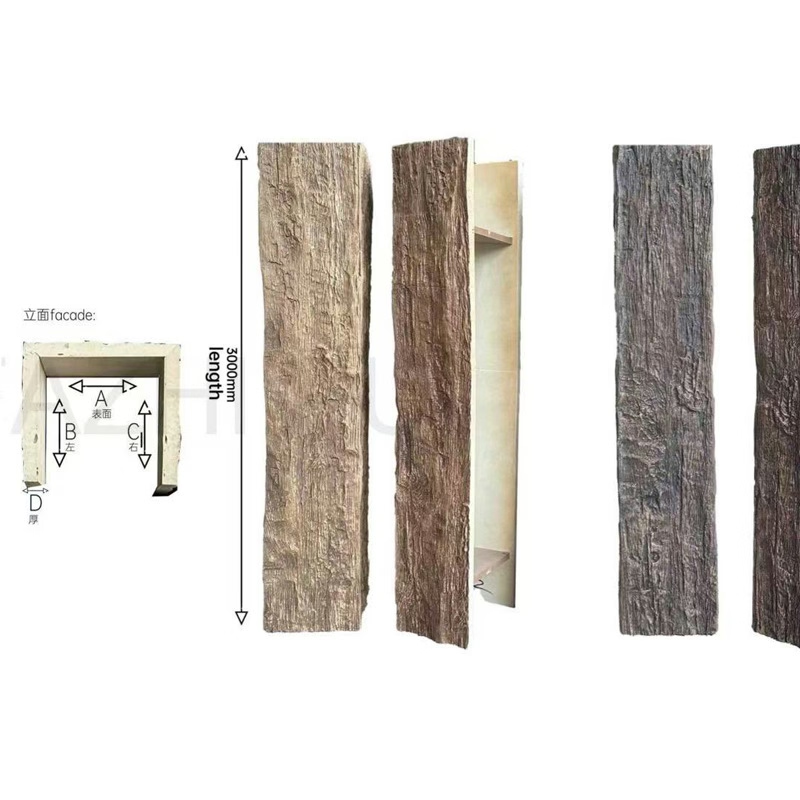
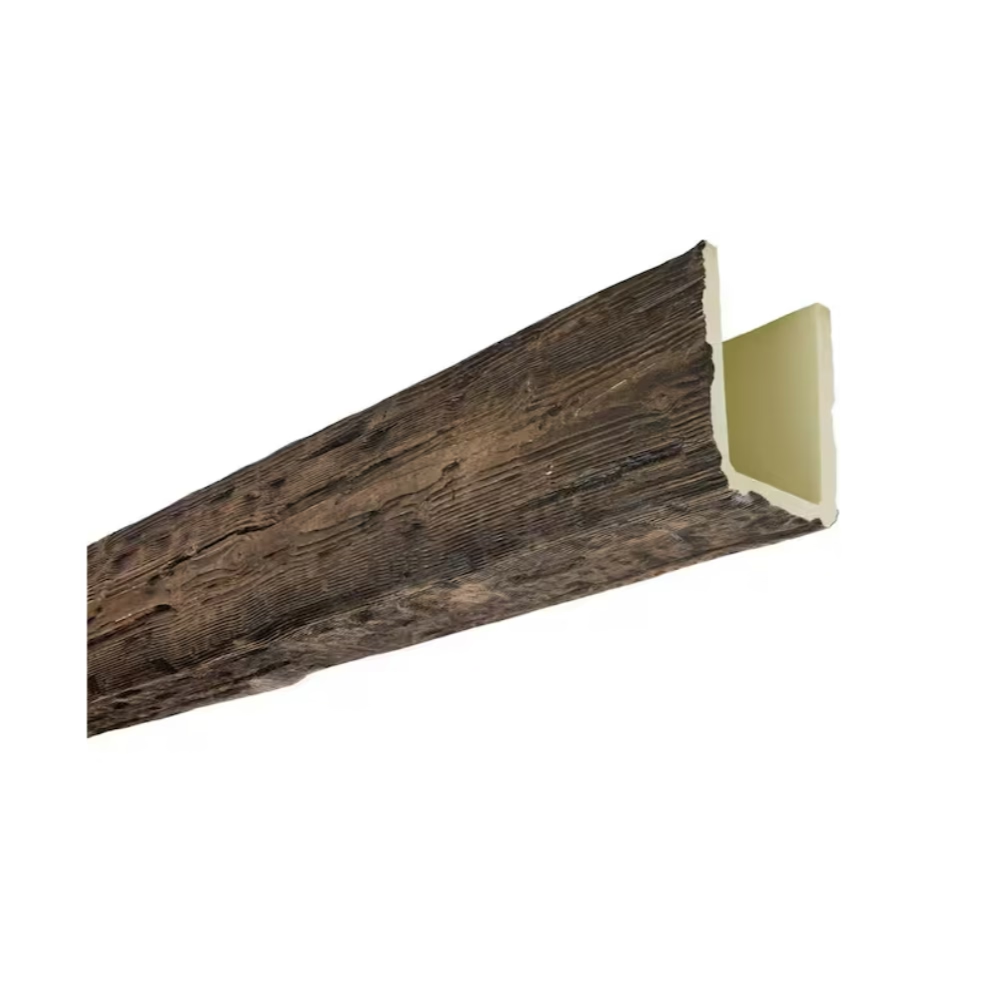
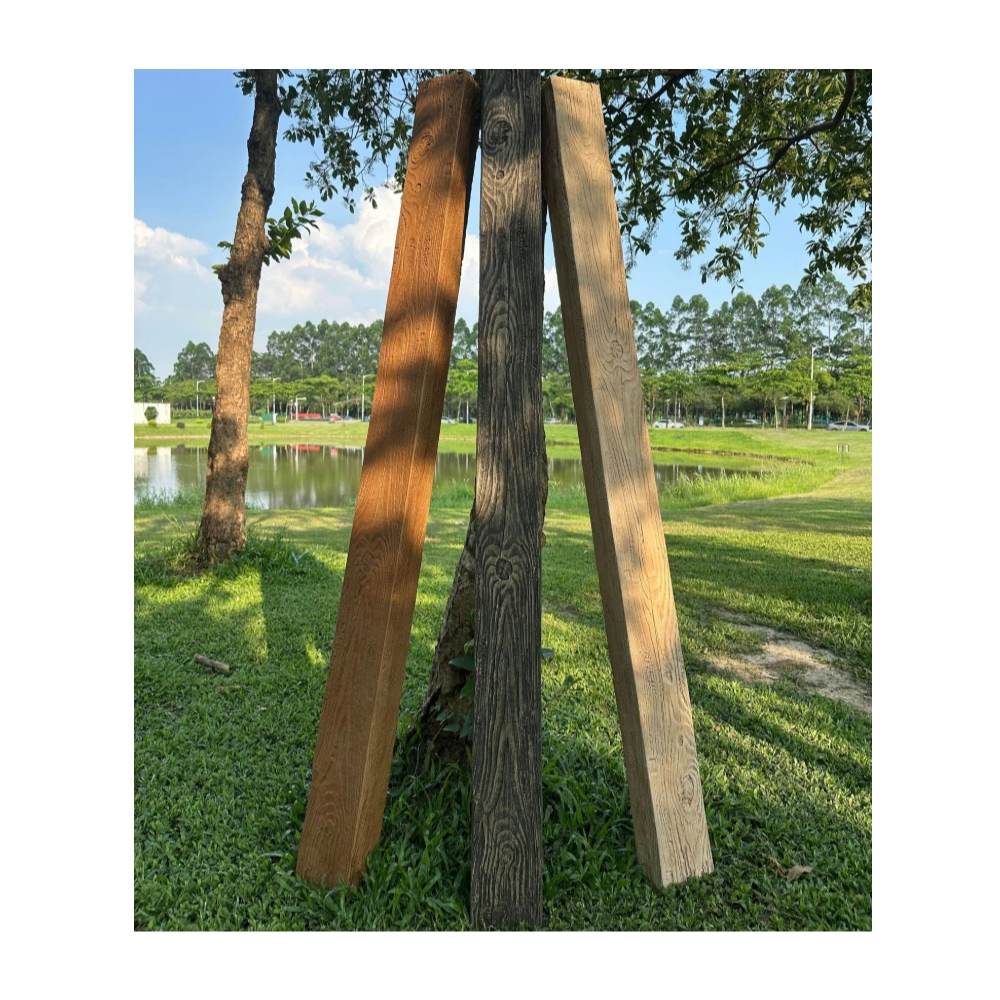
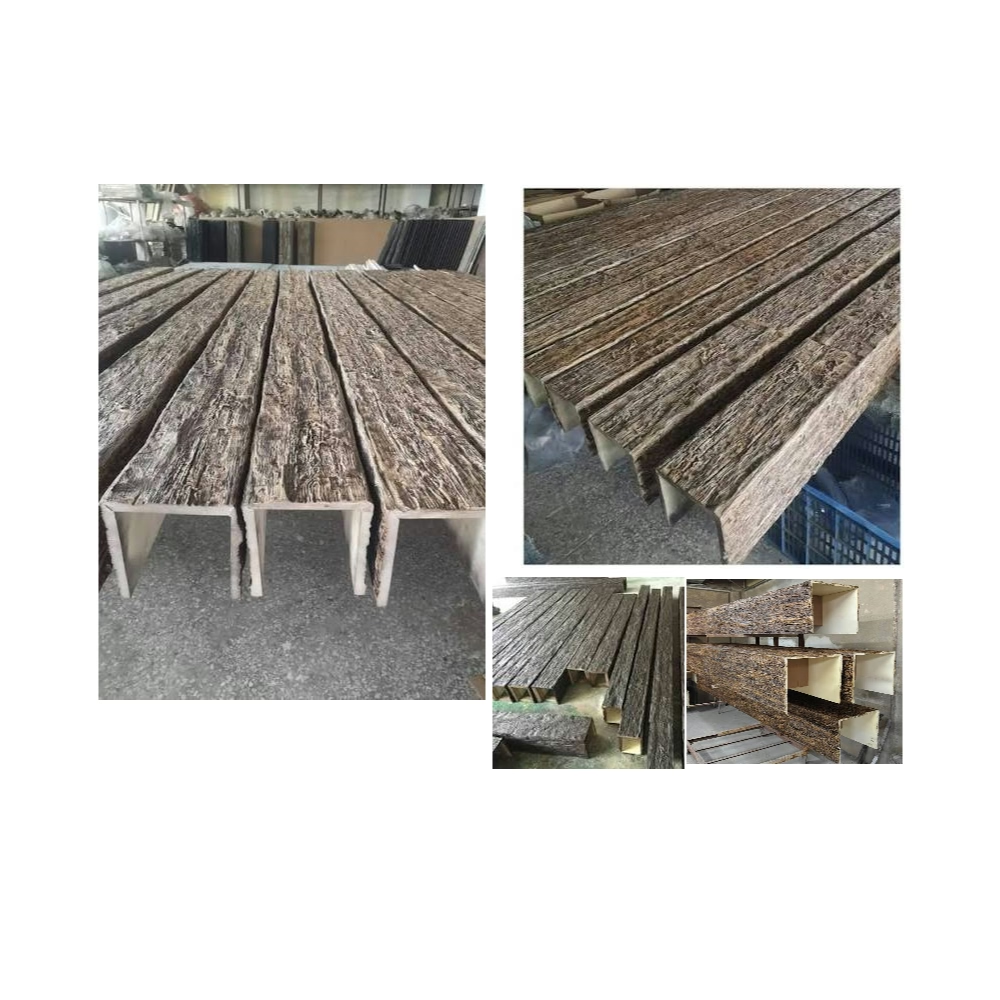
The difference between designed spaces and merely furnished rooms often lies in architectural detailing—the small-scale elements that complete compositions and reward close attention. Interior detailing encompasses the transitions, reveals, and finishing elements that connect major architectural components into unified wholes. Ornamental PU faux wood beams serve this detailing function, providing refined elements that transform partially finished spaces into complete architectural environments.
Interior detailing requires understanding how different architectural elements relate to each other. Walls meet floors, ceilings, windows, and doors through details that determine how smoothly these connections perform visually. Beams bridging ceiling-wall intersections or spanning between parallel walls provide detailing opportunities that significantly influence overall perception of quality and finish.
Professional interior designers invest substantial effort in detailing because clients eventually perceive quality through these small elements. Generous clients may not notice missing architectural features but invariably notice poorly executed details. The attention devoted to beam selection, specification, and installation reflects this reality—detailing decisions carry disproportionate influence on perceived quality.
The Role of Beams in Interior Architecture
Ceiling-beam intersections represent critical detailing junctures where visual attention naturally concentrates. Without appropriate treatment, these intersections appear abrupt or unresolved. Beam installations that address ceiling transitions create visual conclusions that satisfy expectations for complete architectural composition. The detail may be small but its influence on overall perception proves substantial.
Beam end terminations at walls require detailing attention equal to intersection treatment. Whether beams terminate against wall surfaces, tuck into plaster returns, or expose mitered ends to view, the termination detail determines how convincingly beams belong to the architecture. Appropriate termination details make beams appear as architectural features while inappropriate treatment makes them appear as furniture placed against ceilings.
Column and post integration with beam systems creates detailing challenges when vertical elements meet horizontal beams. The visual relationship between these components requires resolution that maintains both structural logic and aesthetic coherence. Corbels, capital treatments, and other transitional elements address these junctions while adding decorative interest.
Beam intersection details become focal points in installations featuring multiple beam runs. Cross-beam junctions, T-intersections, and parallel beam connections each present unique detailing opportunities. The intersection detail often receives the most elaborate treatment because close observation naturally focuses on these convergence points. Professional installation ensures that intersection details reward the attention they receive.
Detailing Scale and Refinement Levels
Primary detailing addresses major architectural elements and their relationships. Beam profiles at this refinement level establish overall character and visual weight. Primary details should read clearly from normal viewing distances and establish the design vocabulary that secondary details will follow. These larger-scale details provide the framework within which finer work operates.
Secondary detailing addresses component integration and transition elements. Corbel profiles, end cap treatments, and intersection transitions fall into this refinement category. Secondary details should coordinate with primary vocabulary while adding visual interest appropriate to their less prominent positions. The relationship between primary and secondary details creates overall design coherence.
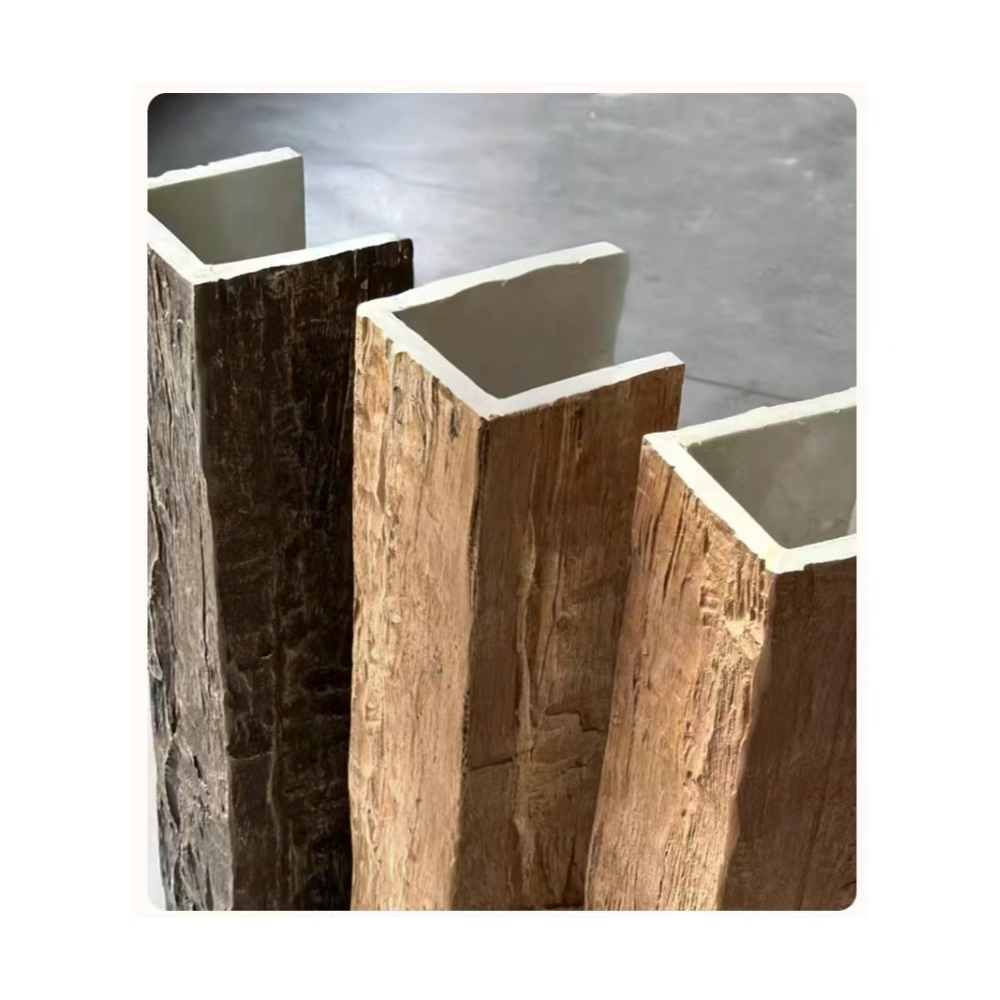
Tertiary detailing addresses surface treatment and finish quality. Grain patterns, color variation, and surface texture at this scale influence tactile perception and close-view appearance. Tertiary details should reward close inspection without demanding it—the finest work remains visible only when occupants specifically examine beam surfaces. This refinement分层 ensures that installations satisfy both casual observation and detailed scrutiny.
Hardware and accessory detailing addresses metal elements associated with beam installations. Hanging rods, support brackets, and decorative metalwork should coordinate with beam styling while meeting functional requirements. Metal finish selection—antique brass, oil-rubbed bronze, brushed nickel—should complement wood finish treatment and overall interior color palette.
Finish Quality for Refined Detailing
Surface preparation quality determines final finish appearance. Factory-prepared surfaces should receive final attention before installation, with any damage from handling repaired and any surface inconsistencies addressed. Site preparation should remove dust, contamination, or materials that might interfere with finish adhesion.

Finish application techniques influence how beams present in completed installations. Spray application provides the most uniform coverage but requires appropriate containment and ventilation. Brush application introduces subtle texture that may complement traditional styling. Roller application offers intermediate characteristics. The technique should match both product requirements and aesthetic goals.
Color matching between beams and existing woodwork ensures unified appearance throughout interiors. Custom color matching services develop formulas that coordinate with specific existing finishes. Sample verification under actual lighting conditions prevents surprises when complete installations receive final review. The investment in accurate color matching prevents costly remediation.
Finish protection through appropriate sealer application ensures long-term appearance maintenance. Interior applications typically require less robust protection than exterior exposures, but all installations benefit from appropriate sealing. The sealer should protect without altering appearance—maintaining intended finish character while adding resistance to moisture, dirt, and handling wear.
Detailing in Different Architectural Contexts
Traditional architecture requires detailing vocabulary drawn from historical precedent. Period-appropriate profiles, molding combinations, and ornamentation levels should reflect specific traditions being honored. The goal involves creating environments that appear to have developed organically rather than having been decorated with contemporary approximations of historical styles.
Contemporary architecture demands detailing refinement without historical reference. Clean geometry, precise tolerances, and minimal ornamentation characterize appropriate contemporary detailing. The quality standard actually increases in contemporary contexts because the reduced ornamentation makes any imperfection more apparent. Precision becomes the defining characteristic of refined contemporary detailing.
Transitional spaces combine traditional and contemporary elements, requiring detailing approaches that bridge both vocabularies. Beams in transitional interiors might feature traditional profiles executed with contemporary precision or contemporary profiles finished with traditional materials. The synthesis should feel natural rather than compromised.
Eclectic interiors deliberately mix vocabularies from different periods and traditions, challenging detailing coherence. Successful eclectic design establishes visual connections that unify diverse elements. Beams in eclectic contexts should provide stabilizing elements that connect disparate surrounding components. The beam styling might reference multiple vocabularies or focus on neutral refinement that accommodates varied surroundings.
Interior detailing with ornamental PU faux wood beams requires attention to multiple refinement levels, finish quality, and contextual appropriateness. When these detailing considerations receive appropriate attention, beam installations contribute finishing touches that complete designed spaces and satisfy expectations for refined architectural quality.
Technical References
ASTM standards cited in every specification
Test Data
Lab results from internal testing program
Updated 2026
Reviewed against current product specs