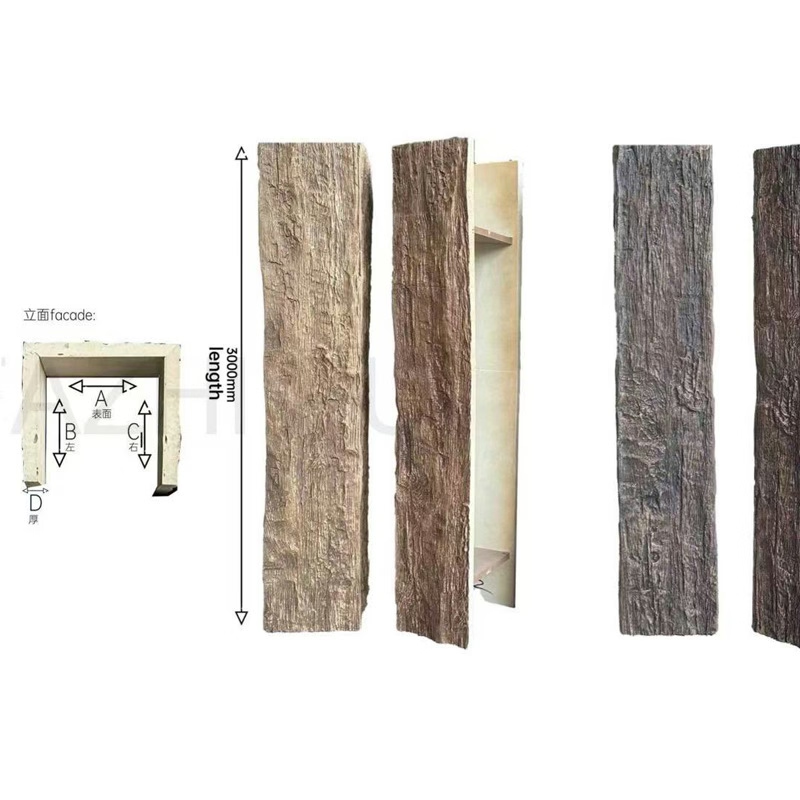
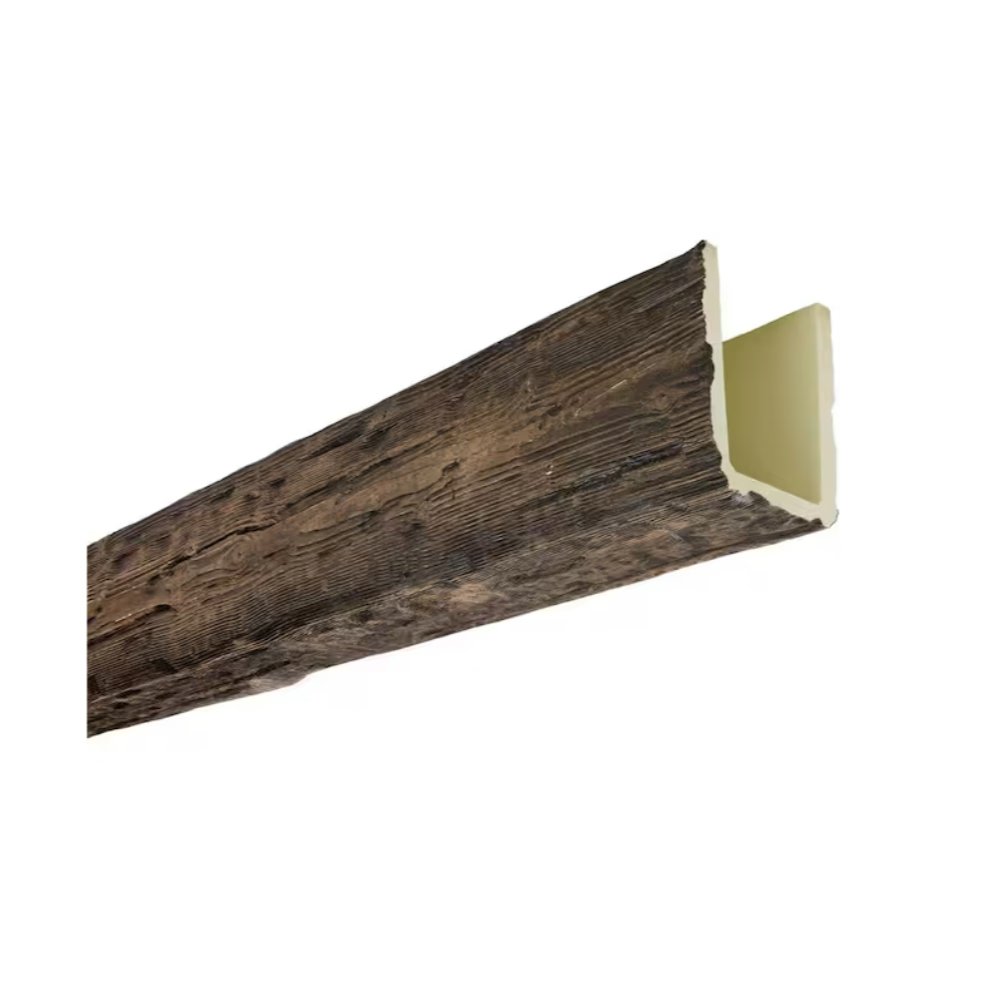
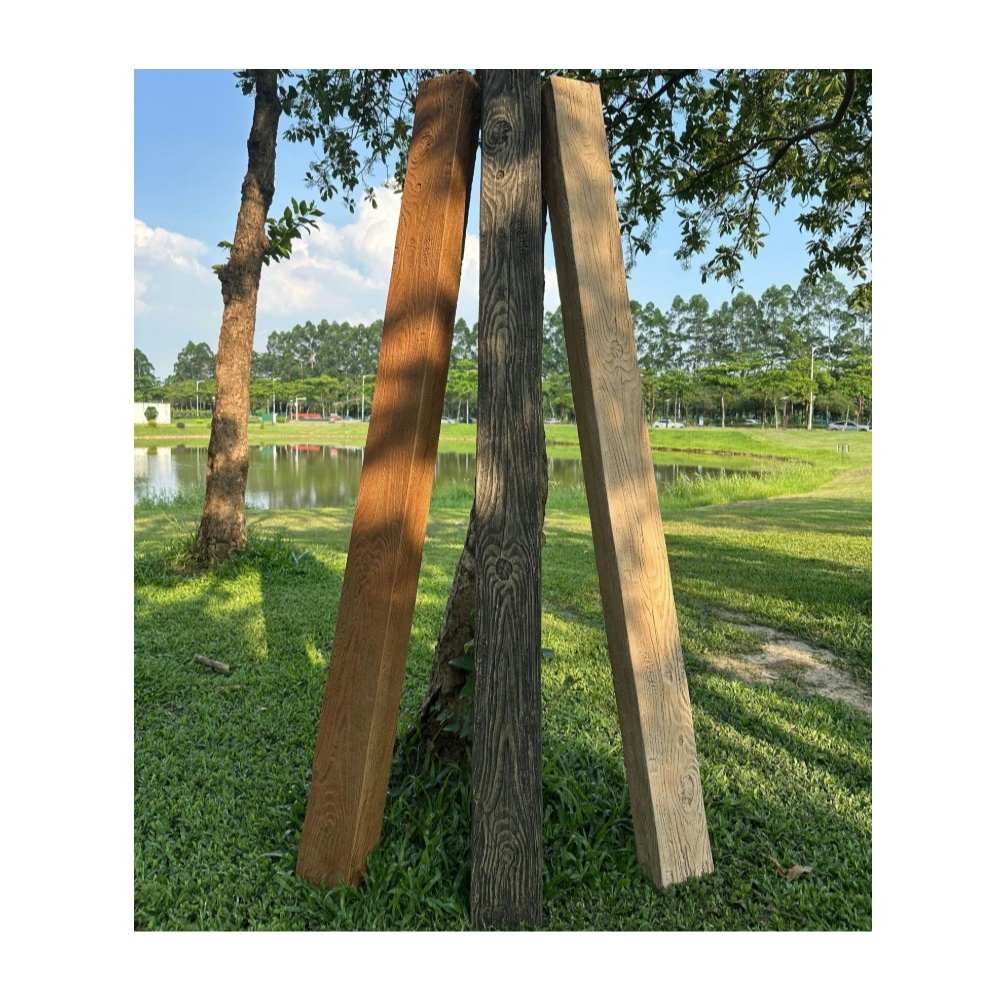
Every homeowner dreams of that rustic mountain lodge feeling in their living room, but solid timber beams present practical obstacles that frustrate these ambitions. The weight requires structural reinforcement, the cost strains renovation budgets, and the maintenance demands ongoing attention. Authentic-looking faux ceiling beams resolve these tensions elegantly, delivering aesthetic impact through engineering that respects real-world constraints.
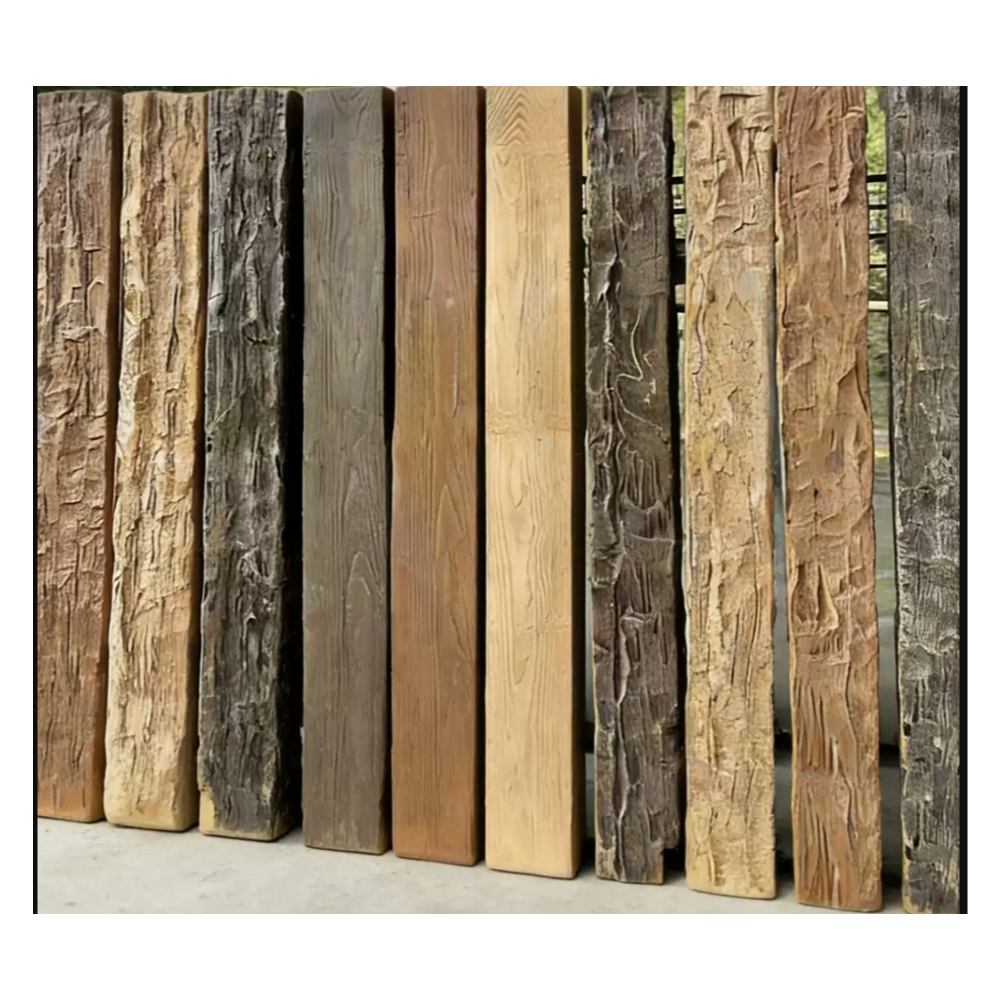
The distinction between convincing imitation and obvious fake has narrowed considerably as manufacturing techniques matured. What once showed visible seams, uniform coloring, and plastic-like surfaces now exhibits the subtle variations, organic imperfections, and tactile authenticity that characterize genuine timber. This transformation reflects years of refinement in mold technology, pigment application, and surface finishing.
The Psychology Behind Wood Aesthetics
Humans possess an innate affinity for organic materials that evolved over millennia of living surrounded by natural elements. Wood's cellular structure, with its characteristic grain patterns, creates visual complexity our brains interpret as warmth and safety. Removing wooden elements from interior environments produces spaces that feel clinical or incomplete, even when every other design element succeeds.
Architects and designers leverage this psychological connection strategically. Commercial spaces aiming for approachable sophistication incorporate wood textures through furniture, paneling, and ceiling treatments. Healthcare facilities seeking to reduce patient anxiety feature wooden accents in waiting areas and patient rooms. The universal appeal crosses cultural boundaries, with wood-look interiors performing well in markets worldwide.
Faux beams tap into this preference without requiring the deforestation, transportation logistics, or installation complexity of genuine timber. For environmentally conscious consumers, the choice represents an ethical alternative that achieves the desired aesthetic while reducing ecological footprint. Each square foot of synthetic beam essentially represents preserved old-growth forest.
Material Composition and Structural Properties
Polyurethane dominates the faux beam market for compelling technical reasons. The material accepts intricate surface detail while maintaining consistent dimensions during curing. Unlike concrete or plaster alternatives, polyurethane weighs less than natural wood itself, reducing structural requirements while maintaining sufficient density for authentic appearance.
Manufacturers formulate blends specific to beam production, incorporating UV stabilizers that prevent degradation from sunlight exposure. Impact modifiers help the material resist dents and scratches that would damage less resilient surfaces. Fire-retardant additives satisfy building code requirements in commercial applications where exposed materials undergo strict testing protocols.
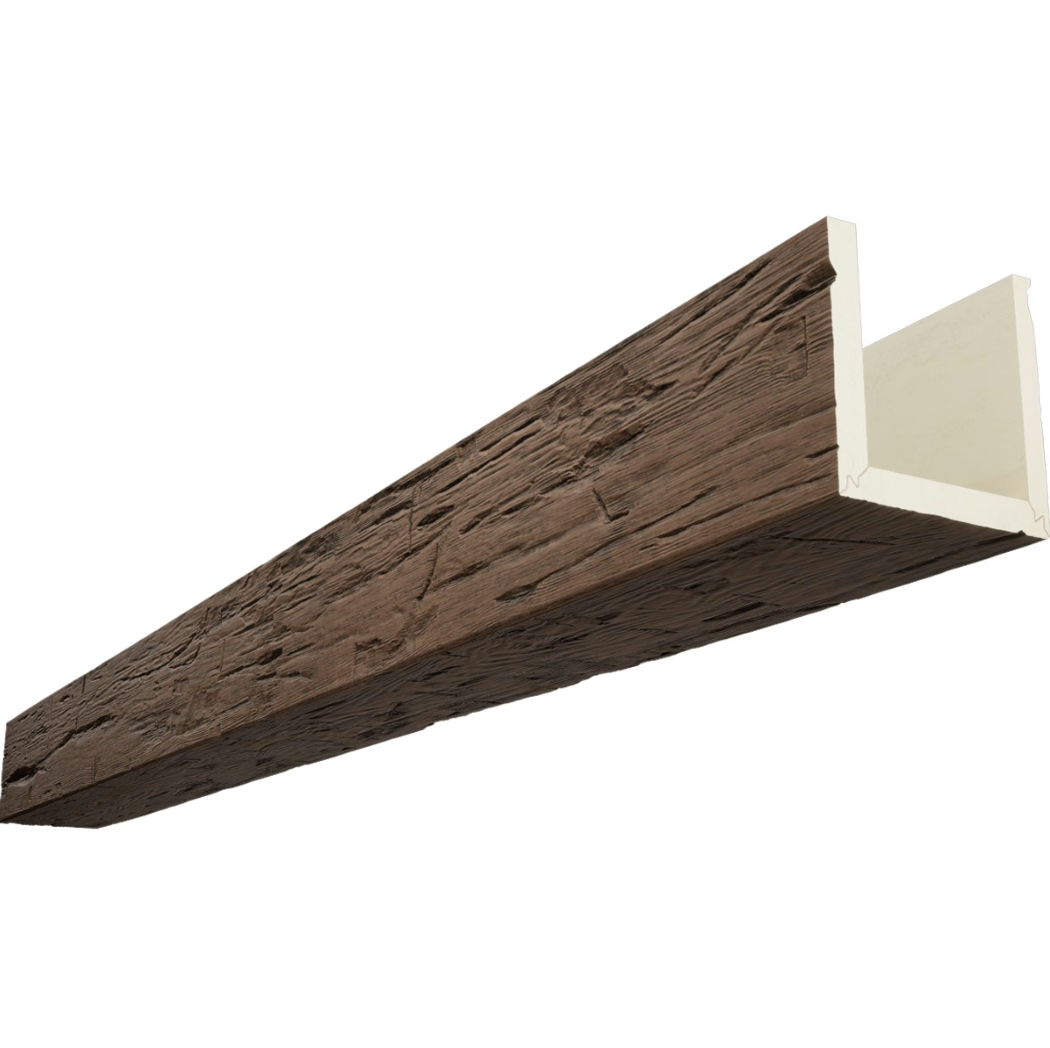
The hollow core construction common in most faux beams serves multiple purposes beyond weight reduction. Electrical wiring, low-voltage cables, and HVAC ductwork route through beam cavities without compromising finished appearance. This functionality proves invaluable in renovation projects where moving existing infrastructure would add substantial expense and complexity.
Design Integration Strategies
Successful beam installations often involve more than simply mounting products perpendicular across ceiling spans. Thoughtful designers consider existing architectural elements, furniture placement, and lighting design when planning beam positioning. The goal involves creating cohesive compositions where beams feel intentional rather than retrofitted.
Vaulted ceilings present natural opportunities for beam installation along structural rafters. Homeowners sometimes express concern about "faking" architectural features, but faux beams installed along actual rafter lines enhance rather than deceive about the structure. The beams reveal and celebrate the underlying construction while adding visual warmth.
Flat ceilings offer different possibilities through strategic placement. Single beams across room centers create visual interest without overwhelming minimal spaces. Pairs or triplets arranged in parallel introduce rhythmic repetition that guides eye movement and defines functional zones. The arrangement possibilities accommodate everything from minimalist to maximalist design philosophies.

Climate Considerations and Performance
Natural wood responds dynamically to environmental conditions, absorbing moisture during humid periods and releasing it when air dries. This behavior creates the dimensional changes responsible for gaps, warping, and seasonal adjustments that frustrate homeowners. Faux beams sidestep these challenges entirely, maintaining consistent appearance regardless of climate conditions.
Regions experiencing significant seasonal temperature swings particularly benefit from synthetic alternatives. Vacation homes that sit vacant through winter months might experience structural damage if genuine timber beams expanded and contracted repeatedly without climate control. Polyurethane products handle these conditions without complaint, preserving their appearance through countless temperature cycles.
Humid environments present another scenario where faux materials outperform natural alternatives. Bathrooms, indoor pools, spa facilities, and coastal homes all experience moisture levels that challenge organic materials. Mold resistance and dimensional stability make polyurethane beams practical choices in spaces where natural wood would eventually deteriorate.
Economic Advantages Beyond Initial Purchase
Budget-conscious homeowners appreciate the comprehensive savings faux beams provide. Beyond purchase price savings compared to genuine timber, installation costs decrease due to simplified handling and fastening requirements. Projects that would need two or three workers for solid timber installation often complete with single-person crews working with lightweight faux alternatives.
The elimination of finishing work further reduces installed costs. Natural timber typically requires staining, sealing, or painting before and during installation. Faux beams arrive pre-finished in colors selected during ordering, eliminating on-site finishing labor and the associated drying time that extends project schedules.
When evaluating long-term value, maintenance costs tip the balance decisively. Natural wood beams in active households face exposure to sunlight through windows, cooking grease in kitchens, humidity from bathrooms, and general wear throughout living spaces. Refinishing expenses compound over time, while polyurethane surfaces maintain appearance through decades of use.
Professional Installation Versus DIY Approaches
While many capable homeowners successfully install faux beams as weekend projects, certain situations benefit from professional involvement. Complex ceiling geometries, multi-beam compositions requiring precise alignment, or integration with structural elements all present challenges better addressed by experienced installers.
Professionals bring specialized tools and techniques that improve outcomes. Laser levels ensure precise alignment across long spans. Industrial adhesives selected for specific substrate combinations provide bonds that outperform consumer-grade alternatives. Finish carpentry skills allow seamless joints where beams meet corners or intersect existing trim work.
Commercial projects almost universally involve professional installation teams. Liability considerations, scheduling constraints, and quality expectations in business contexts demand contractor involvement. Property managers appreciate the accountability professional installation provides, along with warranty coverage that sometimes extends through multi-year maintenance contracts.
Customization Options and Special Orders
Standard faux beam offerings accommodate the majority of residential applications, but projects with unusual dimensions or specific aesthetic requirements often benefit from custom manufacturing. Lead times extend compared to catalog products, but the ability to specify exact lengths, widths, and profiles eliminates on-site modification challenges.
Color matching services allow coordination with existing woodwork throughout homes. Send samples of floor boards, trim work, or furniture to manufacturers with color matching requests. Professional technicians develop custom pigment blends that produce seamless integration between faux beams and existing elements that homeowners want to reference.
Special profiles beyond standard rectangles or chamfered edges accommodate architectural styles requiring specific appearances. Colonial installations might specify beaded edges that reference historic construction. Contemporary spaces sometimes request square-edge minimalist profiles. Custom mold creation addresses these specialized requirements while maintaining the quality standards of production runs.
Environmental Responsibility and Sustainability
The sustainability conversation around faux beams continues evolving as manufacturers adopt more responsible practices. Recycling programs for production waste, bio-based polyurethane formulations, and extended product lifespans all contribute to improved environmental profiles that increasingly satisfy eco-conscious consumers.
Polyurethane production does carry environmental considerations, but the extended service life of finished products partially offsets initial impact. A beam that maintains appearance for forty years without replacement ultimately consumes fewer resources than multiple natural wood replacements requiring ongoing harvest, milling, transport, and installation.
Some manufacturers have obtained environmental certifications that provide meaningful differentiation. Products meeting specific recycled content requirements, certified through responsible production processes, or verified for low VOC emissions offer environmentally focused consumers meaningful choices. Researching manufacturer practices before purchasing helps ensure alignment with personal environmental values.
Technical References
ASTM standards cited in every specification
Test Data
Lab results from internal testing program
Updated 2026
Reviewed against current product specs