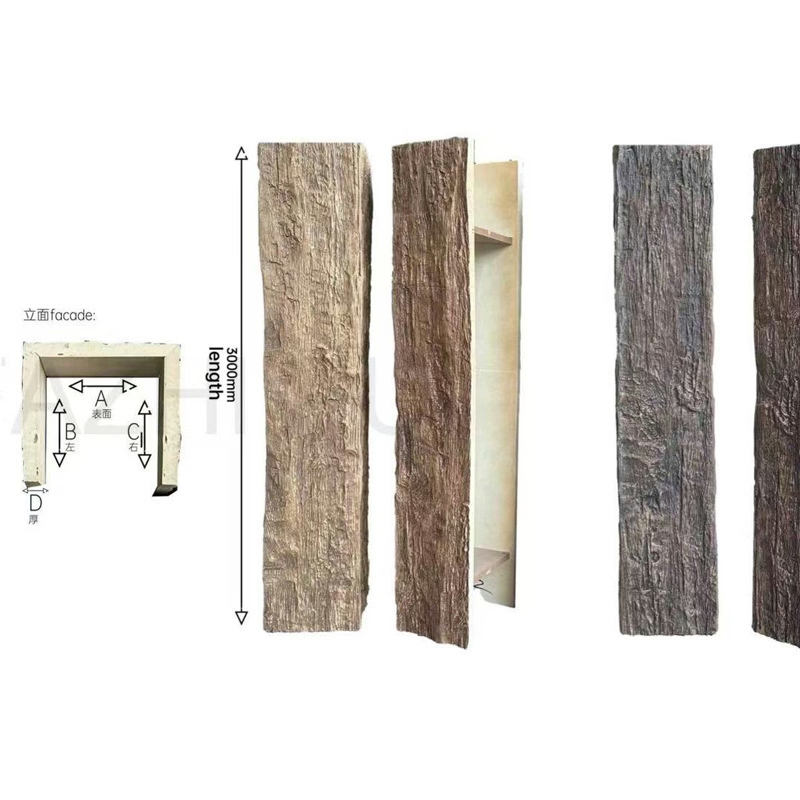
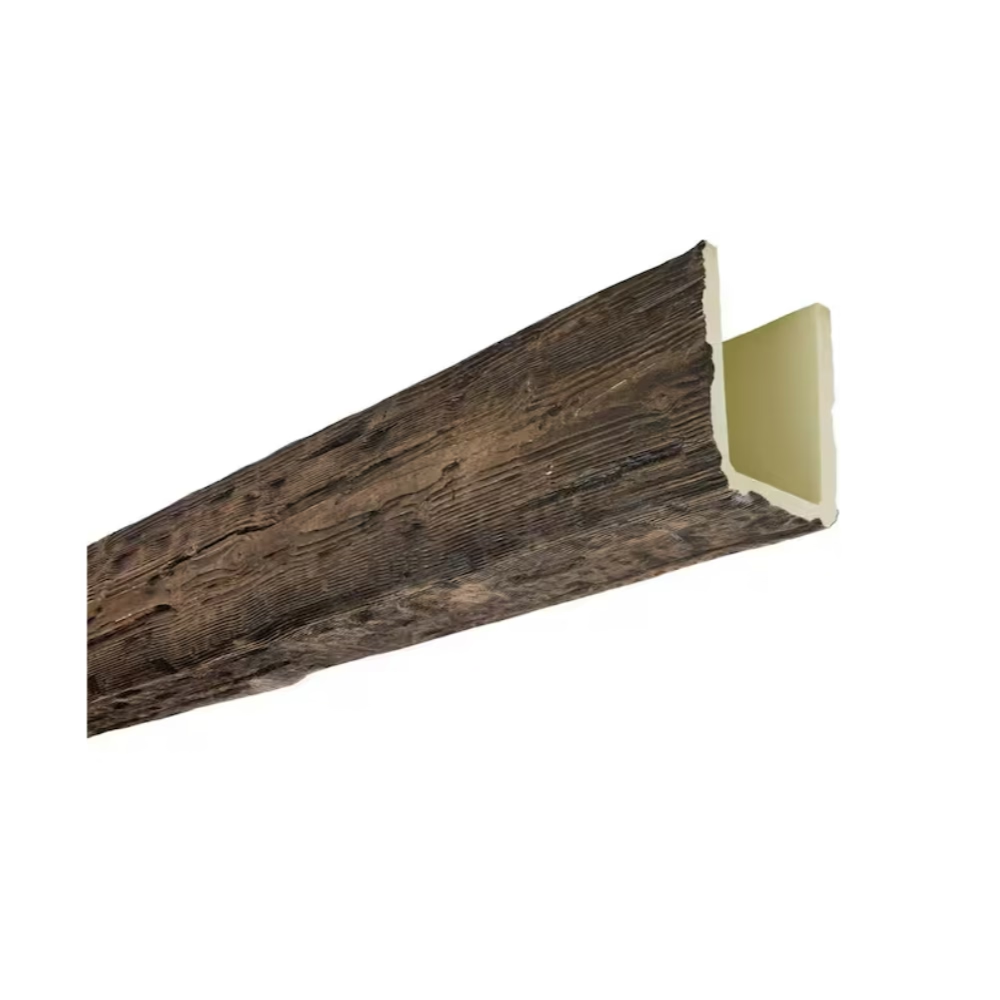
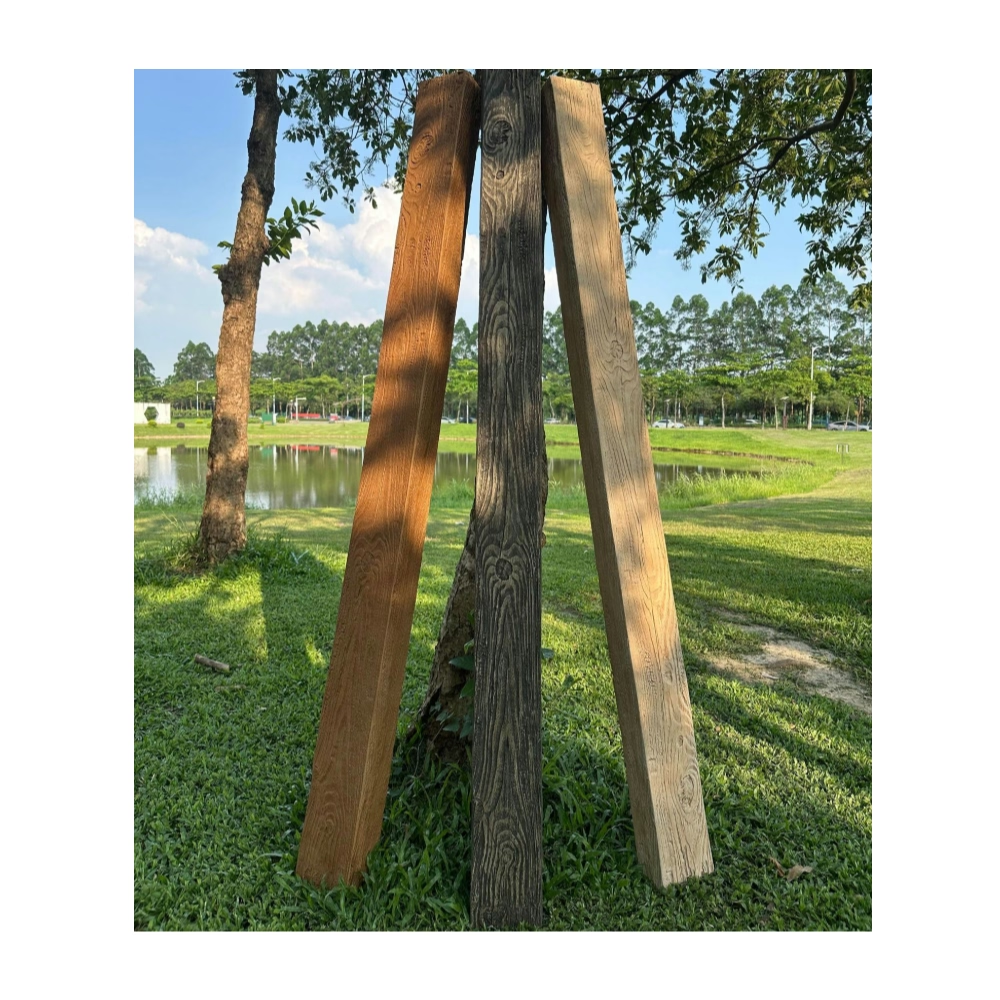
The sophisticated warmth of cherry wood has captivated furniture makers and interior designers for centuries. Its fine, uniform grain, rich reddish-brown heartwood, and remarkable ability to deepen with age create an elegance that synthetic materials have historically struggled to match. Modern polyurethane technology has closed this gap decisively, producing cherry wood grain faux ceiling beams that capture the essence of this beloved species while offering practical advantages impossible to achieve with genuine timber.
Classic interior design demands materials that age gracefully and contribute refined character rather than merely filling space. Cherry's traditional association with formal interiors, quality craftsmanship, and timeless sophistication makes it particularly suitable for spaces aiming for established elegance. Faux beams in cherry finishes extend these associations throughout rooms, creating cohesive environments where architectural details reinforce furniture and décor choices.
Understanding Cherry Wood Characteristics
American black cherry develops its distinctive appearance gradually, beginning with pinkish sapwood that contrasts sharply with reddish-brown heartwood. Young lumber exhibits relatively uniform coloration, while mature specimens develop darker zones and subtle figure variations that skilled woodworkers celebrate rather than avoid. This evolution means finished cherry pieces continue improving for years after installation.
The grain structure itself presents specific challenges for texture reproduction. Cherry displays what woodworkers call "grain" — the pattern created by annual growth rings visible on longitudinal surfaces. This pattern tends toward uniformity with occasional subtle figure, requiring reproduction techniques that capture restrained rather than dramatic variation.
Natural cherry darkens significantly when exposed to light, developing the rich mahogany tones associated with antique pieces. This characteristic affects color matching in faux products, as samples viewed under inadequate lighting may appear quite different once installed in naturally lit spaces. Manufacturers compensate by creating finishes that approximate mature cherry coloration from initial installation.
Reproducing Authentic Cherry Aesthetics
High-quality cherry grain reproduction requires careful balance between accuracy and subtlety. Cherry's understated character distinguishes it from more dramatic species like oak or walnut, so faux products must avoid overstatement that would create obviously artificial appearance. The goal involves capturing essential cherry qualities rather than emphasizing features cherry doesn't naturally possess.
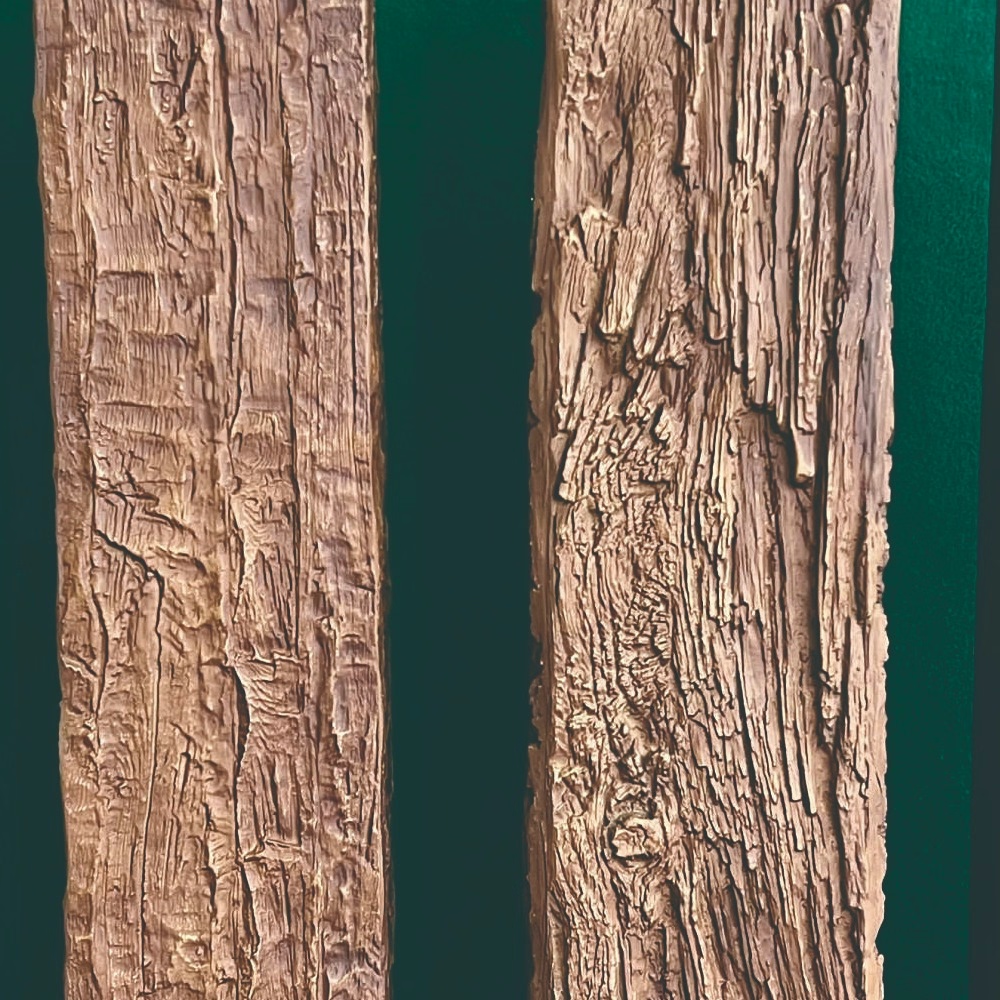
Grain line definition in quality faux products appears as slight indentation or color variation rather than obvious grooves. This restrained approach reflects actual cherry surface characteristics where grain lines may be felt but rarely create dramatic texture. Premium manufacturers achieve this subtlety through refined mold surfaces and controlled finishing applications.
Color gradation across beam surfaces mirrors natural cherry variation without introducing obviously artificial uniformity. Darker concentrations near knots, subtle tonal shifts along beam lengths, and characteristic lighter tones at edges all contribute to convincing appearance. These variations occur naturally in timber, and their convincing reproduction separates authentic-looking faux from budget alternatives.
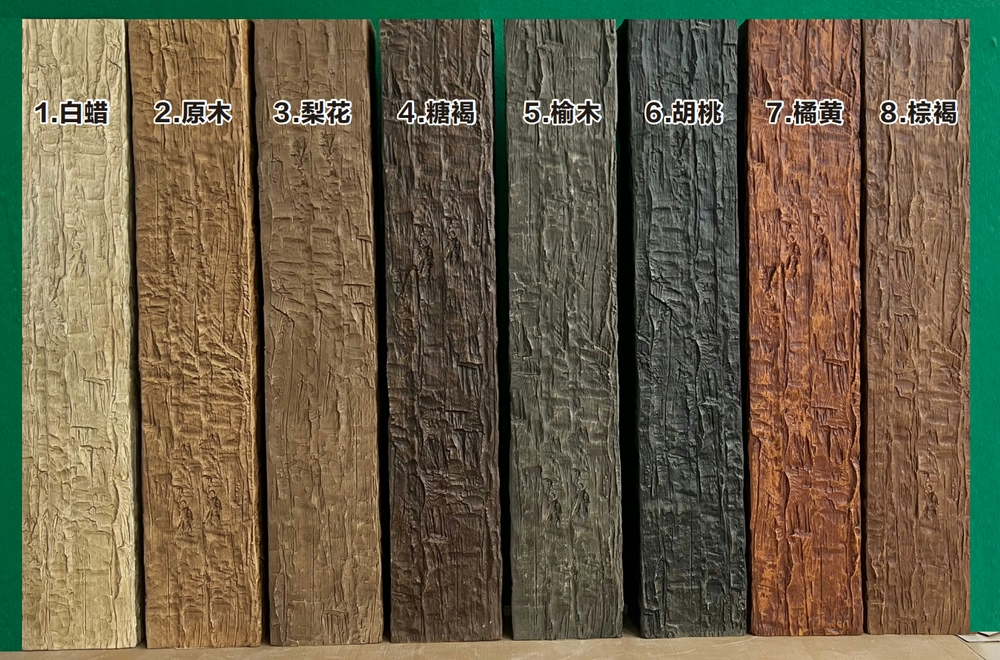
Classic Interior Design Applications
Traditional homes with formal living rooms, dining spaces, and libraries provide natural settings for cherry-toned ceiling treatments. The warmth and refinement these spaces demand align perfectly with cherry aesthetics, creating environments that feel established and carefully considered rather than transient or trendy. Ceiling beams anchor these compositions, adding architectural weight that balances formal furniture arrangements.
Victorian and Colonial Revival interiors particularly benefit from cherry beam treatments. These architectural styles often featured timber ceiling elements in original construction, and adding faux beams helps restore intended appearances in renovated properties. The scale and proportion of beam selection should reference historical precedents appropriate to each style period.
Contemporary homes seeking classic sophistication employ cherry-toned beams as bridges between formal and relaxed aesthetics. Open floor plans might incorporate beams at room transitions, where formal dining areas meet casual family spaces. The beams create visual continuity while acknowledging functional differentiation between zones.

Coordination With Existing Woodwork
Successful integration between faux beams and existing cherry woodwork requires attention to color temperature and finish sheen. Matching tones precisely rarely produces satisfying results, as slight variation between natural and synthetic materials often appears more convincing than perfect matching that draws attention to material differences.
Complementary coordination often works better than matching approaches. If existing furniture exhibits warm reddish-brown cherry tones, slightly cooler or richer beam colors create intentional contrast that emphasizes both elements. This approach provides visual interest while maintaining cohesive color relationships throughout spaces.
Floor and beam coordination presents particular opportunities. Matching beam tones to hardwood flooring establishes unified wooden palette that expands visual perception of room size. Alternatively, contrasting floor and ceiling wood treatments creates layering that adds depth and sophistication to otherwise simple spaces.
Profile Selection for Refined Spaces
Classic interiors typically benefit from traditional beam profiles rather than contemporary minimalist treatments. Chamfered edges, subtle bevels, and proportions reflecting historical construction practices contribute to authentic period feel. Square-edged modern profiles might feel jarring in formally appointed spaces regardless of finish quality.
Scale relationships matter significantly in classic applications. Beams appearing undersized for their spans look inadequate rather than subtle. Conversely, beams too large for their settings overwhelm surrounding elements and create uncomfortable visual weight. Sample positioning before commitment helps establish appropriate scale relationships in specific applications.
Structural detailing like decorative braces, corbels, and end treatments enhances classic authenticity when appropriately applied. Not every installation requires these embellishments, but larger beams spanning significant distances often benefit from detailing that reinforces traditional aesthetic. Manufacturer offerings vary in available accessories, so assessing these options during product selection proves worthwhile.
Installation Considerations for Formal Spaces
Formal interiors often feature higher ceilings and larger room dimensions, creating installation challenges unique to these applications. Longer beam spans may require intermediate support systems or specialized mounting approaches. Planning should address these requirements before purchase to ensure appropriate product selection.
Lighting integration in formal spaces often involves more elaborate fixture arrangements. Chandeliers, wall sconces, and recessed lighting all interact with ceiling beam installations. Coordinating fixture mounting requirements with beam positioning prevents conflicts and ensures harmonious appearance once installations complete.
Architectural moldings and trim work common in formal interiors require careful integration with beam installations. Crown moldings meeting beam ends, cornice returns, and baseboard connections all demand attention to achieve seamless appearance. Professional finish carpentry skills often prove valuable in these situations.
Maintenance Requirements and Longevity
Cherry wood grain polyurethane beams require minimal maintenance compared to natural wood alternatives. The factory-applied finishes resist scratching and marring while maintaining color consistency that natural cherry cannot match without regular refinishing. Homeowners appreciate this convenience, particularly in formal spaces where appearance standards remain high.
Dust accumulation on textured surfaces contributes to character over time, similar to natural wood patina development. Regular dusting with soft cloths maintains clean appearance without effort. Occasional cleaning with mild detergents addresses accumulated grime in kitchen-adjacent spaces or high-traffic areas without affecting protective finishes.
The stability of polyurethane materials eliminates concerns about seasonal movement affecting beam alignment or appearance. Gaps that might develop between natural timber components never appear in synthetic installations, maintaining seamless appearance through temperature and humidity cycles that challenge organic materials.
Cost Analysis for Quality Expectations
Investment in quality cherry grain faux beams returns value through appearance, durability, and installation simplicity. The refined grain patterns and color development characteristic of premium products justify pricing above basic alternatives. Attempting cost reduction through inferior products typically produces disappointing results that require eventual replacement.
Professional installation represents meaningful investment in formal spaces where quality expectations remain high. The expertise required for proper integration with existing trim work, architectural details, and lighting systems justifies contractor pricing. DIY installation remains viable for simpler applications but may prove false economy in demanding environments.
Lifetime cost calculations favor quality faux products when considering maintenance requirements, replacement frequency, and appearance retention. The premium paid for quality often recovers through extended service life and reduced care requirements compared to budget alternatives.
Historical Context and Design Heritage
Cherry wood's use in American furniture making stretches back to colonial periods when local timber provided material for household goods and architectural detailing. The species became associated with quality craftsmanship through its workability and beautiful finished appearance. Its continued popularity reflects this historical heritage and the timeless quality of its aesthetic character.
Victorian interiors frequently featured cherry in formal applications including parlor furniture, library fixtures, and ceiling treatments. The rich color palette suited the era's preference for warm, sophisticated environments. Restoring these spaces to historical accuracy often involves cherry-toned elements that reconnect contemporary interiors with their architectural origins.
Craftsman and Arts & Crafts movements valued cherry for different reasons, emphasizing its grain character and color development as evidence of material quality. These movements' influence persists in contemporary design through furniture forms and interior treatments that reference their aesthetic principles. Cherry-toned faux beams support these design approaches authentically.
Customization and Special Orders
Standard cherry grain offerings accommodate many applications, but projects requiring exact coordination with existing elements often benefit from custom approaches. Color matching services allow precise coordination with specific furniture pieces or architectural woodwork. Lead times extend for custom work but eliminate the compromise of imperfect matching.
Profile customization addresses architectural requirements beyond standard offerings. Period-appropriate details, unusual dimensional requirements, and integration with custom millwork all benefit from manufacturer flexibility in producing non-standard configurations. These capabilities vary between suppliers, making early consultation valuable when custom requirements exist.
Finish customization extends beyond color to include sheen level, distressing treatments, and special effects. Some projects benefit from deliberately aged appearance that accelerates natural cherry darkening. Others require pristine finishes that will develop character over years of use. Communicating these requirements during ordering ensures appropriate production approaches.

Climate and Environmental Factors
Cherry-toned faux beams perform reliably across diverse climate conditions without the dimensional instability affecting natural wood. Humid coastal environments, dry mountain locations, and everything between pose no challenge to properly manufactured polyurethane products. This environmental flexibility simplifies specification and reduces performance concerns.
UV exposure affects finish appearance over extended periods, particularly in spaces with significant natural light. Quality manufacturers incorporate UV inhibitors that retard color change from sunlight exposure. While natural cherry would develop darker tones under the same conditions, faux products maintain more consistent appearance with appropriate UV protection.
Temperature extremes in unconditioned spaces or poorly insulated areas challenge some materials but affect polyurethane minimally. The dimensional stability these products exhibit throughout normal temperature ranges makes them suitable for applications where climate control proves inconsistent.
Technical References
ASTM standards cited in every specification
Test Data
Lab results from internal testing program
Updated 2026
Reviewed against current product specs