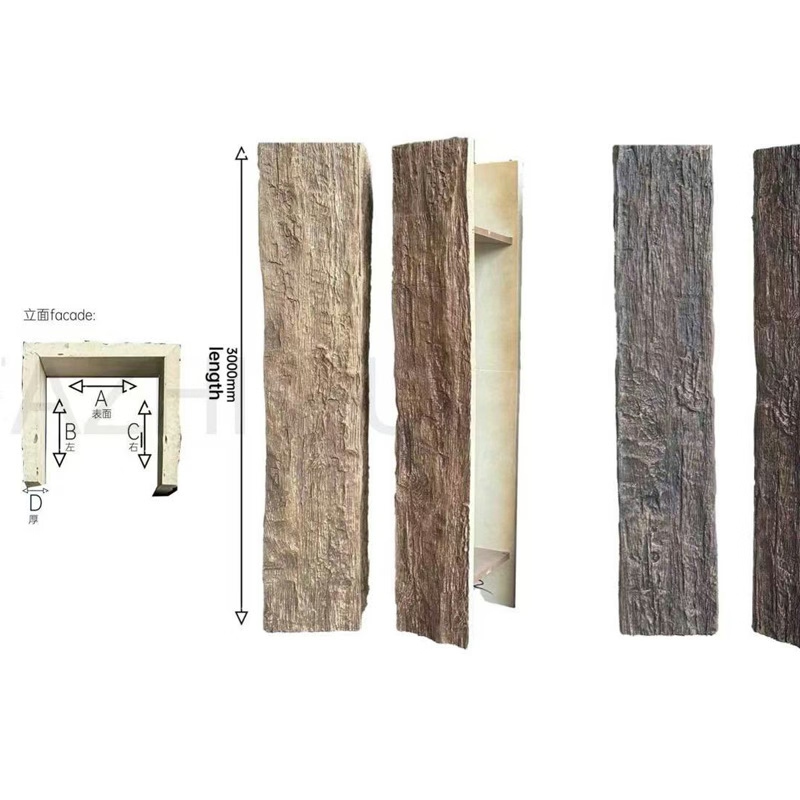
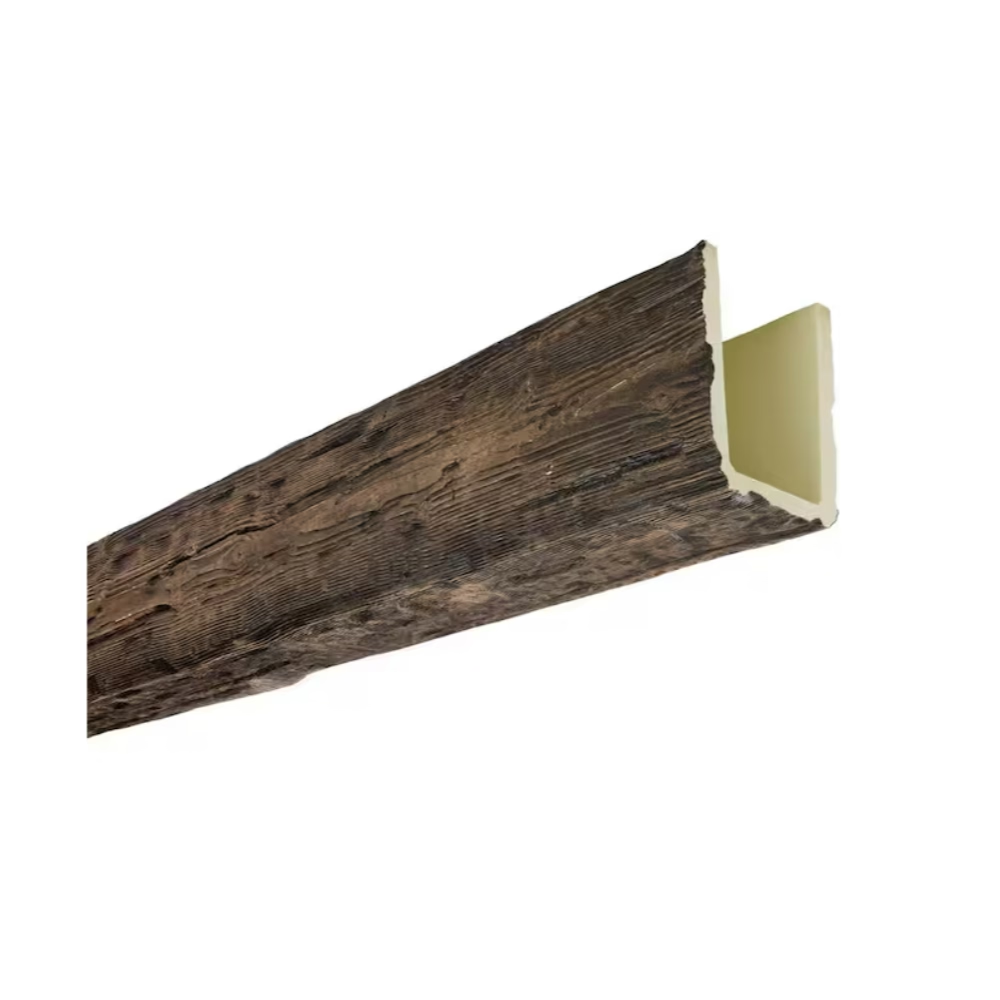
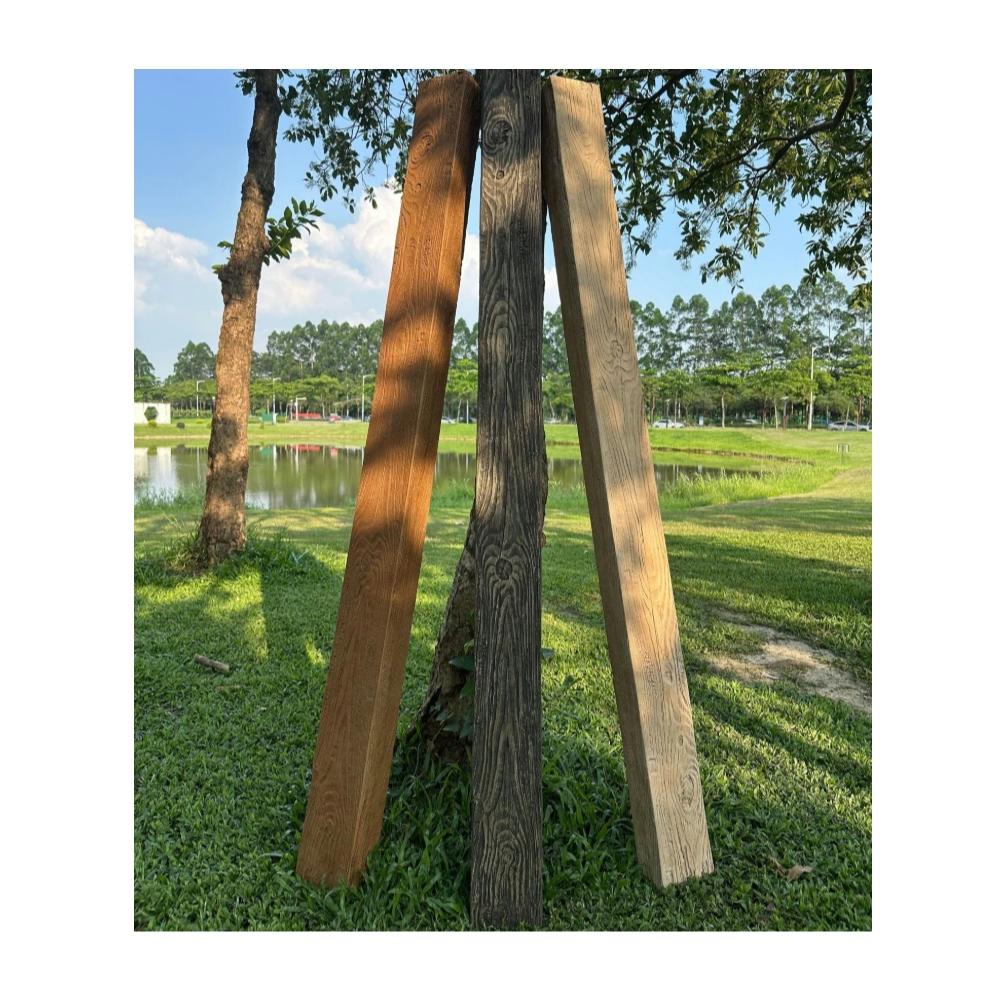
When Sarah Chen renovated her 1980s suburban home, she faced a common dilemma shared by countless homeowners: how to add architectural character to flat, uninspiring ceilings without committing to the structural complications of real timber. Her solution came in the form of imitation wood beams that convincingly mimicked century-old oak, complete with subtle grain patterns and weathered character marks that told a story of imagined decades past.
This scenario plays out repeatedly across modern homes where homeowners seek to inject warmth and visual interest into spaces that might otherwise feel clinical or builder-basic. The appeal of wooden ceiling beams extends far beyond mere aesthetics—these architectural elements create a sense of established permanence, grounding rooms with a visual weight that speaks to craftsmanship and intentional design choices.
Understanding the Composition of Quality Imitation Wood Beams
Modern imitation wood beams differ dramatically from the hollow papier-mâché decorations that decorated 1970s dens and basements. Today's premium reproductions utilize high-density polyurethane formulations that capture the subtle surface variations found in natural timber. Manufacturers achieve remarkable realism through advanced molding processes that capture every knot, grain line, and weathering pattern from authentic wood samples.
The material science behind these beams involves carefully calibrated density formulations that allow for deep texture reproduction while maintaining structural integrity. Unlike genuine timber, these synthetic alternatives resist the moisture absorption that leads to warping, cracking, and insect damage in natural wood installations. A beam installed in a bathroom or above a frequently-used fireplace will maintain its dimensions and appearance indefinitely, eliminating the seasonal expansion and contraction cycles that plague authentic wood.
Weight considerations prove equally significant. A genuine eight-foot Douglas fir beam might weigh sixty pounds or more, requiring substantial structural support and professional installation involving specialized equipment. The same dimensional appearance in polyurethane might weigh under fifteen pounds, allowing a single person to maneuver and install the piece during an afternoon project. This weight differential also reduces stress on ceiling structures, particularly valuable in older homes where rafters may have settled or weakened over decades.
Design Applications Across Residential Spaces
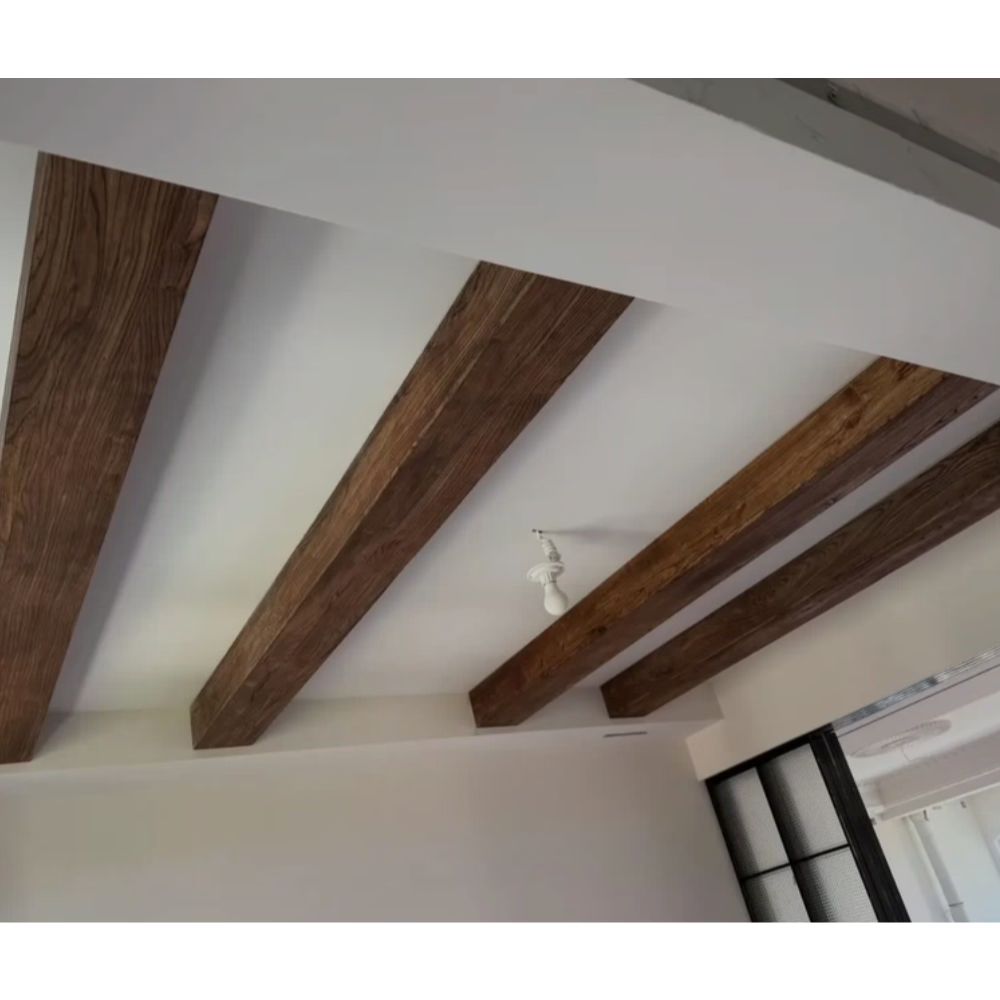
The living room remains the most popular location for imitation wood beam installations, where they serve both aesthetic and functional purposes. Exposed beam ceiling designs create natural visual zones within open floor plans, defining seating areas without resorting to walls or other dividers. A arrangement of parallel beams across a vaulted ceiling draws the eye upward, emphasizing ceiling height while introducing textural contrast against smooth drywall surfaces.
Bedroom installations offer different advantages, creating cocooning warmth that promotes relaxation and rest. Cross-beam configurations above the bed establish a canopy effect without the fabric and framework required by traditional four-poster designs. The visual weight above the sleeping area provides psychological comfort, a phenomenon that architects and designers have leveraged for centuries in applications ranging from medieval great halls to contemporary hotel suites.
Kitchens present unique challenges due to grease, moisture, and temperature fluctuations, yet imitation wood beams handle these conditions admirably. Unlike genuine timber, polyurethane surfaces clean easily with standard household cleaners, resisting the staining and odor absorption that would affect natural wood in cooking environments. Installation above kitchen islands or along dining areas introduces rustic charm without the fire hazard concerns associated with untreated wood near cooking surfaces.
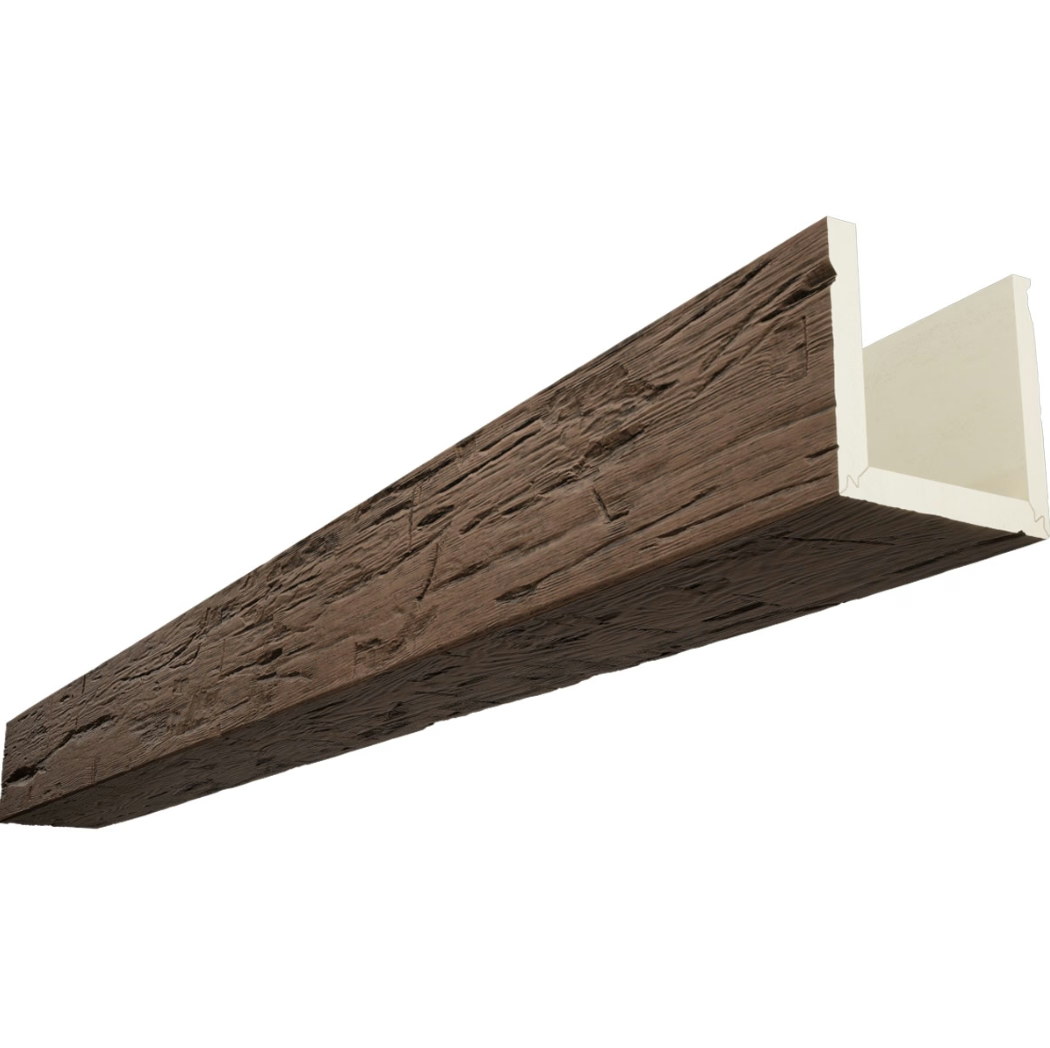
Installation Techniques and Considerations
Successful beam installation begins with careful measurement and planning. Professional installers recommend mapping ceiling layouts on paper before beginning, accounting for light fixtures, ceiling fans, and ventilation grilles that might conflict with beam placement. The goal involves creating arrangements that appear organic and intentional rather than arbitrary or formulaic.
Structural mounting methods vary based on ceiling composition and beam size. Wooden ceiling joists accept lag bolts directly, providing rock-solid support for even heavy decorative beams. Suspended ceiling systems require specialized mounting brackets that distribute weight across the metal grid framework. In some cases, adhesive mounting using construction-grade adhesive plus mechanical fasteners provides sufficient hold for lighter beam applications.
The finishing touches transform acceptable installations into exceptional ones. Proper caulking where beams meet ceiling surfaces eliminates visible gaps that would compromise the illusion of structural authenticity. For painted beam applications, slight distressing around edges and corners creates the patina expected from aged timber, preventing the too-perfect appearance that marks reproductions as imitations.
Maintenance and Long-Term Care
One of the most compelling advantages of polyurethane imitation beams involves their minimal maintenance requirements. Unlike genuine timber that demands periodic sealing, staining, or painting to maintain appearance and prevent deterioration, synthetic alternatives retain their factory-fresh appearance with basic cleaning. An occasional dusting or wipe-down with a damp cloth maintains the beams' beauty indefinitely.
Moisture resistance proves particularly valuable in basements and crawl spaces where genuine wood would eventually succumb to rot or mold. Homeowners who previously avoided wooden beam aesthetics in these spaces due to practical concerns discover that quality reproductions provide the desired visual effect without the associated headaches. The material resists biological growth, remaining sanitary and attractive even in less-ventilated areas.
Temperature resilience ensures that beams near heat sources—wood stoves, kitchen ranges, or expansive windows—maintain their dimensions and appearance. Authentic timber near heat sources often cracks, splits, or warps as the wood releases moisture unevenly. Polyurethane formulations designed for these applications resist thermal stress, preserving the illusion of solid construction through countless heating and cooling cycles.
Cost Considerations and Value Analysis
Budget planning for beam installations requires understanding the complete cost picture beyond the beams themselves. Mounting hardware, finishing materials, and potential electrical modifications for fixture repositioning add to project expenses. Professional installation, while sometimes unnecessary for experienced DIYers, represents another cost variable that varies based on project complexity and local labor rates.
The installed cost of quality imitation wood beams typically ranges sixty to eighty percent below comparable genuine timber installations. Beyond the material cost differential, savings accumulate through reduced installation labor due to lighter weight, eliminated need for structural reinforcement, and absence of specialized finishing materials and labor. For complete ceiling beam packages in average-sized rooms, total savings often reach into hundreds or even thousands of dollars compared to authentic timber alternatives.
Long-term value considerations favor imitation options even more decisively. Genuine wood requires ongoing maintenance expenses—re-sealing every few years, occasional repairs for splits or rot, potential replacement of damaged sections. Quality polyurethane installations, properly mounted, essentially never require maintenance or replacement, representing a one-time investment that delivers permanent aesthetic returns.
Making the Right Choice for Your Home
Selecting imitation wood beams for residential ceiling decoration involves balancing aesthetic goals with practical realities. The best results emerge from careful attention to scale, proportion, and placement rather than simply covering available ceiling space. A few strategically placed beams often create more visual impact than ceiling-to-ceiling coverage that overwhelms rather than enhances.
Quality matters significantly in this product category. The difference between premium reproductions and budget alternatives often proves visible from across a room, affecting the overall perception of your home's craftsmanship level. Investing in quality products from established manufacturers ensures realistic appearance, proper fit, and lasting satisfaction with your ceiling transformation project.
Technical References
ASTM standards cited in every specification
Test Data
Lab results from internal testing program
Updated 2026
Reviewed against current product specs