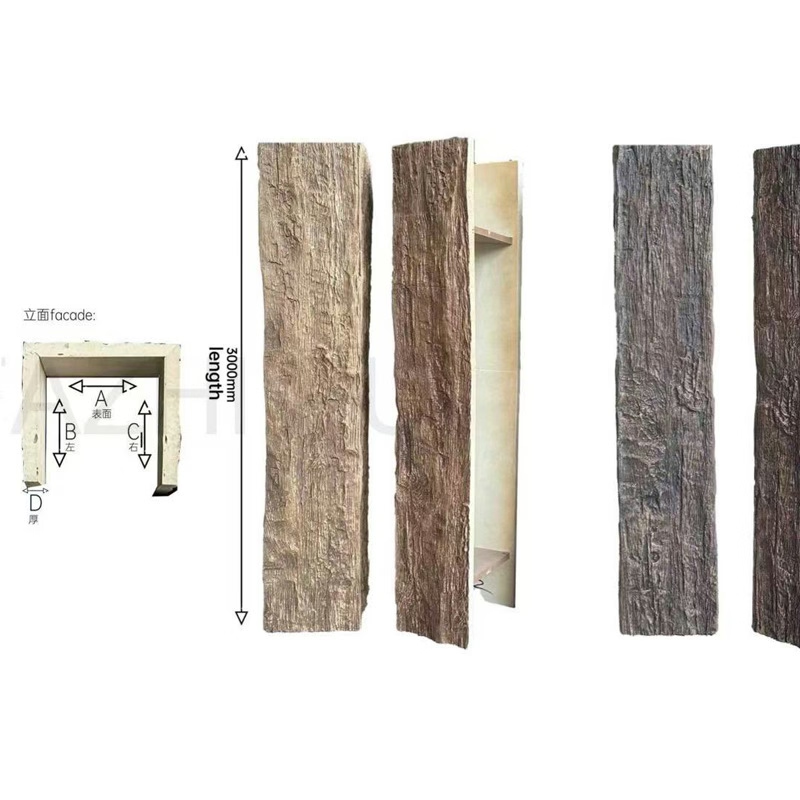
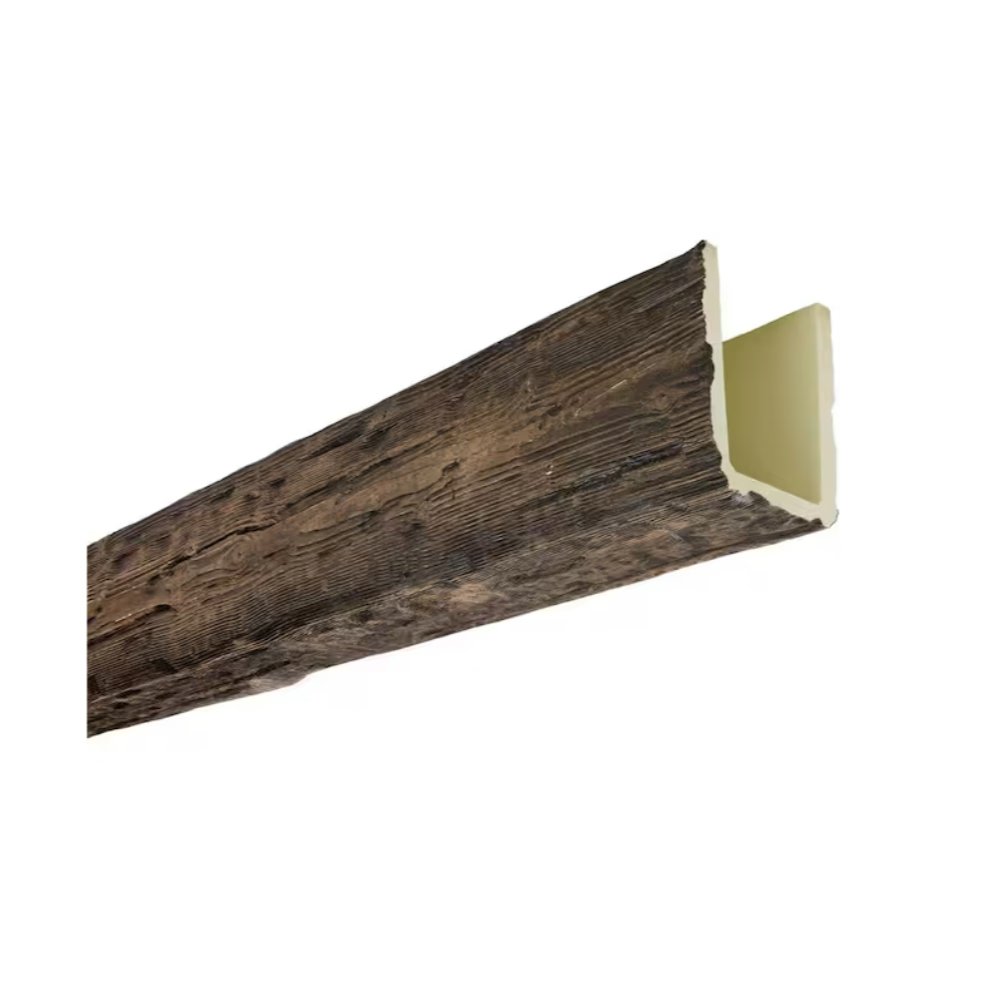
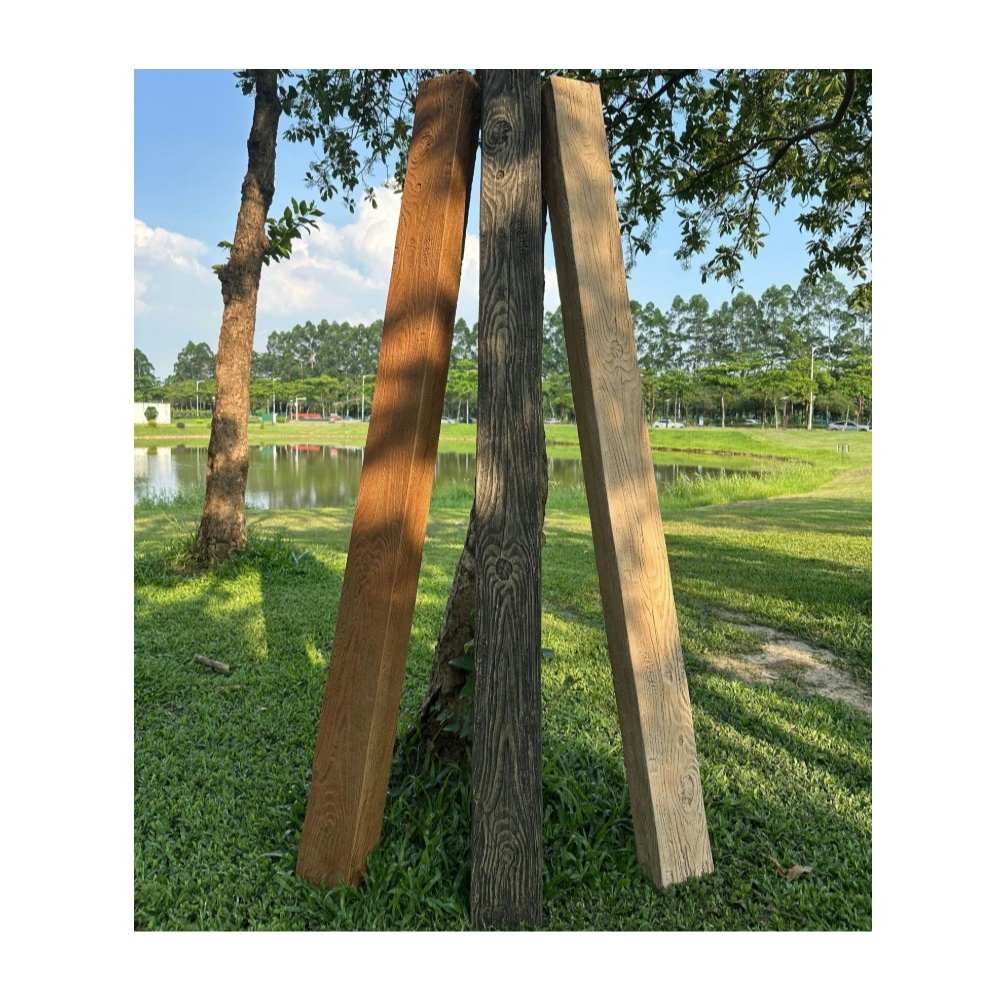
Maple occupies a distinctive niche in the wood species hierarchy, prized for its subtle beauty and warm character rather than dramatic grain patterns or bold coloring. The wood's gentle figure, ranging from nearly invisible in straight-grained samples to the rippled patterns of birdseye maple, creates understated elegance that enhances rather than dominates interior spaces. For homeowners seeking maple's refined aesthetics, modern polyurethane reproductions deliver the authentic look without demanding the careful maintenance that genuine maple requires.
The appeal of maple in interior design stems partly from its versatility. The wood's light base and warm undertones complement diverse color schemes, from neutral grays and whites to richer earth tones and even certain blues and greens. Unlike darker woods that can overwhelm modest spaces, maple's inherent lightness allows it to add warmth without visual weight, making it particularly suitable for smaller rooms or spaces with limited natural light.
Understanding Maple's Visual Characteristics
Genuine maple presents specific visual qualities that distinguish it from other light woods. Hard maple, also known as sugar maple, features a fine, consistent grain that runs relatively straight through most samples. The wood's color ranges from nearly white in the sapwood to light reddish-brown in the heartwood, with subtle natural variation across individual pieces. This subtlety that makes maple distinctive also creates reproduction challenges, as the absence of dramatic features means any inaccuracies become immediately apparent.
The grain figure in maple takes several distinct forms. Plain-sawn maple displays the familiar cathedral grain patterns found in most wood species, though with reduced prominence. Quarter-sawn samples reveal the distinctive flake patterns created by ray cells intersecting the growth rings at perpendicular angles. Birdseye maple, a relatively rare figure caused by small knots or indentations, produces one of wood's most distinctive appearances, though this figure commands premium pricing in genuine timber.
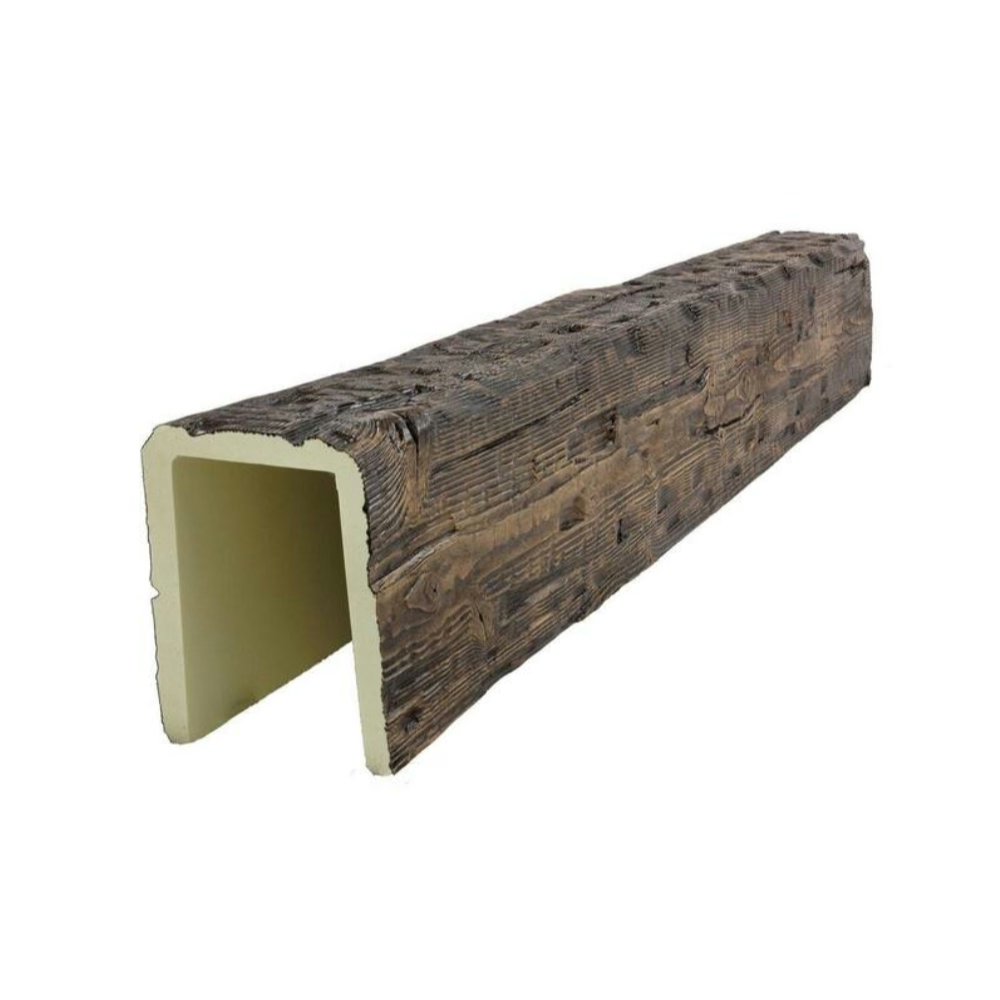
Texture reproduction in maple-look beams requires attention to these subtle variations. Quality reproductions include grain patterns appropriate to the target figure style, with texture depth and character varying accordingly. The surface should feel smooth to the touch while exhibiting the visual texture that prevents a plasticky appearance under direct lighting.
Design Applications Featuring Maple Beams
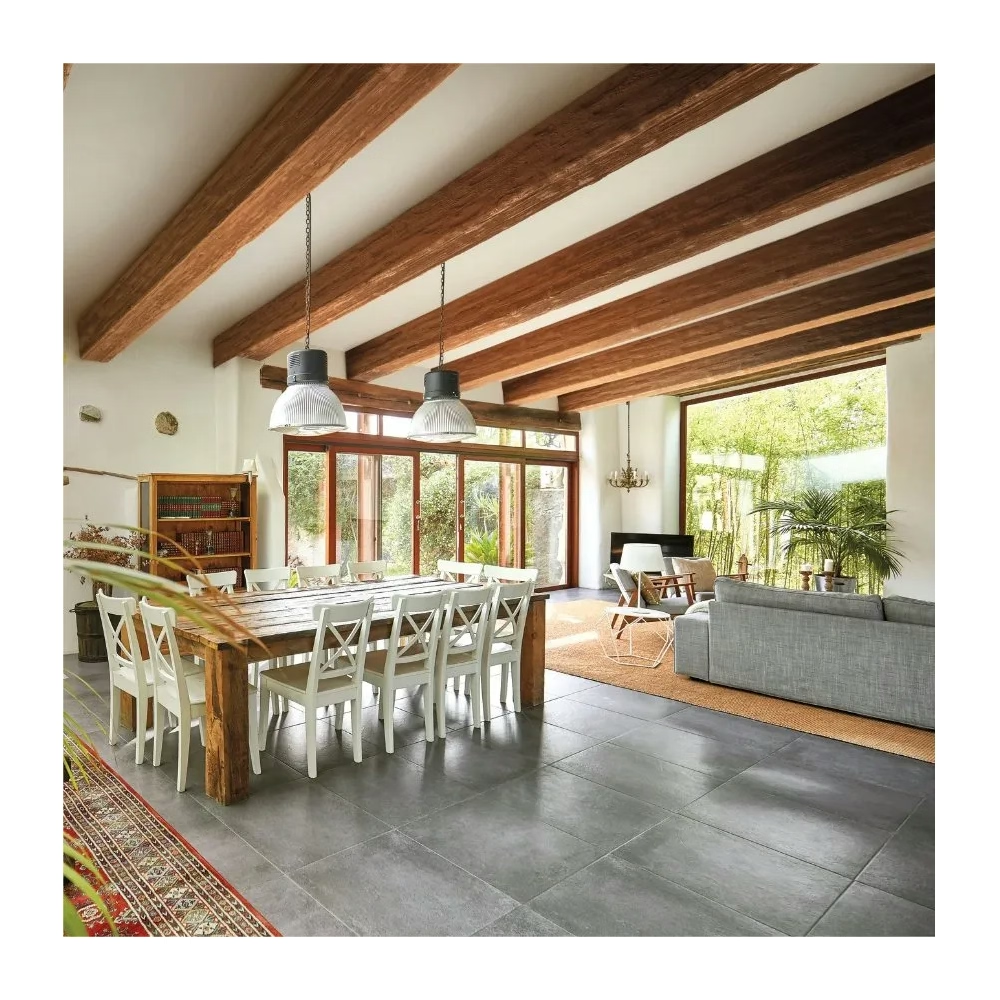
The light, airy quality of maple-look beams makes them particularly effective in contemporary interiors seeking warmth without heaviness. Modern design often emphasizes clean lines, neutral colors, and abundant natural light; maple beams complement these characteristics by adding organic texture without disrupting the overall visual lightness. A white or light gray room gains warmth and visual interest through maple beam accents while maintaining its contemporary character.
Coastal and beach-inspired interiors pair naturally with maple aesthetics. The wood's light tones echo the sand and sea influences common in these design approaches, while its organic texture provides contrast against smooth plaster walls and clean tile surfaces. Maple beams in these applications often receive slightly bleached or weathered finishes that enhance the relaxed, natural feeling appropriate to the style.
Traditional interiors also accommodate maple beams effectively, particularly in dining rooms, studies, and formal living spaces. The wood's classic character suitsPeriod-appropriate furniture and architectural details, while the warmth of maple prevents these spaces from feeling cold or austere. Cross-beam ceiling arrangements or fireplace mantle beams in maple tones create focal points that complement rather than compete with antique furnishings and family heirlooms.
Finish Options for Maple-Appearance Beams
The finish applied to maple-look beams significantly impacts their visual effect and appropriateness for specific design contexts. Natural maple finishes display the wood's characteristic honey tones, emphasizing warmth and organic beauty. These finishes work best in spaces seeking approachable elegance rather than dramatic statements, allowing the beams to contribute quietly to overall design harmony.
Bleached or limed finishes create more dramatic appearances, dramatically lightening the base color while adding textural interest through pigment accumulation in grain valleys. These finishes suit contemporary and minimalist interiors where the beams' architectural contribution matters more than wood authenticity. The treatment also adds visual interest to what might otherwise appear as simply painted surfaces.
Warm stain finishes add depth and richness to maple-look beams, moving the appearance toward honey and amber tones that emphasize the wood's inherent warmth. These intermediate options bridge contemporary and traditional design contexts, providing enough visual interest for modern spaces while maintaining the classic character appropriate to period interiors. Stain selection should consider existing room colors to ensure appropriate tonal relationships.
Installation Considerations for Maple Beams
Mounting approaches for maple-look beams follow standard practices for polyurethane faux products while accounting for the lighter appearance typical of maple styles. Unlike dark wood beams that create strong visual weight, maple beams require more deliberate placement to achieve visible presence. This often means positioning beams in locations where lighting emphasizes their texture and dimension, or selecting slightly larger profiles than might be chosen for darker wood alternatives.
Finish coordination between beams and surrounding woodwork requires attention in maple applications. Trim, cabinetry, and flooring in the same space ideally share tonal relationships that prevent jarring contrasts. The goal involves creating visual harmony where maple beam accents enhance rather than compete with other wood elements in the room.
Spacing decisions for parallel beam installations should consider the lighter visual weight of maple compared to denser woods. Tighter spacing creates more substantial presence, while wider spacing emphasizes individual beam character. The specific spacing appropriate to each installation depends on ceiling dimensions, beam profile, and overall design objectives.
Maintenance Advantages of Synthetic Maple
Genuine maple's maintenance requirements extend beyond typical wood care due to the wood's relatively soft surface. The material dents and mars more easily than harder woods, requiring careful attention to avoid damage from furniture movement, pet claws, or accidental impacts. These vulnerabilities prove particularly problematic for ceiling installations where occasional contact occurs during maintenance activities or seasonal decorating.
Polyurethane maple reproductions eliminate these concerns entirely. The material's surface hardness exceeds natural maple's while maintaining realistic appearance and texture. Ceiling-mounted beams can be cleaned, bulbs changed, and decorations installed without the careful handling that genuine maple would require. This practical advantage proves significant for families with active lifestyles and for commercial applications with ongoing maintenance needs.
The light coloring of maple, while beautiful, also shows dirt and discoloration more readily than darker woods. Natural maple in kitchen or dining applications might require more frequent cleaning to maintain its characteristic brightness. Polyurethane beams clean easily with standard household products, maintaining their appearance through years of use without the gradual discoloration that affects natural maple in challenging environments.
Budget-Friendly Maple Aesthetics
The cost premium commanded by genuine maple timber creates significant barriers to its use in many applications. Specialty species and figure varieties command dramatic price increases, while even common maple grades cost substantially more than synthetic alternatives. For projects seeking maple aesthetics within realistic budgets, polyurethane reproductions provide compelling value.
Beyond initial material costs, the lifetime cost picture favors synthetic products even more decisively. Natural maple requires ongoing maintenance investment to maintain its appearance, including periodic refinishing to address wear and discoloration. These costs, accumulated over decades of ownership, typically exceed the original material cost premium. Polyurethane beams require no such investment, representing one-time expenses that deliver permanent aesthetic returns.
The accessibility of maple aesthetics through synthetic materials enables design approaches that might otherwise prove impractical. Large installations that would require substantial genuine maple investment become financially feasible when using quality reproductions. This expanded possibility encourages bolder design choices, potentially resulting in more satisfying and impactful interior transformations than conservative material selections might achieve.
Technical References
ASTM standards cited in every specification
Test Data
Lab results from internal testing program
Updated 2026
Reviewed against current product specs