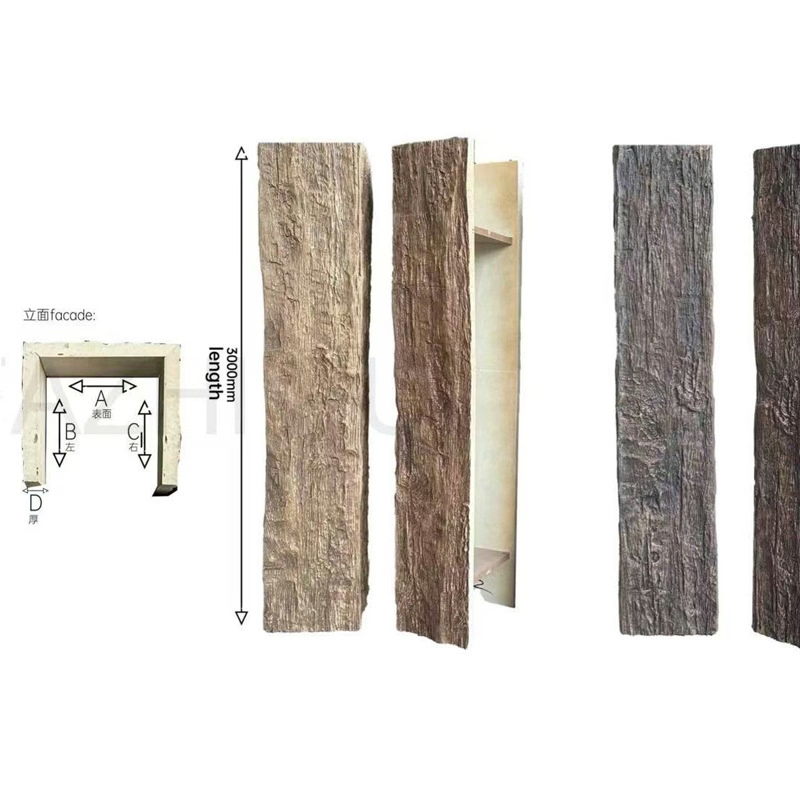
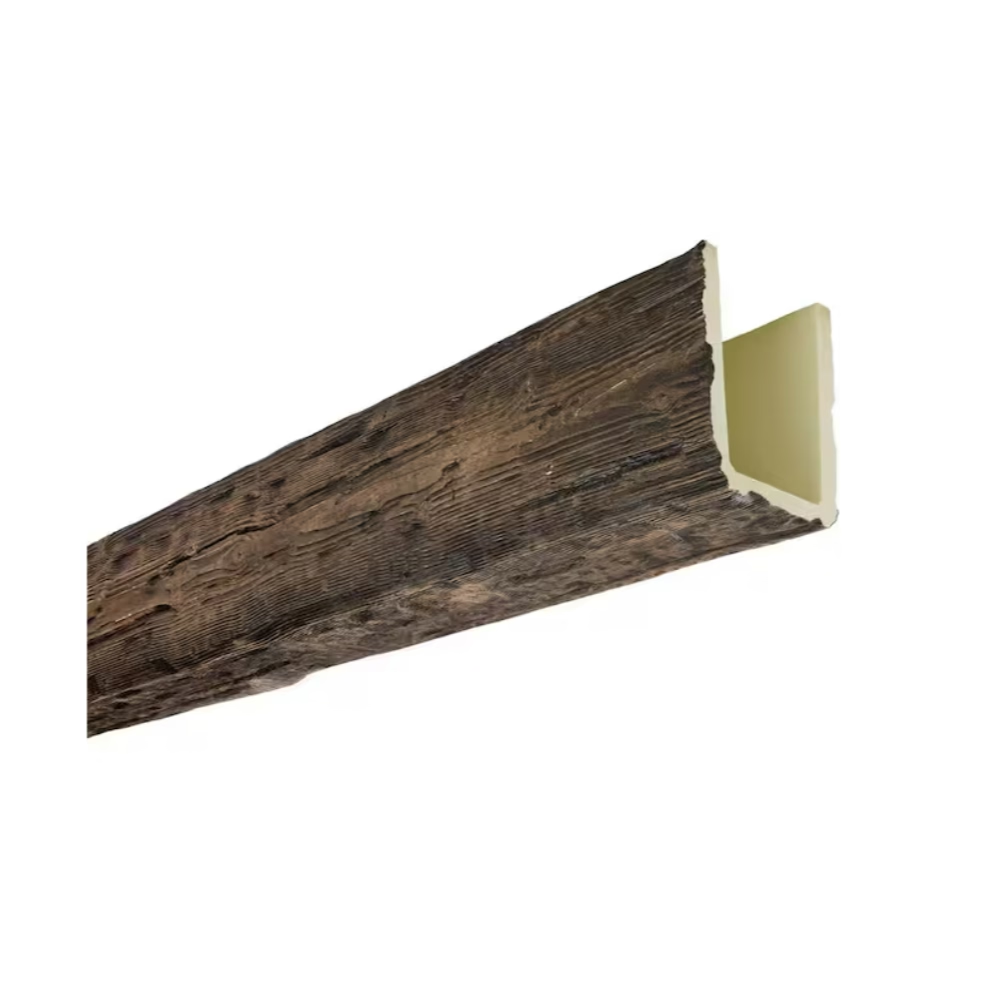
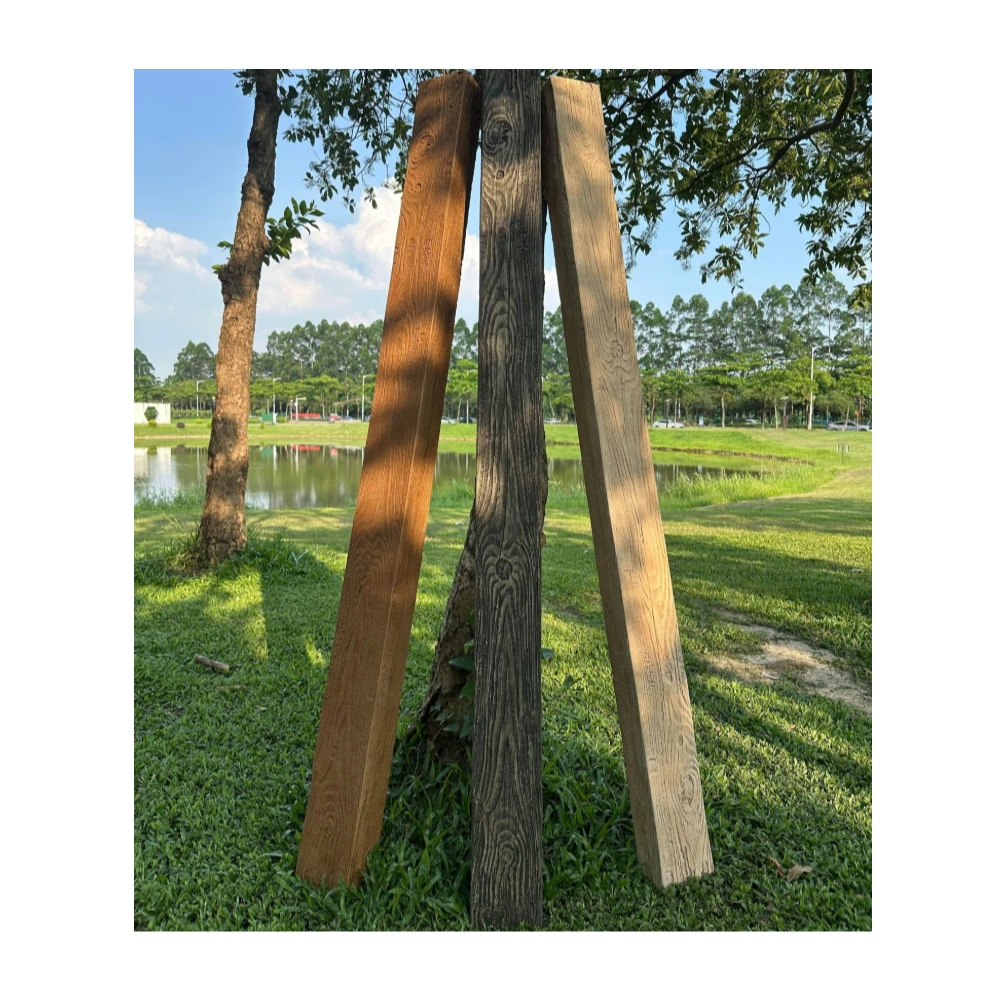
Oak has occupied a position of prominence in furniture and architectural design for centuries, prized for its combination of durability, workability, and distinctive beauty. The wood's prominent grain pattern and warm color spectrum have defined traditional interior aesthetics across multiple eras and styles, from medieval great halls to contemporary interpretations of classic design. This enduring appeal makes oak a natural choice for homeowners and designers seeking timeless interior elements.
The practical realities of oak in architectural applications, however, present challenges that have driven the development of quality synthetic alternatives. Solid oak beams require substantial structural support, demand careful maintenance to prevent checking and cracking, and command premium pricing for timber of sufficient quality. These constraints have historically limited oak beam installations to projects with generous budgets and maintenance capabilities.
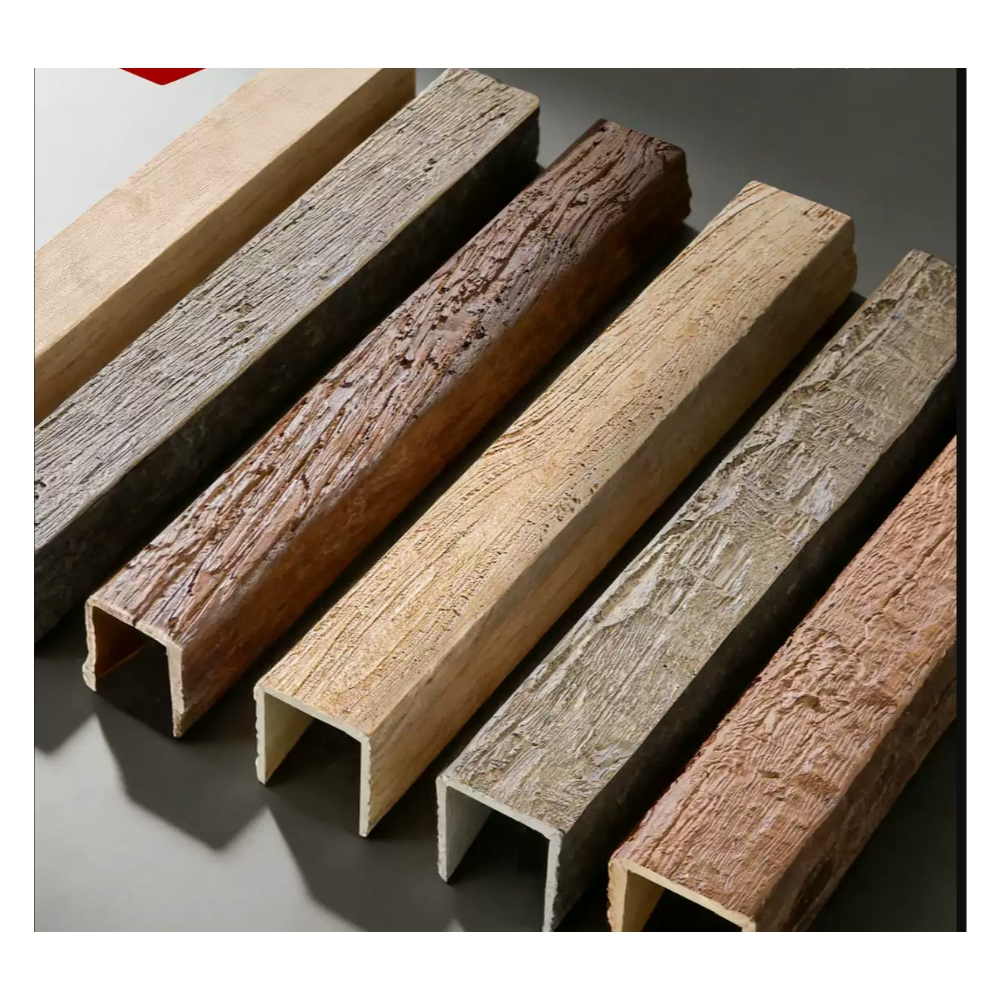
Modern polyurethane technology addresses these practical concerns directly, producing oak-look beams that deliver the species' characteristic beauty while eliminating the associated challenges. The result enables classic oak aesthetics in applications previously impractical due to structural, maintenance, or budgetary constraints.
Oak's Enduring Design Appeal
The visual characteristics that have made oak a design favorite for centuries include its distinctive grain pattern, warm color palette, and excellent workability that allows both refined and rustic treatments. White oak features grayish-brown to olive-brown coloring with an attractive silvery cast, while red oak displays warmer reddish-brown tones ranging from pinkish tan to deeper russet. Both species exhibit the pronounced grain that makes oak immediately recognizable.
The grain pattern itself varies with cutting orientation, offering multiple aesthetic options from a single species. Plain-sawn white oak produces the familiar cathedral grain pattern with broad, sweeping arches. Quarter-sawn stock reveals the distinctive flake or "tiger stripe" pattern created by ray cells intersecting growth rings at perpendicular angles. This figure appears almost luminous in certain light conditions, adding visual interest that changes with viewing angle.
Beyond basic grain patterns, oak accepts finishes readily, allowing appearance customization from natural clear coats through darker stains and even painted treatments. This finishing versatility has contributed to oak's adaptability across design periods, enabling the same species to suit Colonial, Craftsman, Mid-Century Modern, and contemporary interiors through appropriate finish selection.
Manufacturing Authentic Oak Grain
Creating convincing oak grain reproduction requires understanding the species' specific characteristics at multiple scales. The pronounced earlywood-to-latewood transitions that define oak's bold grain pattern create significant surface variation requiring careful texture reproduction. Shallow texturing produces appearance that reads as painted rather than wood-grained, failing to satisfy close inspection.
Quality manufacturing processes begin with careful examination of premium oak samples displaying the grain characteristics most worth reproducing. These samples provide the reference material for mold creation, with each distinctive figure pattern captured in sufficient detail for convincing reproduction. The resulting molds must maintain this detail through thousands of production cycles without degradation.
The polyurethane formulation affects texture reproduction quality directly. Material flow during molding must reach fine surface details without leaving seam lines or voids. Density must allow for sharp-edged grain lines without fragility that would cause damage during handling. These sometimes competing requirements demand careful formulation and quality control during production.
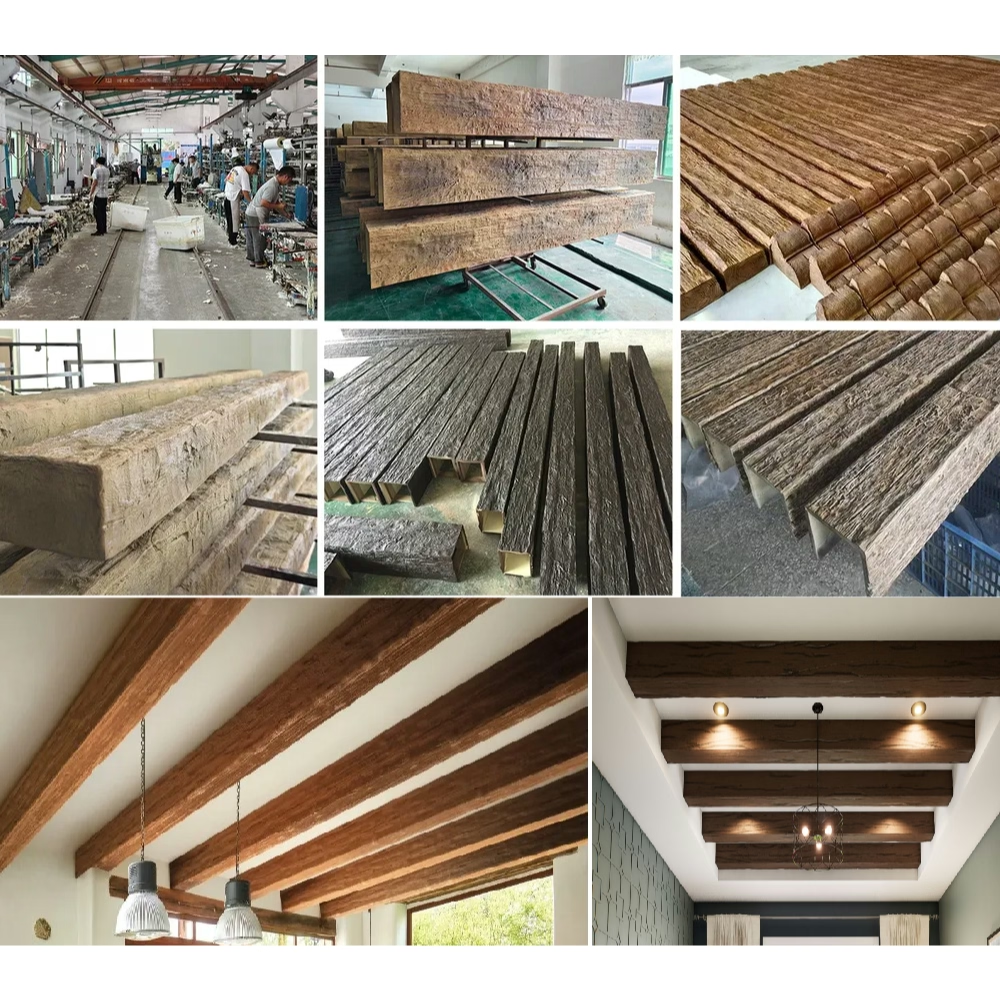
Color Reproduction for Oak Authenticity
Oak's warm color palette requires careful reproduction to achieve convincing results. The specific hues vary between species and individual specimens, with white oak generally cooler and more gray-toned while red oak runs warmer with pinkish or reddish undertones. Quality reproductions offer multiple color options matching these variations.
Finish application affects both appearance and authenticity. Surface finishes that appear too uniform or too glossy suggest manufactured rather than natural materials. Oak-look beams benefit from subtle color variation within individual pieces, mimicking the natural tonal shifts found in genuine timber. The finish should also include slight textural variation that affects light reflection, creating the subtle shimmer of authentic wood under changing illumination.
Aging behavior differs between natural and synthetic materials, requiring consideration during appearance design. Natural oak gradually darkens with UV exposure, developing the rich amber tones found in antique furniture. Some installers appreciate this evolution; others prefer consistent appearance over time. Polyurethane beams can be manufactured to display either fresh-cut or aged appearance, with the choice depending on design objectives and client preferences.
Classic Styling Applications
The classic styling appropriate to oak beams spans multiple interior design approaches. Traditional interiors featuring period-appropriate furniture and architectural details benefit from oak beam installations that reinforce established character. The wood's historic associations create continuity with design elements spanning generations of furnishing and renovation.
Transitional spaces seeking to bridge traditional and contemporary aesthetics often employ oak beams as grounding elements. The wood's organic warmth balances modern materials and clean lines, creating spaces that feel inviting rather than stark. This bridging capability makes oak beams versatile tools for designers working across style boundaries.
Contemporary interiors can incorporate oak beams as textural counterpoints to otherwise minimal environments. The wood's inherent character provides visual interest without introducing color or pattern that might conflict with contemporary color schemes. In these applications, beam selection often favors simpler profiles and more refined finishes that complement rather than compete with surrounding modern elements.
Scale Considerations for Oak Beams
Oak beam dimensions should relate appropriately to the spaces they occupy, with larger rooms typically accommodating larger beams and vice versa. The pronounced grain that makes oak distinctive can overwhelm modest spaces when beam profiles are too substantial. Conversely, small-scale beams in large rooms may disappear visually, failing to justify the installation expense.
Ceiling height provides a useful reference point for dimension selection. Generally, beam depth should relate proportionally to ceiling height, with taller ceilings supporting deeper beams. Width typically follows as a ratio to depth, with the specific relationship depending on the desired visual effect and specific beam profile characteristics.
Spacing between parallel beams affects both visual impact and perceived room proportions. Tighter spacing creates more substantial ceiling presence, appropriate when beams should dominate the visual field. Wider spacing emphasizes individual beam character, better suited when beams should contribute texture without overwhelming other design elements.
Long-Term Value Comparison
Economic comparison between genuine oak and quality polyurethane reproductions requires lifecycle analysis rather than simple price comparison. Natural oak beams carry ongoing maintenance requirements including periodic refinishing to maintain appearance and prevent deterioration. These costs accumulate over time, potentially exceeding initial material savings from choosing genuine timber.
The maintenance demands of genuine oak prove particularly challenging for ceiling installations. Access requirements for cleaning, inspection, and refinishing multiply with installation height and complexity. Specialized equipment may be required for multi-story applications or vaulted ceilings. Polyurethane beams eliminate these access concerns, maintaining appearance indefinitely without any maintenance intervention.
Replacement considerations also favor synthetic alternatives. Natural wood eventually requires replacement due to structural degradation, pest damage, or appearance deterioration. Quality polyurethane beams effectively last indefinitely under normal conditions, representing one-time investments that serve throughout structure lifetimes. This durability advantage proves particularly valuable in hard-to-access locations where replacement would prove expensive and disruptive.
Technical References
ASTM standards cited in every specification
Test Data
Lab results from internal testing program
Updated 2026
Reviewed against current product specs