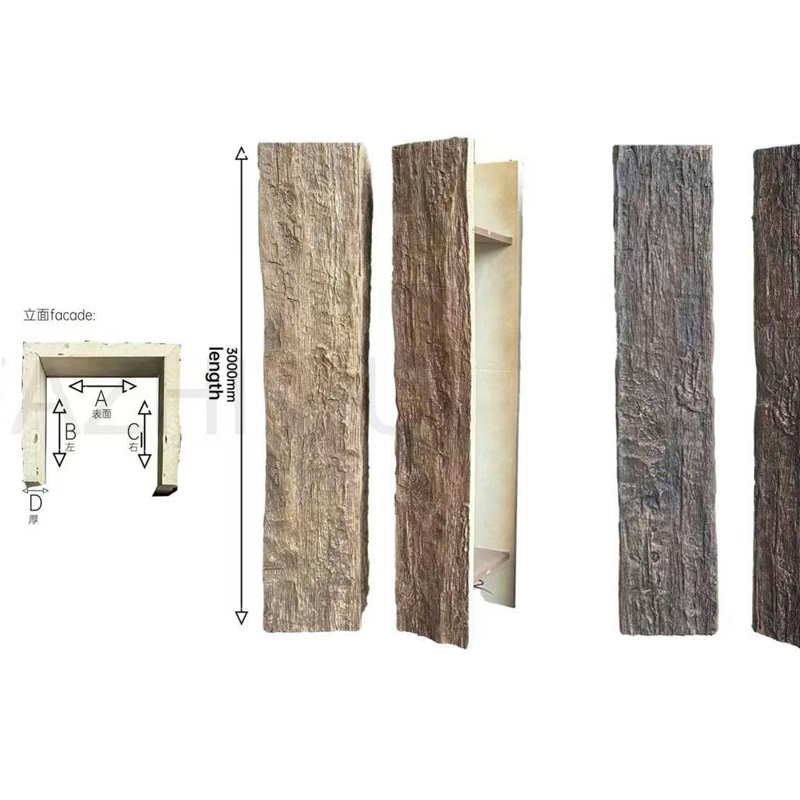
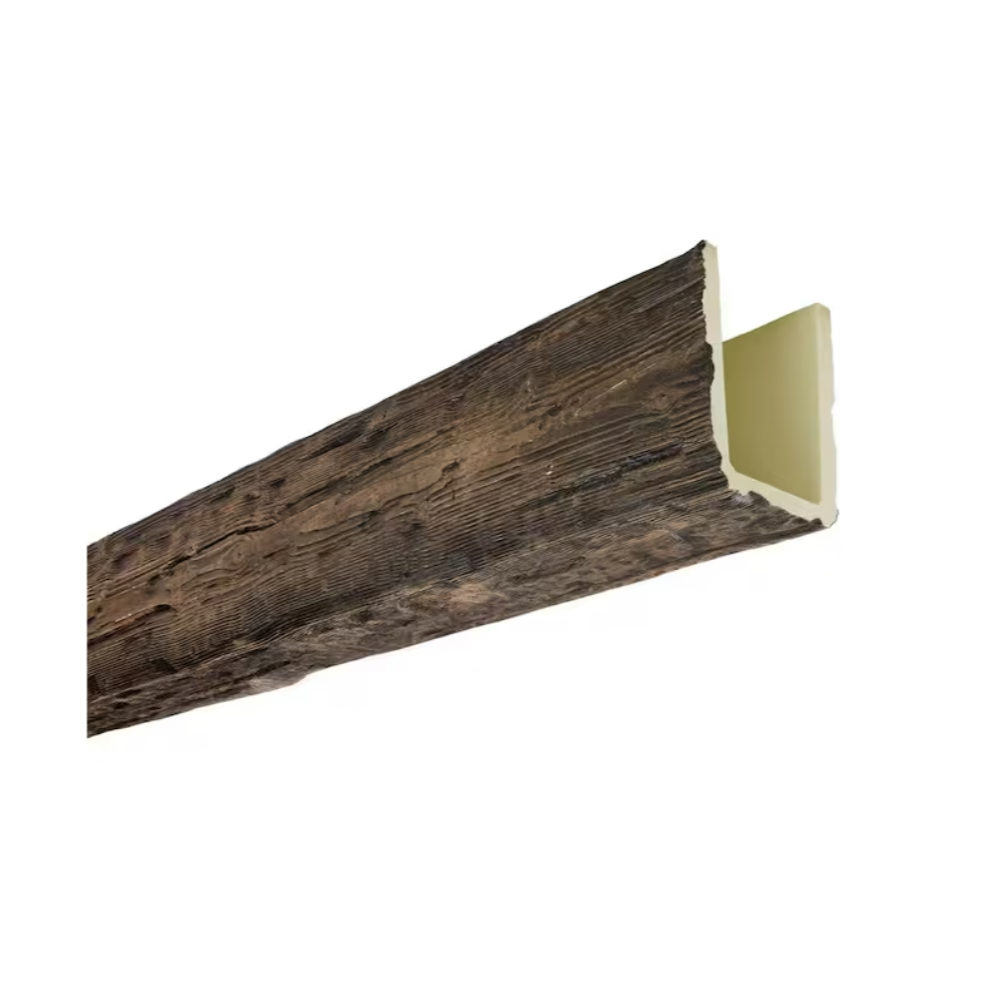
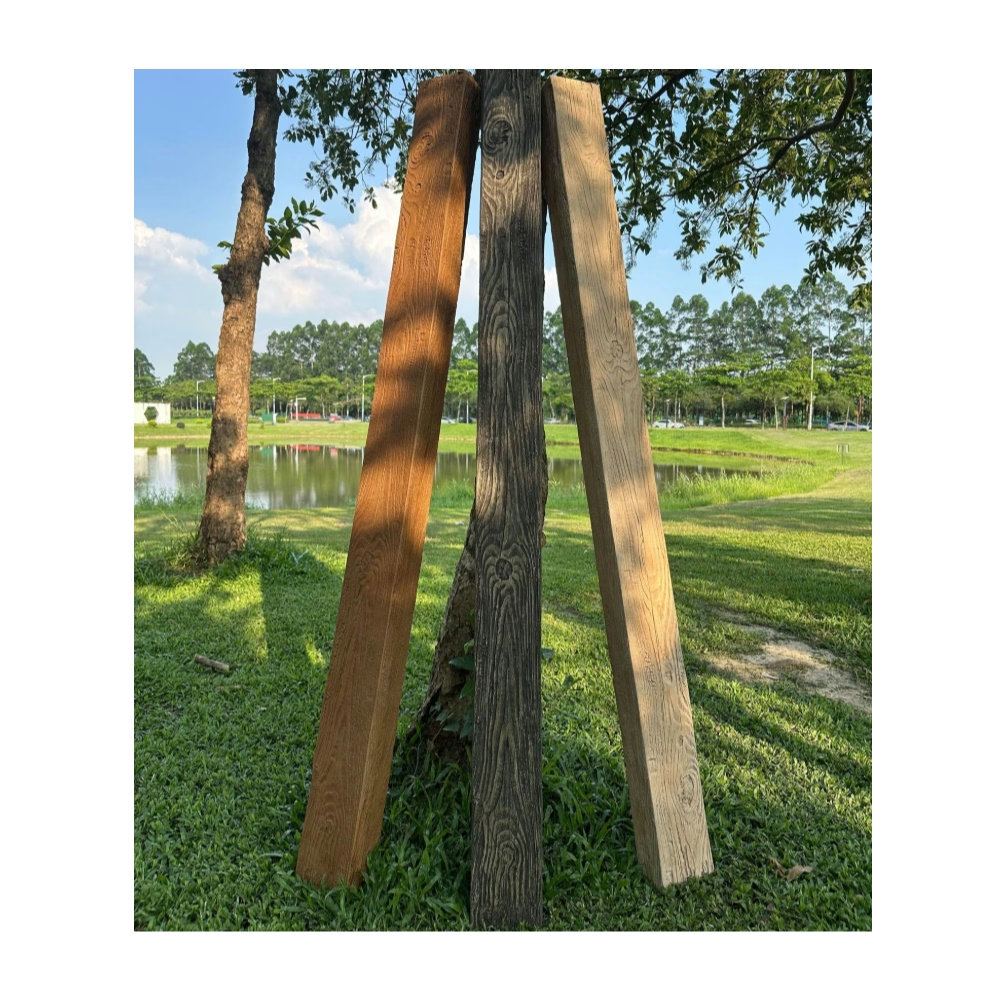
The desire to incorporate wood's warmth and character into home interiors represents a nearly universal design aspiration, yet the practical challenges of genuine timber have historically limited its use to projects with favorable structural conditions and maintenance capabilities. A new generation of polyurethane faux beams changes this equation fundamentally, making authentic wood aesthetics accessible to any homeowner regardless of structural constraints or maintenance preferences.
Oak, specifically, has served as a benchmark for classic interior styling across centuries of architectural development. Its distinctive grain, warm color palette, and association with quality craftsmanship make it a natural choice for homeowners seeking timeless design elements. By delivering oak's characteristic appearance without associated drawbacks, polyurethane reproductions enable classic styling approaches that would otherwise prove impractical.
The Evolution of Faux Wood Technology
Early synthetic wood imitations bore little resemblance to the materials they claimed to replicate. Hollow cardboard tubes painted to suggest timber, lightweight foams with smooth plastic surfaces, and molded plastics with obviously artificial appearance characterized the field for decades. These products failed to satisfy discerning homeowners and design professionals who could immediately identify their cheap imitations.
Advances in polyurethane formulation and molding technology have transformed what's possible in wood reproduction. Modern manufacturing processes capture wood's distinctive surface characteristics at resolutions approaching photographic quality. The material itself can be engineered for specific properties including density, flexibility, surface hardness, and UV resistance. Colorants integrate throughout the material rather than sitting on surfaces where they might wear away.
This technological evolution has produced products that genuinely challenge casual observation. Even design professionals sometimes cannot identify synthetic materials without close examination or testing. The transformation from obvious imitation to convincing reproduction has fundamentally changed how synthetic beams can be specified and installed.
Oak's Role in Classic Home Styling
Classic home styling encompasses design approaches spanning multiple historical periods, united by emphasis on traditional craftsmanship, quality materials, and enduring aesthetic principles. Oak has featured prominently in this design tradition, from the white oak paneling of English manors to the red oak furniture of American Colonial homes. This deep historical association gives oak-look elements automatic credibility in classic interiors.
The specific characteristics that make oak appropriate for classic styling include its warm but not flashy color palette, its pronounced but refined grain pattern, and its association with solid construction and quality craftsmanship. These qualities align with classic styling principles that value substance over trend and quality that endures rather than merely appears attractive briefly.
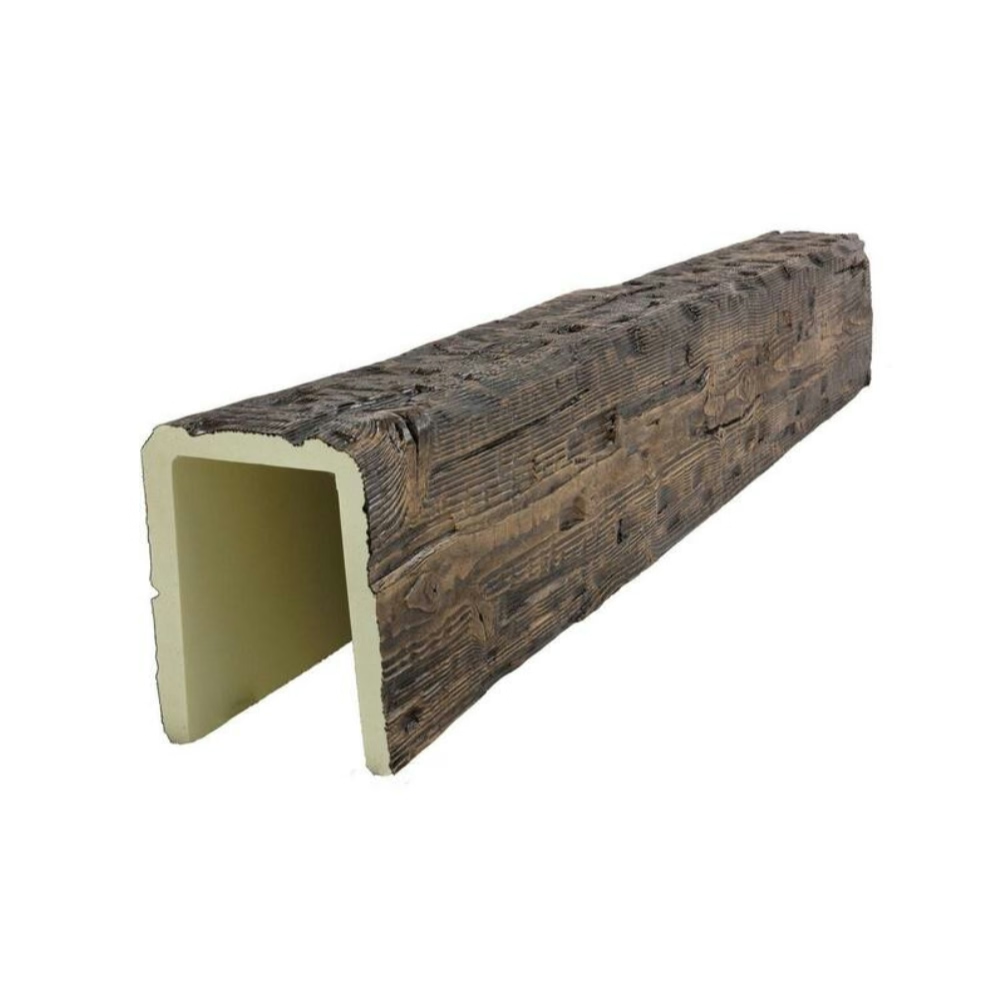
Oak-look beams contribute to classic interiors through multiple mechanisms. They add visual warmth that prevents spaces from feeling cold or austere. They introduce organic texture that contrasts with smooth wall surfaces and refined furniture. They establish vertical visual interest that draws the eye upward, emphasizing ceiling height while adding architectural character. These contributions reinforce the overall classic aesthetic without requiring other period elements.
Design Integration Strategies
Successful integration of oak-look beams into classic interiors requires attention to existing design elements and overall aesthetic goals. The beams should complement rather than compete with other wood elements in the space—furniture, flooring, trim work, and cabinetry. Color relationships between these elements significantly impact overall visual harmony.
Coordinate oak beam tones with existing wood furniture and finishes. If predominant wood tones lean toward honey and amber, select beams with similar warm coloration. Cooler gray-brown oak tones work better with woodwork featuring similar neutrality. The goal involves creating tonal relationships that feel intentional rather than accidental.
Proportion relationships between beams and room dimensions deserve careful consideration. Classic interiors typically feature architectural elements scaled appropriately to the spaces they occupy, with substantial rooms supporting substantial detailing and modest rooms requiring more restrained treatment. This proportionality creates the sense of appropriate design that distinguishes successful classic interiors from poorly scaled imitations.
Installation Approaches for Residential Applications
Residential beam installation presents fewer challenges for polyurethane products than for genuine timber. The lightweight nature of synthetic materials eliminates the structural considerations that affect authentic timber installations, allowing beams to be mounted directly to existing ceiling structures without assessment or reinforcement.
Standard installation involves adhesive bonding supplemented by mechanical fasteners at regular intervals. Construction-grade adhesive provides primary bonding while fasteners ensure immediate security during adhesive cure time. The specific fastener selection depends on ceiling construction, with appropriate options available for wood joists, metal studs, and concrete surfaces.
Professional installation services handle more complex situations including vaulted ceilings, irregular surfaces, and fixtures requiring relocation. These situations benefit from experienced installers who have encountered and solved similar challenges in previous projects. DIY installation remains practical for straightforward applications where homeowners possess basic home improvement skills.
Quality Indicators and Selection Guidance
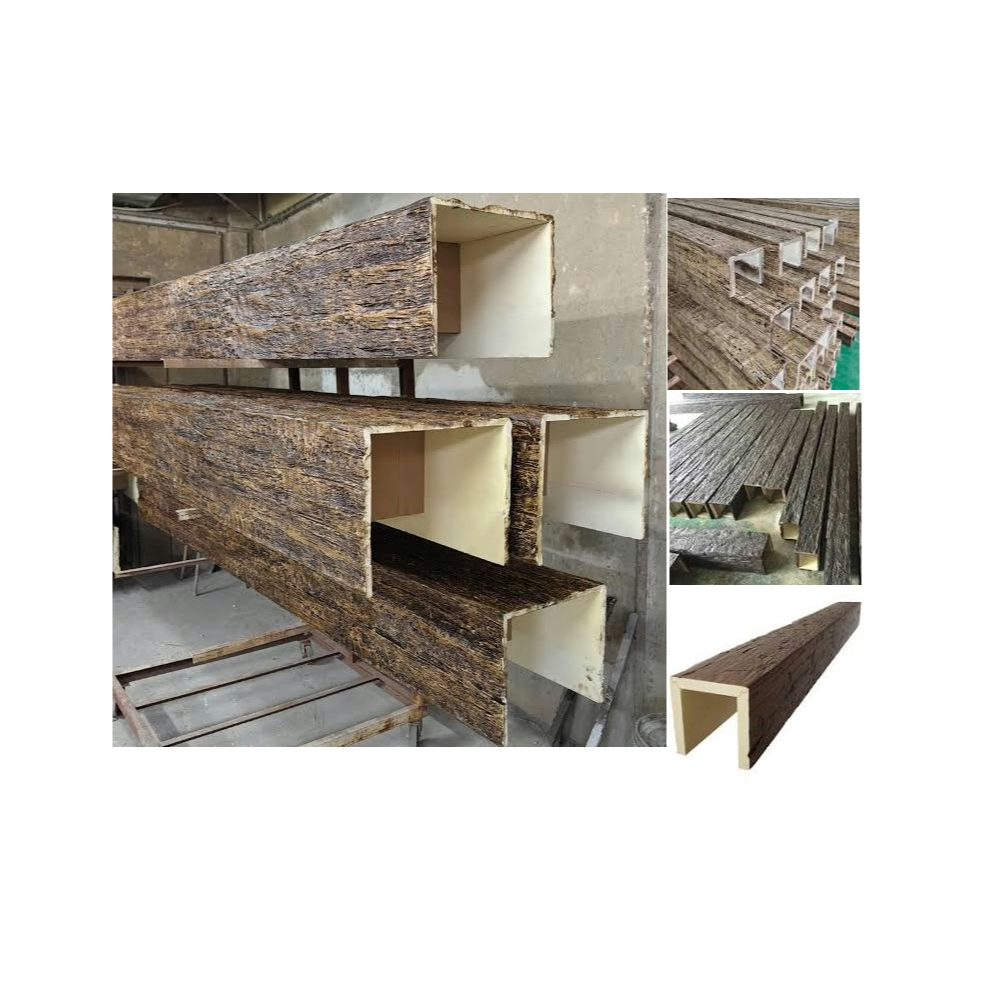
Distinguishing quality polyurethane beams from inferior alternatives requires attention to specific characteristics. Surface texture depth and consistency indicate manufacturing quality, with premium products displaying consistent texture throughout surfaces and edges. Lightweight but solid construction suggests appropriate density formulation.
Color application should penetrate throughout the material rather than sitting on surfaces. Surface-only coloring wears away during handling and installation, revealing contrasting base material beneath. Quality products display consistent color throughout cross-sections visible at edges and joints.
Warranty coverage provides manufacturer confidence indicators. Extended warranties covering appearance retention suggest materials designed for long-term performance. Shorter warranties or limited coverage may indicate materials with known performance limitations. Review warranty terms carefully before purchase commitment.
Maximizing Classic Design Impact
Oak-look beams achieve maximum impact when installed in locations where they contribute significantly to room character. Exposed beam ceiling arrangements in living rooms and dining areas create immediate focal points that establish design tone throughout adjacent spaces. Fireplace surrounds and mantle treatments add rustic character appropriate to classic styling.
Cross-beam and intersecting beam patterns create more formal arrangements suitable for traditional interiors. These patterns establish symmetry and visual order that reinforce classic design principles. The pattern selection should coordinate with room architecture and other design elements to achieve cohesive results.
Finish selection affects beam contribution to overall design character. Natural oak finishes preserve the wood's characteristic warm tones, emphasizing authenticity. Painted finishes can integrate beams into specific color schemes while maintaining the textural contribution that makes wood beams valuable. The finish selection should serve overall design objectives rather than following formulas.
Investment Value and Long-Term Satisfaction
The value proposition of quality oak-look polyurethane beams extends beyond initial purchase economics. The maintenance-free ownership experience eliminates ongoing costs and disruptions associated with genuine wood care. The consistent appearance retention ensures that design investments maintain their intended character indefinitely.
Resale considerations favor low-maintenance improvements that preserve appearance without demanding buyer attention. Polyurethane beams contribute to home appeal through their aesthetic contribution while imposing no future maintenance requirements that might concern potential buyers. This combination of immediate visual benefit and minimal ongoing obligation represents compelling value.
Technical References
ASTM standards cited in every specification
Test Data
Lab results from internal testing program
Updated 2026
Reviewed against current product specs