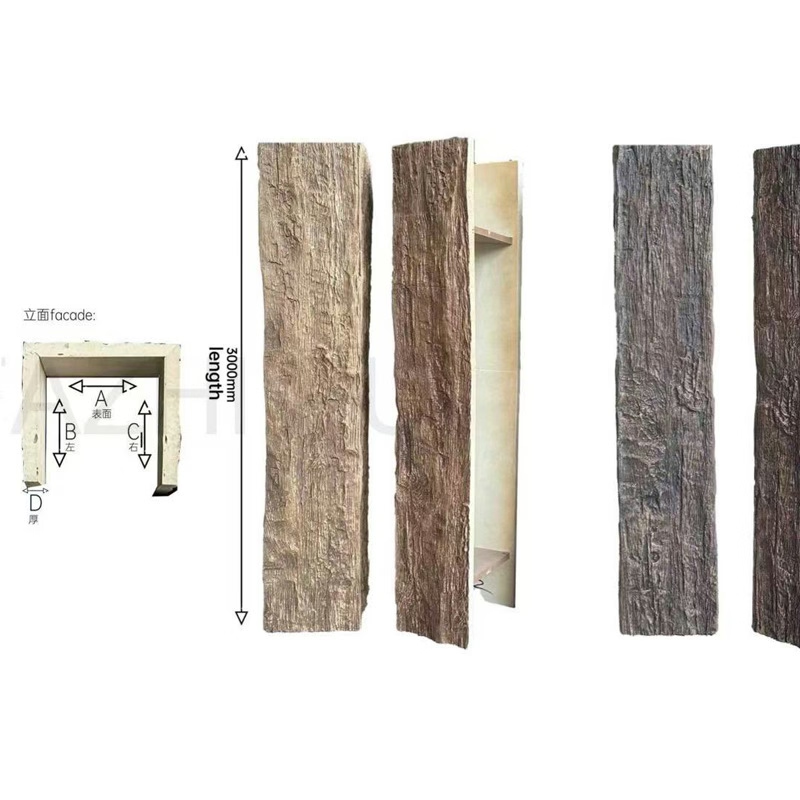
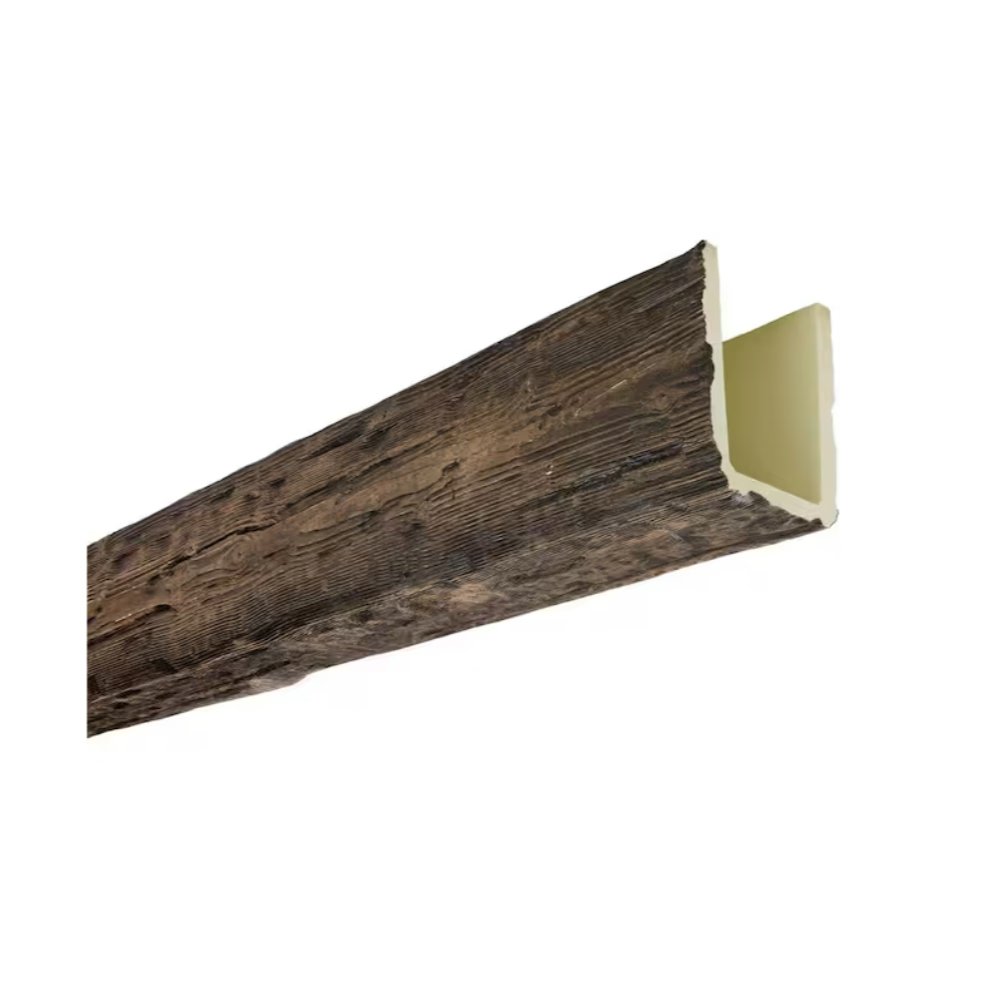
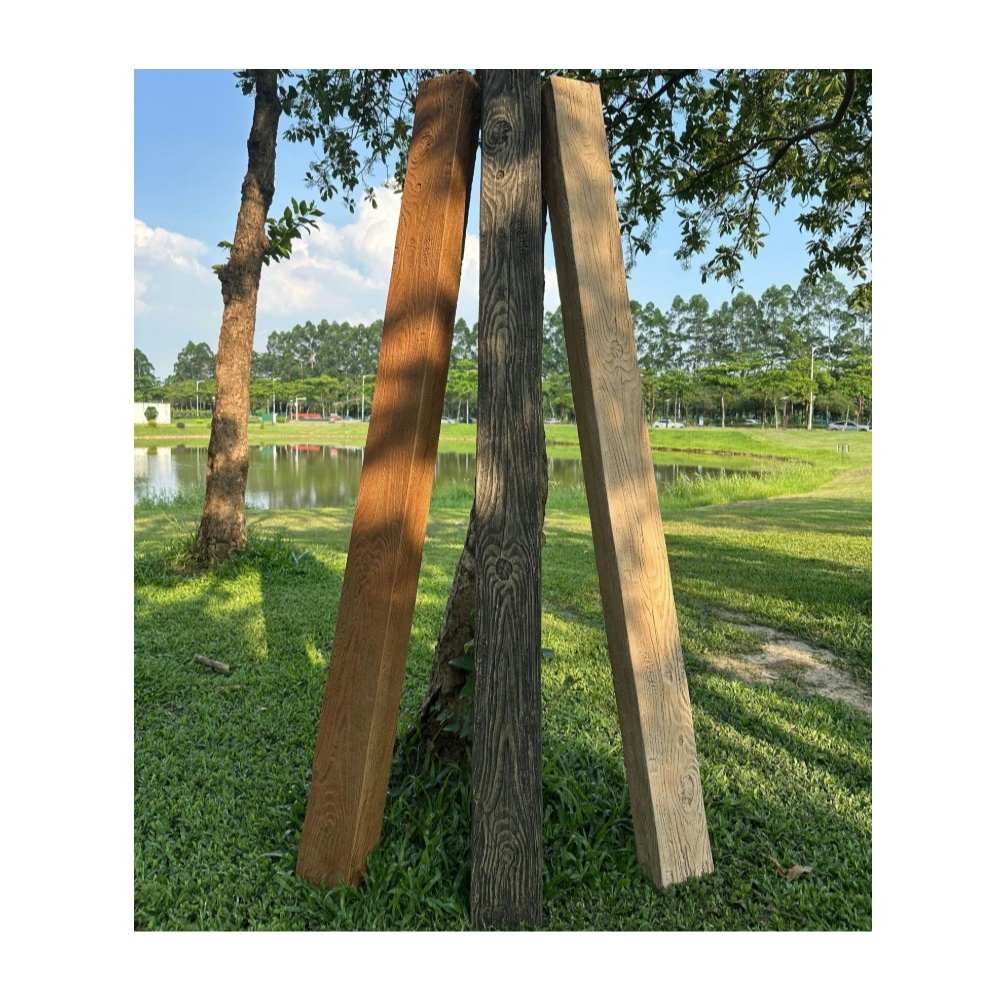
Interior ceiling decoration represents one of the most impactful opportunities for architectural enhancement in residential and commercial spaces. The ceiling, often ignored as a design element, actually provides substantial surface area that significantly affects how spaces feel and function. Decorative beams add warmth, visual interest, and architectural sophistication that plain ceilings cannot achieve, transforming utilitarian spaces into environments with genuine character.
The appeal of wood beams specifically derives from qualities that humans have associated with craftsmanship, permanence, and organic warmth for millennia. The material's natural origin connects interior spaces to the natural world, while its thermal properties—warm to the touch, slow to conduct heat—create tactile experiences that reinforce this organic connection. These qualities make wood beams natural choices for spaces seeking to establish comfort, quality, and established character.
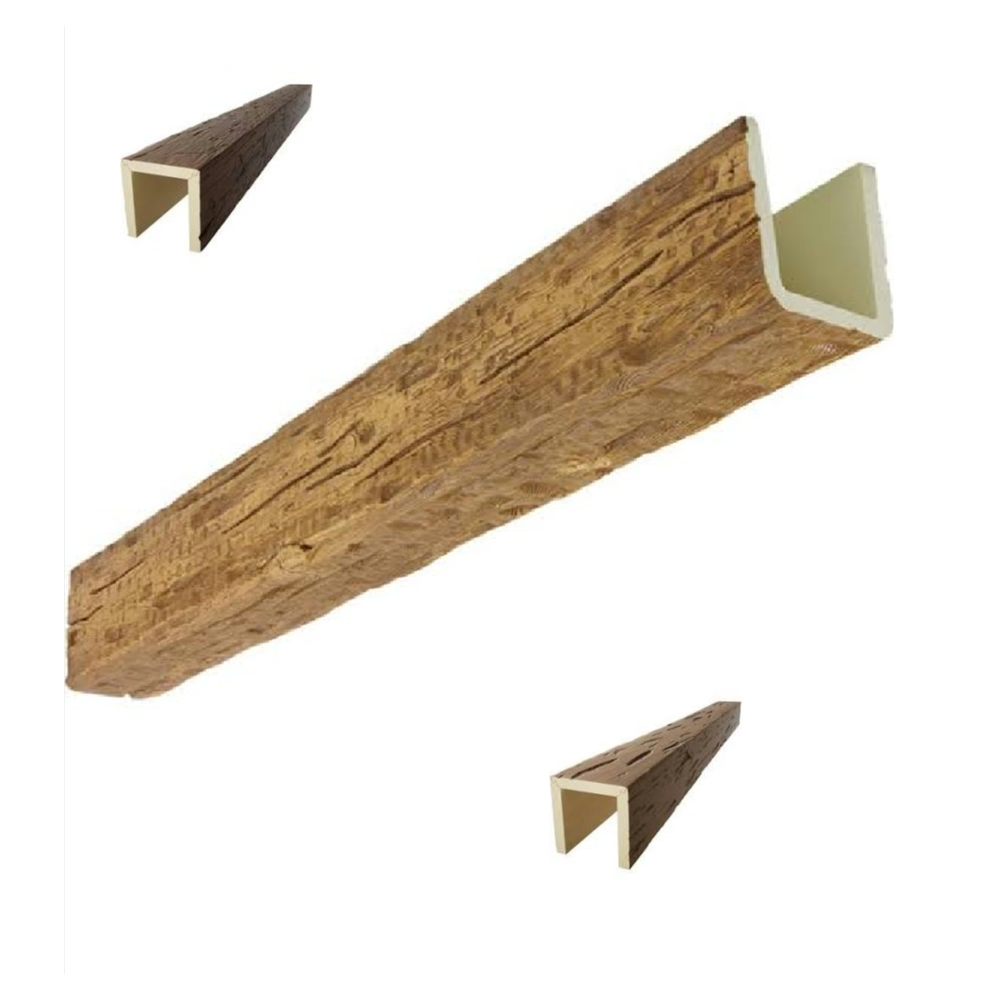
Genuine wooden beams, however, present practical challenges that limit their application. Structural requirements, moisture sensitivity, maintenance demands, and premium pricing have historically confined timber beams to projects with favorable conditions and generous budgets. Polyurethane replica beams address these limitations directly, enabling the aesthetic benefits of wood beams in applications where genuine timber would prove impractical.
The Manufacturing Quality Difference
Not all replica beams achieve equal quality, with significant variation in appearance, durability, and performance across available products. Understanding what distinguishes quality reproductions helps ensure satisfying purchases that meet expectations for authentic appearance and long-term performance.
Texture reproduction quality provides one of the most important distinguishing characteristics. Premium reproductions capture wood surface detail at high resolution, including the fine grain variations, subtle figure patterns, and authentic weathering characteristics that make genuine timber visually distinctive. Budget products often feature shallow, repetitive textures that fail to satisfy close observation, undermining the authenticity that motivates replica beam installation.
Material density affects both appearance and durability. Quality formulations achieve densities that provide realistic weight and substance while maintaining the lightweight advantage over genuine timber. Products that feel obviously hollow or overly light often indicate density formulations that sacrifice durability and appearance for manufacturing convenience. The best reproductions approach genuine timber's visual weight while remaining light enough for easy handling.
Design Applications and Possibilities
Replica beams serve diverse design purposes across residential and commercial interiors. The specific application should inform profile selection, finish choice, and installation approach to achieve optimal results for each unique situation.
Living room installations typically emphasize aesthetic transformation, with beams creating immediate visual impact that establishes room character. Large, dramatic beams work well in these applications, drawing attention and creating the sense of architectural investment that makes spaces feel designed rather than merely functional. Cross-beam arrangements and exposed beam ceiling patterns create formal arrangements appropriate for traditional interiors, while single beams or accent installations suit contemporary spaces seeking more restrained character addition.
Kitchen and dining applications benefit from beams' ability to add warmth to spaces that might otherwise feel cold or institutional. The organic texture of wood creates visual relief against the hard surfaces—tile, stainless steel, glass—that characterize many kitchen designs. Beams above dining tables or kitchen islands create natural gathering zones, defining spaces without requiring walls or other dividers.
Bedroom and bathroom applications, while less common, offer unique opportunities for beam installation. Bedroom beams create cocooning warmth that promotes relaxation, with the visual weight above the bed providing psychological comfort. Bathroom beams add rustic character without the moisture concerns that affect genuine timber, with easy cleaning maintaining appearance despite challenging environmental conditions.
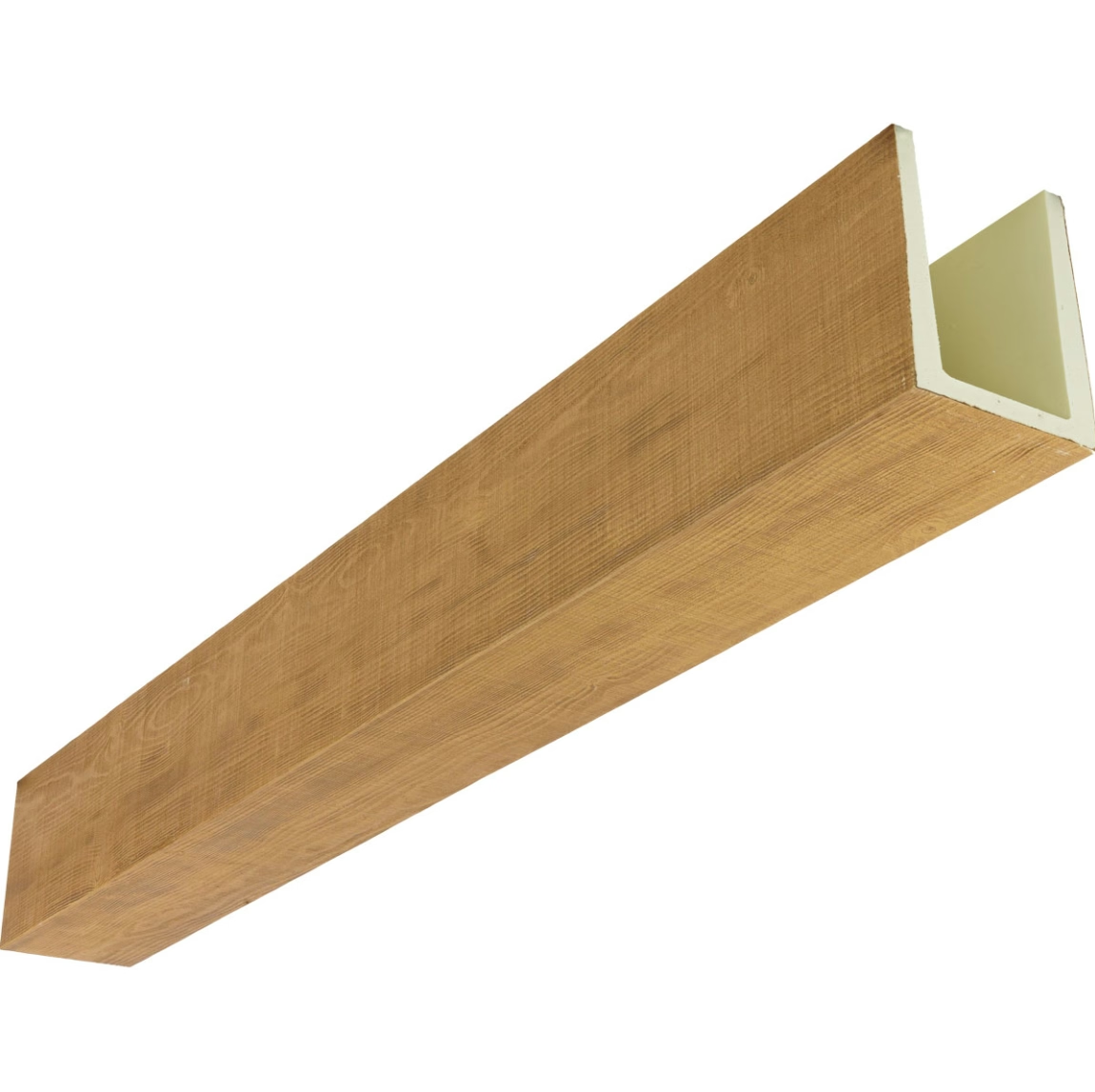
Installation Best Practices
Successful replica beam installation follows established best practices developed through extensive experience with these products. Attention to these practices during planning and execution ensures installations that achieve intended visual effects while providing lasting satisfaction.
Measurement accuracy forms the foundation of successful installation. Each beam location requires precise measurement, accounting for dimensional tolerances and clearance requirements. Measurements should be verified before cutting or ordering, with the consequences of measurement errors justifying the additional time required for careful verification.
Mounting method selection depends on ceiling construction, beam size, and visual requirements. Direct mounting to structural joists provides the strongest connection and most secure feeling installation. Faux joist installations, where beams are mounted to create the appearance of exposed joists, require different approaches that achieve visual goals without structural joist availability.
Joint treatment significantly affects installation authenticity. Beam ends meeting at corners require careful planning to achieve convincing wood grain continuation. Joints at intermediate positions should fall in locations where wood grain variation naturally occurs, avoiding the mechanical repetition that would suggest manufactured rather than natural construction.
Finishing and Appearance Customization
Polyurethane replica beams accept various finishes that enable appearance customization for specific design contexts. The availability of finishing options expands the design possibilities beyond what pre-finished products can offer.
Staining techniques allow achieving specific wood species appearances that may not be available as standard products. Professional staining can shift base colors toward particular targets, create artificially aged appearances, or add visual complexity through layered color application. These techniques work equally well on-site or in shop applications, with the appropriate venue depending on installation conditions and finish requirements.
Painted finishes integrate beams with specific color schemes, allowing wood-textured elements to complement rather than compete with surrounding colors. Painted beams can recede visually, adding texture without color emphasis, or stand out dramatically through contrasting treatment. The specific approach depends on overall design objectives and the role beams should play in the completed interior.
Distressing techniques add authentic character marks that enhance realism. Knots, weathering patterns, and wear marks create the impression of aged, genuine timber rather than new construction. These techniques require skill and experience to achieve convincing results without overdoing effects that would appear theatrical rather than authentic.
Maintenance for Lasting Beauty
One of the most compelling advantages of polyurethane replica beams involves their minimal maintenance requirements compared to genuine timber alternatives. Understanding these requirements helps ensure that installations maintain their intended appearance indefinitely.
Routine cleaning involves dusting or light wiping to remove accumulated debris. The frequency depends on environmental conditions and room use patterns, with kitchens and high-traffic areas requiring more frequent attention than infrequently used spaces. Cleaning methods should avoid harsh chemicals that might affect surface finishes, using mild detergents when necessary for more thorough cleaning.
Inspection and repair, while less frequently required than for genuine timber, may become necessary following unusual events. Impact damage from furniture moving or fixture installation might require patching, though the flexibility of polyurethane often allows damaged sections to flex back into position. Severe damage might require section replacement, with quality products designed to facilitate repair without complete reinstallation.
The long-term appearance retention of quality beams provides peace of mind that genuine timber cannot match. UV-stable formulations resist the fading that would eventually affect stained wood, maintaining color intensity throughout extended exposure. Moisture resistance prevents the dimensional changes and deterioration that affect genuine timber in challenging environments. These material properties translate directly to maintenance simplification for property owners.
Investment Value and Project Economics
The economic value proposition of replica beams extends beyond initial purchase economics to encompass lifecycle costs and benefits. Comprehensive analysis reveals why quality replica beams often provide superior value compared to genuine timber alternatives.
Initial material costs for quality polyurethane typically run forty to sixty percent below comparable genuine timber options. This differential scales with project size, becoming more significant as linear footage increases. For whole-room or whole-house installations, the savings can reach thousands of dollars.
Installation cost differentials favor polyurethane even more decisively. The lightweight handling reduces labor requirements substantially, while the elimination of structural considerations removes engineering and reinforcement expenses. Professional installation, when required, costs less for polyurethane than genuine timber due to these practical differences.
Lifecycle cost analysis completes the economic picture. Natural wood requires ongoing maintenance expenses—sealing, staining, repair—that accumulate over ownership periods. Polyurethane eliminates these ongoing costs entirely, representing a one-time investment that serves indefinitely. When all factors enter the calculation, replica beams typically provide lower total cost of ownership alongside superior practical performance.
Technical References
ASTM standards cited in every specification
Test Data
Lab results from internal testing program
Updated 2026
Reviewed against current product specs