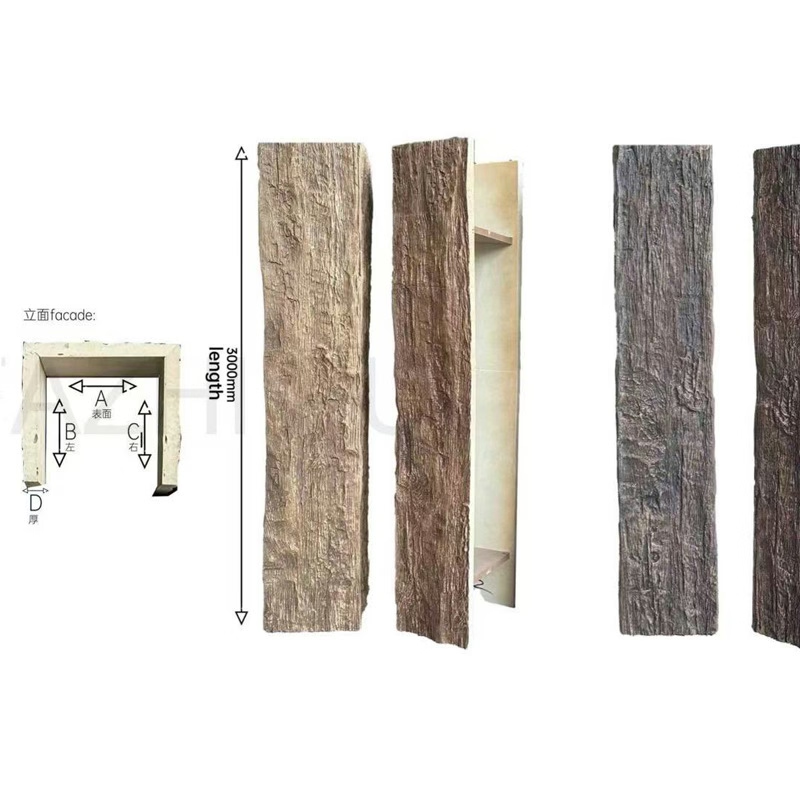
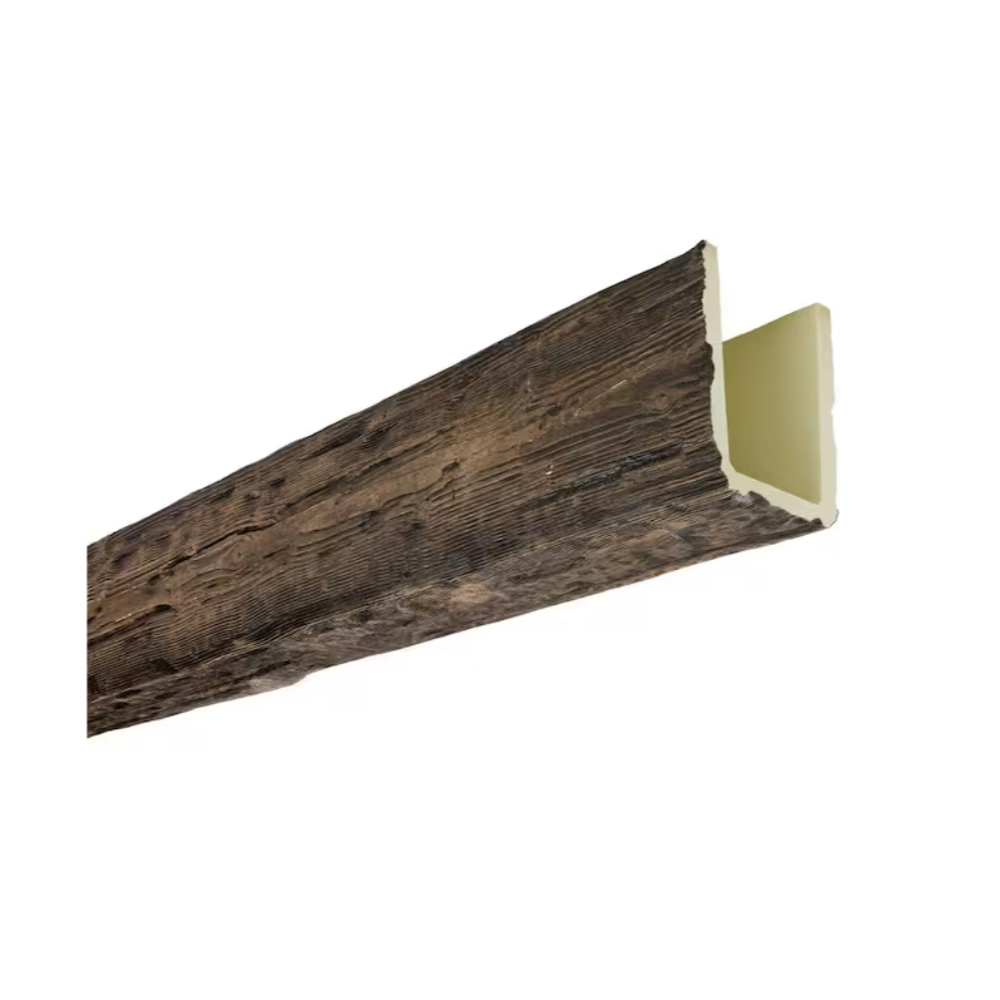
House flipping represents one of the most dynamic segments of residential real estate, combining renovation expertise with investment strategy to generate returns through property improvement and resale. Success in this competitive market requires efficient project execution that maximizes perceived value while controlling costs. Faux wood beams offer compelling advantages for flippers seeking high-impact visual upgrades without the expense and complications of genuine timber alternatives.
The visual transformation achievable through ceiling beam installation often exceeds expectations relative to investment. Spaces with plain, featureless ceilings gain architectural interest that photographs beautifully and impresses potential buyers during showings. This visual impact translates directly into perceived property value, making beams particularly attractive for flip projects targeting higher price points.
Budget constraints that would rule out genuine timber become irrelevant when specifying polyurethane alternatives. The cost differential enables comprehensive beam installations within budgets that might only accommodate modest timber applications. This value proposition aligns perfectly with flip project economics where every dollar must generate appropriate return.
Return on Investment Analysis
Calculating beam installation ROI requires understanding both costs and value generated. Material costs for polyurethane beams typically fall well below comparable timber applications, with installation savings adding to the advantage. These cost savings increase the return generated by any given increase in perceived property value.
Market analysis of comparable properties reveals how beam installations affect resale value in specific neighborhoods. Homes with beam features in similar properties suggest value-add potential that informs project planning. Real estate professionals with local market expertise provide guidance that helps flippers optimize beam installation decisions.
Time savings translate directly into financial benefits for flip projects where carrying costs accumulate throughout renovation periods. Faster installation enables faster completion, reducing interest payments, insurance costs, and opportunity costs associated with capital tied up in renovation projects. The installation efficiency of polyurethane beams contributes to these time savings.
Design Strategies for Resale Appeal
Understanding buyer preferences in target markets guides beam installation decisions. Current design trends, regional preferences, and price point expectations all influence appropriate beam specifications. Design choices that resonate with likely buyers generate more value than choices that appeal primarily to flipper preferences.
Neutral finishes typically perform best across diverse buyer preferences, though market-specific considerations may warrant deviation from this general guidance. Light, natural wood tones complement most interior color schemes, while darker finishes create dramatic focal points that work well in specific design contexts. Selecting finishes appropriate to target markets maximizes appeal.
Scale relationships between beams and room dimensions affect visual impact. Oversized beams create statement installations that differentiate properties, while appropriately scaled installations provide architectural interest without overwhelming spaces. Understanding how different scales affect room perception guides specification decisions.

Installation Efficiency for Tight Timelines
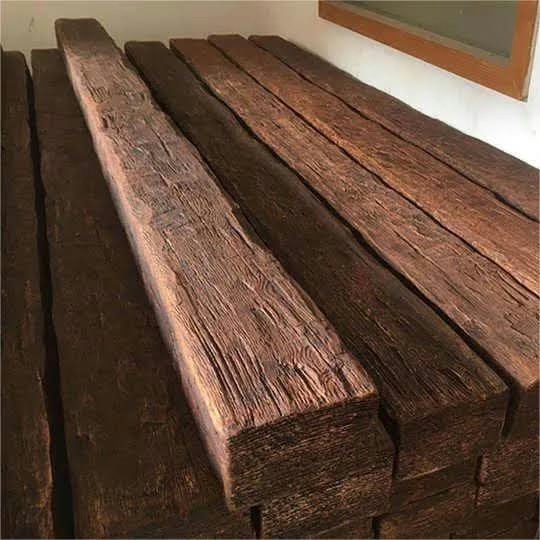
Flip projects rarely allow extended installation timelines, making installation efficiency a priority consideration. Polyurethane beams install faster than timber alternatives through lighter weight that simplifies handling and through manufacturing precision that eliminates fitting work that timber installations require.
Minimal tools and equipment requirements simplify installation logistics. Unlike heavy timber that might require specialized lifting equipment, polyurethane beams install with basic carpentry tools and standard fasteners. This simplicity reduces setup time and enables rapid project completion.
Preparation and finishing work that timber requires disappears with polyurethane alternatives. No sanding, staining, or sealing operations are necessary, eliminating labor and material costs while reducing installation timelines. The pre-finished surface that polyurethane provides starts looking excellent immediately upon installation.
Budget-Friendly Implementation
Material selection strategies optimize beam investment for flip budgets. Standard sizes and profiles typically cost less than custom specifications, enabling broader installations within fixed budgets. Strategic use of premium products for focal areas combined with standard products elsewhere maximizes impact per dollar spent.
Quantity discount opportunities reward volume purchasing that flip projects often enable. Larger installations provide negotiating leverage that smaller purchases cannot achieve. Suppliers offering volume pricing help flippers maximize beam installations within budget constraints.
Installation cost management maintains project economics that justify beam investments. Professional installation quotes should reflect the simpler requirements that polyurethane beams present. Experienced installers familiar with polyurethane products complete installations efficiently, reducing labor costs compared to installers learning on the job.
Property Type Considerations
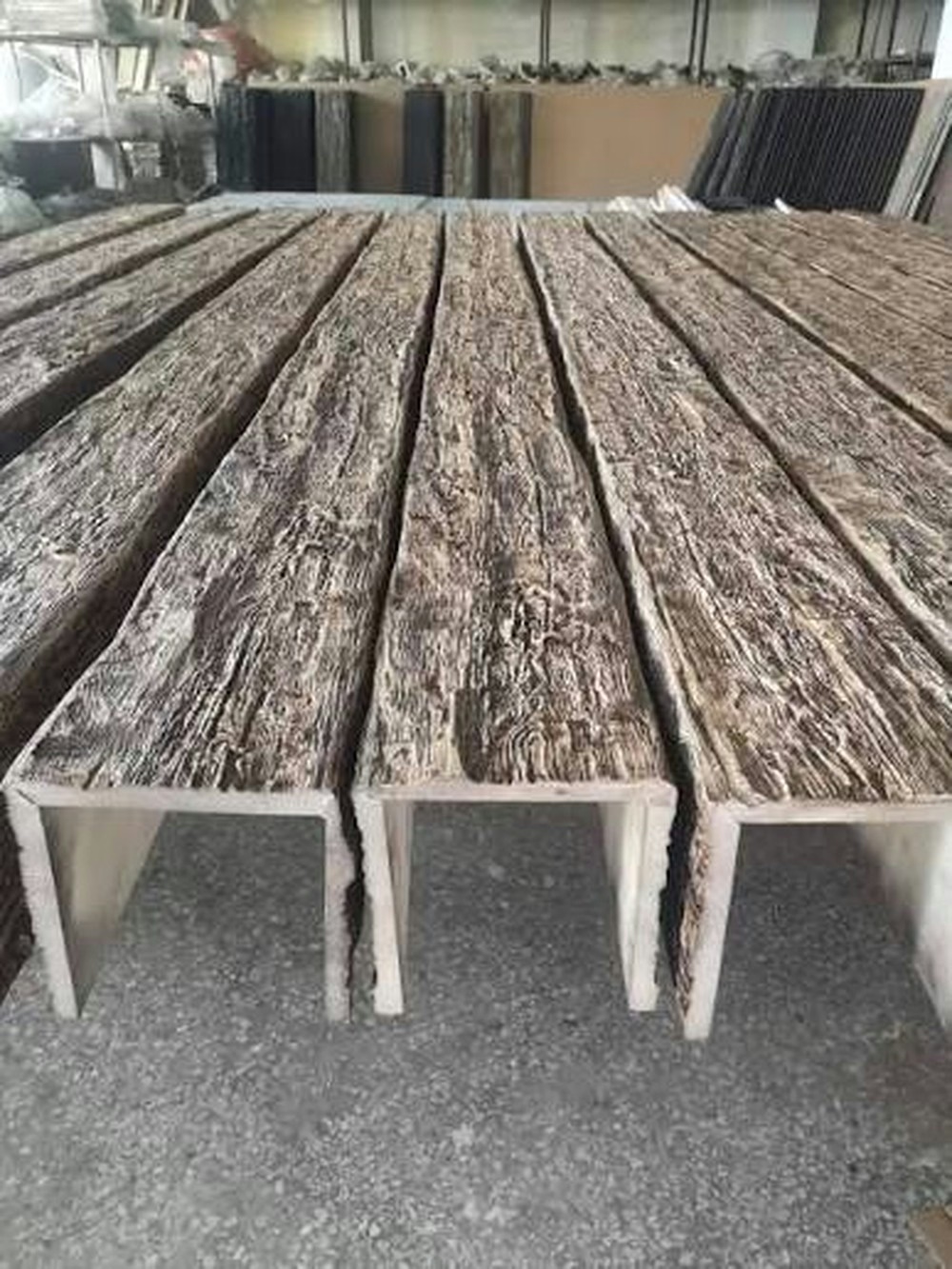
Different property types present different beam installation opportunities and challenges. Vaulted ceilings in flip properties create ideal applications for exposed beam installations, while flat ceilings might accommodate coffered beam treatments or single accent beams. Property surveys reveal available opportunities that guide project planning.
Single-family homes typically offer more beam installation opportunities than attached housing or condominiums where neighboring units constrain modifications. Attic spaces, great rooms, and master bedroom suites often accommodate beam installations that add value without structural complications.
Exterior applications in covered porches and outdoor living areas expand potential beam uses beyond interior ceilings. These applications benefit from polyurethane moisture resistance that genuine timber cannot match in exterior environments. Flip projects with substantial exterior spaces might consider beam installations that extend interior design themes outdoors.
Quality Suppliers for Flip Projects
Flip projects benefit from suppliers who understand the specific requirements of renovation-focused purchasing. Responsive communication, reliable delivery, and reasonable policies support the compressed timelines and budget constraints that characterize flip projects. Supplier selection should consider these operational factors alongside product quality.
Sample availability enables verification of appearance and quality before committing to purchases. Flippers should insist on seeing actual products rather than relying on photographs, ensuring that beams meet expectations before installation. Suppliers who provide samples efficiently support this verification process.
Return policy flexibility accommodates the uncertain requirements that flip projects sometimes present. Properties that fail to sell, design changes during renovation, and over-ordering all create inventory situations that require return accommodations. Suppliers offering reasonable return policies reduce flip project risk.
Polyurethane faux wood beams provide house flippers with high-value, low-risk upgrades that enhance property appeal and support strong resale outcomes. The combination of visual impact, cost efficiency, and installation simplicity aligns perfectly with flip project requirements. Strategic implementation of beam installations within flip projects generates returns that justify the investment while differentiating properties in competitive markets.
Technical References
ASTM standards cited in every specification
Test Data
Lab results from internal testing program
Updated 2026
Reviewed against current product specs