When Sarah and Michael bought their 1990s colonial in the suburbs, they faced a common renovation challenge: how to add warmth and character to otherwise plain rooms without committing to the structural complications of real timber. The solution they discovered transformed their entire living space and started a trend among their neighbors.
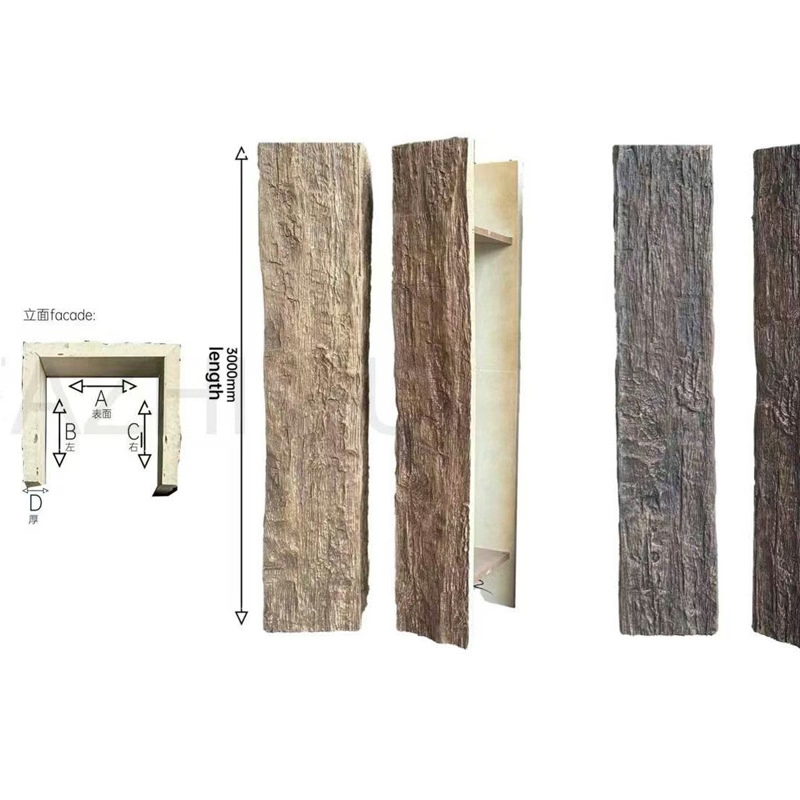
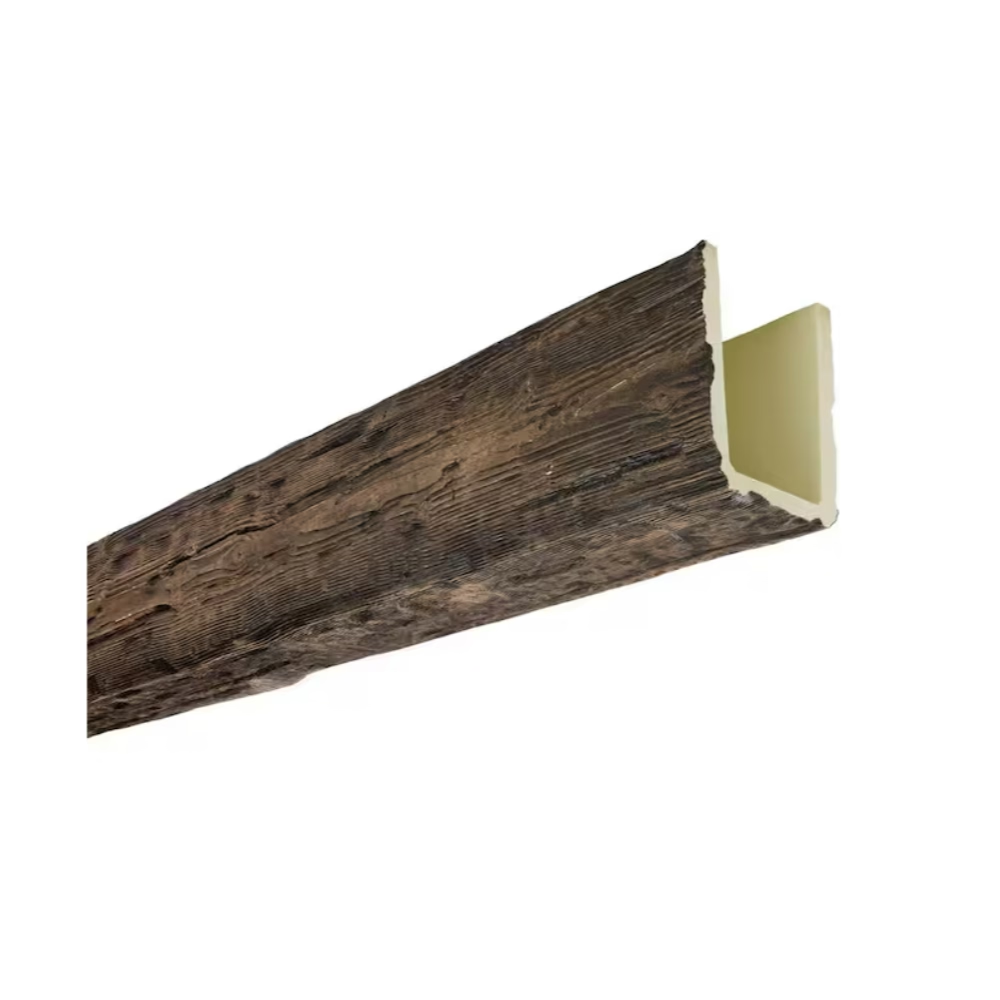
Residential-grade polyurethane faux ceiling beams have become the go-to choice for homeowners undertaking renovation projects. Unlike their structural counterparts, these pieces arrive ready to install, requiring no special equipment or contractor expertise. The foam core construction keeps them light enough for a single person to handle, while the molded polyurethane exterior captures every knot, grain line, and texture variation found in natural wood.
The appeal for family homes specifically centers on practicality. Parents appreciate that these beams don't crack, split, or warp over time—common issues with real wood in heating and cooling cycles. Children's rooms benefit from the visual warmth without the risk of splinters or the weight concerns that come with authentic timber. Kitchens see the advantage in beams that won't absorb cooking odors or moisture, while dining rooms gain the architectural interest that makes family gatherings feel more intimate and special.
Modern residential faux beams come in lengths ranging from four to sixteen feet, accommodating everything from small breakfast nooks to expansive open-plan living areas. Width options typically span from six to fourteen inches, allowing homeowners to proportion their selections to ceiling height and room scale. A twelve-foot beam in a room with nine-foot ceilings creates a dramatically different impression than the same beam in a space with vaulted ceilings reaching fifteen feet.
Installation methods have been refined to minimize disruption. The most common approach involves mounting blocks or plates directly to ceiling joists or existing drywall, with the beam simply clicking or sliding into place. Some homeowners opt for the exposed bracket style, where decorative hardware is visible, adding an industrial farmhouse aesthetic. Others prefer the seamless look, using adhesive and screws hidden within the beam's design to create the impression that the beams have always been part of the home's architecture.
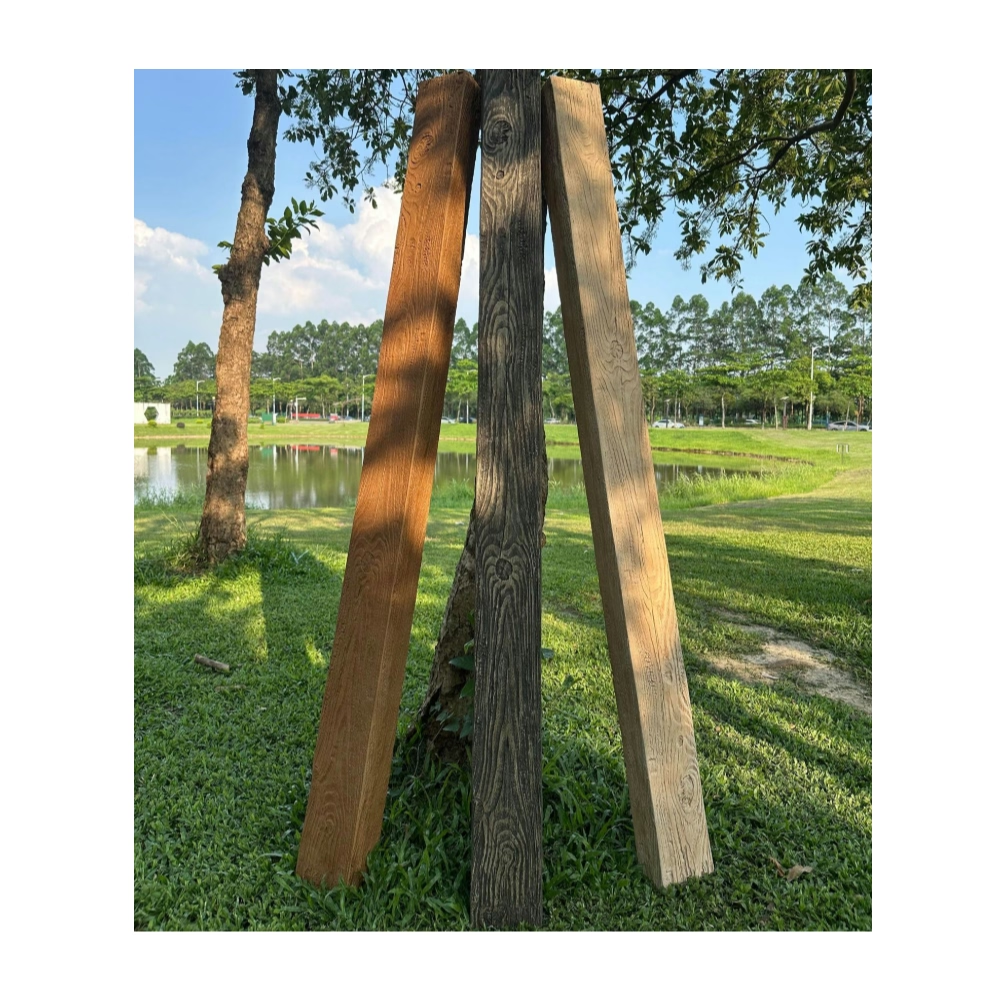
Color matching has also evolved significantly. Rather than the uniform beige tones of earlier synthetic options, current manufacturing techniques produce subtle variations within each beam and between pieces, mimicking the natural color differences found in lumber. Staining capabilities allow customization to match existing woodwork, cabinetry, or flooring, ensuring the beams integrate naturally with whatever design scheme homeowners have established or plan to implement.

For families considering this renovation approach, the investment typically breaks down to a fraction of the cost of reclaimed timber while delivering superior consistency in quality and appearance. Most beams carry warranties of ten to fifteen years, though their useful lifespan often extends well beyond that timeframe. The maintenance requirements are minimal—a periodic dusting or gentle cleaning with mild soap and water keeps them looking fresh.
Energy efficiency deserves mention as well. While polyurethane doesn't provide the insulating properties of solid timber, the hollow core design of many beam styles creates a small buffer against heat transfer. More importantly, the visual weight of beams draws the eye upward, making rooms feel larger and more naturally lit, potentially reducing lighting costs during daylight hours.
The environmental angle has also improved. Many manufacturers now use recycled content in their foam cores, and the lightweight shipping reduces transportation emissions compared to heavy timber alternatives. For families with sustainability concerns, asking suppliers about specific environmental certifications helps identify products aligned with eco-conscious values.
Design flexibility extends beyond traditional applications. Vaulted ceilings receive dramatic treatment with beams running perpendicular to ridge lines, while flat ceilings can accommodate parallel installations that define zones within open floor plans. Some homeowners create false beams to conceal wiring, HVAC runs, or structural elements that would otherwise interrupt the ceiling plane.
Outdoor covered areas like porches and covered patios benefit from UV-resistant finishes that withstand sun exposure without fading or degradation. These installations extend the living space visually while maintaining the cohesive aesthetic from interior rooms.
The renovation process itself can be completed over a weekend for an average-sized room. Professional installation, while available, proves unnecessary for most homeowners comfortable with basic tools. This accessibility has contributed significantly to the popularity surge, as DIY renovation shows and social media platforms showcase the dramatic transformations possible with these materials.
Families who've embraced polyurethane faux beams consistently report high satisfaction with the balance between aesthetics and practicality. The authentic appearance satisfies design sensibilities, while the durability and maintenance profile accommodate busy household rhythms. Whether applied to a single room or throughout an entire home, these residential-grade products offer a pathway to architectural character that once required either substantial investment or structural renovation.
The market continues responding to homeowner demand with expanded style offerings, improved finishes, and increasingly sophisticated texture work. What began as a compromise between appearance and affordability has evolved into a design choice celebrated in its own right—one that respects both the home's character and the family's lifestyle needs.
Technical References
ASTM standards cited in every specification
Test Data
Lab results from internal testing program
Updated 2026
Reviewed against current product specs