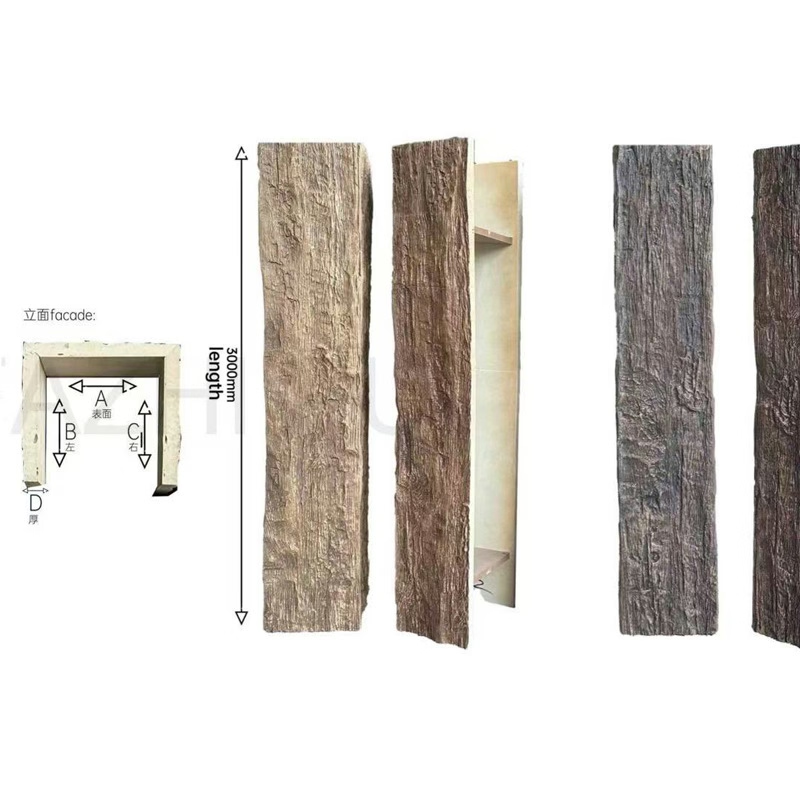
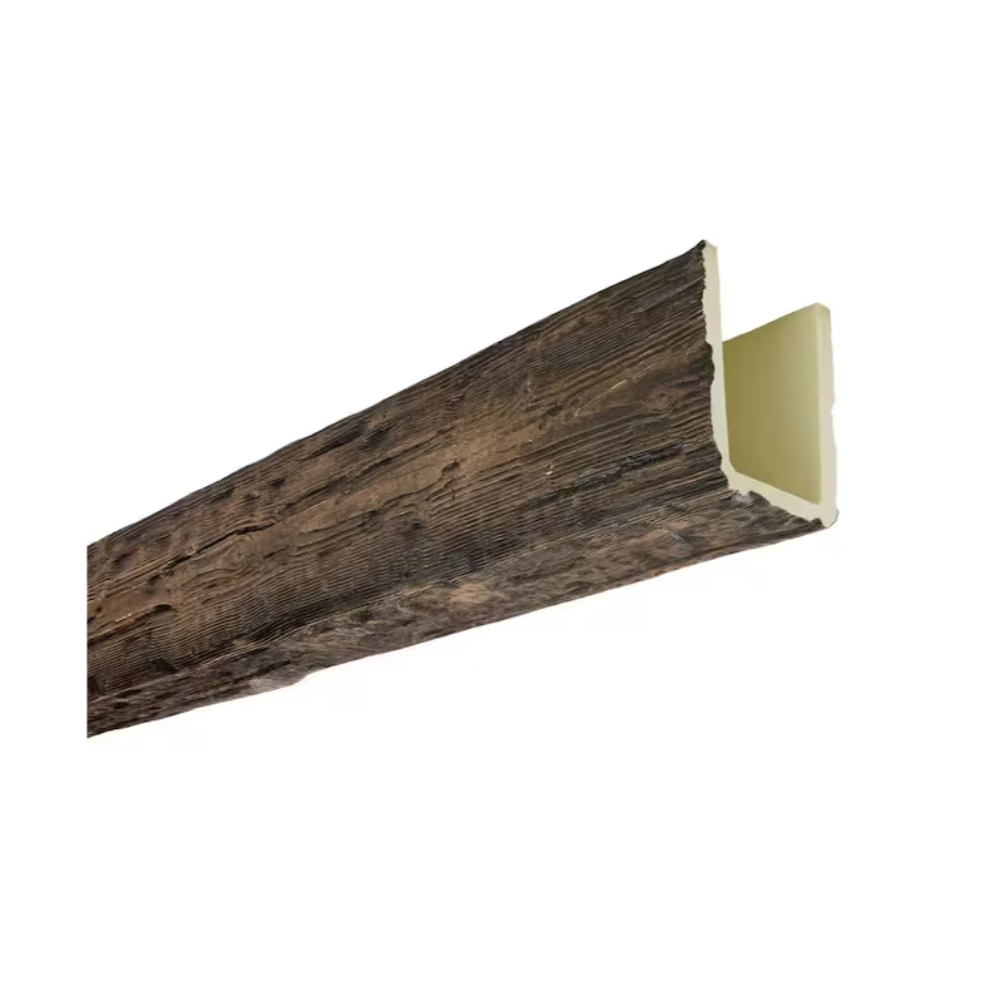
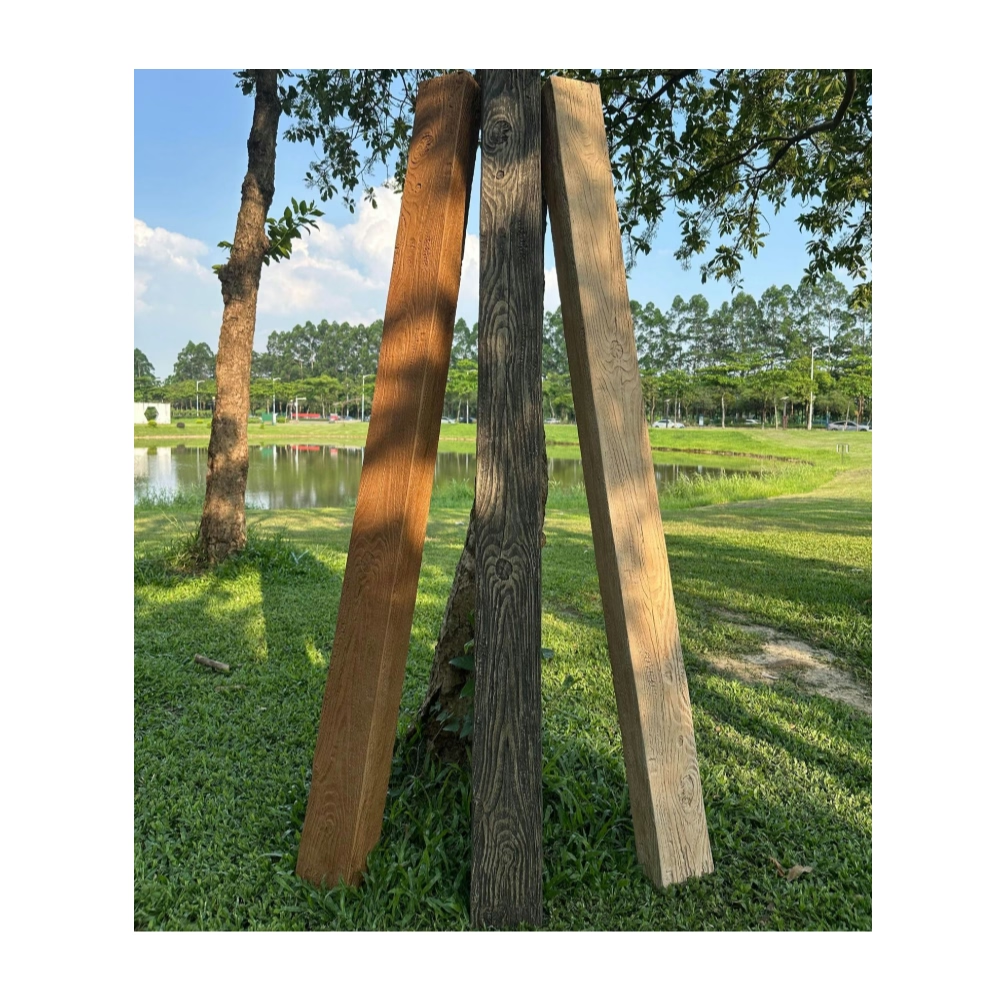
The toddler reached up and touched the ceiling beam in her grandparents' farmhouse, her small fingers tracing the grain pattern she found fascinating. Her mother watched nervously, remembering how she'd been told never to touch the old wooden beams in her childhood home because of splinters and dust. But these beams felt smooth and clean, and the little girl explored them without consequence.
That moment captures why safety-conscious families increasingly choose polyurethane faux wood beams for their homes. The material characteristics that make these beams practical for everyday households also make them genuinely suitable for environments where children play, seniors move carefully, and everyone benefits from reduced maintenance concerns.
Traditional wood beams present several safety considerations that most homeowners don't contemplate until an incident occurs. Splinters emerge gradually, creating ongoing risk for skin contact. Dust and allergens accumulate in rough grain surfaces, affecting indoor air quality. Weight creates potential danger if mounting fails, as genuine timber carries substantial mass. Fire resistance varies widely, with older reclaimed beams sometimes presenting genuine hazard.
Modern polyurethane manufacturing has addressed each of these concerns systematically. The material accepts a smooth, consistent finish that eliminates splinter risk entirely. Cleaning requires only occasional dusting or wiping—no trapped particulates in hidden grain crevices. Weight stays manageable, typically under three pounds per linear foot for standard sizes, reducing both shipping impacts and installation hazards. Fire retardant formulations meet residential building codes in most jurisdictions.
Indoor air quality deserves special attention in family homes. Young children spend considerable time near floors and lower wall surfaces, breathing air that rises toward ceiling-mounted elements. Polyurethane beams manufactured without volatile organic compounds contribute no off-gassing to room atmosphere. Parents researching product certifications should look for GREENGUARD, SCS Indoor Advantage, or equivalent independent testing verification.
The installation safety advantages extend beyond the product itself to the installation process. Without the need for structural reinforcement or specialized lifting equipment, homeowners can tackle beam installation as weekend projects. Fewer contractor visits mean less disruption and fewer potential accidents from unfamiliar workers in home spaces. When families do hire help, the lightweight nature of the beams means faster, simpler work that finishes before attention to detail tends to wane.
Consider the practical scenarios that demonstrate these safety benefits. In a nursery or child's bedroom, beams add architectural warmth without creating cleaning challenges or dust reservoirs that collect in porous wood. In playrooms, the smooth surfaces withstand accidental impacts without denting or scratching the way painted wood might. In mudrooms and entryways, beams can frame the space visually while tolerating the traffic and occasional bumps that active families generate.
Pet owners find similar advantages. Claws don't scratch smooth polyurethane finishes the way they damage natural wood. Accidents or spills clean up without staining concerns. The lightweight construction means that even if a large dog jumps and contacts the beam, damage remains unlikely—a consideration that becomes significant in homes where pets are family members.
The health dimension of safety extends to allergy and asthma sufferers in the household. Natural wood beams can harbor dust mites, pollen, and other allergens in their textured surfaces. Polyurethane's smooth finish doesn't provide these hiding places. For families managing respiratory conditions, this difference translates to noticeably improved air quality and reduced symptom triggers.
Mold and mildew resistance represents another health-oriented advantage. Bathrooms and kitchens—rooms with elevated humidity—can receive beam treatments without the moisture concerns that plague natural wood. The closed-cell polyurethane structure doesn't absorb water, preventing the biological growth that creates both aesthetic problems and health hazards.
Accessibility considerations also favor lightweight faux beams. Homes accommodating family members with mobility limitations benefit from reduced weight loads on ceiling structures, particularly relevant in older homes where ceiling joists may have aged. The clean lines and smooth surfaces also eliminate tripping hazards that rough-hewn timber sometimes creates when extending below ceiling planes.
Maintenance contributes to ongoing safety as well. Inspection of mounting hardware and beam condition requires only visual checking—there's no need to probe for rot, check for insect damage, or assess structural integrity the way genuine timber demands. Families can focus their home maintenance attention on other priorities while trusting that properly installed beams will remain secure and attractive.
The psychological dimension of safety shouldn't be dismissed. When family members feel comfortable in their spaces without constant caution, household stress decreases. Children exploring their environment freely supports healthy development. Parents relax knowing that architectural beauty doesn't come with hidden risks. This peace of mind has genuine value that complements the practical benefits.
Manufacturers have recognized these family-oriented priorities, developing specific product lines targeting households where safety concerns shape purchasing decisions. These lines often feature enhanced fire ratings, verified low-VOC formulations, and installation systems specifically designed for DIY confidence. Shopping with these features in mind helps families identify products genuinely suited to their needs rather than general-purpose options.
The investment in quality safety-focused beams pays dividends across a home's occupied years. Families report satisfaction knowing that their aesthetic choices support rather than compromise their household's wellbeing. What appears as simply a design decision reflects deeper values about protecting loved ones through thoughtful product selection.
Technical References
ASTM standards cited in every specification
Test Data
Lab results from internal testing program
Updated 2026
Reviewed against current product specs