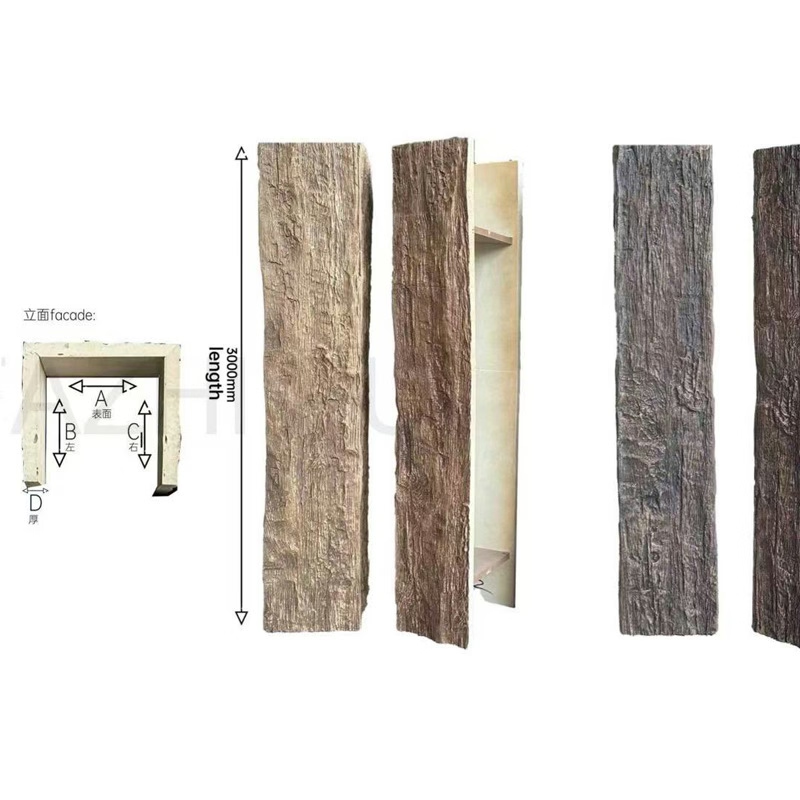
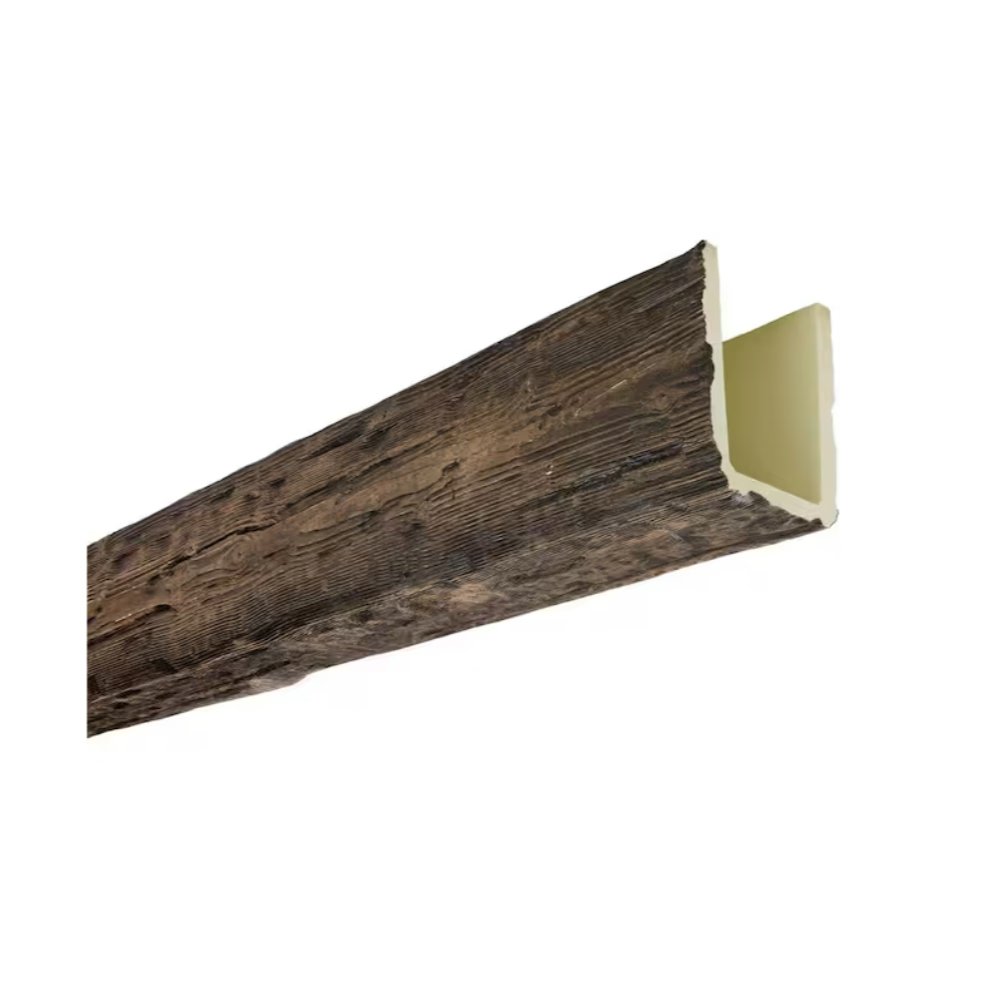
Residential interiors offer some of the most satisfying applications for polyurethane faux wood beams. Homes provide opportunities for design expression that commercial spaces rarely allow—the freedom to pursue aesthetic visions without the constraints of building codes, ADA compliance, and the varied preferences of transient occupants. When homeowners and their design professionals embrace faux wood beams as design tools rather than mere finish materials, the results transform ordinary spaces into environments with distinctive character and warmth.
Great Room and Living Space Applications
Living areas provide prime opportunities for beam installations that define space character.
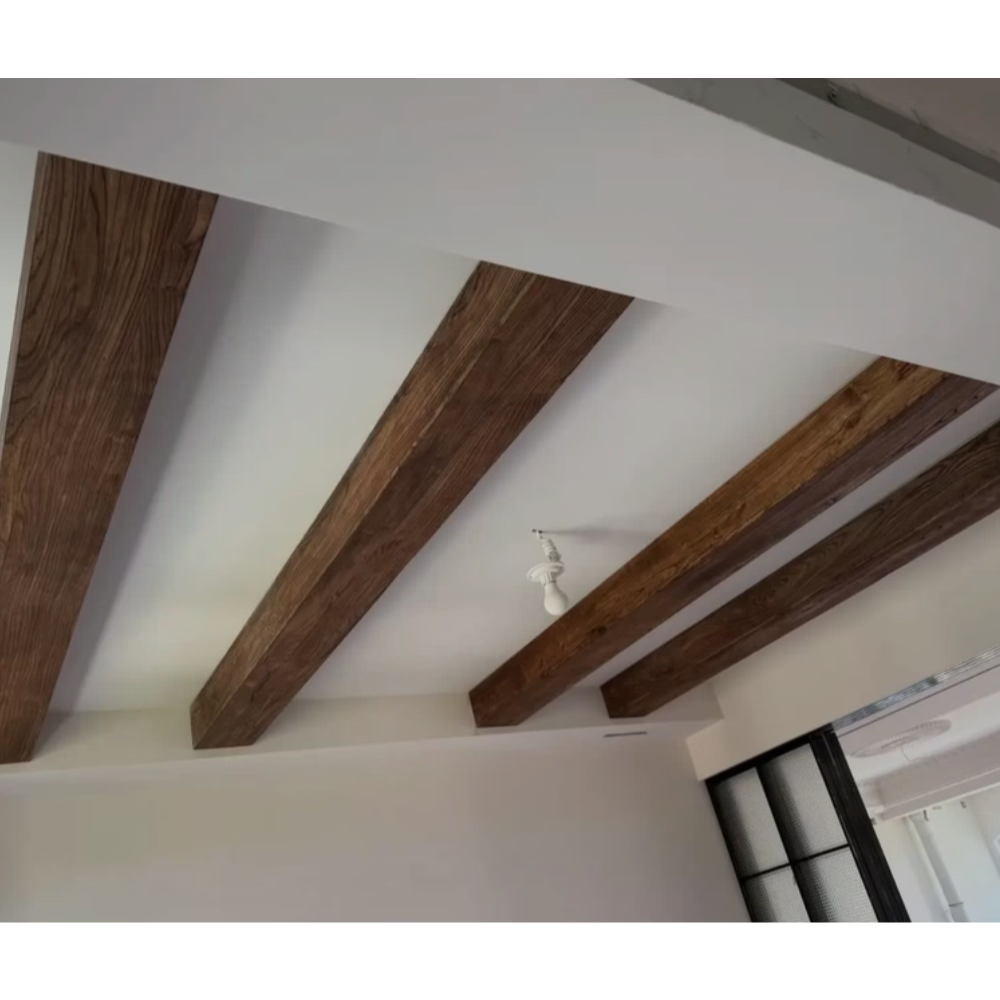
Vaulted ceiling treatment creates architectural presence that anchors room design. Ceilings that would otherwise feel cavernous and impersonal become intimate through beam introduction. The beams create visual rhythm, establish scale, and provide the warmth that makes vaulted spaces feel inviting rather than overwhelming.
Living room beam installations define conversation zones within open floor plans. Beams crossing ceilings in specific locations create implied room divisions without walls, allowing flow between areas while maintaining distinct functional zones. This approach works particularly well in contemporary homes with minimal interior partitions.
Fireplace surrounds incorporating beams extend the warmth theme throughout living spaces. Beams framing fireplaces connect the architectural element with the visual comfort of fire, creating hearth areas that feel complete. This application often works well with rough-hewn or weathered beam styles that complement fireplace textures.
Kitchen and Dining Applications
Kitchen and dining areas benefit from beam treatment that softens these often-utilitarian spaces.
Kitchen beams add warmth to spaces dominated by hard surfaces. Tile, stone countertops, stainless appliances, and glass surfaces create functional kitchens that sometimes lack emotional appeal. Beams introduce organic texture and natural warmth that balance these hard materials.
Dining room beams create intimacy in spaces that might otherwise feel institutional. Whether in formal dining rooms or informal eat-in kitchens, beams create overhead presence that makes dining feel special rather than routine. This effect works particularly well with traditional or transitional styling.
Island beam treatment provides visual anchors for kitchen islands. Beams crossing above islands or forming partial canopies create zones within open kitchens, establishing island identity without enclosing the space. This approach works beautifully in great room configurations where kitchens flow into living areas.

Bedroom and Bathroom Applications
Private spaces benefit from beam treatment that transforms functional rooms into retreats.
Master bedroom beams create sanctuary atmosphere. The bedroom should feel removed from daily stress, a private retreat for rest and rejuvenation. Beams introduce the organic warmth of natural materials, creating spaces that feel more like retreats than merely furnished rooms.
Bedroom beam styling often favors more refined appearances than living areas. Lighter finishes, smoother textures, and more restrained profiles suit private spaces where overly dramatic treatment might interfere with rest. The beams provide subtle architectural interest rather than overwhelming visual presence.
Bathroom beam applications require attention to moisture considerations. While polyurethane resists moisture damage better than natural wood, bathroom installations benefit from appropriate ventilation and mounting approaches that prevent moisture accumulation. When these considerations are addressed, bathroom beams create spa-like atmosphere that transforms ordinary bathing spaces.

Entry and Hallway Treatments
Transition spaces deserve attention that beams can provide.
Foyer beam installations create immediate impressions that welcome visitors. The entry to a home sets expectations for what follows. Beams in foyers create architectural statement that announces attention to design throughout the home.
Hallway beam treatment prevents these transitional spaces from feeling utilitarian. Long corridors can feel endless and boring without architectural interest. Beams crossing hallways at regular intervals add rhythm and visual engagement that makes movement through the home more pleasant.
Mudroom and utility space beams may seem unnecessary but provide design continuity. When the home includes beams in living areas, extending treatment into entry spaces and mudrooms creates design coherence that purely functional spaces wouldn't otherwise have. This continuity enhances the overall impression of thoughtful design throughout the home.
Styling Considerations for Residential Applications
Successful residential beam installation requires thoughtful styling approach.
Scale appropriateness ensures beams enhance rather than overwhelm spaces. Large rooms accommodate substantial beams; smaller spaces need more restrained treatment. Understanding the relationship between room dimensions and beam scale prevents both underwhelming and overbearing results.
Finish coordination connects beams to overall room design. Beams should complement rather than compete with other finish materials. Room color schemes, furniture styles, and existing woodwork all influence appropriate beam finish selection.
Lighting integration maximizes beam impact. Beams cast shadows that create visual depth and interest. Integrating lighting—recessed fixtures, track lighting, or decorative pendants—enhances this effect while ensuring practical illumination needs are met.
Installation Considerations for Residential Projects
Home installation involves different considerations than commercial applications.
Homeowner installation feasibility varies by project complexity. Simple beam installations on accessible ceilings may be appropriate for capable DIY homeowners. Complex configurations, cathedral ceilings, or custom treatments typically benefit from professional installation.
Professional installation access expands design possibilities. Experienced installers handle challenging configurations that would frustrate homeowners, enabling design ambitions that might otherwise be impractical. The cost premium for professional installation often pays for itself through faster completion and better results.
Code compliance for residential installations typically involves fewer requirements than commercial work. However, electrical work, structural modifications, and certain mounting approaches may require permits and inspections. Understanding local requirements before beginning prevents problems during final inspection.
Investment Considerations
Residential beam installations represent design investments with both aesthetic and practical value.
Quality differences significantly affect results. Premium beams with authentic textures, consistent finishes, and proper densities create appearances that justify their cost. Budget alternatives often disappoint upon close inspection, failing to provide the design impact intended.
Installation costs vary by project complexity. Simple beam mounting on accessible ceilings costs relatively little; elaborate installations involving custom fabrication, integrated lighting, or challenging access cost substantially more. Budgeting for complete project costs—including materials, installation, and finishing—prevents surprises.
Long-term value favors quality installation. Premium beams that maintain appearance for decades provide better long-term value than budget alternatives requiring replacement after years of disappointing appearance. The initial investment in quality typically pays returns throughout the installation's service life.
Residential interior faux wood beam installation transforms ordinary homes into spaces with distinctive architectural character. Understanding applications, styling approaches, and investment requirements helps homeowners and their design professionals achieve results that enhance daily life while adding lasting value to their homes.
Technical References
ASTM standards cited in every specification
Test Data
Lab results from internal testing program
Updated 2026
Reviewed against current product specs