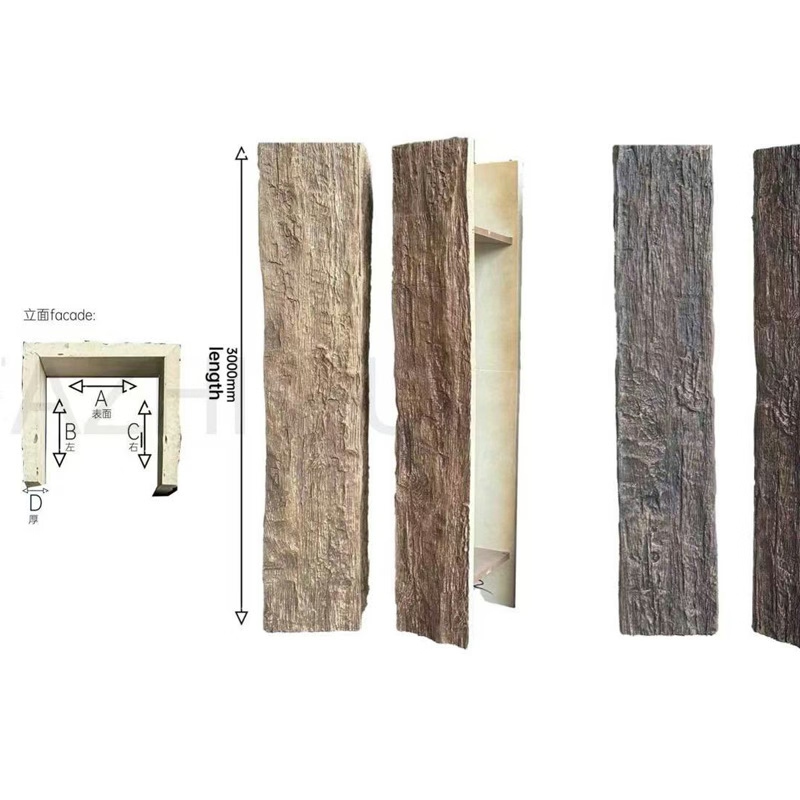
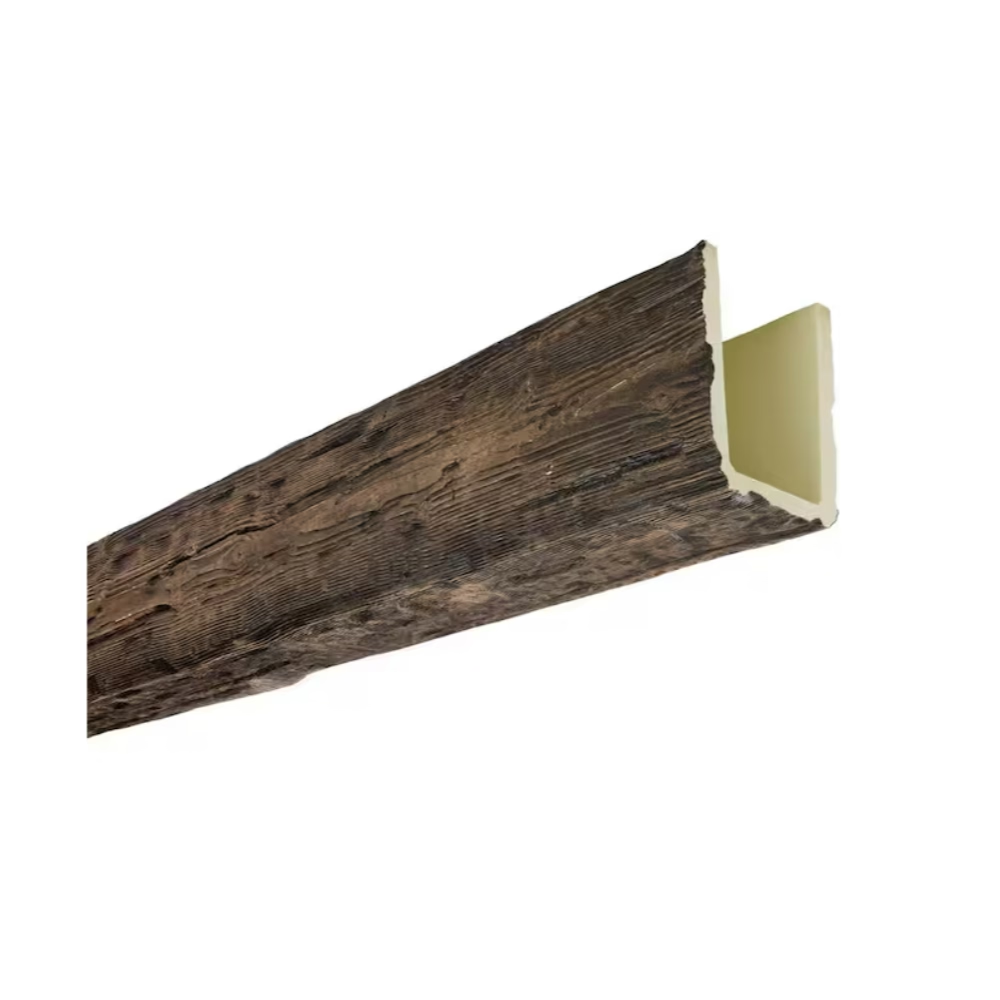
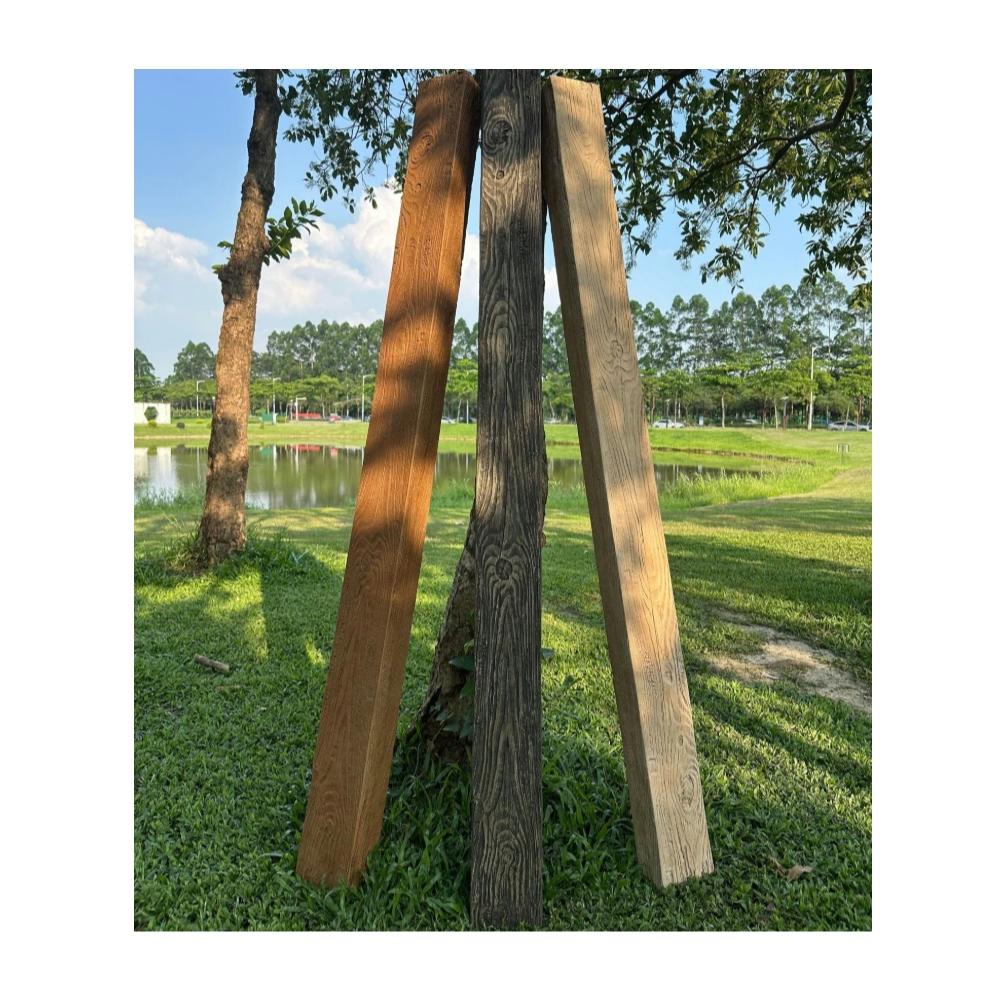
The renovation wave that swept residential design over the past fifteen years has fundamentally altered how homeowners approach updating their living spaces. What began as reaction against the sterile perfection of McMansion construction evolved into genuine appreciation for the authenticity, warmth, and human scale that define pre-war architecture. Farmhouse style emerged as the predominant language of this renovation movement, offering vocabulary accessible to homeowners across economic spectrums and geographic regions. Central to this aesthetic is the honest material—wood that shows its origins, finishes that reveal their application, and structures that communicate their construction rather than concealing it behind smooth surfaces. For renovation projects seeking to incorporate these qualities, barn wood look faux beams provide practical pathway to achieving farmhouse authenticity without the sourcing challenges and ongoing maintenance demands of authentic reclaimed material.
Renovation projects present unique challenges that distinguish them from new construction. Existing structures come with constraints—current ceiling heights, structural limitations, and established design languages that new elements must either complement or deliberately contrast. Beam installations in renovation contexts require particular sensitivity to these conditions, selecting dimensions and configurations that enhance rather than overwhelm existing architecture. Faux beams offer advantages that prove particularly valuable in renovation contexts, where their lighter weight imposes less demanding structural requirements and their consistent quality simplifies specification and matching.

Planning the Renovation Beam Installation
Successful renovation beam installations begin with careful assessment of existing conditions and clear identification of aesthetic goals. The renovation's current state—bare framing, existing ceiling materials, or finished surfaces awaiting update—influences installation approach significantly. Projects where beams will be installed before finish work proceeds enjoy flexibility that finished renovations cannot match, as electrical, lighting, and HVAC systems can be routed to accommodate beam geometry rather than requiring compromise beam placement to avoid conflicts.
Ceiling height determines appropriate beam scale for renovation applications. Higher ceilings accommodate larger beams without crowding the human scale of the space below, while lower ceilings may require more modest dimensions or alternative approaches such as beam panels applied to existing surfaces rather than projecting from them. The relationship between beam size and ceiling height should create visual balance rather than either extreme—beams so small they disappear against the ceiling plane or so large they overwhelm the room's proportions.
Structural assessment ensures that ceiling structure can support beam installations, particularly for configurations where beams appear to bear load or create significant visual mass. In most cases, faux beams require no structural contribution beyond their own modest weight, but attachment points must provide secure connection to ceiling structure. Engineering consultation may prove appropriate for complex installations or buildings with uncertain structural history.
Kitchen Renovation Applications
Kitchens represent the most common renovation application for farmhouse style beams, reflecting the room's elevated role in contemporary home life and the farmhouse aesthetic's emphasis on functional beauty. The open plans common in modern construction create substantial ceiling areas that benefit from the visual interest beams provide, transforming what might be flat and unremarkable overhead planes into textured landscapes that reward extended viewing.
Island beam installations have become particularly popular in farmhouse kitchen renovations, where beams span above the cooking and preparation zone to create intimate enclosure within larger spaces. These installations frame activity without enclosing it, allowing the island's functionality to remain visible while establishing the overhead anchor point that gatherings naturally orient toward. The rustic character of barn wood aesthetics complements the kitchen's functional purpose, creating warmth that balances the stainless steel and stone surfaces common in contemporary cooking spaces.
Full ceiling coverage, where parallel beams span the entire kitchen length, establishes farmhouse character as the dominant aesthetic language throughout the space. This approach works particularly well in galley kitchens where walls limit width but ceilings provide expanse that can be articulated with beam rhythm. The beams create visual division of the overhead plane, introducing scale and texture that make large ceiling areas comprehensible rather than overwhelming.
Living Room and Common Area Applications
Living rooms and family rooms benefit from beam installations that establish gathering zones and add visual weight to spaces often dominated by windows and screens. The farmhouse aesthetic's emphasis on human connection over technological display finds natural expression in these installations, where the overhead timber creates shelter and enclosure that invites lingering conversation rather than passing through.
Fireplace feature walls provide particularly effective settings for beam installations, where overhead timber frames the visual focal point that fireplaces create. The combination of flame, stone, and rustic timber establishes the layered textural richness that farmhouse aesthetics prize, with each element contributing distinct character that collectively creates spaces far more interesting than any single material could achieve. Beams extending from fireplace wall across the ceiling plane extend this character throughout the surrounding space.
Reading nooks and built-in seating areas benefit from beam installations that define these intimate zones within larger rooms. The overhead timber creates psychological enclosure that enhances the sense of special purpose these spaces serve, while the rustic aesthetic contributes to the cozy character appropriate for curled-up-with-a-book contemplation. Strategic lighting placement in these zones can wash beam surfaces with warm illumination that emphasizes texture and creates the atmosphere that inviting spaces require.
Achieving Authentic Farmhouse Character
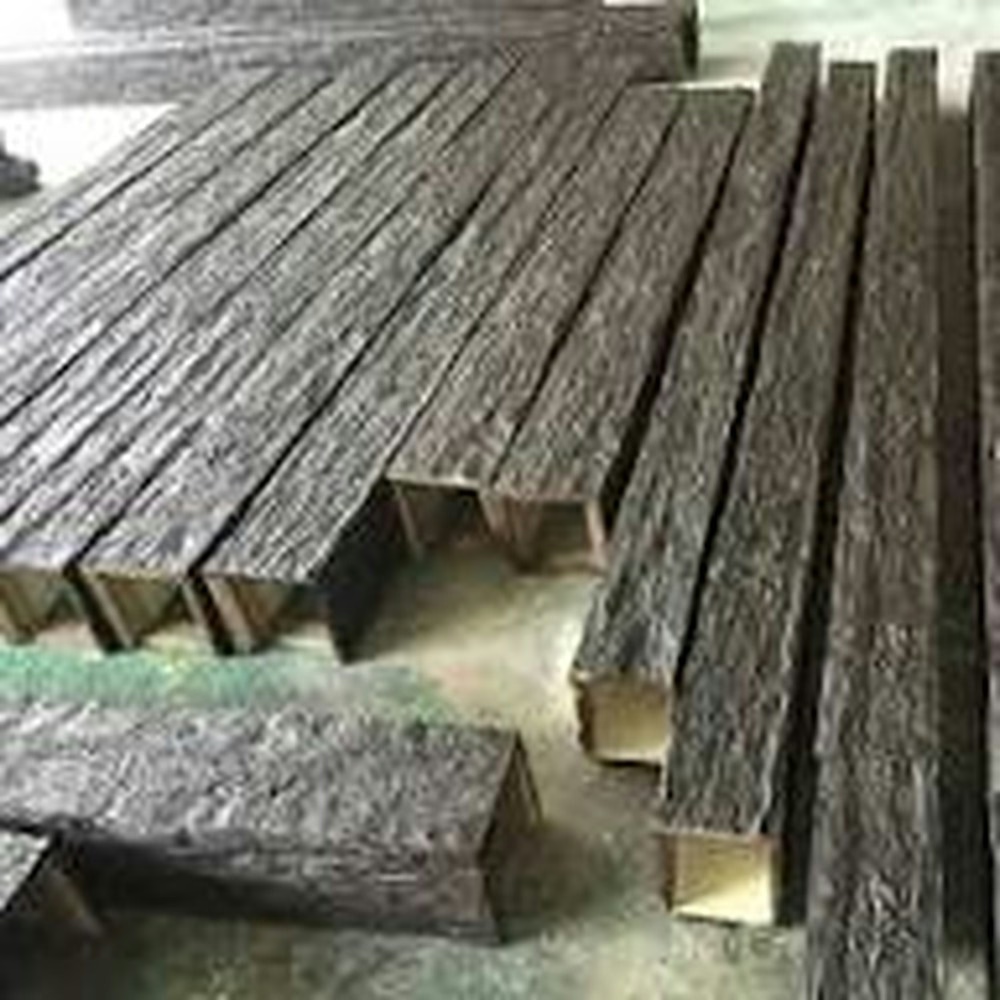
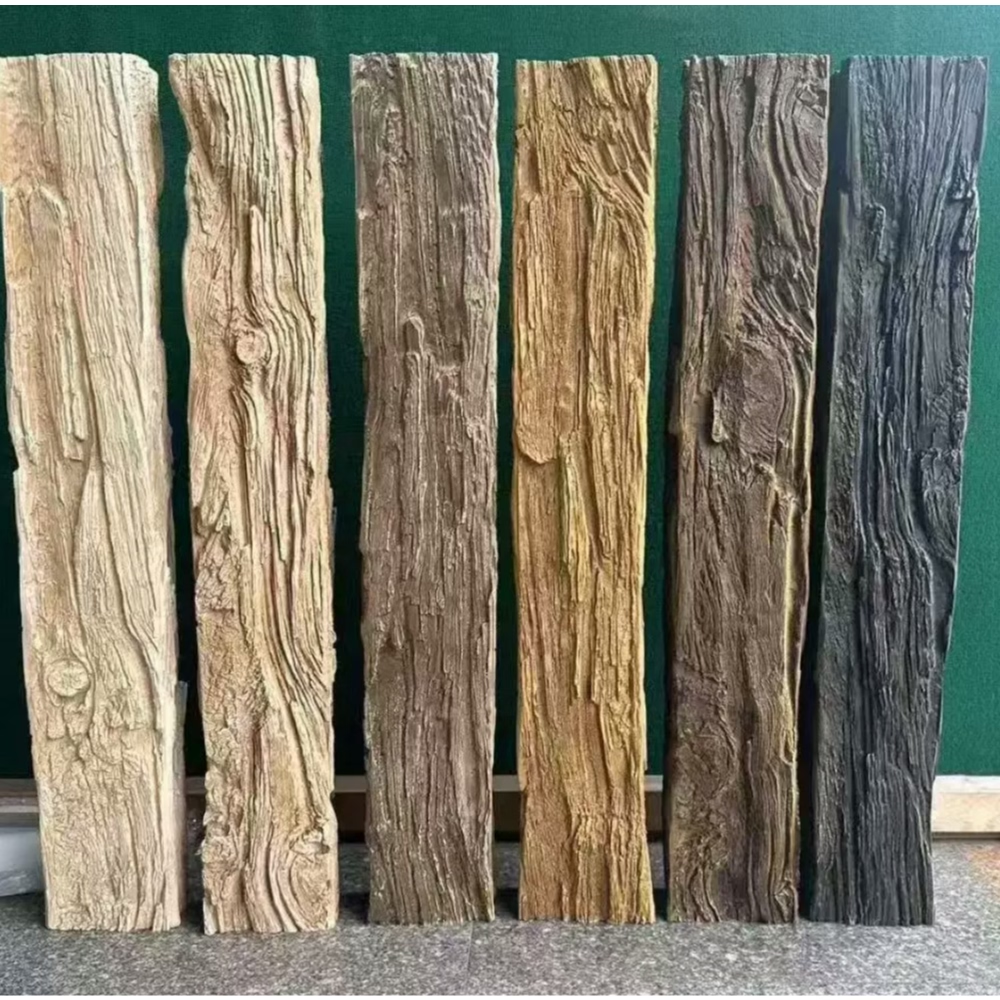
Barn wood authenticity requires attention to details that distinguish genuine reclaimed material from convincing reproductions. The silver-gray patina that characterizes weathered barn wood results from specific weathering processes that cannot be replicated through simple color application. Quality faux beams employ surface treatments that build this patina through multiple stages, creating depth and variation that read as naturally accumulated rather than uniformly applied.
Knot patterns and grain variations should follow the logic of authentic barn lumber, where the wood's history determines its appearance. Large knots indicate positions where branches once joined the trunk, creating characteristic patterns that repeat across similar species. Grain lines should display the subtle variations that distinguish real wood from mechanical reproduction—slightly irregular spacing, occasional wild grain around knots, and natural color gradations that respond to growth conditions.
Edge wear and surface damage contribute to barn wood authenticity, representing the accumulated evidence of handling, stacking, and agricultural use. The most convincing reproductions incorporate these features as intentional design elements—softened corners, slight surface pitting, and selective stress marks that suggest the gradual aging authentic barn lumber undergoes. Beams with sharp manufactured edges always read as new regardless of surface treatment, undermining the authenticity the aesthetic seeks.
The farmhouse renovation incorporating barn wood look faux beams transforms ordinary spaces into homes that communicate their inhabitants' values and priorities. The rustic aesthetic honors the agricultural heritage that farmhouse style references while the practical performance of polyurethane construction ensures lasting satisfaction without the maintenance demands that authentic barn wood would require. This combination of authenticity and practicality makes faux beams ideal solutions for renovation projects seeking farmhouse character at accessible cost and manageable commitment.
Technical References
ASTM standards cited in every specification
Test Data
Lab results from internal testing program
Updated 2026
Reviewed against current product specs