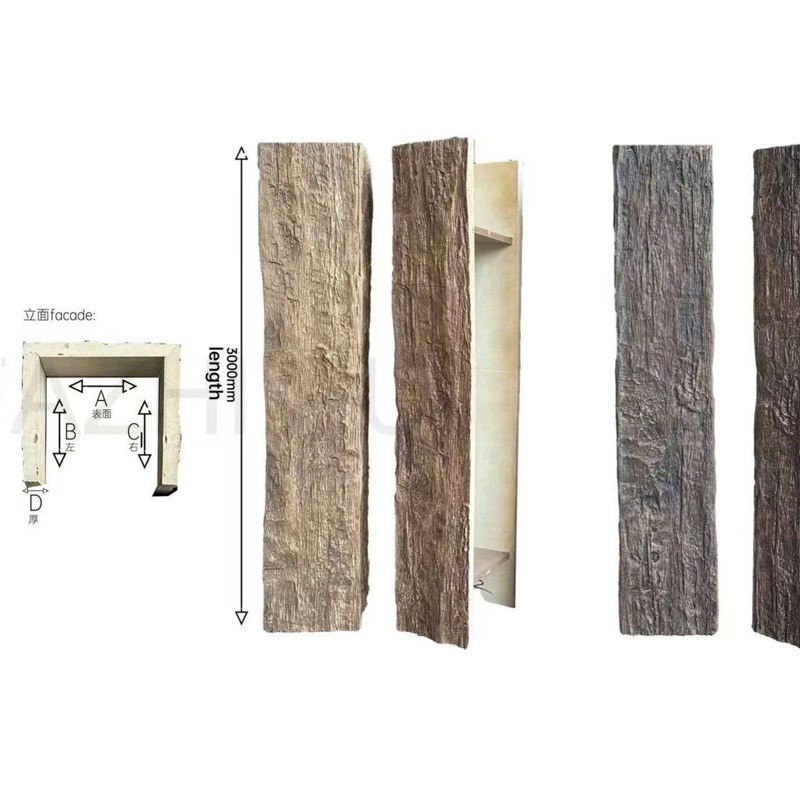
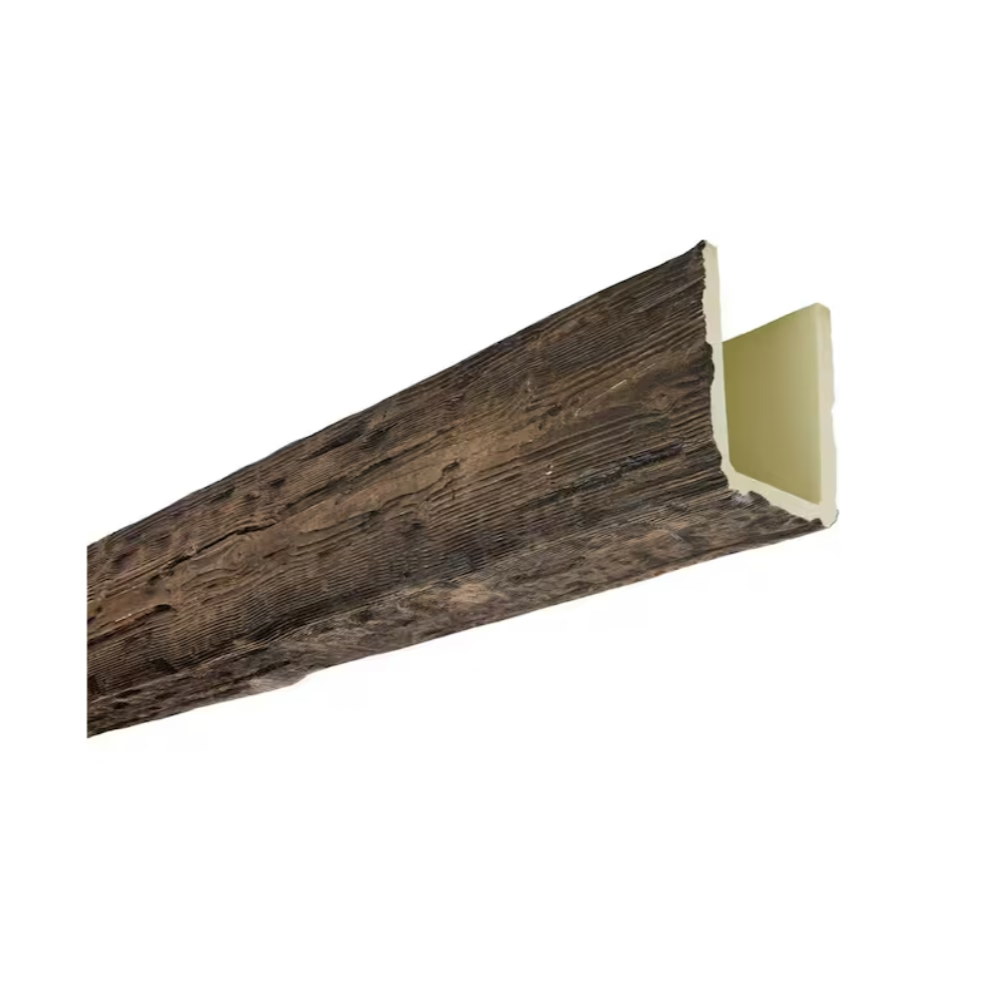
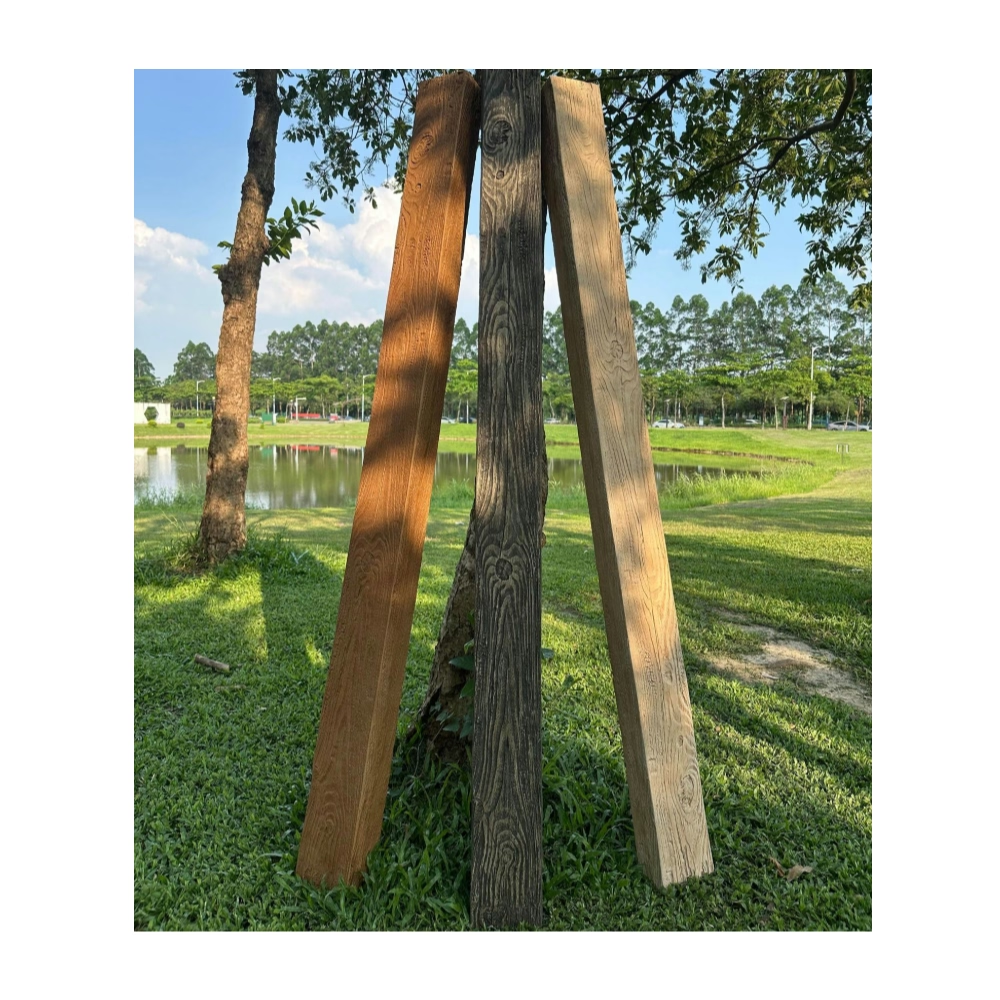
Country living evokes specific imagery: porches where neighbors stop for conversation, kitchens where extended families gather around worn wooden tables, and living rooms where the fireplace creates the literal and figurative center of home life. These spaces exist not as aspiration but as attainable reality for millions of homeowners who choose substance over style, function over fashion, and accumulated character over manufactured perfection. The architecture that houses this way of life communicates its values through honest materials—wood that shows its history, stone that reveals its quarry origins, and metal that displays its utilitarian purpose. For those building new or renovating existing structures with country aesthetics in mind, barnwood style faux beams provide the finishing element that ties these varied materials into coherent design language.
The term barnwood encompasses considerable variation, reflecting the diverse sources from which it originates. Barn boards weathered for decades in agricultural settings differ significantly from interior millwork that accumulated patina through household use, and both differ from structural timbers salvaged from collapsed or demolished agricultural buildings. What unites these varied sources is the evidence of time—surface changes that occurred gradually through exposure to light, air, and human activity. Capturing this accumulated character in manufactured products requires sophisticated understanding of how wood ages and the specific weathering processes that create each barnwood variant.

The Appeal of Country Aesthetics
Country design philosophy prioritizes comfort, practicality, and connection to agricultural heritage over the newest trends or most expensive materials. Spaces designed according to these principles feel welcoming precisely because they reject the perfection that makes environments feel inhospitable. Worn surfaces invite touch, mismatched elements encourage individual expression, and the visible history embedded in materials creates narrative that new construction cannot provide. This approach to design recognizes that homes serve human needs rather than displaying wealth or sophistication.
The color palette of country aesthetics draws from earth and sky—warm browns that echo fertile soil, muted greens that reference pastures and woodlands, and sky blues that provide refreshing contrast. Barnwood beams fit naturally within this palette, their silver-gray to honey-brown tones bridging warm and cool sides of the spectrum while introducing the neutral grounding that prevents more saturated colors from overwhelming spaces. The wood grain patterns add visual interest that plain surfaces cannot provide, rewarding extended observation with continuously discovered details.
Scale and proportion in country design favor human comfort over dramatic statement, with spaces designed for actual use rather than visual impressiveness. Beams in country applications should contribute texture and character without dominating the rooms they inhabit. Modest six to eight-inch beams often prove more appropriate than the substantial timbers that mountain lodge or rustic cabin aesthetics might require, reflecting the smaller scale of traditional country architecture and the intimacy its inhabitants valued.
Design Integration Across Country Home Spaces
Great rooms in country homes typically serve multiple functions—living, dining, and family activities within single expansive volumes. Beam installations in these spaces must contribute to unified aesthetic while accommodating functional requirements that vary across the room. Above seating areas, beams frame conversation zones and anchor furniture groupings. Above dining tables, they establish the special purpose of the eating area within larger room. The key lies in achieving balance—enough visual presence to establish character without creating awkwardness for activities that must occur beneath.
Kitchen applications in country homes often reference the farm kitchens where family life centered before the modern open plan emerged. These spaces valued practicality above all else, with work surfaces positioned for efficiency and storage organized for access rather than display. Beam installations in country kitchens should respect this heritage, contributing warmth without interfering with the functional clarity that cooking spaces require. Over-island installations prove particularly effective, creating gathering points that complement rather than complicate the kitchen's work-centered layout.
Bedroom applications in country homes emphasize rest and retreat, with beam installations contributing to the cozy enclosure that promotes restorative sleep. Lower ceiling heights common in country bedroom design make substantial beams inappropriate, but modest beams spanning above the bed create the protective canopy effect that enhances the sense of shelter. The darkened surfaces of barnwood-appearing beams cast shadows that add depth to spaces where soft lighting and restful atmosphere take precedence over dramatic visual effects.
Practical Considerations for Country Applications
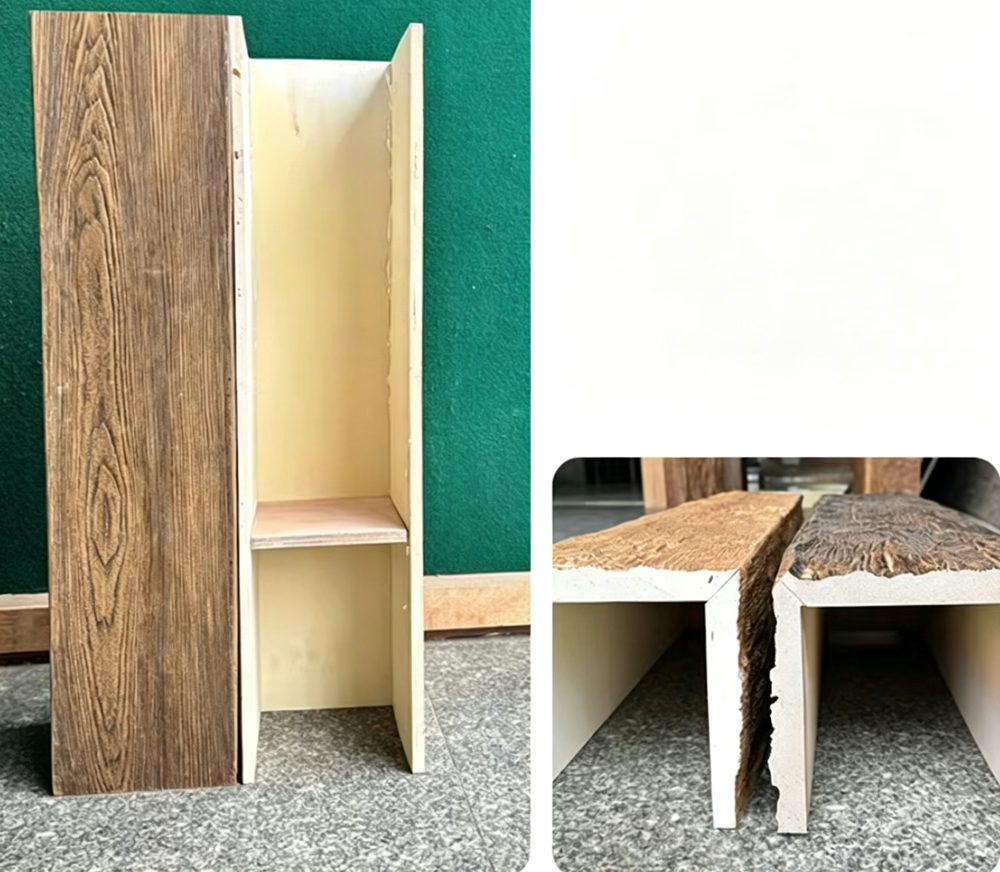
The practical advantages of polyurethane construction align naturally with country living values, where functionality and durability rank above status and display. Country homeowners typically prioritize long-term value over initial impression, choosing materials that perform reliably over those that impress momentarily before requiring replacement. Polyurethane faux beams support these priorities through exceptional durability, moisture resistance, and maintenance simplicity that deliver satisfaction throughout extended service lives.
Installation accessibility represents significant advantage for country applications, where professional contractors may be distant and DIY capability often determines project feasibility. The lighter weight of polyurethane compared to authentic timber—typically sixty to seventy percent reduction—allows installation by capable homeowners without the equipment and assistance that handling heavy beams requires. This accessibility expands the range of projects homeowners can undertake while reducing costs for those who employ contractors.
The consistency of manufactured faux beams simplifies specification and matching in ways that reclaimed barnwood cannot provide. Each beam from a quality manufacturer matches the others precisely, allowing confident purchase of multiple units knowing that appearance will be uniform across the installation. This predictability proves valuable for extensive installations where visual consistency matters, and for renovation projects where new beams must match existing elements or complement established design languages.
Selecting Authentic Barnwood Appearance
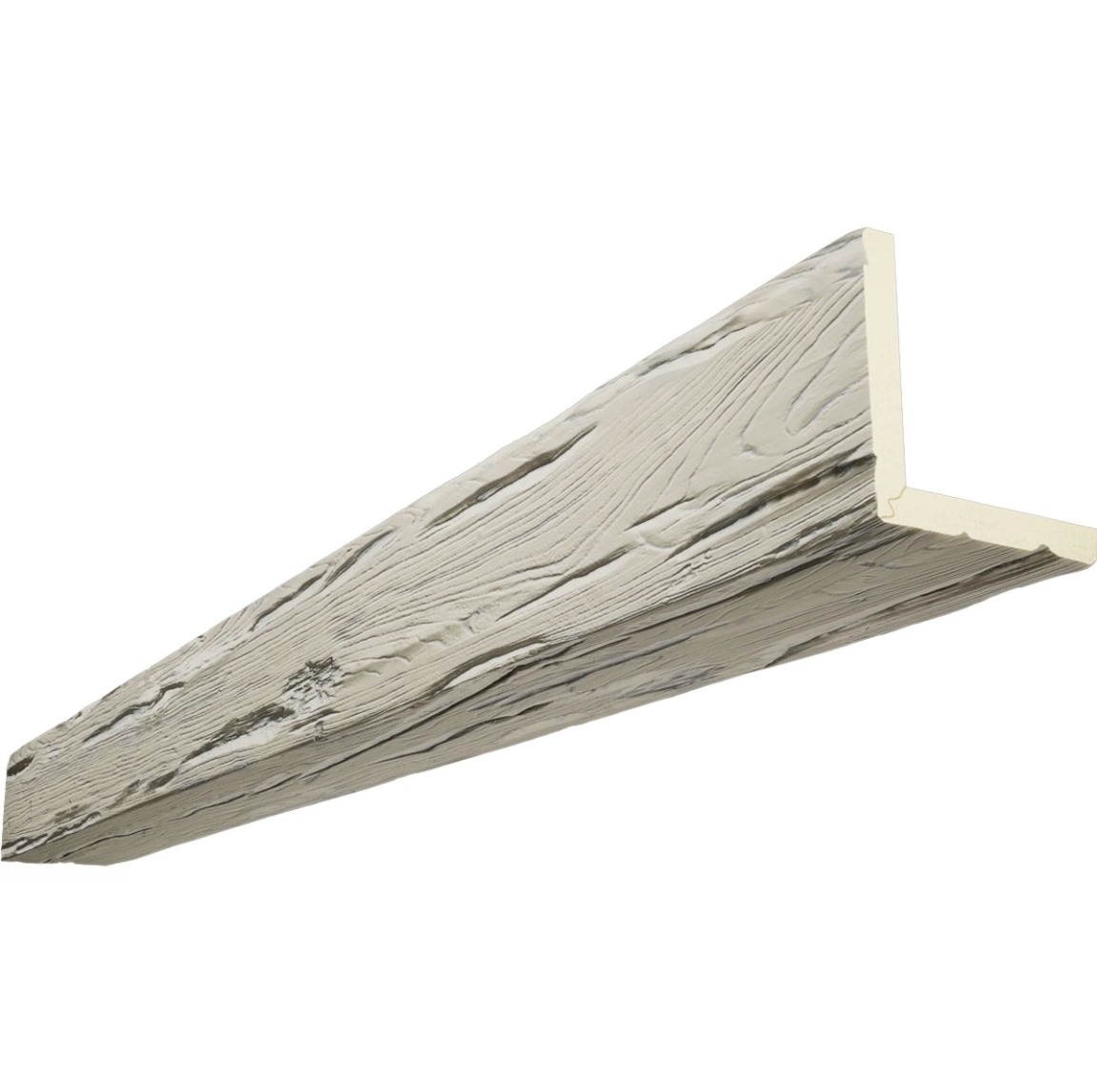
Surface texture development determines whether faux beams successfully communicate barnwood character, requiring attention to the specific weathering patterns that distinguish barn siding from other rustic wood sources. The silver-gray patina develops through photochemical degradation of surface fibers, creating the chalky appearance that reflects light differently than fresh wood. Beneath this surface layer, checks and cracks develop following grain lines, creating the dimensional texture that distinguishes weathered from simply gray-stained material.
Grain patterns in barnwood beams should reflect the species and growing conditions that produced authentic barn lumber. Eastern barns typically employed oak, chestnut, or pine species, while western construction drew on Douglas fir, ponderosa pine, and other available species. Each species displays characteristic grain patterns that informed builders' selection for specific applications. Faux beams should exhibit the grain characteristics of appropriate species rather than generic wood appearance, creating the authenticity that close examination rewards.
Nail holes, insect damage, and mechanical wear contribute additional character that distinguishes barnwood from other rustic sources. The most convincing reproductions incorporate these features as intentional design elements positioned to suggest authentic history rather than random manufacturing artifacts. A pattern of nail holes suggesting former attachment, scattered beetle tunnels that catch light at angles, and corner wear from handling together create the sense of accumulated history that barnwood embodies.
Barnwood style faux beams make country aesthetic accessible to homeowners regardless of access to authentic reclaimed material or budget for premium sourcing. The combination of convincing appearance, practical performance, and installation simplicity positions these products as ideal solutions for country homes seeking authentic character through honest materials. The result proves that achieving timeless country charm requires neither authentic reclaimed barnwood nor decades of patient weathering—only thoughtful selection of products that honor the aesthetic they reference.
Technical References
ASTM standards cited in every specification
Test Data
Lab results from internal testing program
Updated 2026
Reviewed against current product specs