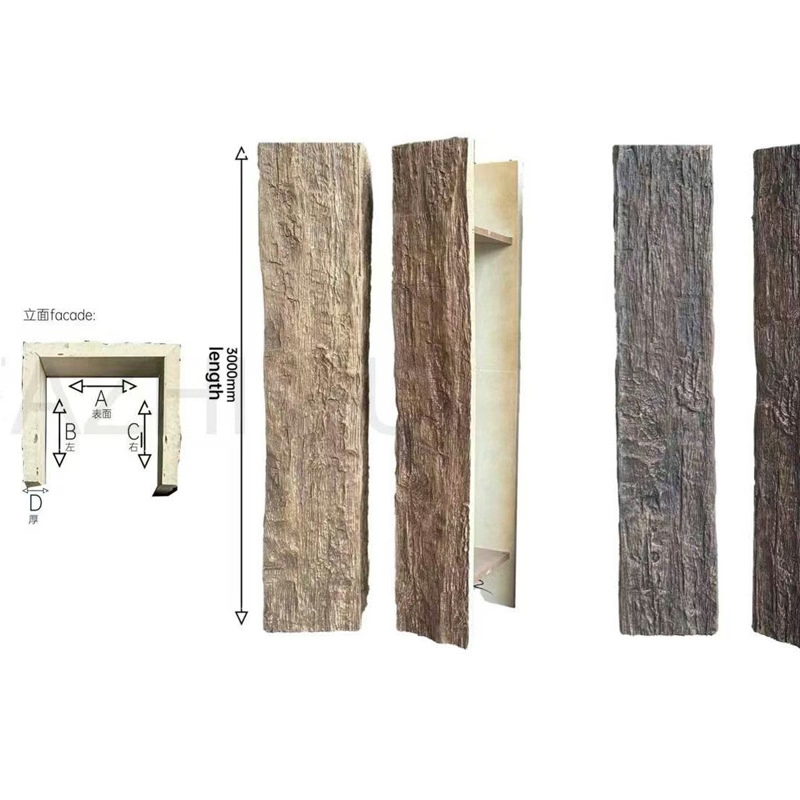
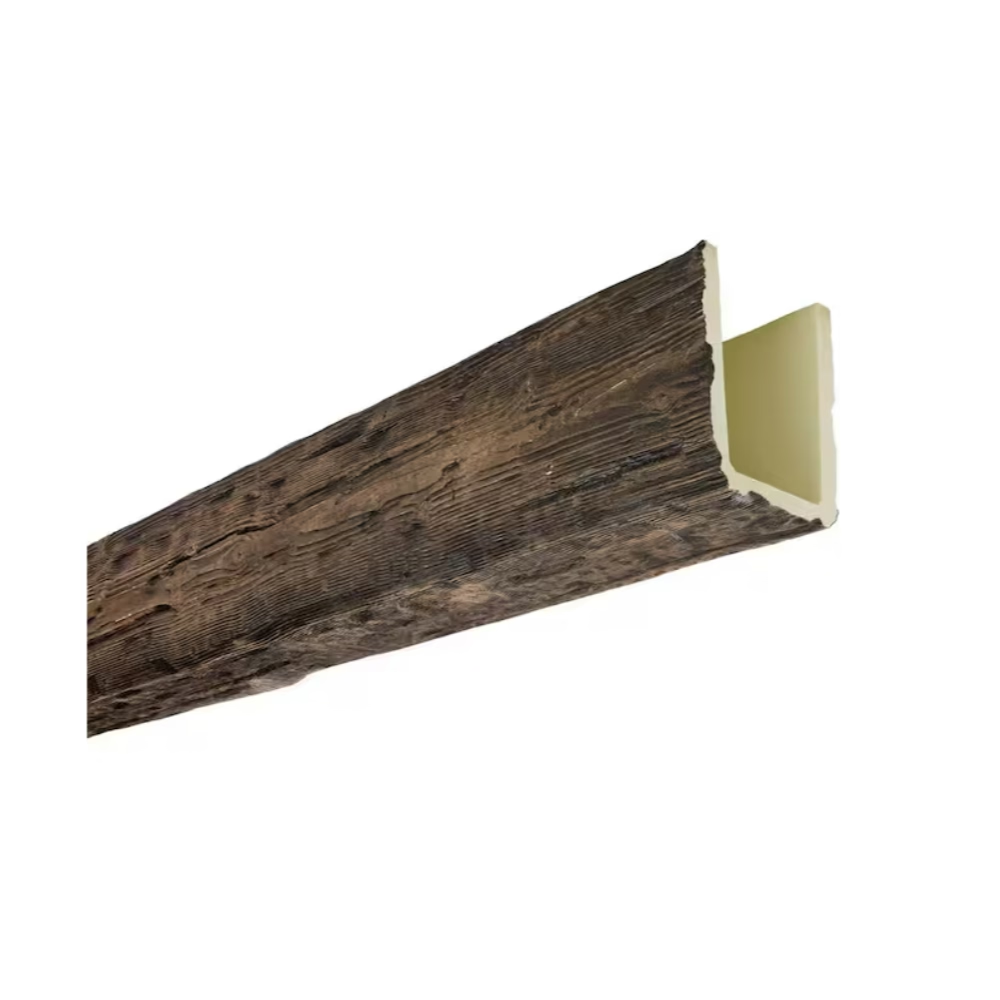
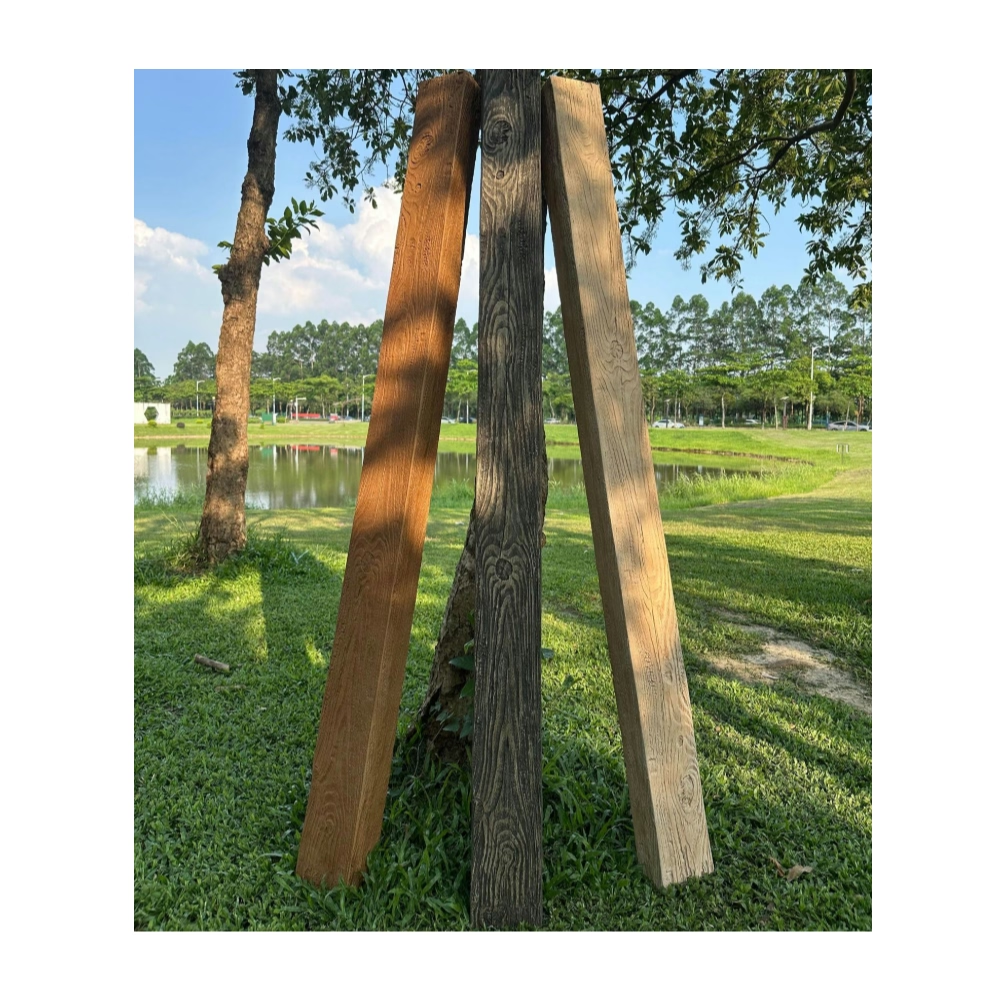
Country homes occupy a special place in the American residential landscape, representing values that transcend mere shelter to express deeper connections to land, tradition, and simpler ways of living. These structures—ranging from modest farmhouses to substantial country estates—share design principles that prioritize livability, honest materials, and connection to surrounding landscape over the status signaling that urban and suburban architecture often emphasizes. The interiors of successful country homes feel genuinely welcoming rather than merely impressive, inviting extended habitation rather than driving-through appreciation. Achieving this character requires attention to finishing details that transform new construction into spaces with the accumulated feeling that defines authentic country style. Faux ceiling beams with rustic farmhouse finish provide one of the most effective pathways to this desired atmosphere, adding overhead presence that anchors rooms while introducing the texture and warmth that country interiors require.
The term farmhouse finish describes a specific aesthetic vocabulary derived from the weathered materials that traditional agricultural buildings employed. These finishes developed through years of use and exposure rather than deliberate application, creating surface conditions that communicate history and endurance. The appeal of this aesthetic lies in its authenticity—materials that tell stories about their origins and the lives they supported. Faux beam manufacturers have studied these characteristics extensively, developing polyurethane products that capture farmhouse finish qualities without requiring the decades of patient aging that authentic materials demand.

Characteristics of Farmhouse Finish Aesthetic
Farmhouse finish aesthetics distinguish themselves through evidence of use and exposure that reveals authentic history. Rather than the clean perfection that contemporary construction often pursues, farmhouse finish celebrates the marks that time leaves on materials—the softening of sharp edges through handling, the deepening of colors through oxidation, and the developing of texture through wear. These characteristics cannot be achieved through surface application alone but must be integrated into the material's physical structure through careful manufacturing processes.
Color in farmhouse finish applications typically ranges from warm honey tones through medium browns, with occasional gray undertones that reference weathered exterior exposure. The key lies in achieving color variation that suggests differential aging—darker tones near edges and handling points, lighter tones in protected field areas. This graduated coloring creates visual interest that uniform staining cannot replicate, making each beam appear to have developed its appearance through actual use rather than factory application.
Surface texture in farmhouse finish work emphasizes natural wood character rather than manufactured smoothness. The relatively soft woods commonly employed in traditional construction develop surface conditions through use that machine-produced lumber cannot naturally achieve. Knots should display characteristic patterns that reflect the tree's original growth, with surrounding grain patterns responding to these interruptions. Grain lines themselves should show the subtle irregularities that distinguish real wood from synthetic reproduction.
Beam Selection for Country Interiors
Selecting appropriate beams for country interiors requires balancing aesthetic goals with practical considerations that affect long-term satisfaction. Beam size should relate to room dimensions, with larger rooms accommodating more substantial timbers and smaller spaces requiring more modest dimensions. The goal is achieving visual balance where beams enhance room character without overwhelming the human scale of the people inhabiting the space. Beams that appear too small against room dimensions create disappointment, while oversized beams can make spaces feel cramped despite their actual dimensions.
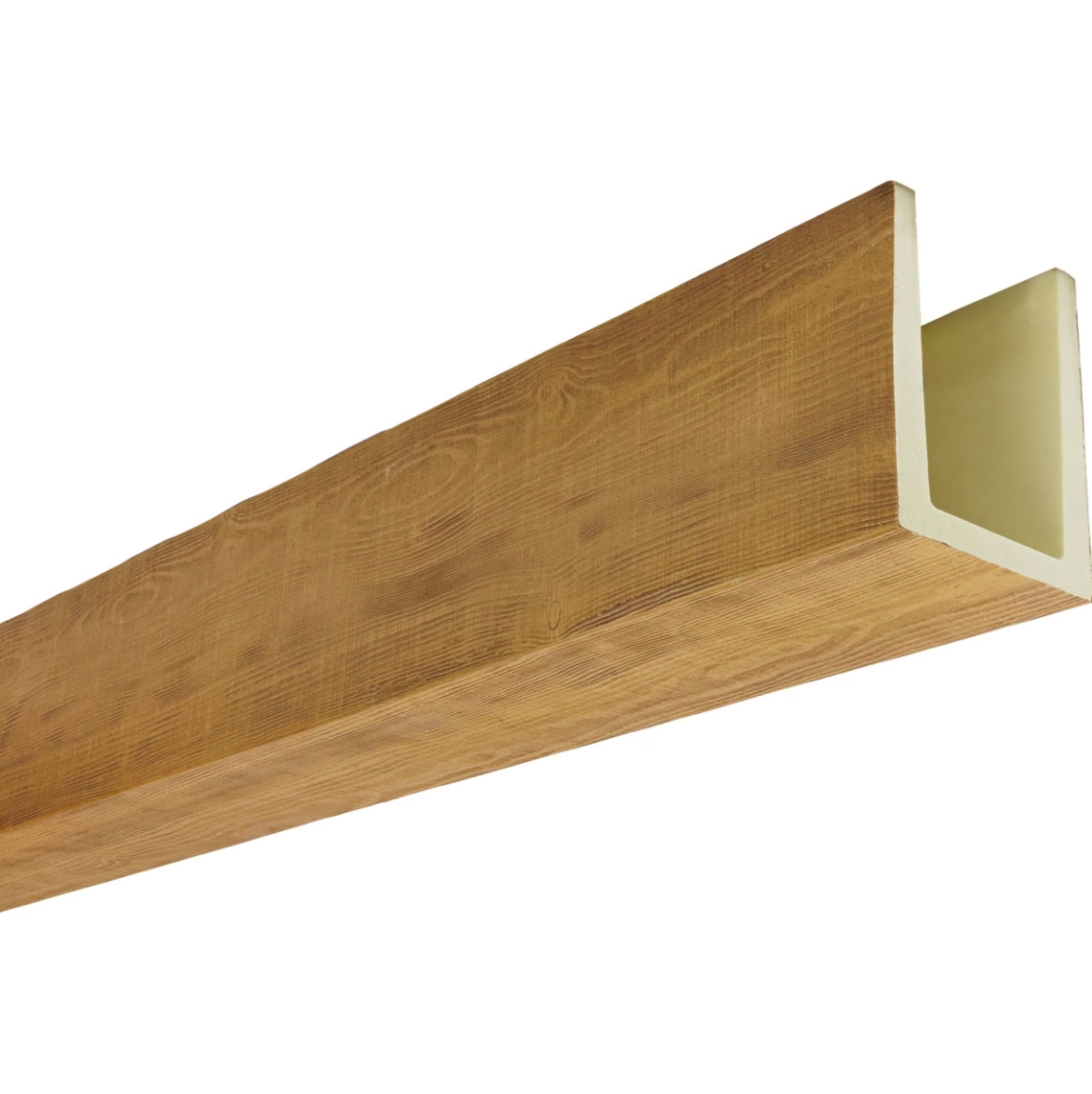
Finish selection influences the overall mood that beam installations create. Darker finishes contribute formal gravitas appropriate for dining rooms and living spaces where gatherings occur, while lighter finishes create more casual atmosphere suitable for family rooms and informal living areas. The farmhouse finish category encompasses considerable range within this spectrum, allowing selection that coordinates with specific room functions and overall home design language.
Texture intensity should coordinate with other textural elements throughout the room. Country interiors typically feature multiple rustic textures—stone fireplaces, woven textiles, worn wood furniture—that create layered visual richness. Beam textures should complement rather than compete with these elements, contributing to the overall textural composition without creating visual confusion. The goal is achieving harmony where each texture enhances appreciation of the others.
Installation Approaches for Country Applications
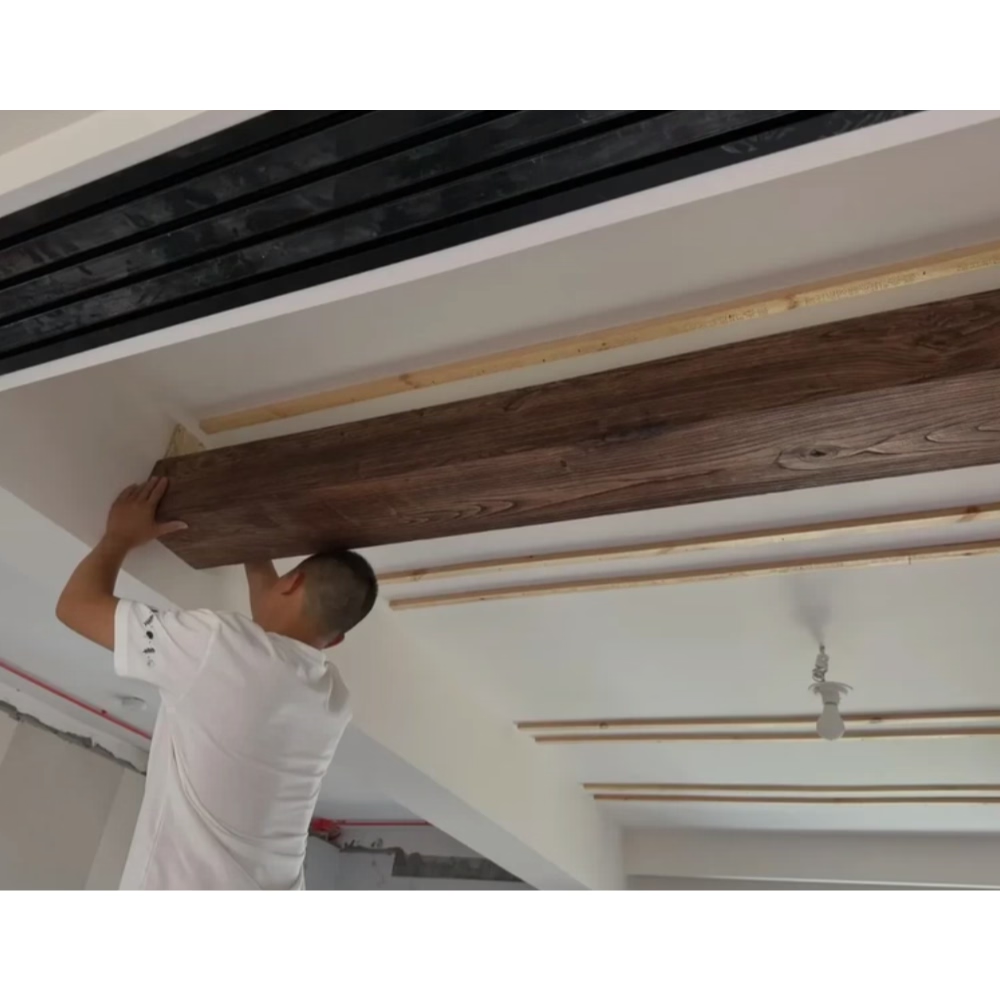
Installation technique influences both appearance and performance in country beam applications. Exposed beam installations, where beams project below ceiling plane to read as structural elements, create maximum visual impact while requiring appropriate ceiling height to avoid crowding human scale. These installations work well in rooms with nine-foot or taller ceilings where beams can achieve necessary visual presence without interfering with doorways, windows, or inhabitant movement.
Coffered installations, where beams attach to existing ceiling plane without projecting below, create less dramatic but still effective textural contribution. This approach suits rooms with lower ceilings where projecting beams would feel inappropriate, and renovation projects where ceiling structure cannot accommodate substantial projection. The beams still contribute color, texture, and design character while respecting existing architectural constraints.
Accent beam installations use limited beam elements to establish farmhouse character without committing to extensive ceiling coverage. A single prominent beam crossing above a fireplace, or parallel beams framing a dining area, can establish farmhouse language that extends throughout surrounding spaces. This approach proves particularly valuable in contemporary homes where extensive beam installations might feel incongruous, allowing strategic introduction of rustic elements that complement rather than overwhelm modern architecture.
Coordinating with Country Home Design Elements
Country homes typically incorporate multiple natural materials that should harmonize with beam installations. Wood floors, stone or brick fireplaces, and solid wood furniture all share material family with timber beams, creating opportunities for coordination that ties interior composition together. The key lies in achieving relationship rather than perfect match—beams that complement floor and furniture tones while maintaining distinct character that prevents monotonous repetition.
Color coordination between beams and other wood elements requires attention to overall composition rather than individual elements. The goal is creating visual flow that guides the eye through the space without jarring transitions or dead ends. Beams might reference floor tones in larger rooms where direct coordination creates continuity, or provide contrasting accent that breaks monotony in spaces with extensive floor coverage. Each decision should serve the overall composition rather than isolated element appearance.
Textile coordination extends beam character into softer territories that balance timber's visual weight. Woven throws, linen curtains, and cotton slipcovers introduce fiber textures that complement wood grain while adding visual softness that prevents country interiors from feeling harsh. The layered textural approach that successful country design employs creates richness through accumulation, with each element contributing distinct character that collectively exceeds what any single material could achieve.
The farmhouse finish faux ceiling beam provides accessible pathway to country home character, allowing homeowners to achieve authentic rustic aesthetics without the sourcing challenges and ongoing maintenance that authentic weathered timber would require. The combination of convincing appearance, practical performance, and installation simplicity positions these products as ideal solutions for country homes seeking to establish genuine farmhouse atmosphere through thoughtful material selection.
Technical References
ASTM standards cited in every specification
Test Data
Lab results from internal testing program
Updated 2026
Reviewed against current product specs