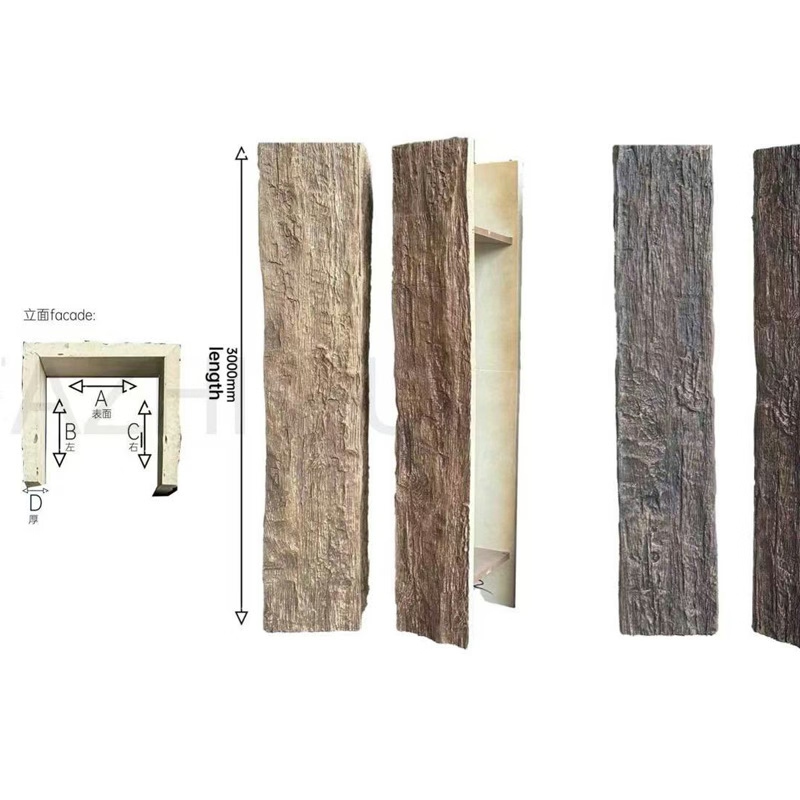
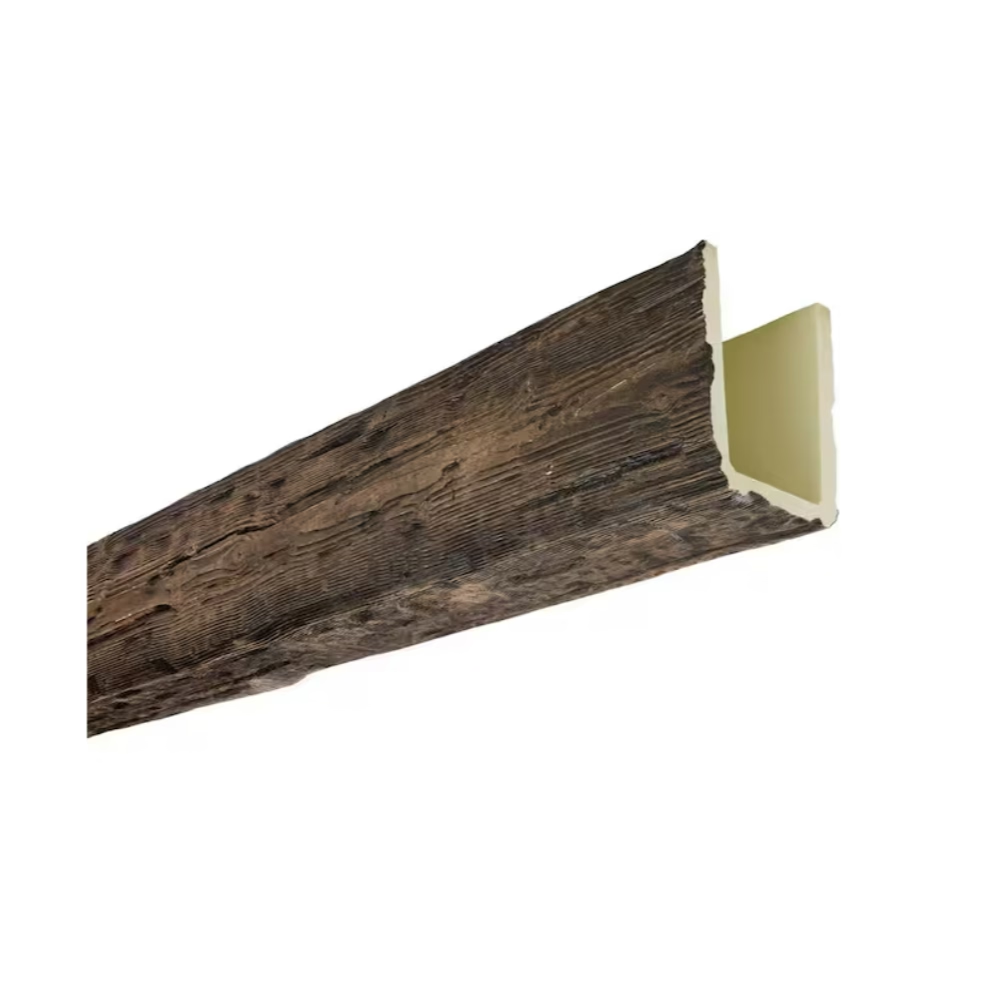
The concept of coziness in residential design transcends mere temperature regulation to encompass psychological comfort that makes spaces genuinely restorative. Cozy interiors welcome rather than impress, inviting extended occupation rather than driving-through appreciation. This quality emerges not from any single design element but from the accumulated effect of choices that prioritize human comfort—appropriate scale, warm materials, layered textures, and the absence of ostentation that makes spaces feel more like showrooms than homes. Farmhouse style has proven remarkably effective at achieving coziness precisely because it was developed for actual habitation rather than display, with centuries of refinement guiding choices toward genuine livability. Faux ceiling beams contribute to this cozy character by adding overhead warmth that softens spaces and introduces the natural texture that promotes relaxation.
Creating truly cozy interiors requires understanding what makes spaces feel welcoming versus merely adequate. High ceilings create grandeur but can feel impersonal in modest rooms where the overhead void becomes conspicuously empty. Bright, white surfaces feel clean but can feel clinical when not balanced with warmer elements. Perfect, undamaged materials suggest wealth but lack the patina that invites touch and habitation. Farmhouse style addresses each of these concerns through deliberate choices that prioritize livability over impression management.

Scale and Proportion for Comfort
Achieving cozy atmosphere requires attention to scale that makes spaces feel appropriately sized for their inhabitants rather than awkwardly proportioned regardless of actual dimensions. Ceiling height plays crucial role in this perception, with lower ceilings creating enclosure that promotes comfort while higher ceilings contribute grandeur at the expense of intimacy. Beam installations can address ceiling height concerns by introducing visual mass that reduces perceived emptiness in tall spaces or by creating canopy effects that establish human-scaled zones within larger volumes.
Beam size relative to room dimensions determines whether installations achieve desired atmosphere. Oversized beams can overwhelm modest rooms, creating visual weight that feels oppressive rather than enclosing. Undersized beams disappear against ceiling planes, failing to contribute the textural interest that cozy spaces require. The appropriate size emerges from understanding both actual room dimensions and the psychological effects that different scales create. Generally, beams should measure between one-twelfth and one-fifteenth of ceiling height to achieve the visual presence that cozy interiors require without creating awkward proportions.
Spacing between parallel beams influences the rhythm that ceiling installations establish. Closer spacing creates more intimate atmosphere, with beams dominating ceiling planes and establishing consistent visual pattern. Wider spacing allows ceiling planes to read more clearly between beams, creating airier feeling that may better suit formal living spaces. The choice depends on room function and the overall atmosphere goals, with family rooms and informal spaces typically benefiting from closer spacing that emphasizes coziness.
Warmth Through Material Selection
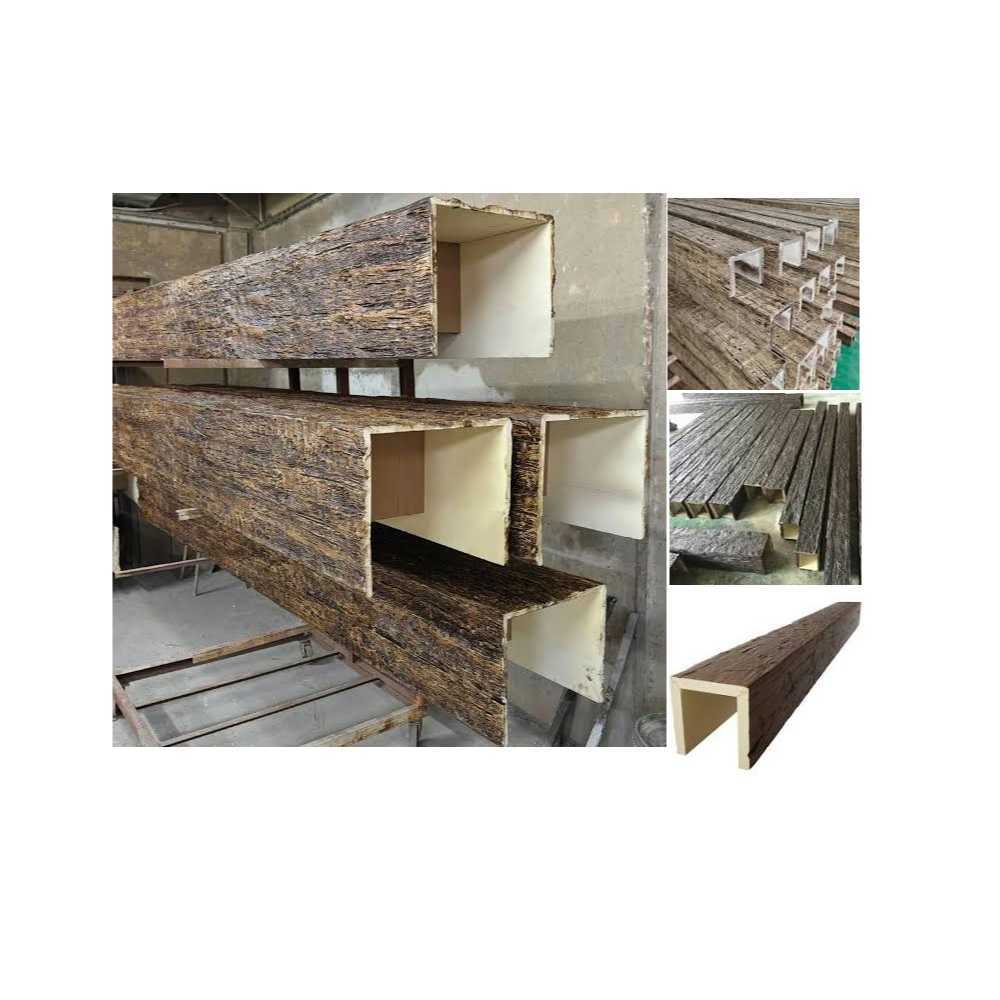
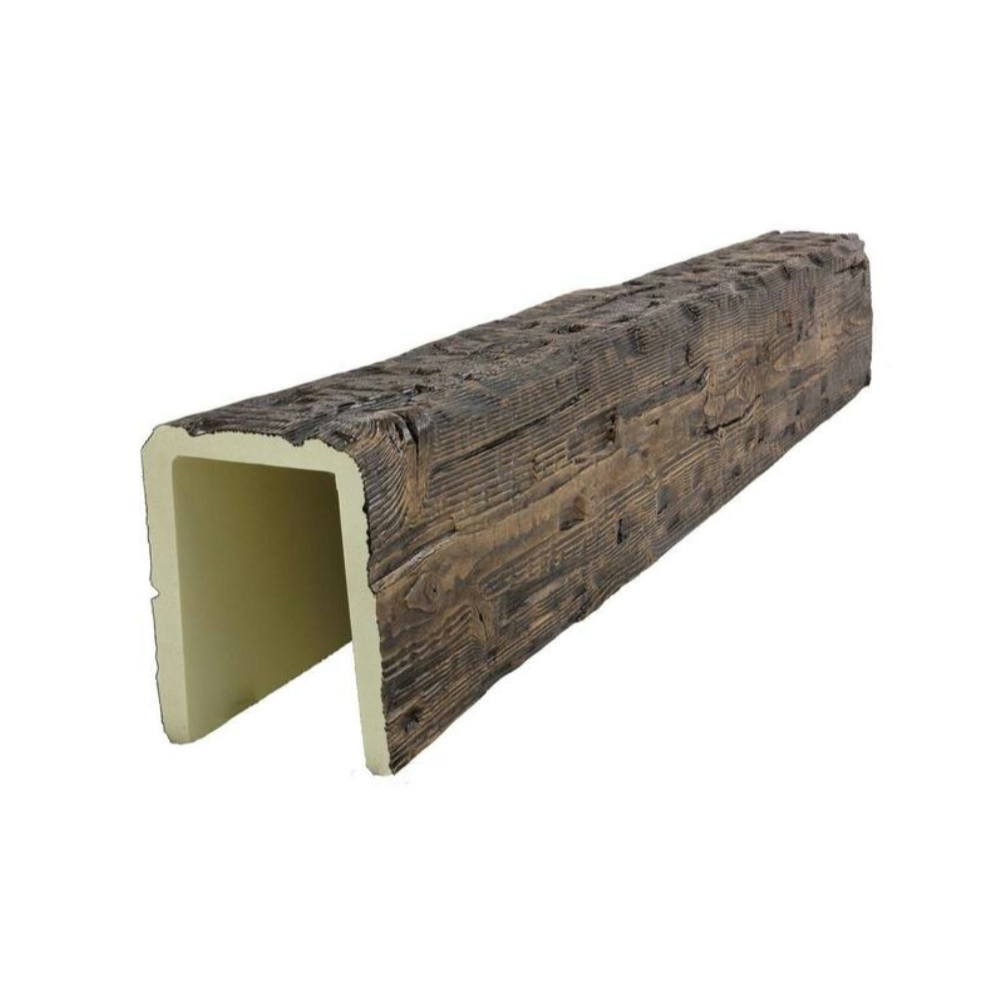
Material selection directly influences the warmth that interiors communicate, with wood providing natural warmth that synthetic materials cannot replicate. The organic irregularities of wood grain catch light in ways that create visual interest and depth, while the material's thermal properties make it feel warm to touch even in cool conditions. Faux beams manufactured from polyurethane can convincingly replicate these wood characteristics through careful texturing and finishing that captures the essential qualities of authentic timber.
Color temperature significantly influences cozy atmosphere, with warmer tones promoting comfort while cooler tones create formality. Farmhouse style typically employs wood tones in the honey-to-amber range, with occasional darker accents that add depth without creating heaviness. The specific tone should coordinate with overall room palette, considering wall colors, floor materials, and furniture finishes that share visual field with beam installations. The goal is achieving harmony that feels welcoming rather than discordant.
Surface texture contributes warmth through tactile qualities that smooth finishes cannot provide. The subtle irregularities of wood grain create surfaces that catch light variably, producing visual interest that rewards extended observation. Weathered and distressed textures add additional warmth by suggesting the accumulated patina that makes older spaces feel genuinely inhabited. These textures emerge from manufacturing processes that replicate authentic wood characteristics rather than from post-production application.
Layering for Textural Richness
Cozy interiors typically achieve their character through textural layering that creates visual and tactile richness. Multiple textures combining within compositions produce interest that no single material can achieve, with each element contributing distinct character that enhances appreciation of surrounding elements. Beam installations provide foundational textural layer upon which furniture, textiles, and accessories build additional interest.
Fabric choices in cozy farmhouse spaces should complement beam textures while adding softer textural elements. Linen, cotton, and wool contribute fiber textures that balance wood grain, while leather introduces tanned hide character that echoes traditional farmhouse upholstery. The layered fabric approach—throws, pillows, curtains—adds visual softness that prevents wood-dominated spaces from feeling harsh.
Wall treatments in farmhouse interiors typically provide neutral backdrops that allow furniture and beams to provide visual interest. Whitewashed planks, plaster finishes, and brick surfaces create textural backgrounds that coordinate with rustic ceiling elements while maintaining the light, airy quality that farmhouse spaces favor. The wall-beam relationship should create balance where neither dominates, with beams adding warmth to wall surfaces and walls preventing beams from overwhelming spaces.
Light and Shadow in Cozy Spaces
Lighting design significantly influences the cozy atmosphere that farmhouse interiors seek. Overhead fixtures wash ceiling planes with illumination that can flatten texture or, properly directed, emphasize beam surfaces and create the shadows that add dimensional interest. Recessed lighting positioned to graze beam surfaces creates dramatic shadow patterns that animate ceiling planes throughout the day as natural light angles shift.
Ambient lighting layers contribute additional warmth through fixtures positioned at human scale rather than ceiling height. Table lamps, floor lamps, and wall sconces create pools of illumination that draw inhabitants toward comfortable seating arrangements. The warm color temperature of incandescent and LED alternatives promotes relaxation in ways that cooler daylight-balanced sources cannot match.
Natural light integration requires balancing brightness that enhances spaces against the glare that can undermine coziness. Window treatments that diffuse rather than block light soften the harsh contrast between bright windows and darker interior surfaces. Beam installations near windows create visual anchoring that prevents bright openings from dominating compositions while adding textural interest to wall areas surrounding windows.
The combination of farmhouse style aesthetics and practical polyurethane construction creates interior spaces that achieve genuine coziness through accumulated thoughtful choices. Faux ceiling beams contribute foundational warmth and texture that support additional layers of comfort, establishing atmosphere that welcomes rather than impresses. The result proves that achieving cozy farmhouse character requires neither extensive budget nor decades of patient accumulation—only understanding of the principles that make spaces genuinely livable.
Technical References
ASTM standards cited in every specification
Test Data
Lab results from internal testing program
Updated 2026
Reviewed against current product specs