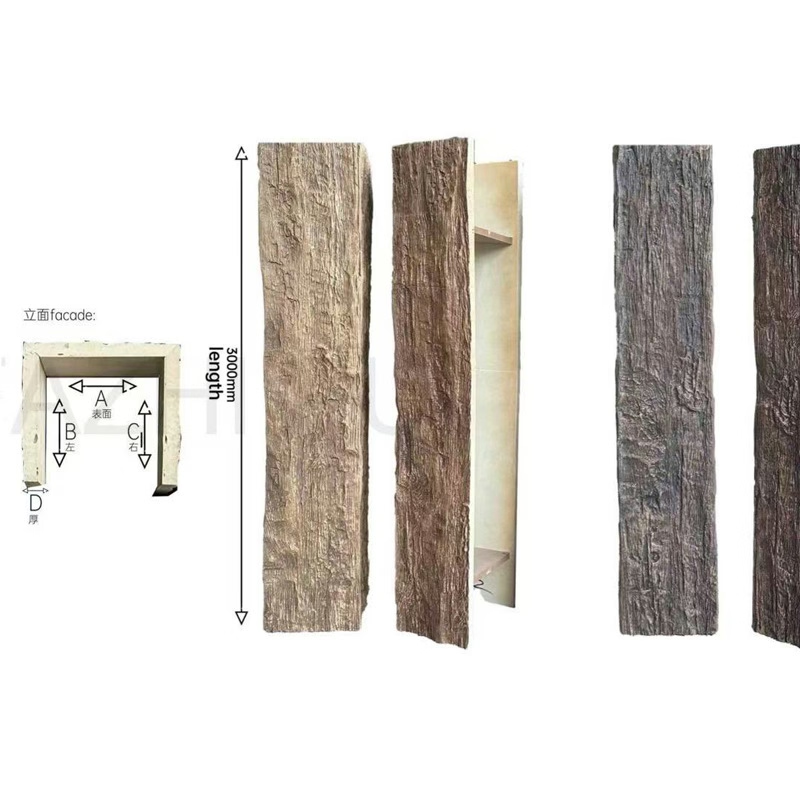
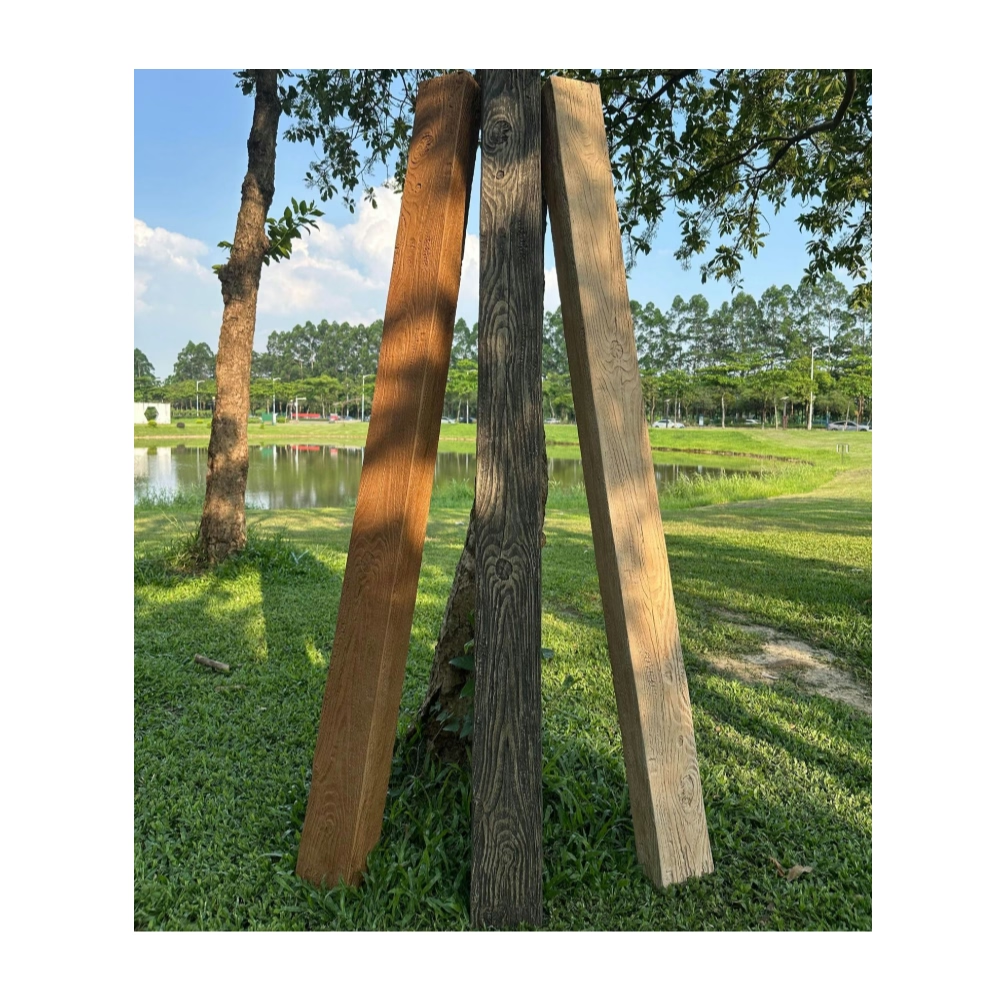
Designing nurseries requires balancing aesthetic aspirations with stringent safety requirements. Parents naturally want beautiful spaces for their children, yet any element that introduces hazard potential compromises the essential protectiveness that nursery design must provide. Ceiling beams offer compelling aesthetic opportunities, but traditional timber presents genuine safety concerns in spaces where children will play, grow, and eventually climb.
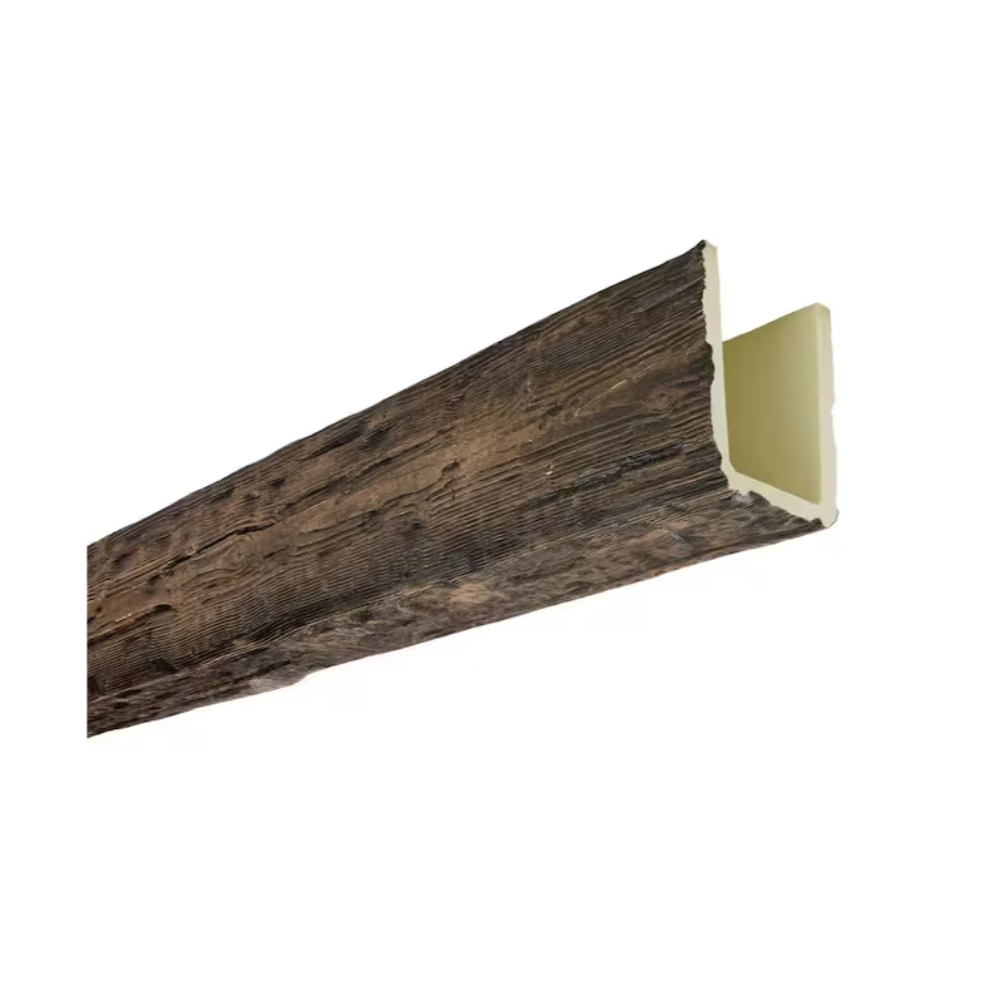
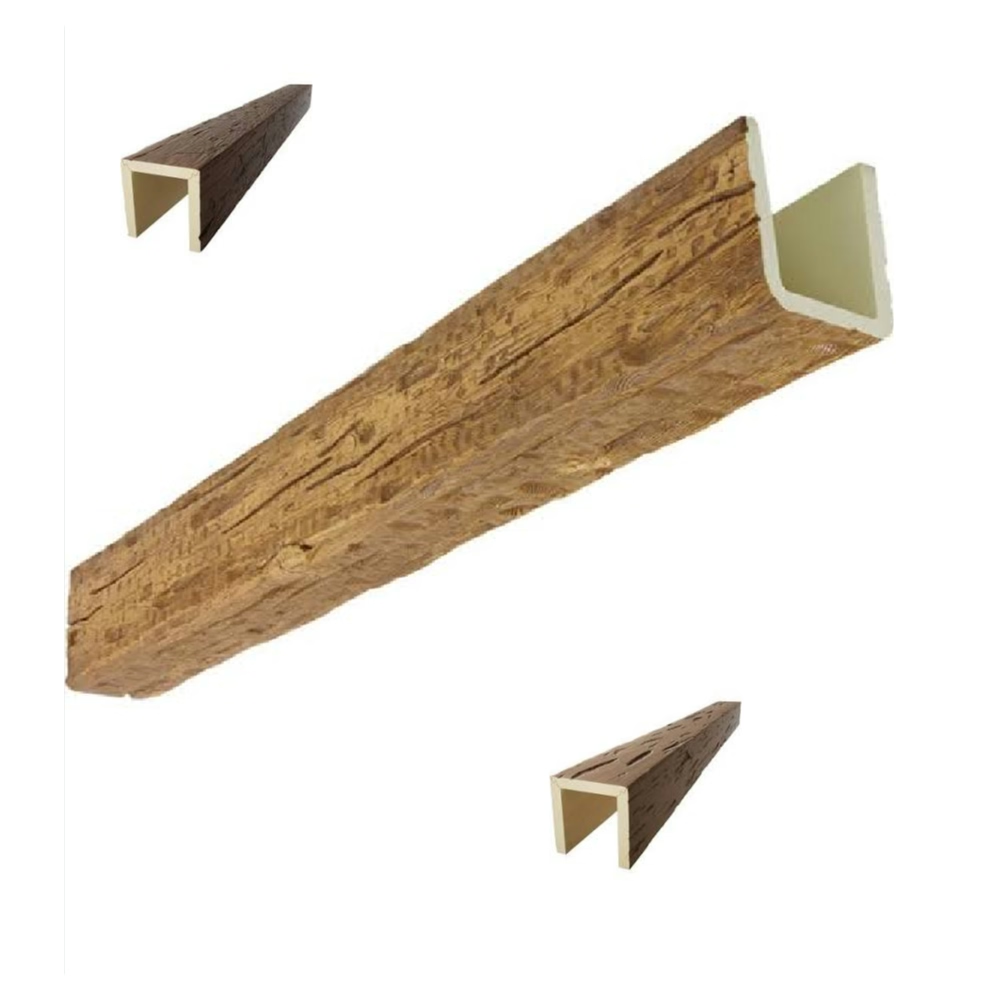
Polyurethane faux beams address these concerns directly. The material's lightweight nature eliminates the most serious risks that heavy beams pose, while factory-applied finishes remove concerns about on-site coatings that might contain harmful chemicals. Understanding these safety dimensions helps parents make informed decisions about incorporating beams into nursery design.
Understanding Nursery Safety Priorities
Child safety in residential spaces involves recognizing how children interact with their environments differently than adults. Infants and toddlers explore through touching, tasting, and climbing—behaviors that expose them to hazards that adults automatically avoid. Nursery design must account for these interaction patterns.
Falls represent the most common injury source for young children. Furniture tip-overs, stair descents, and elevated surfaces all present fall risks that worsen with height and hardness of landing surfaces. Ceiling beams positioned above these surfaces add vertical elements to fall scenarios that require consideration.
Lead hazards in older homes present concerns for crawling infants who接触到 painted surfaces at floor level. Modern faux beams avoid these concerns entirely since polyurethane doesn't contain lead and factory finishes eliminate on-site painting requirements.
Air quality affects the sensitive respiratory systems of infants more significantly than adults. Materials off-gassing volatile organic compounds create indoor air quality concerns. Quality polyurethane beams are manufactured to low-VOC standards that won't compromise nursery air quality.
The Weight Safety Advantage
Heavy ceiling beams pose theoretical risks in seismic events or extreme conditions, but more practical concerns involve everyday scenarios. A beam that falls from ceiling attachment failure creates catastrophic consequences regardless of how unlikely such failure might seem.
Authentic timber beams weighing ten to twenty pounds per linear foot create serious hazards if mounting fails. The weight transforms from architectural feature to dangerous projectile. Mounting systems for such heavy loads require substantial structural anchoring that may exceed what typical ceiling construction provides.
Polyurethane faux beams weighing one to two pounds per linear foot reduce fall risk by an order of magnitude. Even if mounting were to fail completely, a falling faux beam would create far less impact force than comparable timber. This weight reduction fundamentally changes the risk profile of ceiling beam installation.
The lighter weight also reduces mounting system stress over time. Heavy authentic timber creates continuous stress on fasteners and anchors that can gradually work loose. Lighter faux alternatives impose minimal continuous loads, reducing long-term failure risk.
Material Safety and Indoor Air Quality
Parents rightly concern themselves with what goes into spaces where their children breathe, sleep, and spend the majority of early life. Material selection significantly influences indoor air quality and chemical exposure.
Quality polyurethane faux beams are manufactured without formaldehyde and with minimal volatile organic compound emissions. Independent testing verifies these characteristics, providing documentation that parents can review before installation.
On-site finishing introduces exposure risks that factory-finished beams avoid. Stains, sealers, and paints all release chemicals during application and cure. Families must vacate spaces during these applications and await adequate cure before reoccupation. Faux beams arrive pre-finished, eliminating these exposure concerns.
The smooth surface of polyurethane also resists dust and allergen accumulation compared to porous wood. This characteristic benefits children with allergies or respiratory sensitivities, creating a healthier nursery environment overall.
Design Approaches for Cozy Nurseries
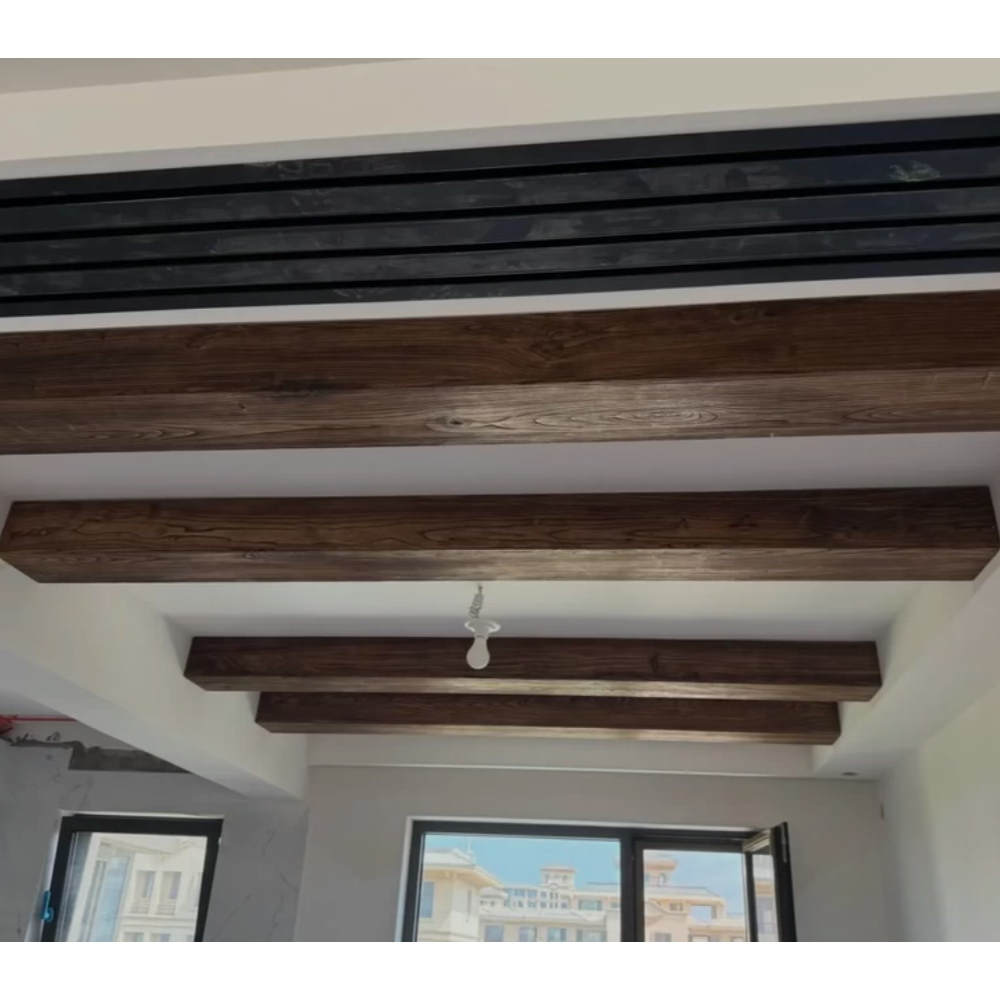
Beyond safety, faux beams create warm, cozy nursery atmospheres that benefit child development. The visual warmth of wood tones softens institutional-feeling spaces and creates environments that feel nurturing rather than clinical.
Nursery beam installations often favor lighter wood tones—honey oak, natural pine, or blonde maple appearances. These cheerful colors create bright, welcoming environments appropriate for rooms where children should feel happy and secure. The warmth prevents these light colors from feeling stark or unwelcoming.
Proportionate scaling ensures that beams complement rather than overwhelm nursery spaces. Large dramatic beams might suit great rooms but can feel oppressive in smaller nurseries. More modestly scaled installations create visual interest without dominating compact spaces.
Beam placement can direct attention toward key nursery elements. Beams drawing the eye toward the crib create visual focus that aids room organization. Beams framing window areas emphasize natural light sources that benefit both aesthetics and circadian rhythm development.

Secure Installation Practices
Even lightweight beams require proper installation to ensure safety. Several practices help ensure that nursery beam installations remain secure throughout the years of occupancy.
Structural mounting to ceiling joists or rafters provides the most reliable attachment. Beam mounts should penetrate actual structural elements rather than ceiling finish materials like drywall. Stud finders help locate appropriate mounting points before installation begins.
Redundant attachment systems add safety margins. Combining adhesive bonding with mechanical fasteners provides backup support if either system fails. This belt-and-suspenders approach costs little extra but significantly improves security.
Regular inspection identifies developing problems before they create hazards. Periodic checks of visible fasteners and mounting points catch loose elements that could worsen over time. Any movement or gap development warrants immediate attention.
Childproofing Around Beam Installations
Beam installations affect broader nursery childproofing considerations. Careful attention to these relationships ensures that beam features don't create new hazards.
Beam-adjacent furniture placement matters for children who might climb. Any furniture positioned beneath beams creates potential climbing opportunity that could allow access to beam mounting areas. Keeping furniture away from beam locations prevents these scenarios.
Crib positioning should consider beam locations for any children who might stand in cribs as they grow. Standing children might reach beam elements that were safe when they were only crawling. Planning for these future scenarios prevents later rearrangement.
Light fixtures mounted near beams require secure attachment and appropriate clearances. Children shouldn't be able to manipulate fixtures or reach them during play. Electrical safety around beam installations deserves the same attention as any other nursery electrical element.
Long-Term Value for Growing Families
Nurseries serve relatively brief life stages, often requiring transformation within just a few years as children grow. Beam installations that adapt to changing needs provide better long-term value than those requiring removal.
Design-neutral beam installations work with various room themes as children age. A sophisticated architectural feature that suits a teenager's room as well as an infant's nursery avoids the need for complete removal during room transitions.
The durability of polyurethane beams ensures that they maintain appearance through multiple room transformations. Unlike items that show wear and age, quality faux beams continue looking fresh regardless of how many times room colors or themes change around them.
Families who move might even take beam installations with them. The lightweight nature makes transport practical, and successful installation at new locations adds personal connection to homes that might otherwise feel generic.
Child-friendly PU faux beams enable parents to create the warm, beautiful nurseries their children deserve while maintaining the safety that young children require. These modern materials honor traditional aesthetics without introducing traditional hazards.
Technical References
ASTM standards cited in every specification
Test Data
Lab results from internal testing program
Updated 2026
Reviewed against current product specs