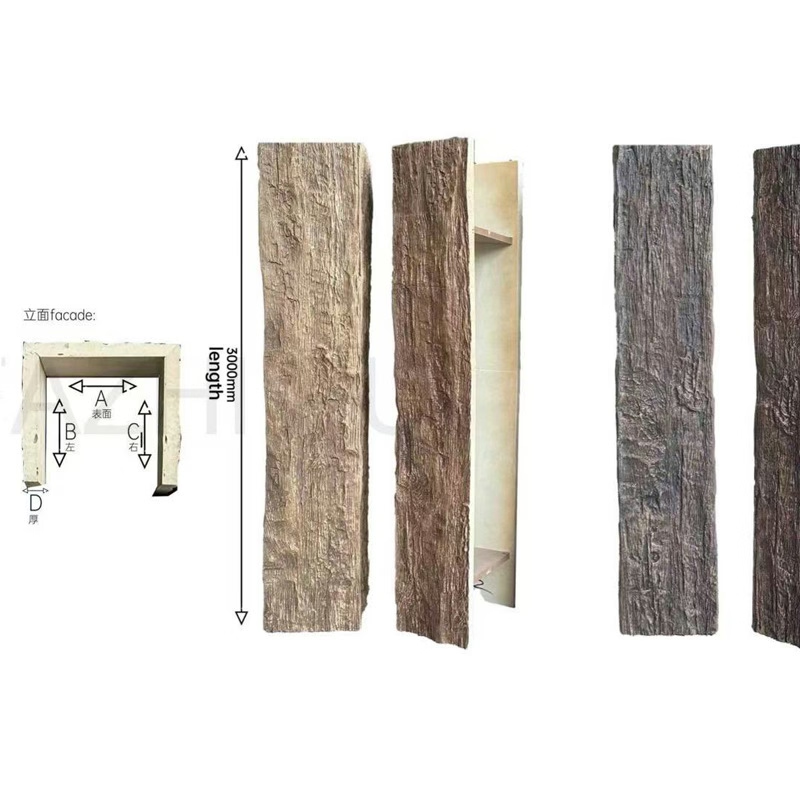
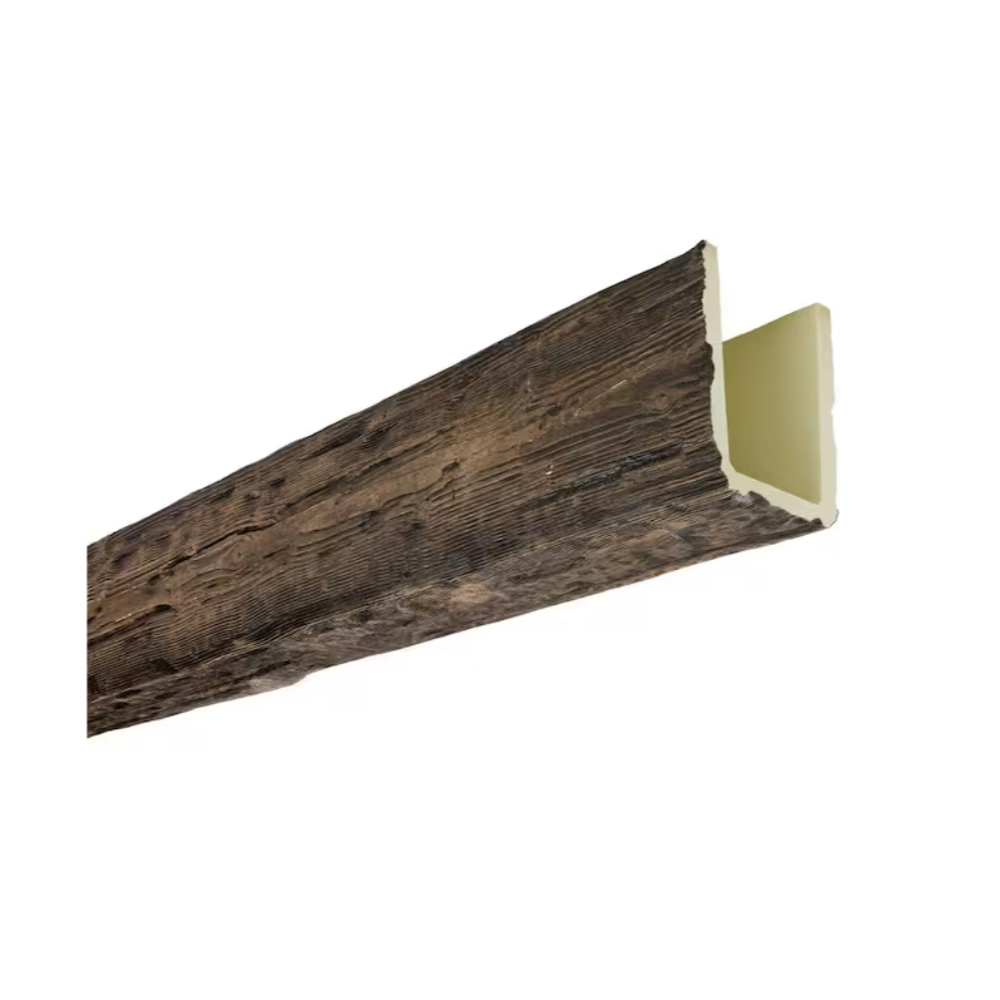
The American home renovation market has embraced polyurethane faux wood beams with growing enthusiasm over the past decade. Homeowners tackling everything from ranch-style living room updates to farmhouse kitchen refreshes discover that these lightweight architectural elements deliver the rustic character they want without the structural complications and maintenance demands of real timber. Yet not all polyurethane beams deliver equal value—understanding how to shop for quality makes the difference between satisfying installations and frustrating disappointments.
The residential market presents unique requirements that influence purchasing decisions. Homeowners typically work with tighter budgets than commercial developers, expect easier installation without specialized contractors, and have higher visibility into the finished product since residential spaces tend to receive more personal attention than commercial installations. These factors shape what "quality" means in the residential context—it's not just about durability but also about ease of handling, realistic appearance, and value for investment.
Distinguishing Quality in Polyurethane Beams
The polyurethane foam density used in beam cores significantly affects performance. Higher density foams resist impact damage better, maintain structural integrity over time, and provide more substantial mounting surfaces. Budget beams often use lower density foams that compress easily during handling and may not support mounting hardware securely. When evaluating beams, compare weights for similar sizes—a heavier beam typically indicates denser foam and better overall quality.
Surface finish quality varies dramatically between manufacturers. Premium beams feature carefully applied wood-grain textures with consistent color throughout. Lower-quality alternatives may show visible seams in the texture application, uneven color distribution, or surface imperfections that become obvious once installed. Request samples when possible and examine them under different lighting conditions to evaluate finish consistency.
Edge detailing affects both appearance and installation success. Quality beams maintain consistent profiles throughout their length with crisp edge definition. Beams with rounded, inconsistent, or poorly defined edges create installation challenges and finished looks that appear unfinished. Run your hand along beam edges before purchasing to check for manufacturing quality that might not show in photographs.
Where American Homeowners Source Beams
The distribution landscape for polyurethane beams in the American market includes several channels. Specialty building material distributors often carry beams as part of broader product offerings, providing the advantage of local availability and immediate gratification for simple projects. These distributors typically stock common sizes and finishes, making them ideal for straightforward installations that don't require customization.
Online retailers have expanded dramatically in this category, connecting American homeowners with manufacturers worldwide. The variety available online exceeds what any local distributor could stock, including unusual sizes, specialized finishes, and custom options. However, online purchasing requires trusting product descriptions and photographs, making quality verification before purchase more challenging. Reading reviews and requesting samples helps manage this uncertainty.
Some homeowners work directly with manufacturers, particularly for larger projects or custom requirements. This approach offers maximum customization but requires larger order volumes and longer lead times. For substantial renovations involving multiple rooms or whole-house updates, manufacturer-direct ordering often provides better pricing and more precise customization options.
Understanding Pricing and Value
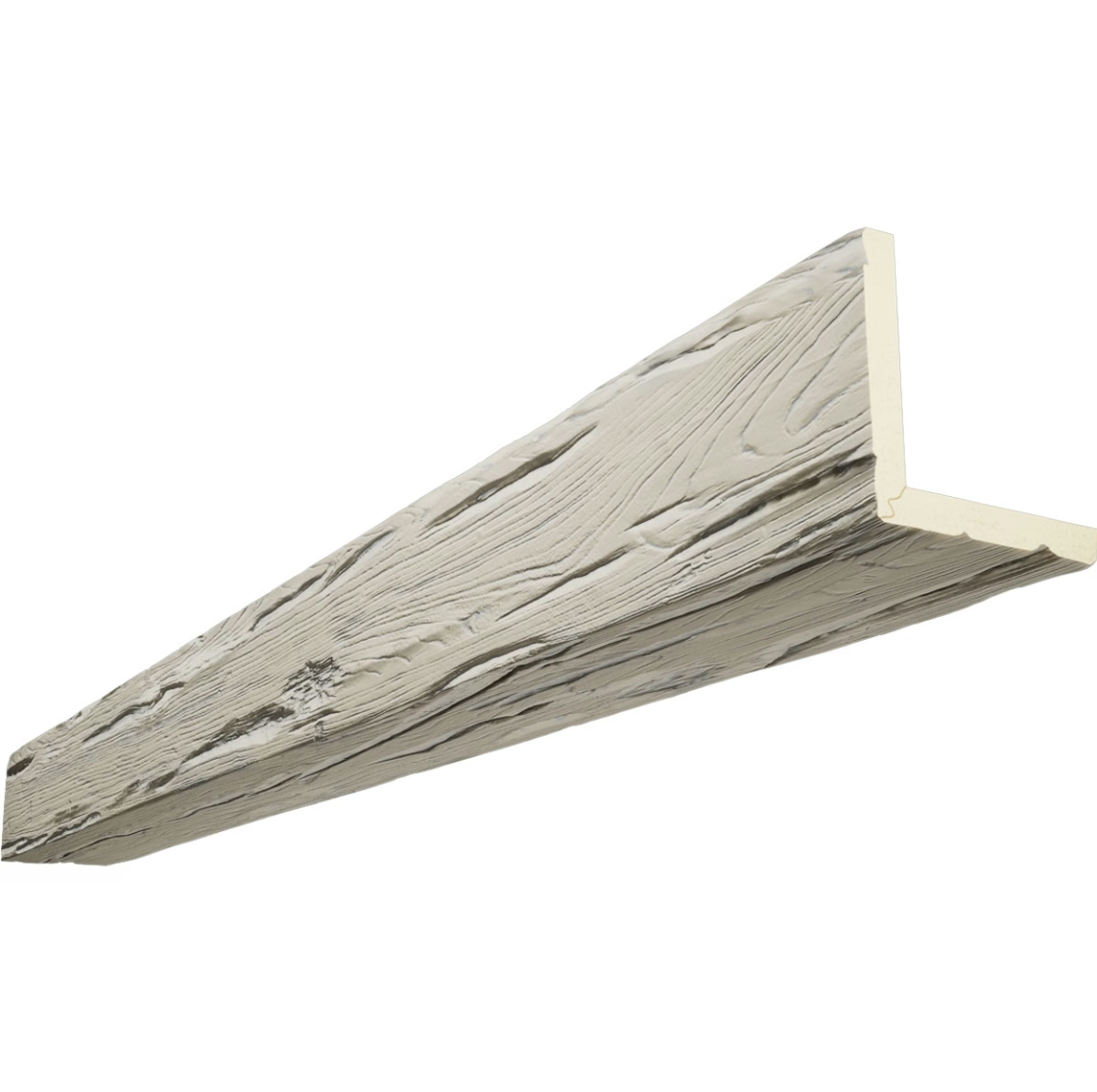
Polyurethane beam pricing varies based on size, finish complexity, and quantity purchased. Simple painted beams in standard sizes might start around $30-50 per linear foot, while intricately textured beams with custom staining can reach $100 or more per linear foot. These prices compare favorably with reclaimed wood alternatives that might cost $15-25 per board foot before fabrication into beam shapes.
The total cost of ownership helps evaluate true value beyond initial purchase prices. Quality polyurethane beams require minimal maintenance beyond occasional dusting, while real wood beams might need periodic refinishing, pest treatments, or structural repairs. Installation labor costs may differ substantially as well—lighter polyurethane beams allow DIY installation in situations where solid wood would require professional contractors and equipment.
Volume discounts typically apply to larger orders, sometimes dropping per-foot pricing by 15-25% for complete room installations. Homeowners planning multi-room renovations should consider consolidating purchases to qualify for volume pricing rather than purchasing room-by-room. Even projects planned for different phases might benefit from advance ordering of future-phase materials to capture immediate volume discounts.

Installation Considerations for Homeowners
Residential installations benefit from polyurethane's lightweight nature in ways that matter significantly for homeowners. Standard length beams (8-12 feet) can be handled by one person with reasonable care, while even longer pieces require no more than two people for most situations. This accessibility opens installation to capable DIYers who would otherwise need to hire help for heavy timber beams.
Mounting systems for residential polyurethane beams emphasize simplicity without sacrificing security. Many manufacturers offer bracket systems designed for standard ceiling construction, allowing beams to be mounted directly to ceiling joists or structural supports. The hardware typically includes all necessary components with clear installation instructions suitable for homeowner reference.
Cutting polyurethane beams requires different techniques than wood cutting. Fine-toothed blades prevent tear-out at cut edges, and dust collection becomes important since polyurethane generates a fine dust that differs from wood sawdust. Understanding these differences before starting installation prevents avoidable frustration and ensures cleaner finished results.
Matching Beams to American Home Styles
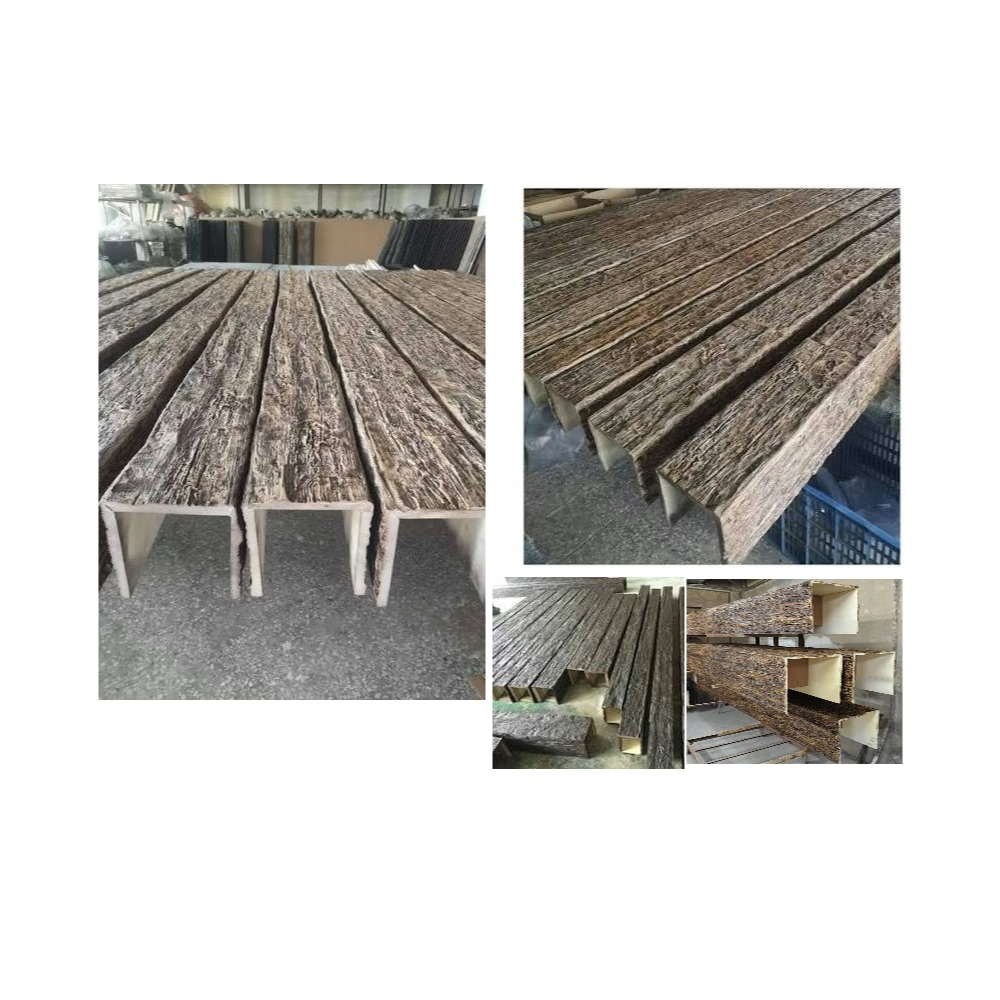
Different American architectural styles call for different beam aesthetics. Craftsman homes traditionally feature substantial exposed beams with obvious structural character—dark stains, visible fasteners (sometimes decorative), and substantial visual presence. Polyurethane beams for these applications should replicate the weight and shadow depth of genuine timber rather than appearing too light or insubstantial.
Farmhouse and cottage styles often favor lighter beam appearances—whitewashed, gray-toned, or natural wood colored beams that complement shabby chic or modern farmhouse aesthetics. These installations may use smaller beams or thinner profiles than traditional timber would provide, taking advantage of polyurethane's ability to achieve effects impossible with real wood of similar scale.
Mid-century modern and contemporary homes increasingly feature beams as design statements rather than structural elements. These applications might use sleek, minimal profiles with smooth finishes rather than heavy timber textures. The range of polyurethane beam styles accommodates these varied aesthetics, making it possible to find appropriate options across the full spectrum of American home styles.
Planning Your Residential Beam Project
Successful residential beam installations begin with thoughtful planning. Measure your space carefully, accounting for ceiling height, room proportions, and how beams will interact with other architectural elements. Large rooms can support substantial beams, while smaller spaces may require proportionally smaller elements to avoid overwhelming the space.
Consider the complete picture before purchasing. Beam appearance affects how you decorate the entire room—lighter colored beams open possibilities that darker beams might constrain. Think about furniture placement, window treatments, and how natural light interacts with your ceiling treatment. Sometimes beginning with the beam selection as a foundational design decision provides clearer direction for other choices.
Order samples when available and live with them in your space before committing. Tape samples to your ceiling to observe how they look under your actual lighting conditions. Evaluate how the sample photographs on your phone, as this is how you'll likely share your project with others. Taking time at this stage prevents purchasing decisions you might later regret.
Technical References
ASTM standards cited in every specification
Test Data
Lab results from internal testing program
Updated 2026
Reviewed against current product specs