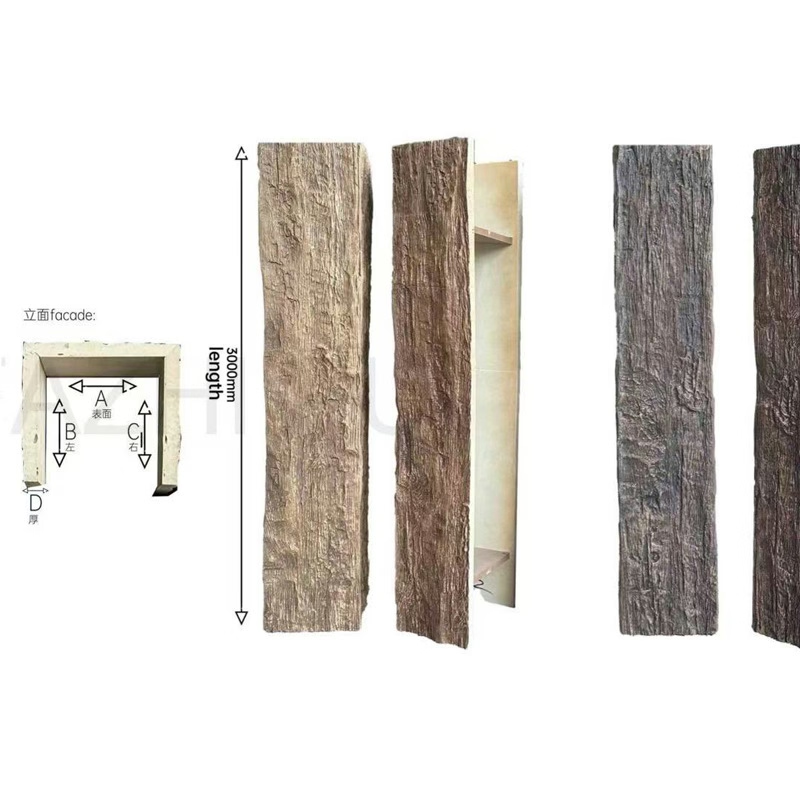
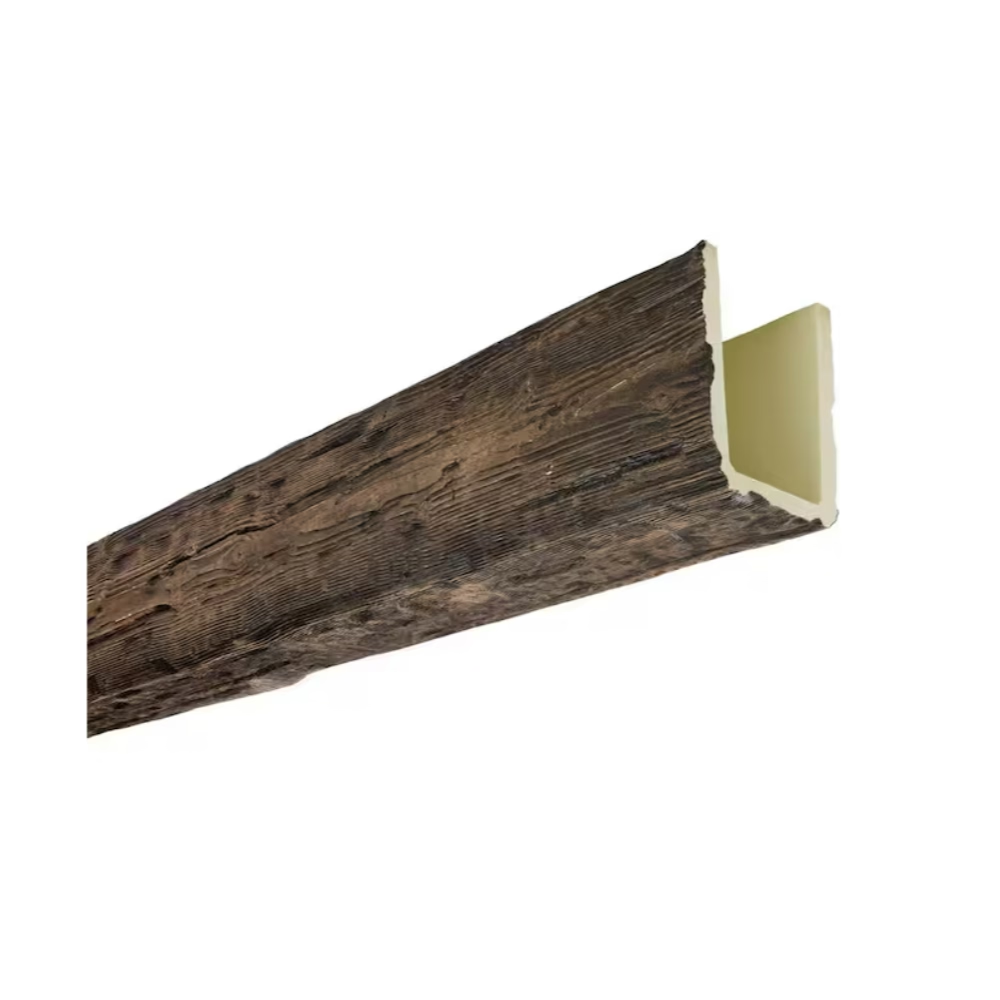
Full room renovation represents substantial investment that deserves corresponding design impact. Every choice contributes to overall spatial experience, and ceiling treatment plays a crucial role that often receives insufficient attention. Faux wood ceiling beams provide styling options that elevate entire room designs, creating focal points that unify surrounding elements while delivering practical installation benefits.
The Ceiling's Role in Complete Room Design
Ceilings establish the visual boundaries that define interior spaces. Wall and floor treatments receive substantial attention, but ceiling surfaces frame these elements and significantly influence how spaces feel. Untreated ceilings create missed opportunities for design enhancement that comprehensive renovation projects should address.
Visual hierarchy in interiors depends significantly on ceiling treatment. Dominant elements draw initial attention, while secondary and tertiary elements support primary features without competing. Ceiling beams establish visual weight that grounds spaces, preventing designs from feeling top-heavy or incomplete. This hierarchical contribution makes beam installations valuable design investments.
Material continuity throughout interiors creates the cohesive atmospheres that distinguish thoughtfully designed spaces. When ceiling materials relate to wall and floor treatments, spaces feel unified rather than assembled from disconnected elements. Faux wood beams provide material warmth that connects with wood flooring, wood cabinetry, and other timber elements throughout rooms.
Coordinating Faux Beams with Interior Styles
Contemporary interiors benefit from beam treatments that introduce warmth without overwhelming clean lines. Simple beam profiles in natural or painted finishes complement modern furniture and finishes. The textural interest adds dimension that pure contemporary design might otherwise lack, humanizing spaces that might feel sterile otherwise.
Traditional and transitional interiors accommodate more elaborate beam treatments with corbels, braces, and decorative detailing. These traditional elements reinforce design intentions, adding authenticity that supports period-appropriate atmospheres. Faux beams accept traditional profiles and decorative treatments as readily as simple contemporary forms.
Rustic and farmhouse interiors provide ideal contexts for barnwood-style faux beams with weathered finishes. The distressed appearances coordinate naturally with relaxed, lived-in atmospheres that these styles seek to create. Finish selection should match other rustic elements throughout rooms, creating visual continuity that unifies overall design.
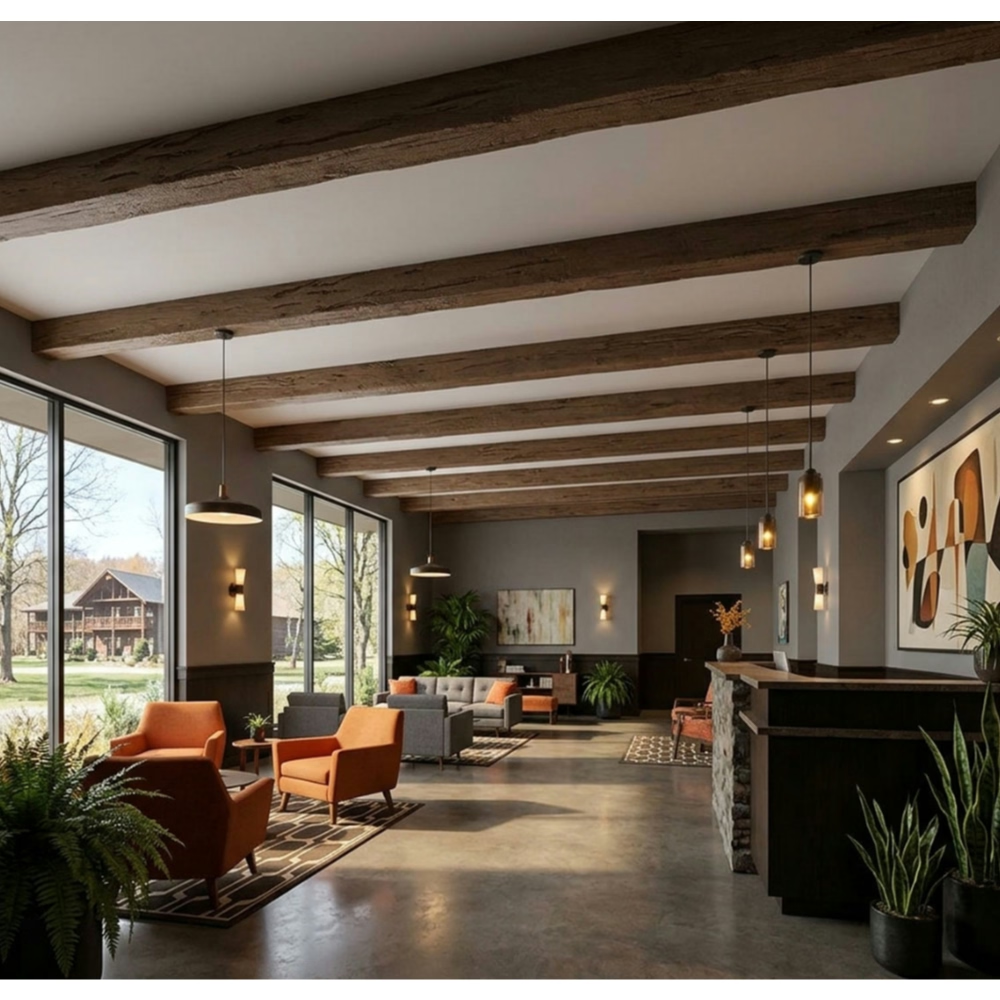
Color Coordination Strategies
Matching beam finishes to existing woodwork creates visual continuity that makes spaces feel more expansive. When beams match flooring, trim, or furniture finishes, the eye moves smoothly through spaces without jarring transitions. This coordination works particularly well in open floor plans where multiple functional zones share visual continuity.
Contrasting beam colors create stronger definition that makes beams read as distinct architectural elements. Dark beams against light ceilings establish clear visual boundaries. Light beams against dark ceilings add warmth without dominating. The choice depends on design intensity desired and overall color relationships throughout rooms.
Neutral beam treatments that coordinate with multiple surrounding colors provide flexibility for evolving interiors. Gray-toned beams work with cool and warm palettes alike. Natural wood tones with moderate saturation coordinate with diverse color schemes. These flexible options suit spaces where future changes might alter surrounding color relationships.
Scale Planning for Room Dimensions
Room dimensions should inform beam sizing decisions. Large rooms accommodate substantial beams that establish corresponding visual weight. Small rooms may be overwhelmed by oversized beams, suggesting more restrained treatment. Proportional relationships between beams and rooms ensure that installations enhance rather than dominate spatial experience.
Ceiling height significantly affects appropriate beam sizing. High ceilings can support larger beams without appearing cramped. Standard-height ceilings require beams sized to avoid visual compression. Low ceilings may be better served by other treatments that add interest without reducing perceived height.
Furniture scale should relate to beam sizing for cohesive interior proportions. Grand beams over modest furniture create imbalance that feels uncomfortable. Correspondingly scaled elements throughout rooms ensure harmonious relationships between all design components. This proportional thinking ensures that beam installations integrate naturally with surrounding design.
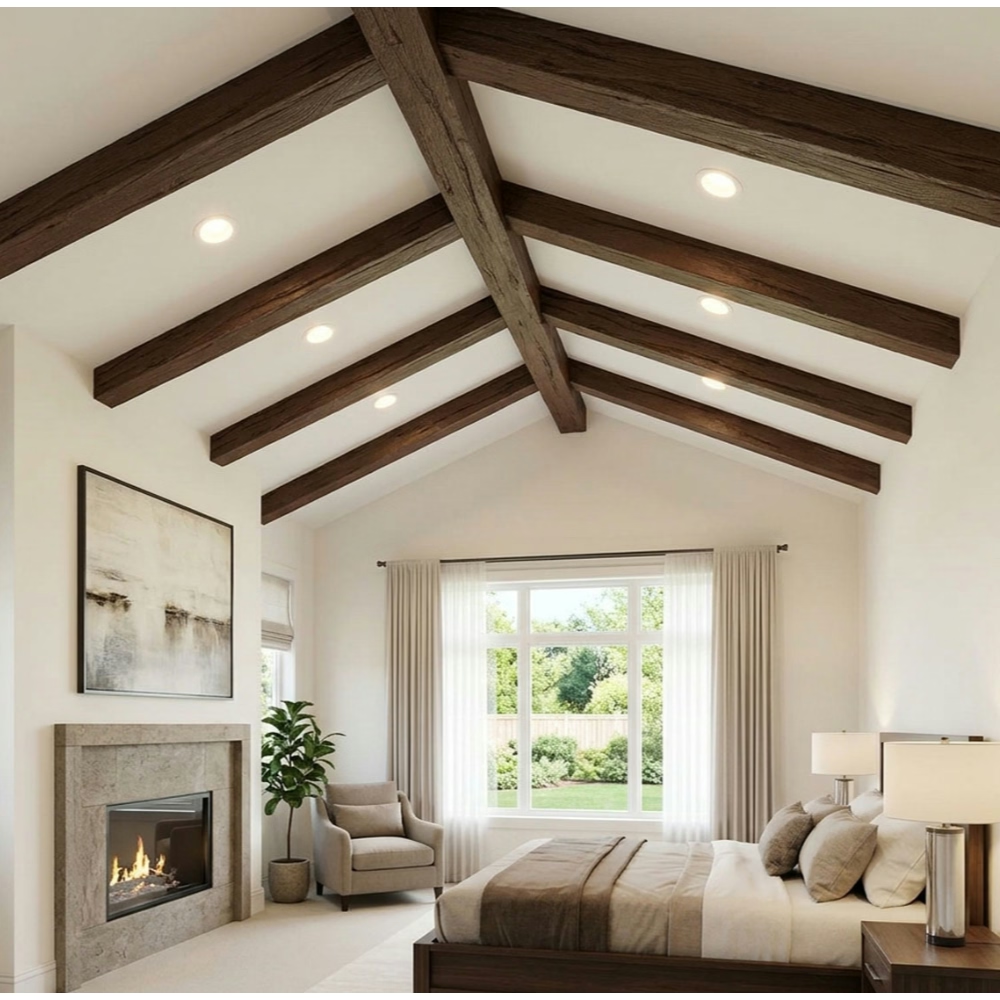
Integration with Renovation Phases
Ceiling beam installation timing affects overall renovation workflow. Pre-installation preparation might include addressing ceiling conditions, installing mounting blocking, and coordinating with electrical or HVAC work. Proper sequencing prevents conflicts that might require modification after beam installation.
Coordination with lighting renovation ensures integrated results. New light fixtures should complement beam installations, whether hanging from beams, recessed between them, or positioned to highlight beam textures. Early lighting specification enables coordinated installation that avoids compromises.
Finish coordination with other renovation elements should be established before installation. Paint colors, flooring materials, and hardware finishes all affect how beam finishes should be selected. Having complete finish schedules enables informed beam specification that ensures harmonious overall results.
Budget Management for Complete Renovations
Comprehensive renovation budgets must account for beam installation as part of total project costs. Material costs include beams, mounting hardware, and finishing products. Labor estimates should address surface preparation, installation, and any touch-up work. Realistic budgets prevent compromises that might undermine finished quality.
Value engineering identifies opportunities to optimize spending without compromising design intent. Alternative beam profiles might provide similar aesthetic impact at reduced cost. Strategic placement might concentrate premium elements where they deliver maximum return. These optimizations ensure that budget dollars produce corresponding design value.
Contingency allocation addresses conditions that emerge during renovation work. Hidden damage, unexpected access requirements, or design modifications may require additional spending. Allocating 10-15% contingency ensures that projects can address surprises without compromising finished quality or abandoning planned treatments.
Long-Term Living with Ceiling Beams
Daily life in beam-equipped rooms differs subtly from untreated spaces. Sound behaves differently, with beam textures affecting acoustic properties. Light reflects differently across textured surfaces. Temperature stratification near ceilings may be affected by beam presence. Understanding these practical effects helps set appropriate expectations for beam installations.
Furniture arrangement often responds to beam positions. Room organization may center on beams as primary features. Seating areas might orient toward beams as natural focal points. These functional adaptations integrate beam installations into daily living patterns that make spaces feel natural rather than designed around artificial constraints.
Maintenance routines accommodate beam presence without significant modification. Occasional dusting or cleaning maintains appearance. The practical nature of polyurethane materials resists most common soiling. Normal household cleaning approaches work effectively, without specialized treatments that might be required for authentic timber.
Technical References
ASTM standards cited in every specification
Test Data
Lab results from internal testing program
Updated 2026
Reviewed against current product specs