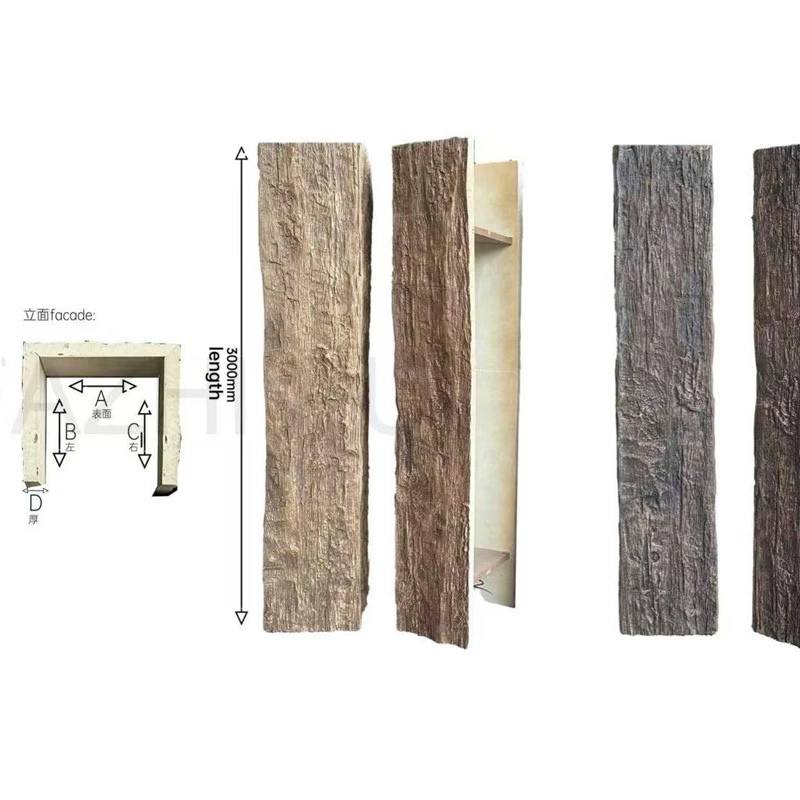
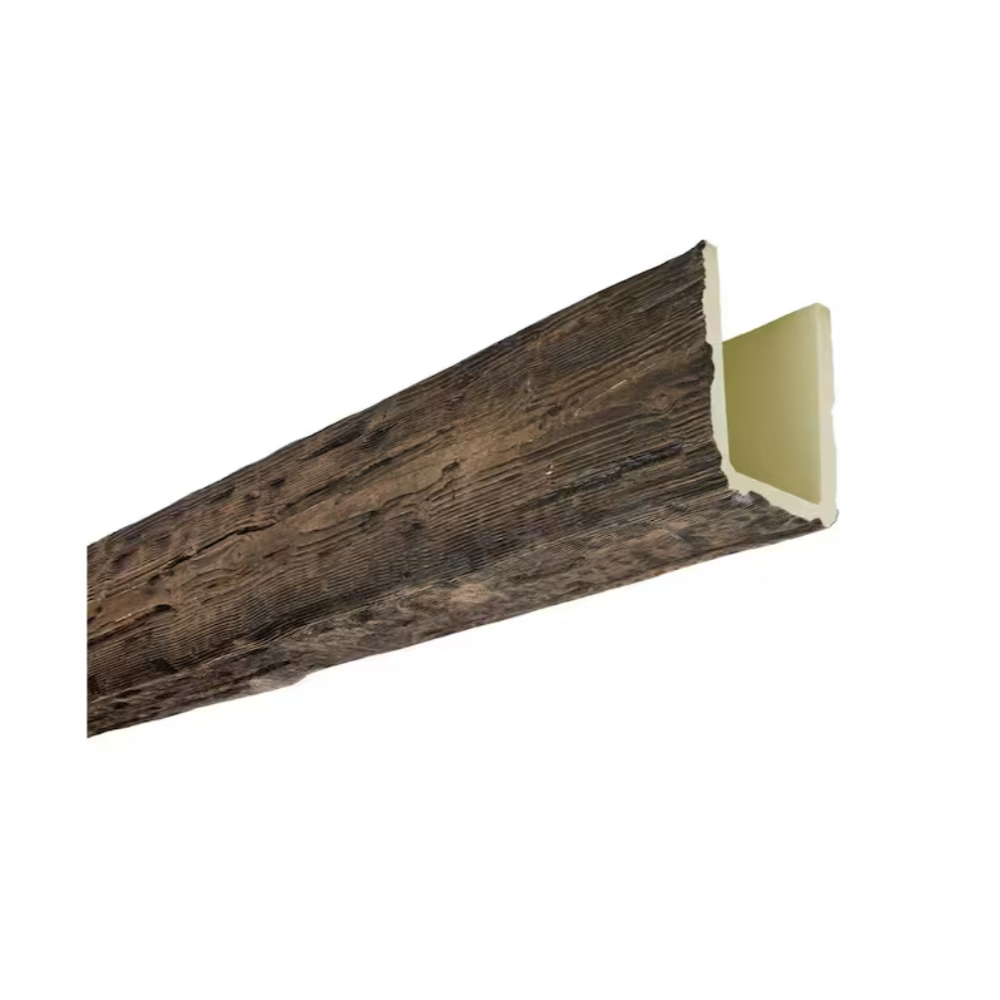
The ceiling is the fifth wall, and yet it receives the least attention in most room designs. In a guest bedroom, this oversight is particularly noticeable, because the room is already working with a limited furniture palette and a need to feel complete without being personal. Addressing the ceiling directly solves both problems at once. A well-chosen faux wood beam treatment adds personality, warmth, and a sense of craftsmanship that makes the room feel designed rather than assembled.
Faux wood ceiling beams manufactured from polyurethane have matured significantly as a product category. Modern PU beams replicate the look of natural timber so convincingly that the difference is imperceptible in most installations, particularly once the beams are mounted and the room is furnished. For homeowners and designers who want the aesthetic of exposed timber without the structural complications, PU faux beams represent the most practical solution available.
Understanding the Range of Faux Wood Beam Styles
Solid Beam Profiles
Solid beam profiles mimic the appearance of full-size timber beams. These are the most substantial-looking option and work best in rooms with higher ceilings or a more rustic design intent. A single solid-profile beam running across a guest bedroom ceiling can serve as a room-defining element that orients the furniture arrangement and provides a visual anchor for the space.
The key to using solid-profile beams stylishly in a guest bedroom is proportion. A beam that is too thick will dwarf a small room and make the ceiling feel oppressive. As a general reference, the beam depth should be roughly one-twelfth to one-sixth of the distance from the floor to the ceiling. In a standard eight-foot room, this means beams between four and eight inches deep, with narrower profiles being more appropriate for smaller spaces.
Box Beam Profiles
Box beams are hollow and installed flush against the ceiling plane, creating the impression of a structural beam without the weight. This profile is more refined and suits guest bedrooms with a contemporary or transitional design intent. Box beams can be installed individually, in parallel groups, or as part of a ceiling grid pattern that adds architectural interest without overwhelming the room.
The box beam profile is particularly effective in guest bedrooms with a tray ceiling or coffered ceiling already in place. By matching the beam finish to the existing trim work, you create a cohesive ceiling treatment that feels original to the room rather than an afterthought.
U-Shaped Beam Profiles
U-shaped beams, also known as open-beam or channel profiles, expose the ceiling plane between two parallel beams. This creates a layered ceiling effect that adds depth and visual interest while maintaining a lighter overall appearance than solid beams. U-shaped beams are an excellent choice for guest bedrooms where the ceiling feels too high or too flat, as the open channel breaks up the horizontal plane and introduces vertical texture.

Soft Finish Selection for Guest Bedroom Contexts
The word "stylish" in the context of guest bedroom beams does not mean trendy or fashion-forward. It means refined, considered, and appropriate. In a guest room that must appeal to a variety of visitors, a stylish beam finish is one that complements a range of design styles and does not impose a strong personal aesthetic on the space.
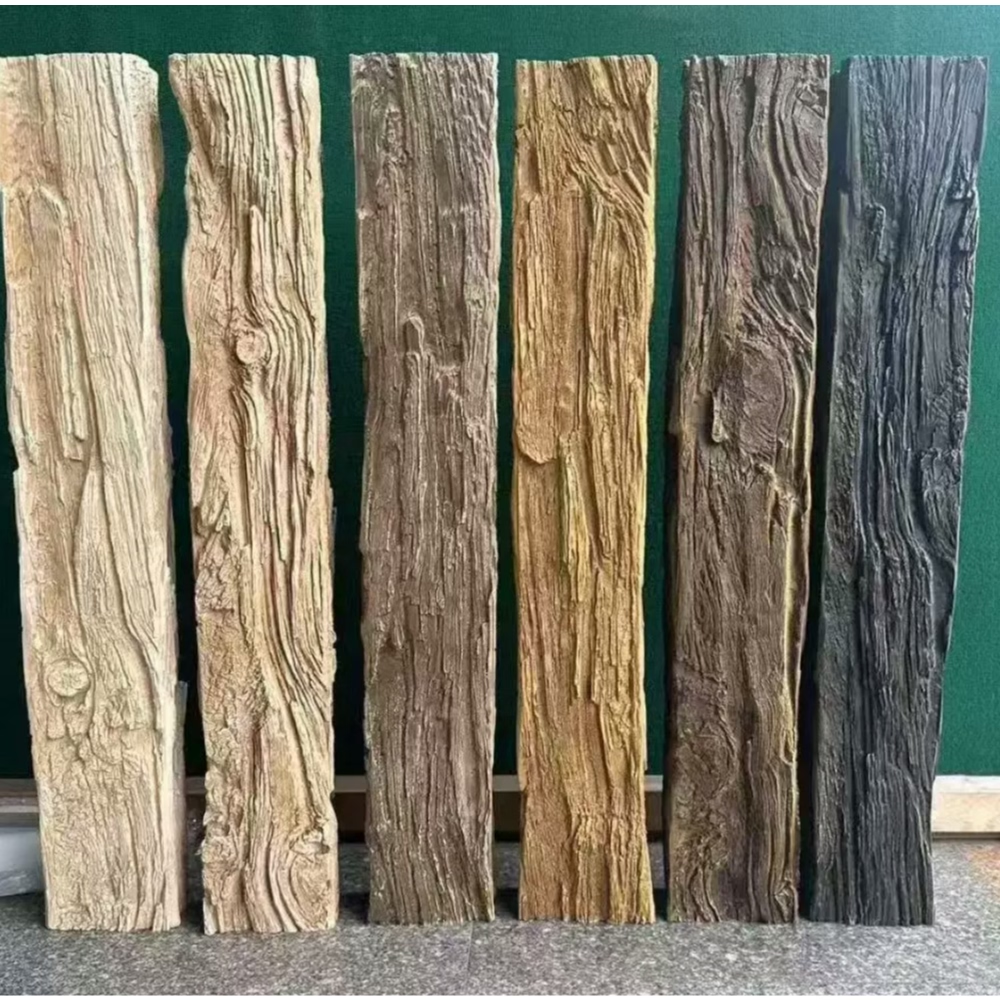
Light and medium oak finishes are the most versatile choices for guest bedroom applications. These finishes read as warm and natural without leaning toward a specific period or style. A honey oak finish pairs well with both cool grays and warm neutrals on the walls. A lighter butternut or natural pine finish works beautifully in rooms with white or cream walls and light flooring.
Avoid finishes that are too dark, too distressed, or too rustic for a guest bedroom context. While deeply weathered or charred beam finishes have their place in living rooms and dining spaces, they can feel heavy and unwelcoming in a room designed for short-term guests. Save the dramatic finishes for spaces where the homeowner is present to appreciate them daily.
Coordinating Beams with Bedroom Furniture and Accessories
A beam treatment should feel integrated with the rest of the room, not dropped in from a different project. The coordination begins with the furniture finish. If the guest bedroom includes a wooden bed frame, nightstands, or a dresser, choose a beam finish that echoes rather than matches the furniture wood. Echoing means finding a finish in the same color family with a similar warmth level, while matching means choosing the same exact color, which can look deliberate and awkward.
Textiles provide another coordination opportunity. In a room with neutral walls and bedding, the beams become the primary source of color and texture. In a room with more patterned or colorful textiles, the beams should recede slightly, acting as a neutral frame rather than a competing element. The goal is balance: enough warmth from the beams to prevent the room from feeling sterile, but enough restraint to let the softer elements contribute equally.
Window treatments deserve special consideration in rooms with decorative beams. Heavy drapery in a dark color can conflict visually with warm-toned beams, pulling the eye downward and making the ceiling treatment feel disconnected. Sheer curtains in a natural fiber, or simple roller shades in a light color, keep the visual focus on the ceiling and maintain the airy quality that makes guest bedrooms comfortable.
Installation Planning for Guest Bedrooms
One practical advantage of polyurethane faux beams in guest bedroom applications is the simplicity of installation. Most beam products are designed for mounting directly to existing ceiling structures using a combination of mounting brackets, screws, and construction adhesive. No structural assessment is required, and the installation process does not typically require a contractor.
For a single-beam installation in a guest bedroom, the process can be completed in an afternoon by a competent do-it-yourselfer. The beam is centered on the ceiling, marked for bracket positions, and secured with the provided hardware. Wiring for any ceiling fixtures that need to be relocated can be managed with basic electrical knowledge or a short service call.
For more complex installations involving multiple beams, grid patterns, or tray ceiling framing, budget additional time and consider professional installation. A well-executed multi-beam installation in a guest bedroom is one of those details that transforms a room completely, and it is worth investing in proper execution.
The Business Case for Quality Guest Bedroom Beam Treatments
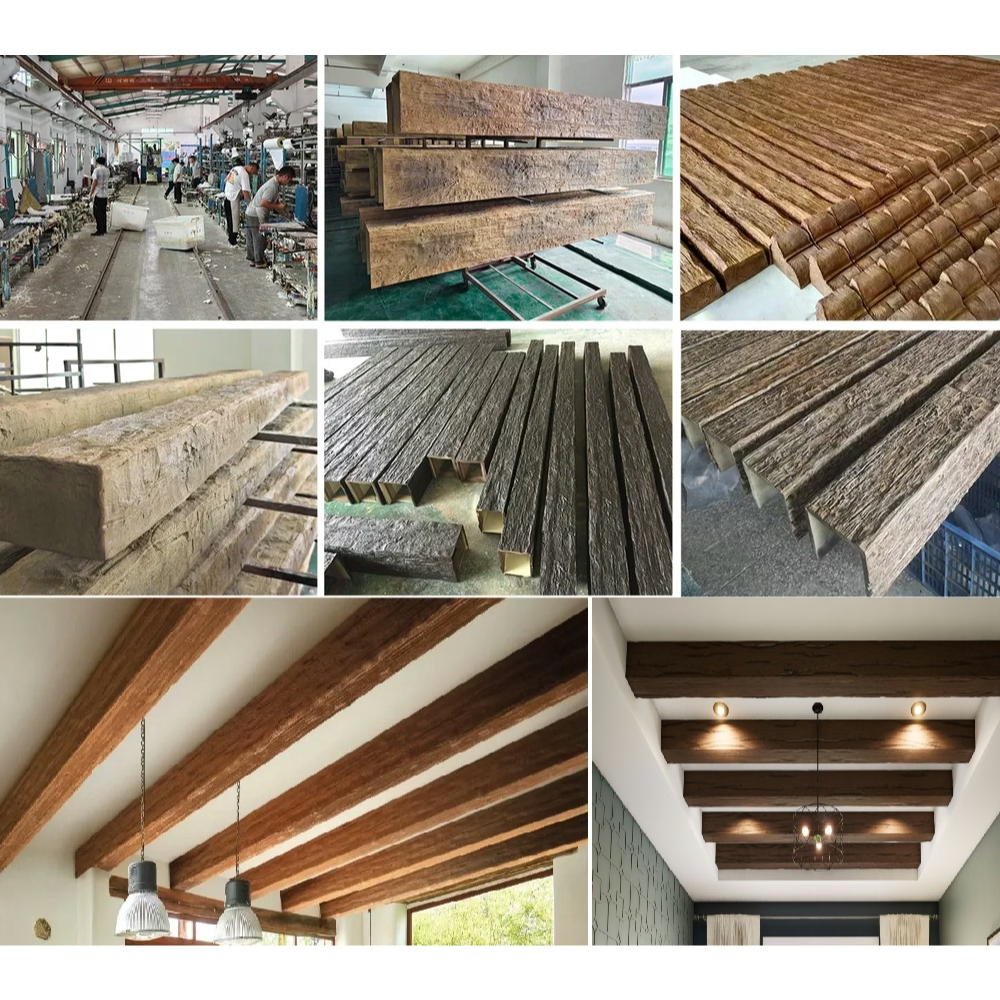
For those operating or investing in hospitality-adjacent properties, the guest bedroom ceiling is a business asset. In vacation rental markets, properties with well-designed interiors command higher nightly rates and receive better reviews than comparable properties with plain ceilings. The return on investment for a quality beam treatment is difficult to quantify precisely, but the correlation between thoughtful design and guest satisfaction is well established.
Retail and trade buyers stocking PU faux beam products for the consumer market should consider marketing the guest bedroom application specifically. Many homeowners understand the appeal of beam treatments in living rooms or kitchens but have not considered the same approach for secondary bedrooms. Showing the transformation in a guest bedroom context — with before and after imagery — makes the value proposition tangible and actionable.
The guest bedroom with stylish faux wood beams is a small space with significant impact. It is a room that rewards the attention to detail that separates a pleasant stay from an unforgettable one.
Technical References
ASTM standards cited in every specification
Test Data
Lab results from internal testing program
Updated 2026
Reviewed against current product specs