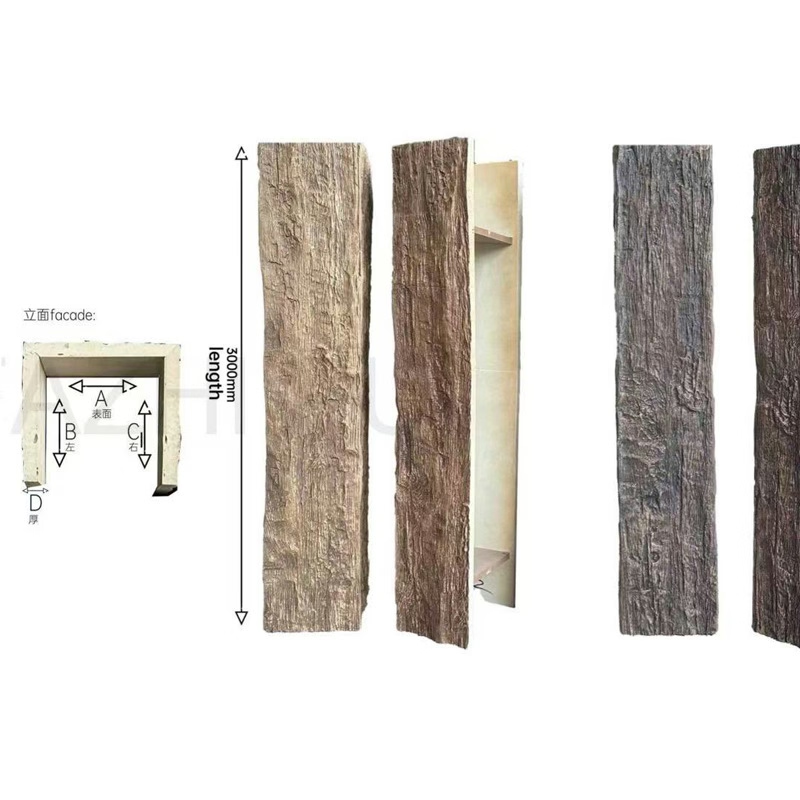
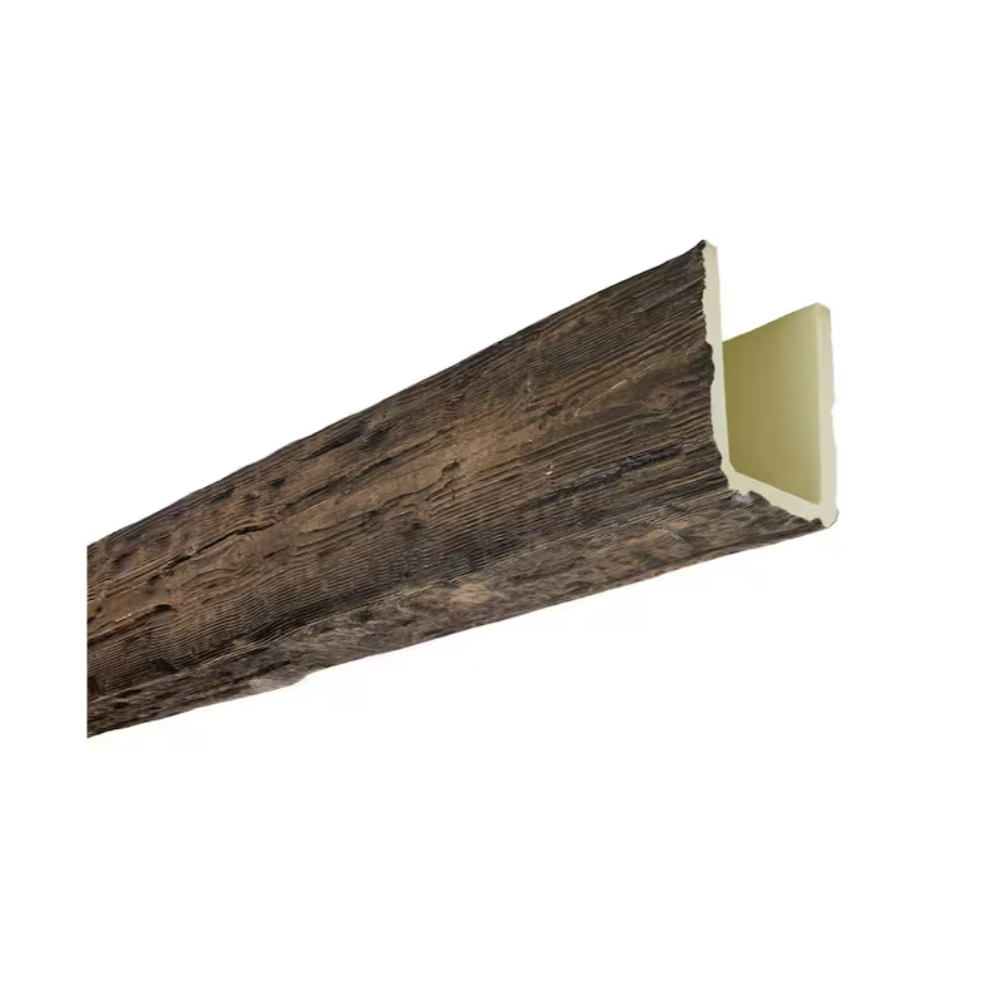
Cozy is a word that gets used loosely in interior design, often as a synonym for warm or comfortable. But true coziness is more specific than that. It is a quality of enclosure, of a space that wraps around you slightly, that feels smaller than it is in a way that is protective rather than confining. High ceilings can be cozy, but they require more effort to feel that way. Low ceilings get there more naturally, and ceiling beams contribute significantly to that sense of intimate enclosure.
The bedroom is where coziness matters most. It is the room where the day ends and the body rests, and its design has a direct effect on sleep quality, mood, and overall wellbeing. A bedroom with a beautifully decorated ceiling is a bedroom that invites you to slow down the moment you step inside. Polyurethane faux beams in soft, warm tones are one of the most effective tools for creating that invitation.
Defining Soft Tone in the Context of Bedroom Beams
Not all wood tones that appear light are necessarily soft. A finish can be pale in value but still feel sharp or cool if the undertones lean gray or green. Soft tone, as used here, describes wood finishes with warm, yellowish, or reddish undertones that feel gentle rather than bold. Think of wood that has aged naturally in a well-lit room — not bleached white by sun, but mellowed to a warm honey-gold that seems to glow.
In practice, soft-toned PU beam finishes for bedrooms include natural butternut, light honey oak, wheat-finished maple, and blonde pine. These finishes reflect warm light rather than absorbing it, which makes the ceiling feel luminous without being bright. They complement the soft textiles, layered bedding, and ambient lighting that define a cozy bedroom aesthetic.
The contrast between the beam finish and the ceiling plane matters as well. A soft-toned beam against a white ceiling creates a gentle, layered look that feels airy and refined. Against a warm gray or soft cream ceiling, the beams integrate more closely, creating a more unified ceiling surface that feels richer and more complete.
Beam Configurations for Cozy Bedrooms
The Canopy Effect
One of the most effective ways to create coziness with ceiling beams is to position them so that they frame the bed, creating a visual canopy overhead. This does not require structural changes or a four-poster bed frame. Two parallel beams running perpendicular to the headboard, positioned to flank the bed area, create the same canopy effect with a fraction of the commitment.
For this configuration, the beams should be spaced to define the bed zone without crowding it. A standard queen bed is approximately sixty inches wide; flanking beams positioned thirty-six inches on center from the room centerline leave about twelve inches of clearance on each side of the bed, which provides definition without tight clearance.
The Cross-Beam Accent
A pair of beams crossing at right angles near the center of the bedroom ceiling creates a focal point that draws the eye upward and anchors the room. This configuration works well in square or nearly square bedrooms where the ceiling feels equally open in all directions. The cross beam establishes a center point that orients the bed, seating, and other furniture around a shared reference.
The beams themselves do not need to span the full length of the room. Shorter cross beams installed to span the central portion of the ceiling create a substantial-looking accent without the cost or complexity of full-length beams. This approach is especially attractive for trade buyers and interior designers working with clients on a budget.
The Continuous Run
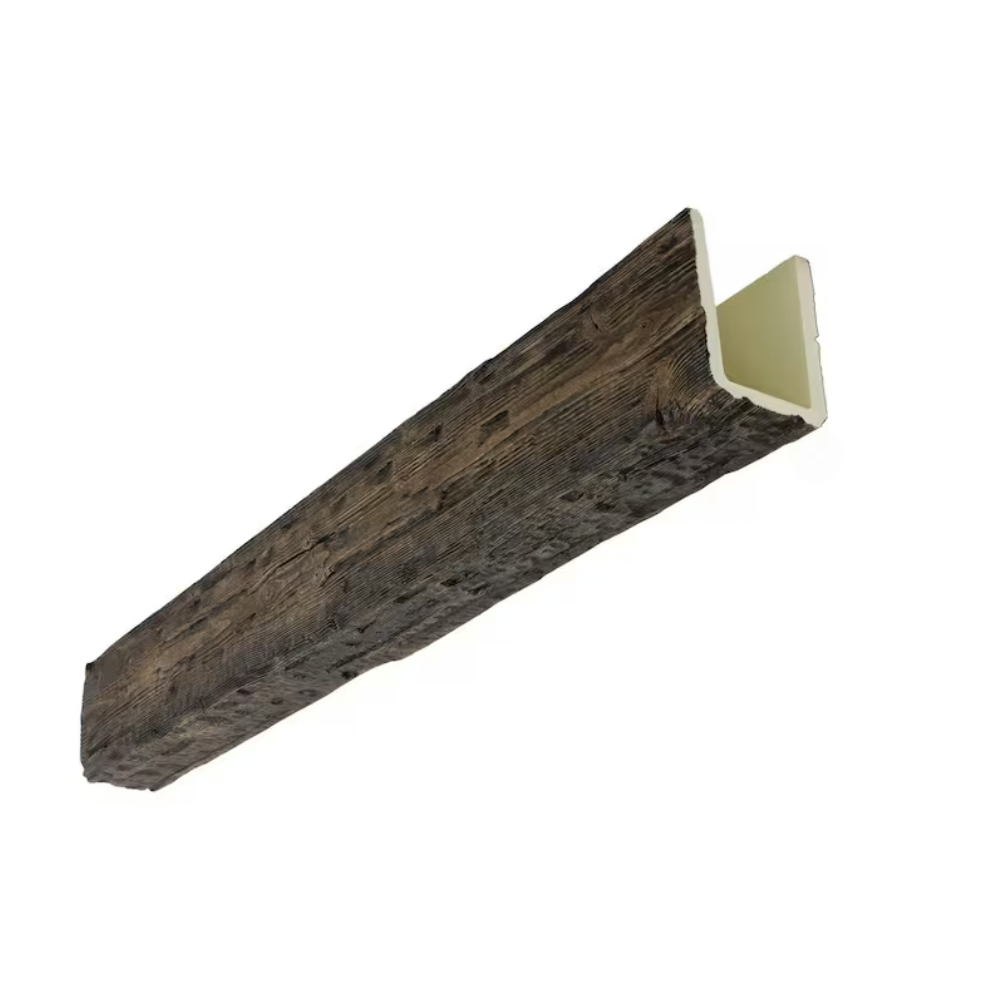
For a bedroom with a pitched or vaulted ceiling, a continuous beam running the full length of the slope creates a strong visual line that reinforces the natural geometry of the room. In a vaulted bedroom, beams installed along the slope lines add warmth to a space that might otherwise feel cavernous and difficult to heat. The beams introduce thermal mass in appearance, even though PU is a relatively low-density material, and they break the vertical plane into more human-scaled sections.

Integrating Soft-Toned Beams with Bedroom Color Schemes
The most successful bedroom color schemes with soft-toned beams share a common approach: they use warm neutrals as the foundation and introduce color sparingly through textiles and accessories. A soft beige or warm gray on the walls provides a neutral backdrop that lets the beams and bedding share visual importance. A slightly deeper wall color — dusty rose, sage green, or muted terracotta — adds personality without overwhelming the soft palette.
Curtains and window treatments play an outsized role in bedrooms with beam ceilings. Heavy dark curtains compete with the warm beam finish and can make the room feel divided. Light, airy curtains in a natural fiber or a sheer fabric allow the beam ceiling to remain the visual focus while still providing privacy and light control. For rooms where blackout capability is needed, a sheer layer under a separate blackout liner behind it achieves both function and aesthetics.
Textiles and Layering for Maximum Coziness
The physical sensation of coziness comes largely from textiles. A bedroom with beautiful beams on the ceiling and cold hard floors, a single flat sheet, and no window treatments will not feel cozy regardless of how attractive the beam finish is. Layering is the key to translating visual warmth into felt warmth.
Start with the bed itself. A quality mattress is assumed, but the layers above it determine how cozy the bed feels. A mattress topper in memory foam or natural latex adds cushioning. Cotton or linen sheets in a soft, warm tone provide comfort against the skin. A quilt or duvet in a medium-weight fill accommodates most seasons, with a lighter blanket available for warmer nights. Top it with a textured throw blanket folded at the foot of the bed, adding both visual warmth and an extra layer when needed.
On the floor, a rug is not optional in a cozy bedroom. Bare hardwood or tile floors feel cold and unfinished even when the rest of the room is well designed. A rug in a natural fiber or a deep plush pile adds warmth underfoot and ties the furniture group together visually. The rug should extend well beyond the bed on at least two sides, creating a unified zone that feels intentional.
The Practical Benefits of PU for Bedroom Applications
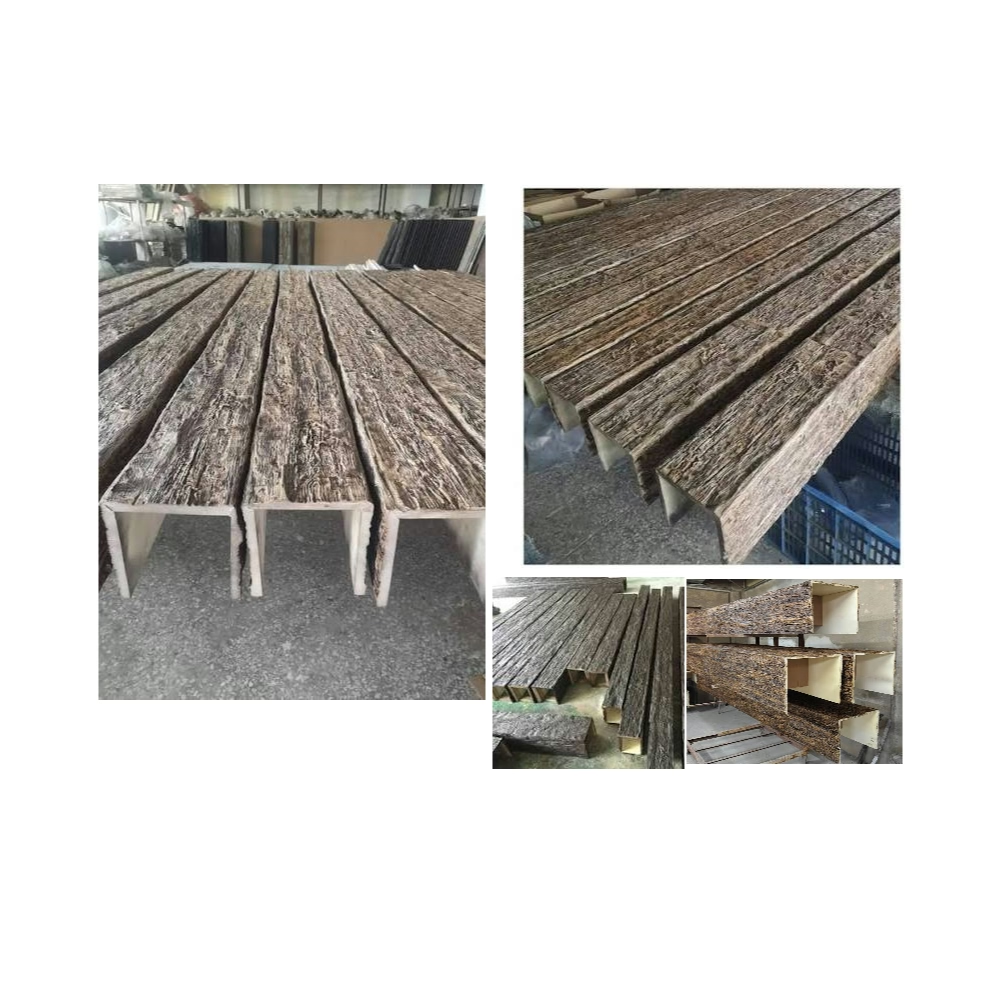
Beyond aesthetics, polyurethane faux beams offer practical advantages that make them particularly suitable for bedroom applications. The material is lightweight enough to mount to standard ceiling joists without additional structural support, which means installation does not require opening ceilings or engaging structural contractors. The smooth, sealed surface does not collect dust or allergens the way rough natural wood can, which contributes to better indoor air quality in a room where people spend eight or more hours each night.
Quality PU beams are also manufactured to be fire-resistant, which is an important consideration in residential sleeping spaces. Always verify that the beams you specify meet local fire codes for interior use, particularly in rental properties or commercial lodging applications.
For retailers and trade buyers, the bedroom segment represents a strong opportunity. Bedrooms are the most common room in the home to receive renovation attention after kitchens and bathrooms, and the ceiling is often the last frontier of bedroom renovation. Positioning soft-toned PU faux beams as an accessible, transformative bedroom upgrade connects with homeowners who want meaningful results without a major construction project.
Technical References
ASTM standards cited in every specification
Test Data
Lab results from internal testing program
Updated 2026
Reviewed against current product specs