Spanish Revival architecture emerged in the United States during the early twentieth century, drawing inspiration from Mediterranean predecessors while adapting to American building practices and climatic conditions. The style's defining characteristics—stucco walls, terracotta tile roofs, wrought iron detailing, and heavy timber ceiling beams—created an aesthetic so compelling that it has remained influential for over a century. Today, Spanish Revival homes across the American Southwest, California, and Florida continue to exemplify the warm, substantial character that the style established.
Yet the heavy timber beams that define Spanish Revival interiors present practical challenges in contemporary construction. Authentic vigas—tree-trunk beams traditional to Spanish architecture—weigh enormously, require specialized installation, and present availability challenges outside their regions of origin. Solid dimensional timber alternatives provide structural capacity but rarely achieve the organic character that Spanish Revival authenticity demands. Faux timber beams constructed from polyurethane offer the optimal balance: authentic appearance, manageable weight, and installation simplicity that traditional materials cannot match.
The Anderson project in Santa Barbara illustrates this balance perfectly. Their 1928 Spanish Colonial Revival home retained original plaster ceilings that had deteriorated beyond repair, exposing the inadequate original framing beneath. The restoration requirement was clear: recreate the dramatic beam-and-plaster ceilings that defined the home's character while meeting modern structural and fire code requirements. PU faux beams—manufactured with appropriate texture and finished in authentic tones—provided the solution that traditional materials could not.
Historical Context of Spanish Revival Ceiling Design
Understanding why Spanish Revival architecture developed its characteristic appearance illuminates design decisions that remain relevant for contemporary projects. The style emerged from centuries of Mediterranean building tradition, adapting climate-responsive design strategies to American contexts.
The heavy timber ceilings of Spanish and Mexican architecture served functional purposes beyond aesthetic expression. Thick beams supporting lath-and-plaster ceilings provided thermal mass that moderated interior temperatures in hot climates. The wood's inherent insulation properties created cooler ceilings than stone or tile alternatives, contributing to comfort before mechanical climate control existed. These functional origins explain why the style developed such substantial proportions.
Viga construction—the use of round log beams exposed at ceilings—characterized traditional Spanish and Mexican architecture throughout the colonial period. These beams were essentially whole tree trunks, selected for straightness and adequate diameter, with bark either retained or removed depending on desired appearance. The visual weight and organic irregularity of true vigas cannot be replicated through dimensional lumber or simple texturing.
When Spanish Revival architecture developed in America during the 1910s and 1920s, architects romanticized these traditional forms while often simplifying construction. Exposed beam ceilings became standard features, with round vigas, hewn beams, and later dimensional timber all appearing depending on budget and authenticity requirements. This historical range provides guidance for contemporary projects seeking appropriate Spanish Revival expression.
Authentic Beam Profiles for Spanish Revival Applications
Spanish Revival ceiling design encompasses several authentic beam profiles, each with distinct characteristics that suit different applications. Selecting appropriate profiles requires understanding both historical precedent and practical considerations.
Round viga profiles most closely approximate traditional construction, with circular or nearly circular cross-sections that recall the original tree-trunk beams. These profiles work best in spaces where full authenticity is desired, typically with exposed end conditions that reveal the round form. Round beams require more complex mounting than rectangular alternatives, often involving metal straps or cradles that support the beam while suggesting traditional fastening methods.
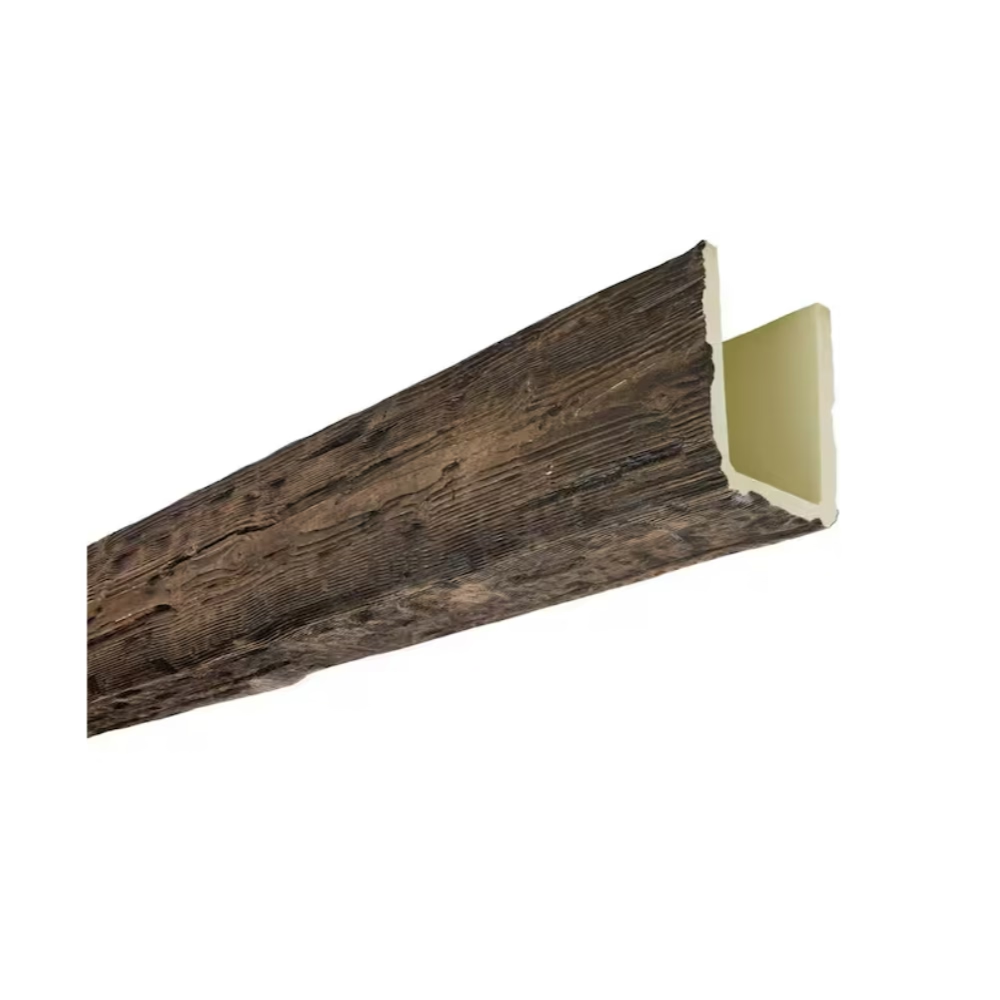
Hewn beam profiles feature flat bottoms with rough-sawn texture on remaining surfaces, approximating beams worked by hand tools. These profiles balance authenticity with practicality, offering the substantial presence of traditional construction while accommodating simpler mounting approaches. Hewn profiles suit both ceiling installation and exposed wall applications where traditional construction might have used smaller timbers.
Terracotta tile beams—flat panels with decorative tile inlays—represent a Spanish Revival specialty that faux timber technology can replicate. These composite beams feature a flat wood-look surround with ceramic tile inserts, traditionally handmade saltillo or similar Mexican tiles. Contemporary reproductions use manufactured tiles that approximate traditional appearance while providing consistent quality.
Achieving Authentic Aesthetic Expression
Spanish Revival authenticity extends beyond beam profile selection to encompass texture, color, and installation approach. The cumulative effect of these details determines whether an installation achieves genuine period character or appears as obvious modern imitation.
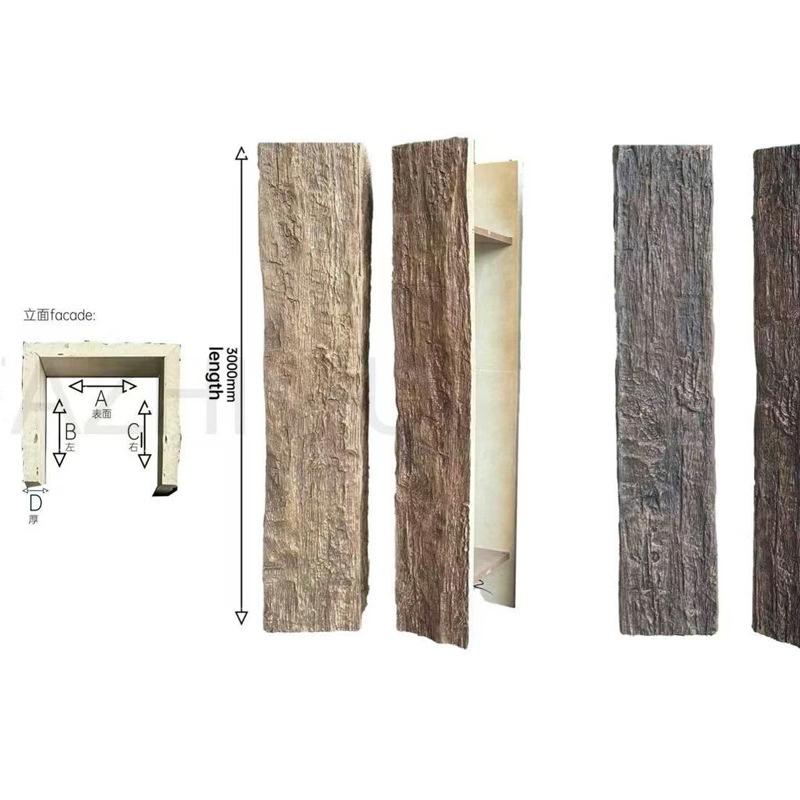
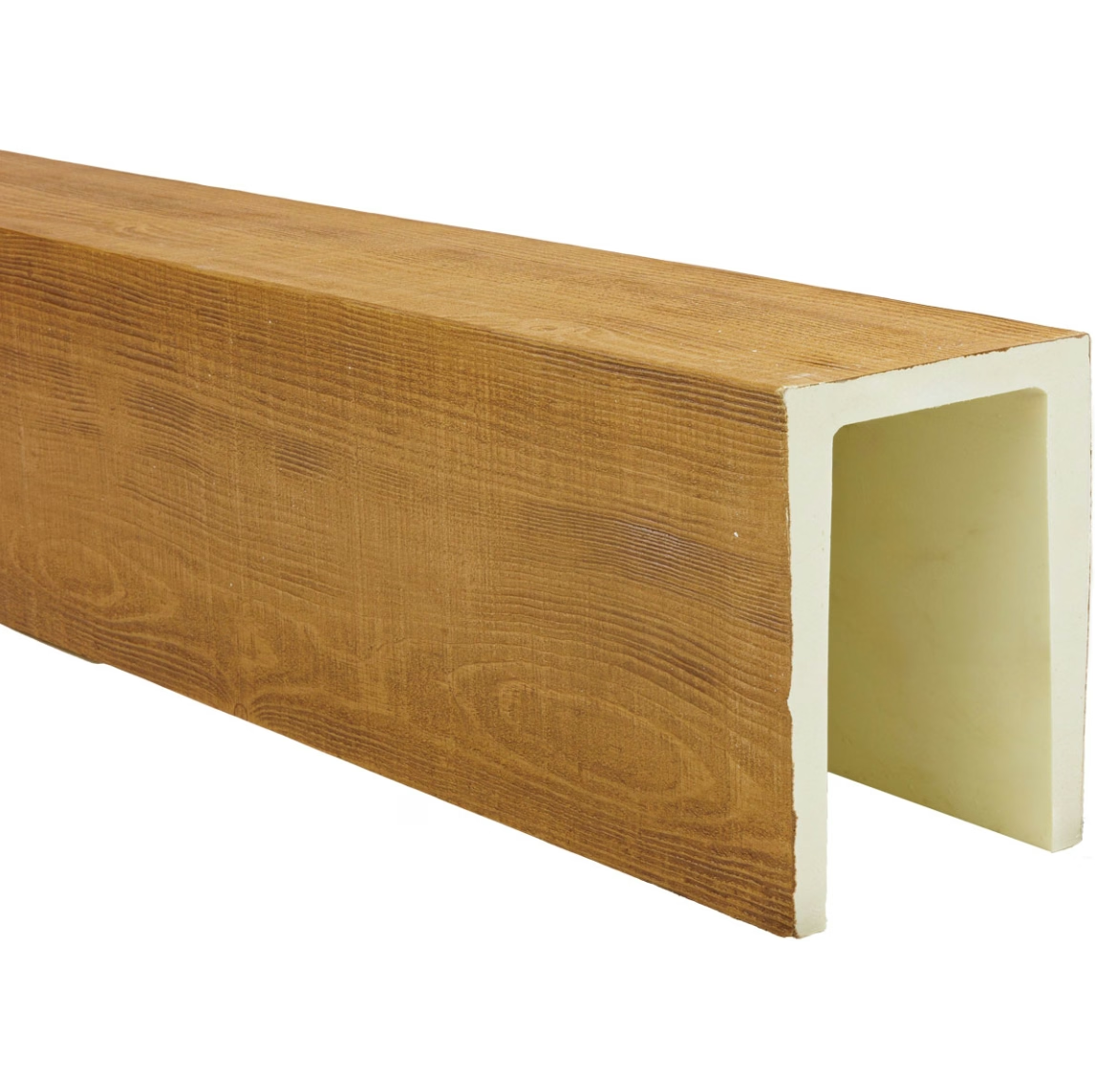
Texture treatment should suggest age and handcraft rather than machine production. Rough-sawn surfaces, tool marks, and natural variations all contribute to authentic appearance. Modern milling produces surfaces too smooth and regular for convincing Spanish Revival work; aggressive texturing or deliberately distressed surfaces compensate for manufacturing regularity. Some installers add manual distressing—chain marks, axe bites, worm holes—to enhance authenticity further.
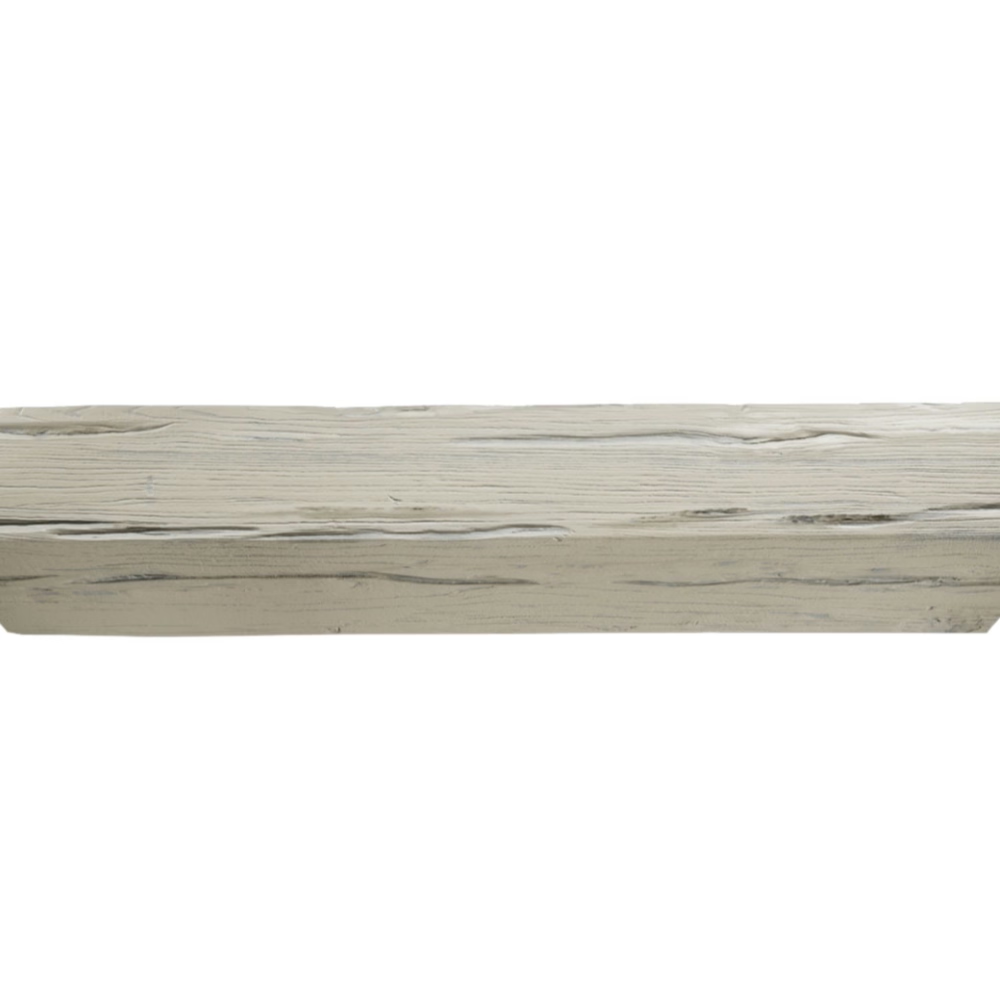
Color selection for Spanish Revival beams typically falls within warm brown and amber ranges, with occasional grey tones suggesting weathered exposure. The goal is richness without uniformity; authentic beams show color variation across their surfaces that machine-applied finishes cannot easily replicate. Multiple finish layers—base color, glaze, highlight—build complexity that reads as aged rather than painted.
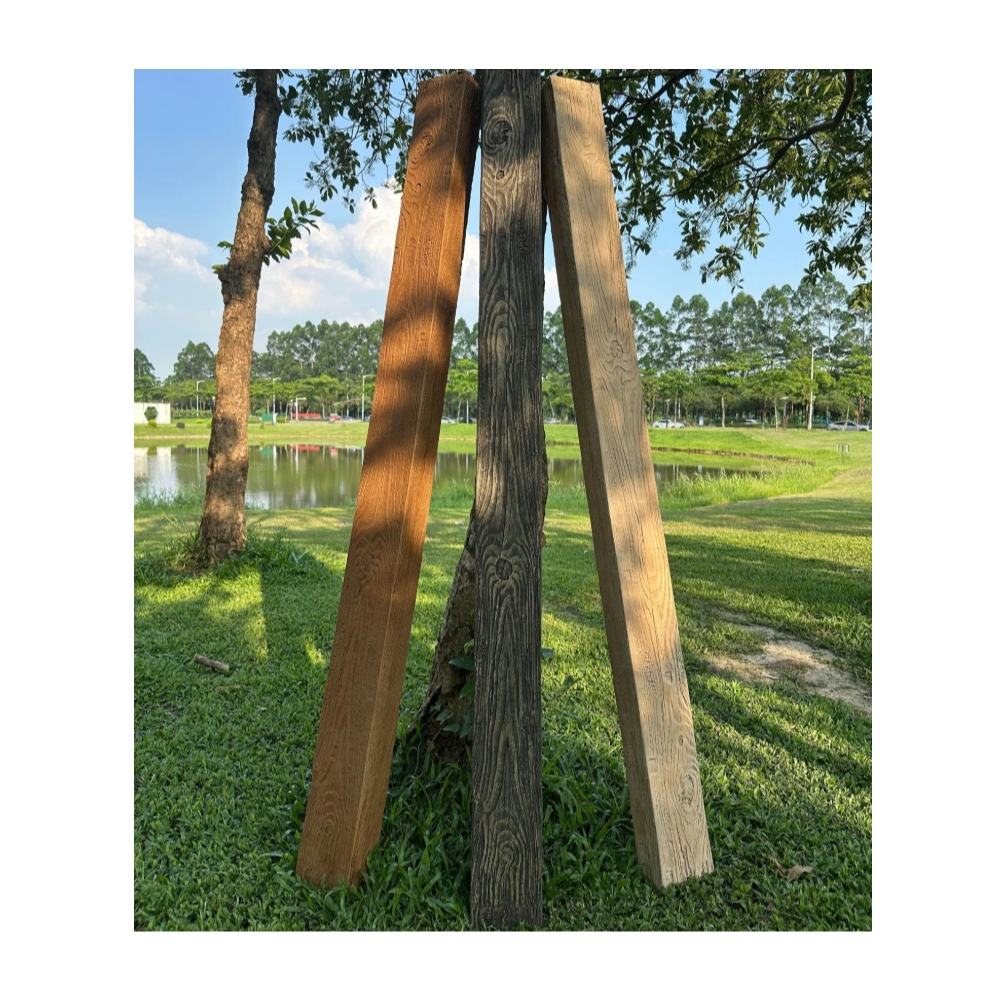
Wood species suggestion matters for authenticity. Traditional vigas were typically pine or similar softwoods, often with pronounced grain and occasional knots. Contemporary faux beams can suggest these species through appropriate coloring and grain patterns, while polyurethane's material properties ensure durability that actual pine would lack. The species suggested should relate to the overall design palette rather than pursuing arbitrary authenticity.
Coordinating with Spanish Revival Architectural Elements
Spanish Revival beam installations should integrate with the style's other characteristic elements rather than existing independently. The coherence that defines successful Spanish Revival interiors results from consistent design vocabulary across all visible surfaces.
Stucco walls—smooth or lightly textured white or cream plaster—provide the classic Spanish Revival backdrop for timber beams. The high contrast between dark timber and light stucco creates the dramatic effect the style requires. Repainting stucco in trendy grey or blue tones undermines this contrast, making beams appear less substantial and overall design less authentic. Maintaining appropriate color relationships preserves the visual impact that Spanish Revival architecture depends upon.
Terracotta tile floors—traditional saltillo or contemporary reproductions—complement ceiling beams through material and color continuity. Both elements share warm earth tones and handcrafted character that geometric modern flooring cannot replicate. Where budget constraints prevent authentic tile installation, wood flooring in appropriate tones can provide partial coordination, though the effect differs significantly from the genuine article.
Wrought iron details—light fixtures, cabinet hardware, stair railings, window grilles—complete the Spanish Revival vocabulary that ceiling beams should coordinate with. The black iron against wood beam and white stucco creates the tri-color palette that defines the style. Missing iron details make even excellent beam installations feel incomplete; appropriately detailed ironwork elevates the entire composition.

Installation Approaches for Period-Appropriate Results
Spanish Revival authenticity in visible details extends to installation approach. Traditional beam fastening methods—metal straps, wooden pins, notched connections—should inform contemporary installation even when structural requirements differ.
Exposed beam ends receive particular attention in Spanish Revival work. Traditional vigas featured carefully finished ends that might include decorative carving or simple stepped profiles. Contemporary installations should address exposed ends through appropriate profile selection and finish application, avoiding the crude cut conditions that suggest careless construction rather than period-appropriate detail.
Beam spacing in traditional Spanish architecture was often irregular, reflecting the varied diameters of available timber and the practical requirements of plaster lath support. Contemporary installations can honor this irregularity through deliberate variation in spacing, avoiding the too-regular appearance that machine-cut lumber produces. This variation should feel natural rather than forced, suggesting practical adaptation rather than deliberate patterning.
Support conditions—corbels, knee braces, and masonry piers that traditionally carried beam loads—can be replicated or suggested in faux installations. Even purely decorative corbels that add no structural contribution enhance authenticity by suggesting the load-bearing logic that traditional construction employed. These details add cost but significantly improve overall effect.
Technical References
ASTM standards cited in every specification
Test Data
Lab results from internal testing program
Updated 2026
Reviewed against current product specs