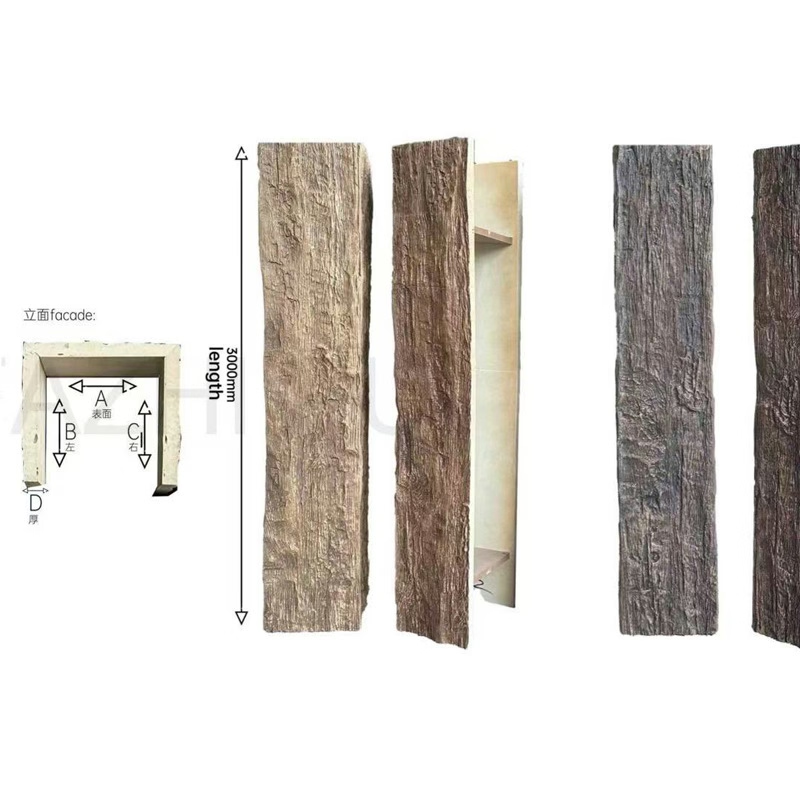
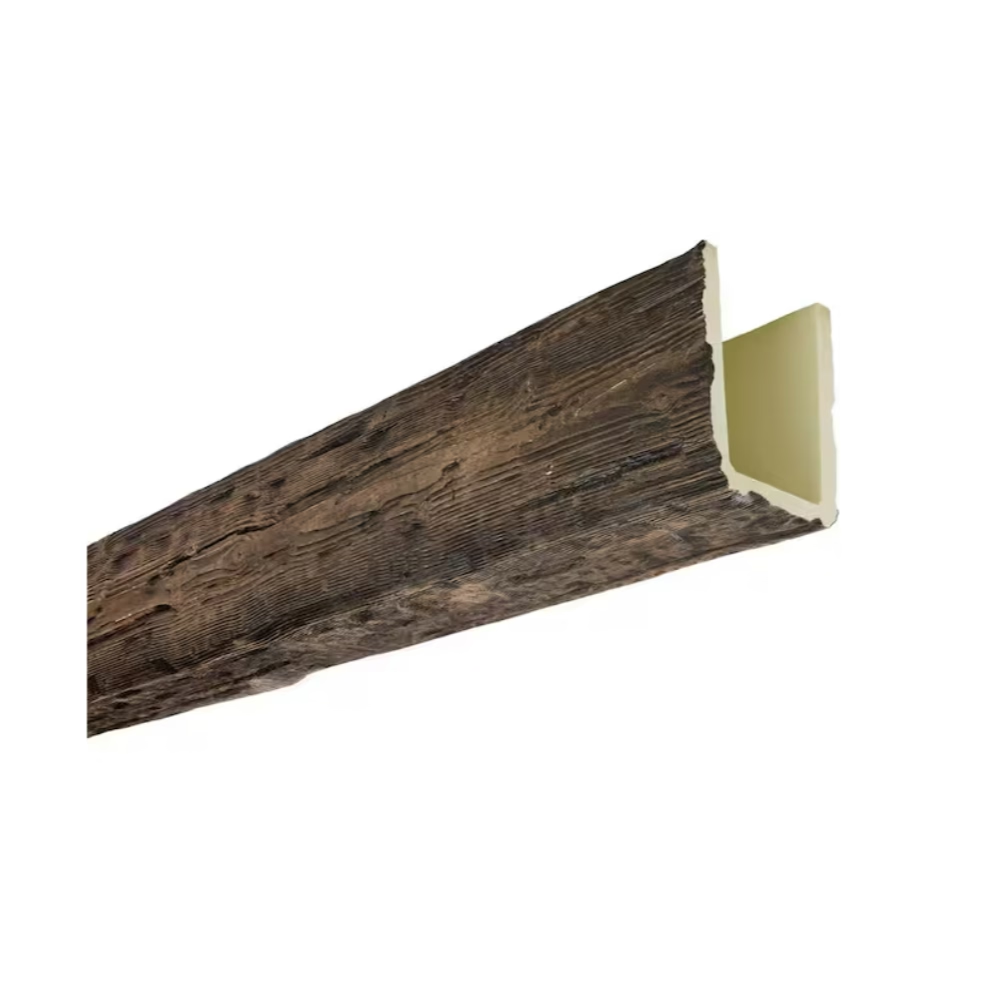
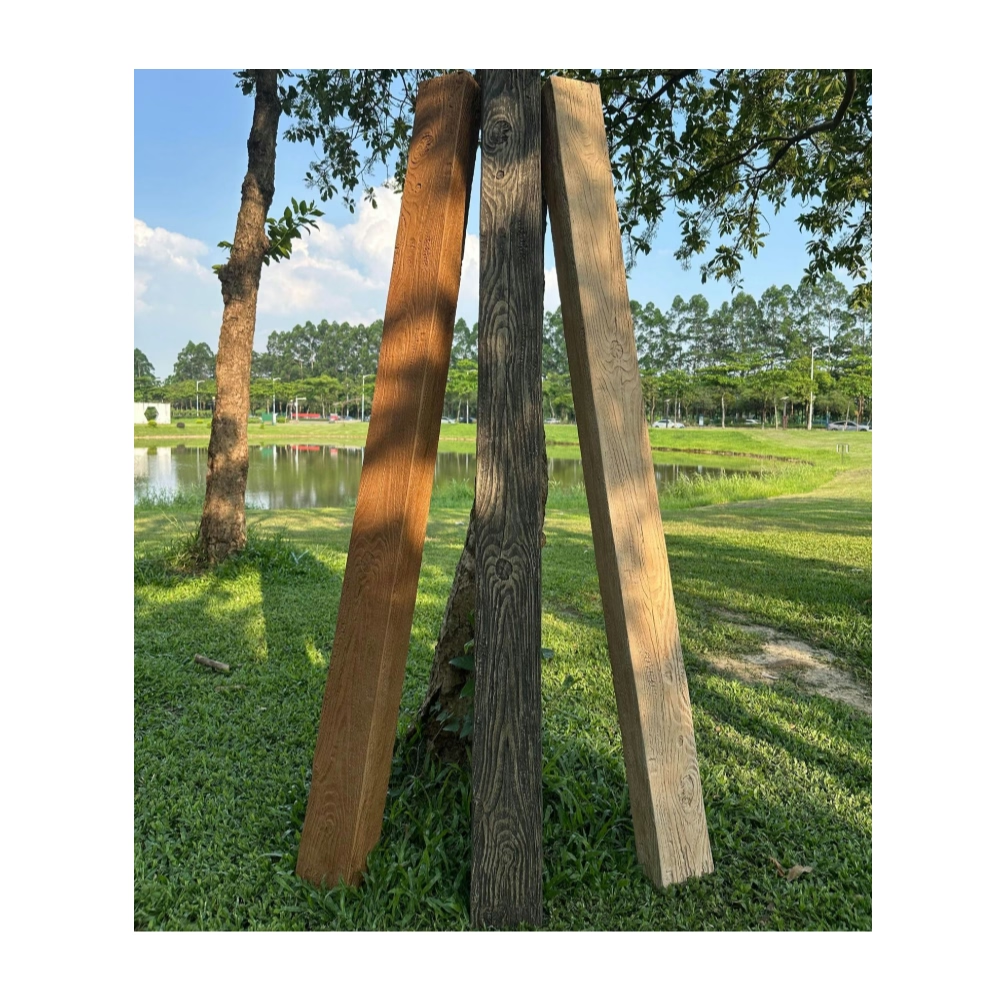
Interior renovation projects across all design styles share a common need for materials that adapt to diverse aesthetic requirements. The same beam product might appear in a minimalist contemporary loft, a traditional Craftsman revival, or a rustic farmhouse renovation, proving its versatility through successful integration in each context. Standard polyurethane faux wood beams serve this universal role, providing wood aesthetics that complement rather than dictate interior design direction.
The term "universal" in this context refers to adaptability across design styles rather than any specific appearance standard. These beams achieve versatility through balanced aesthetics that relate well to multiple design vocabularies. Their wood character provides warmth without strong period associations, allowing them to enhance contemporary and traditional spaces alike.
Renovation projects particularly benefit from materials that adapt to existing conditions and design elements. Unlike new construction where every element can be coordinated from a clean slate, renovations must integrate with existing surfaces, finishes, and architectural features. Standard beams with neutral appeal avoid conflicts with established design elements while providing the enhancement that renovations typically seek.
Adaptability Across Design Styles
Contemporary design emphasizes clean lines, simplified forms, and restrained material palettes. Standard faux wood beams contribute to these spaces through proportional accuracy and refined finishes that support rather than compete with contemporary aesthetics. Smooth textures and consistent coloring complement modern surfaces while adding the warmth that all-wood-free contemporary interiors often lack.
Traditional design welcomes the authentic wood character that faux beams provide. Crown molding proportions, classic profiles, and warm color tones align with traditional design expectations. Beams in these applications read as appropriate to established architectural vocabularies, adding richness without creating stylistic confusion.
Transitional design, occupying the space between pure contemporary and traditional aesthetics, finds faux beams particularly accommodating. These versatile elements bridge design approaches through neutral wood character that works with both modern and traditional companion elements. Renovations in transitional style benefit from beams that support the design synthesis these projects pursue.
Practical Renovation Advantages
Renovation installations often encounter conditions that new construction avoids. Irregular ceiling heights, non-standard joist spacing, and compromised existing surfaces all appear in renovation contexts. The handling characteristics of polyurethane beams facilitate working around these conditions more easily than heavier natural wood alternatives would allow.
Lightweight construction simplifies installation in renovation contexts where ceiling structures might not support substantial loads. Polyurethane beams attach effectively to existing structures without requiring structural reinforcement that would add significant cost and complexity. This load advantage makes beam installation feasible in buildings where timber beams would require engineering assessment and potentially structural modification.
Installation speed matters in renovation projects where extended construction periods disrupt household or business operations. Faster installation means faster project completion and return to normal use. Polyurethane beams install more quickly than natural wood alternatives, contributing to shorter project timelines that renovation clients appreciate.
Finish Options Supporting Design Flexibility
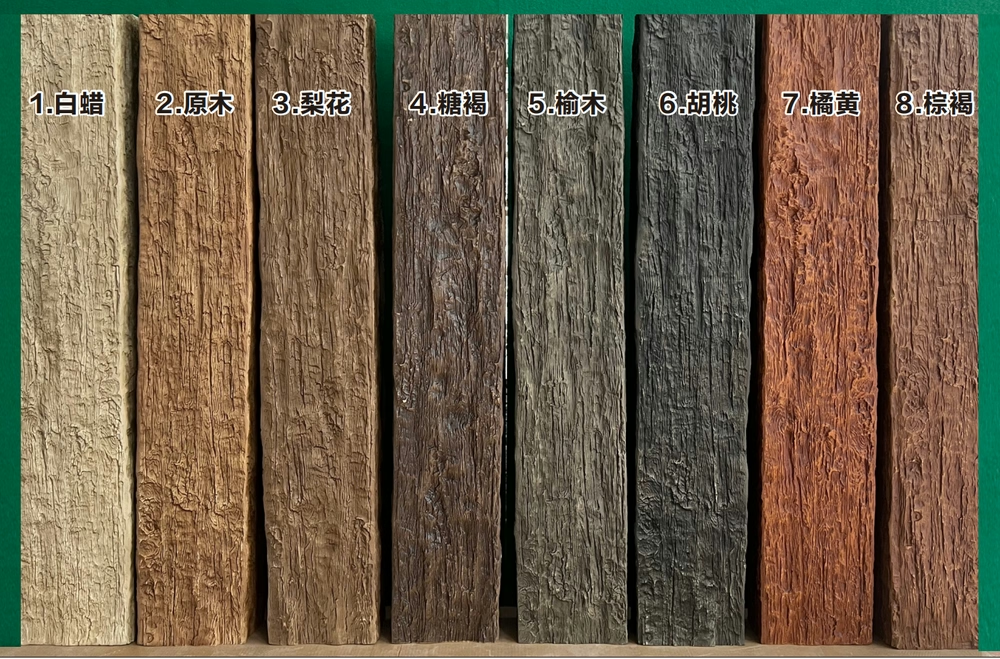
Natural wood-tone finishes provide the most universally applicable appearance for faux beams. Medium brown tones reminiscent of oak or maple complement most interior color schemes without creating strong color relationships that might conflict with specific design elements. These neutral wood tones serve as design enhancers rather than focal points.
Custom finish options expand universal applicability to specific project requirements. Matching existing woodwork, coordinating with furniture finishes, or creating specific aesthetic effects all become possible through staining and finishing options. The blank canvas that unfinished beams provide enables design solutions that pre-finished products cannot match.
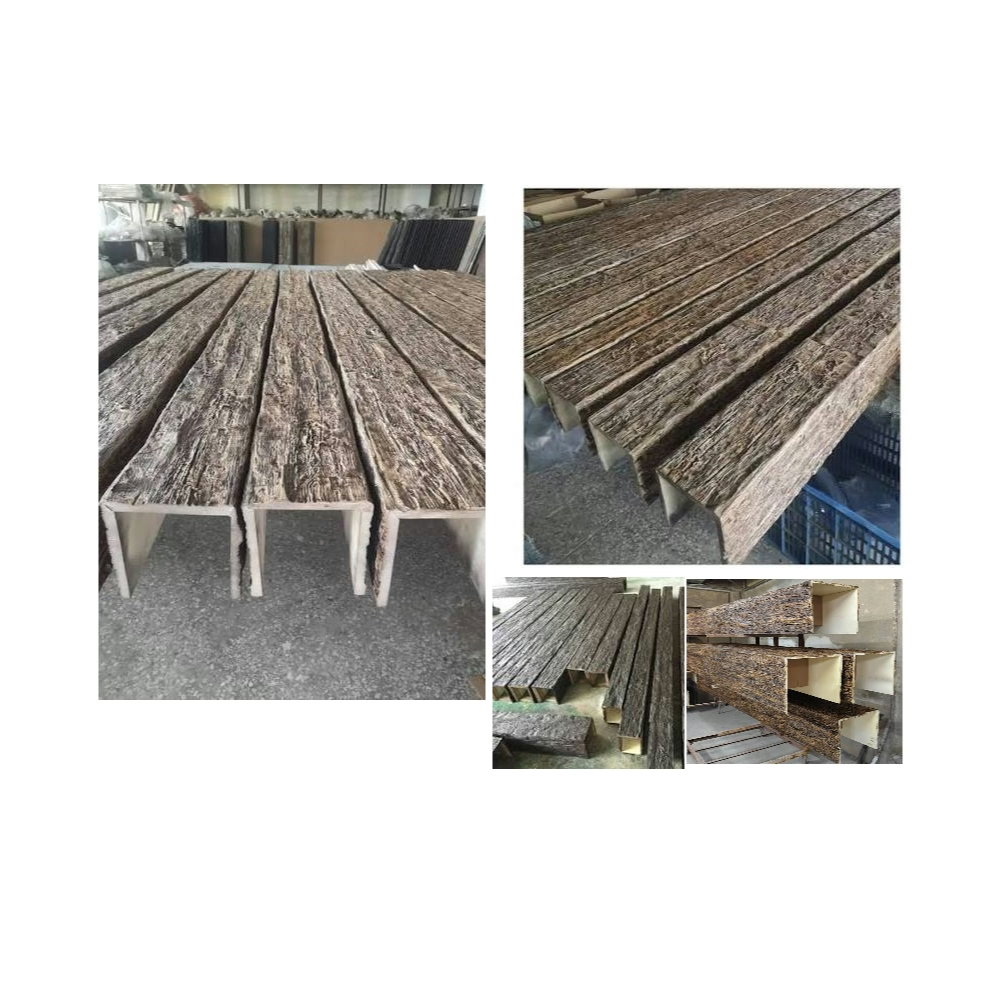
Texture variation provides another dimension of adaptability. Smooth finishes suit contemporary applications where refined surfaces dominate. Heavy texture supports rustic aesthetics where authentic weathered appearance matters. Subtle texture adds interest to traditional applications without strong period connotation. Texture selection influences beam character significantly, enabling universal products to serve specific design intentions.
Cost-Effectiveness for Renovation Budgets
Renovation budgets typically face constraints that new construction budgets do not encounter. Existing structure, limited access, and coordination with occupied spaces all add complexity that increases costs. Material selection that provides quality appearance at reasonable cost supports budget discipline that renovation projects require.
Standard polyurethane beams offer cost advantages compared to alternatives that might serve the same design functions. Reclaimed timber carries premium prices that authenticity-conscious clients might accept but budget-conscious projects cannot. Solid timber requires structural considerations that add to total installed cost. Polyurethane faux beams provide visual benefits without these cost-adders.
The value proposition strengthens further when maintenance costs factor into total ownership. Natural wood alternatives might require periodic refinishing, pest treatment, or moisture-related repairs. Polyurethane beams maintain appearance without these ongoing expenses, contributing to favorable life-cycle cost comparisons that renovation budgets appreciate.
Project Types Suitable for Universal Beam Application
Residential room renovations commonly feature faux wood beams as focal elements. Living rooms, dining rooms, and kitchens all benefit from beam installations that add architectural interest to otherwise plain ceiling surfaces. The universal appeal of wood aesthetics ensures that beams enhance rather than limit design options for subsequent decorating changes.
Whole-home renovations incorporating beams throughout create design continuity that connects spaces. Beams appearing in multiple rooms with consistent styling establish visual relationships that help large homes feel cohesive. This continuity benefits both occupants, who experience designed spaces, and potential future buyers, who see thoughtful renovation investment.
Light commercial renovation projects, including boutique retail, restaurant, and hospitality applications, also suit universal beam application. The same adaptability that serves residential renovation serves these commercial contexts, where design flexibility supports diverse brand aesthetics and changing market positioning. Commercial renovations particularly benefit from the installation speed and maintenance simplicity that polyurethane provides.

Standard polyurethane faux wood beams serve universal interior renovation needs through adaptability, practicality, and value. These versatile elements enhance spaces across design styles while installing efficiently and maintaining appearance with minimal ongoing attention. For renovation projects seeking wood aesthetics without design constraints or budget strain, polyurethane faux beams provide the universal solution.
Technical References
ASTM standards cited in every specification
Test Data
Lab results from internal testing program
Updated 2026
Reviewed against current product specs