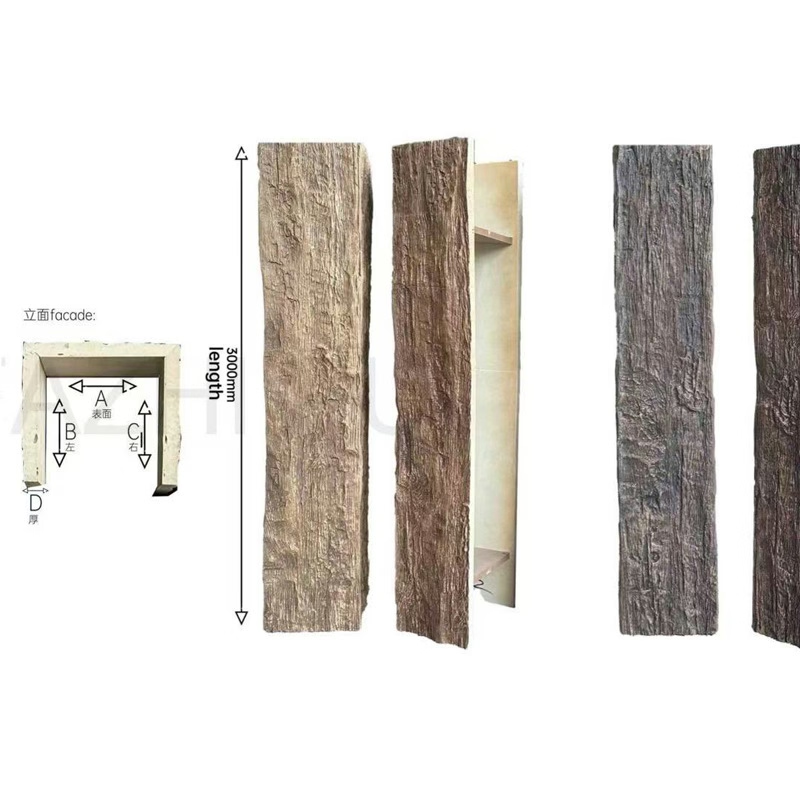
The breakfast nook holds a special place in home design, representing that intimate space where families begin each day together over morning coffee and quick meals before rushing off to work and school. Unlike the formal dining room reserved for special occasions, the breakfast nook embraces casual intimacy, encouraging the relaxed conversations and comfortable silences that strengthen family bonds. Designing this space thoughtfully creates an environment that makes those morning moments feel precious rather than rushed, establishing the emotional tone for the entire day ahead.
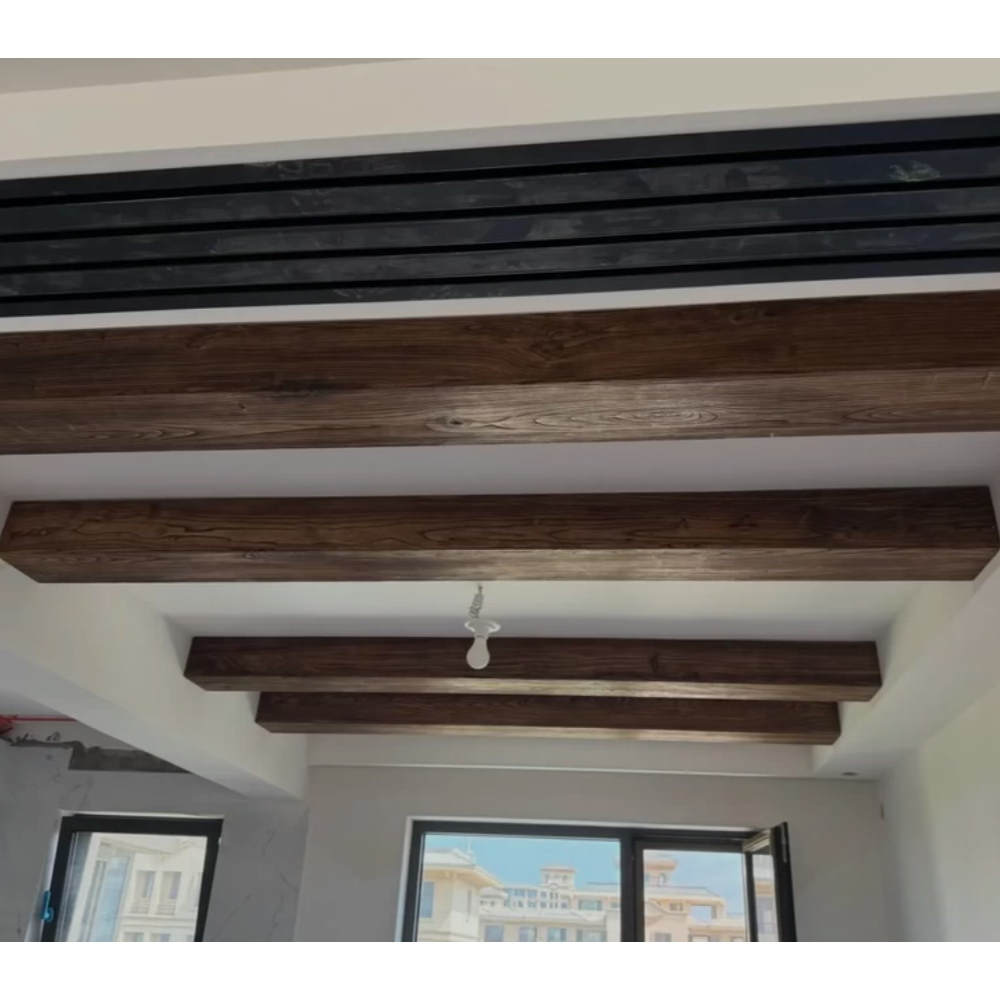
Ceiling treatment plays an underappreciated role in breakfast nook design, yet it offers remarkable opportunity for atmosphere creation. The intimate scale of most nooks means that ceiling elements have substantial visual impact relative to room size. Beams can transform a standard kitchen corner into a destination, making the act of eating breakfast feel like a small ritual worth savoring rather than merely refueling between obligations.
The Intimate Scale of Breakfast Nooks
Breakfast nooks typically occupy smaller spaces than formal dining areas, often carved from kitchen corners or positioned in alcoves adjacent to cooking zones. This intimate scale creates both constraints and opportunities for design treatment.
The smaller dimensions of breakfast nooks mean that ceiling beams should be proportionally scaled to avoid overwhelming the space. Larger beams that work magnificently in great rooms can dominate nooks, making the space feel cramped rather than cozy. Smaller-profile beams, perhaps three to five inches in visible depth, create visual interest without competing with the human scale of the people using the space.
Natural light in breakfast nooks often differs from surrounding kitchen areas, with windows positioned to provide morning sun and garden views. Beam placement should consider this lighting, potentially using beams to frame window areas or to create visual separation between brightly lit nook zones and darker kitchen backgrounds. The interplay of light through beams adds dimensionality that enhances the overall atmosphere.
Furniture selection in breakfast nooks typically includes built-in benches, small tables, and comfortable chairs that encourage lingering. Beams should complement rather than conflict with this furniture arrangement, potentially incorporating pendant lighting that illuminates the table surface while adding warm glow to the beam treatment above. The relationship between beams, lighting, and furniture should create a cohesive scene that invites occupancy.
Beam Styles for Kitchen Environments
Kitchen environments present unique challenges for ceiling treatments, including humidity from cooking, potential for splatter, and the need for easy cleaning. Selecting appropriate beam styles ensures lasting satisfaction with nook design.
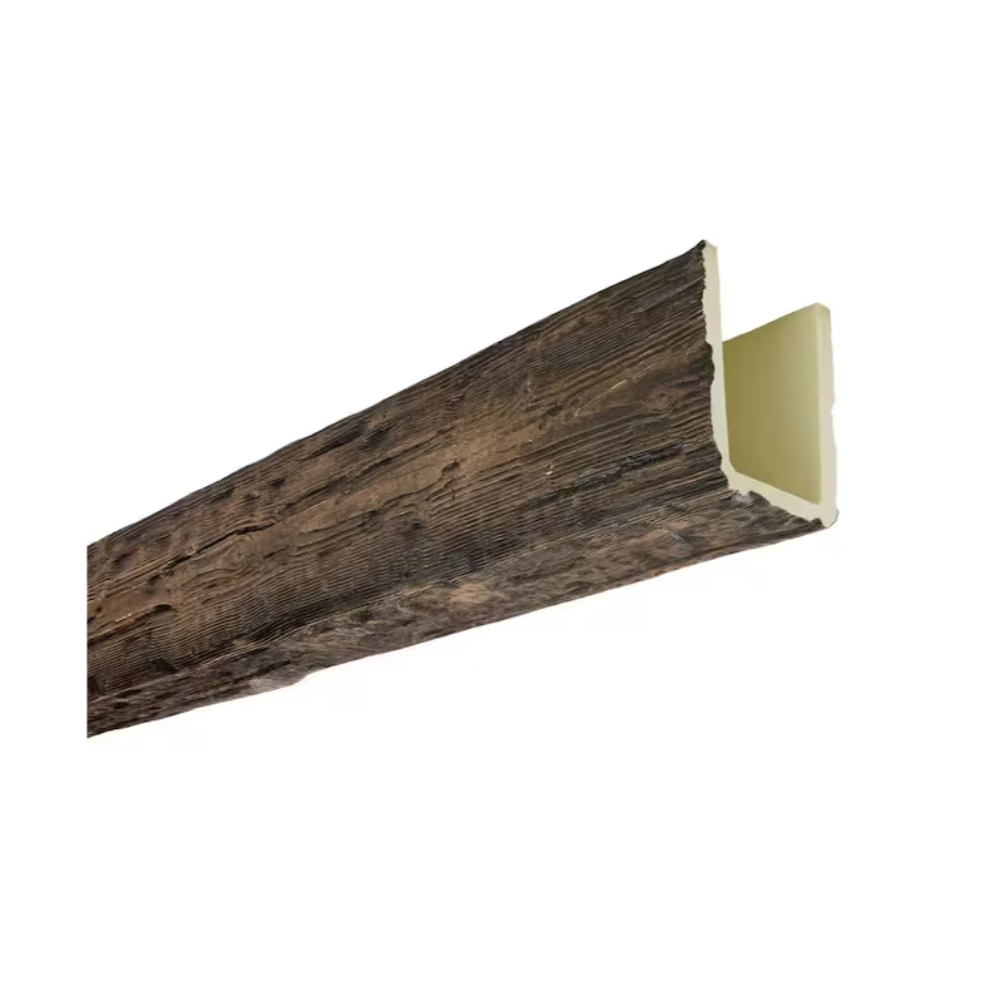
Moisture-resistant materials prove essential in kitchen applications where steam and humidity are constant companions. PU faux beams resist moisture absorption completely, maintaining dimensional stability and appearance despite environmental fluctuations that might distress genuine timber. This resilience ensures that beams maintain their attractive appearance indefinitely without warping, cracking, or deterioration.
Easy-clean surfaces accommodate the occasional splatter that occurs when food preparation and serving overlap spatially. While beams should be positioned to minimize direct exposure to cooking activities, some splatter accumulation is inevitable in kitchen environments. PU beams clean easily with standard kitchen cleaning products, allowing quick restoration of pristine appearance whenever needed.
Finish selection should consider the overall color palette of the kitchen while adding warmth that enhances the cozy nook atmosphere. Light oak and honey wheat tones complement most kitchen color schemes while adding the timber character that distinguishes decorated ceilings from plain ones. Darker walnut and mahogany finishes work well in traditional kitchens with rich wood cabinetry, creating visual continuity between different wood elements.


Creating Visual Zones
Breakfast nooks often occupy spaces adjacent to or within larger kitchen areas, making visual separation important for establishing the distinct character of each zone.
Ceiling beams provide excellent visual boundaries that suggest functional zones without requiring physical barriers. A beam positioned at the transition between nook and kitchen visually marks the boundary while maintaining the open feeling that makes small spaces feel larger. This approach works particularly well when beams align with architectural features like window walls or cabinet runs that reinforce the spatial division.
Horizontal beam placement in nooks draws the eye across the space, making narrow areas feel wider. If your breakfast nook is elongated, beams running perpendicular to the length create visual expansion that prevents the tunnel-like feeling that such proportions sometimes produce. This horizontal emphasis complements the natural orientation of most nooks toward windows or garden views.
Vertical emphasis through beam placement can make low ceilings feel higher. Beams running lengthwise in a space create strong directional lines that the eye follows, and installing beams with lighter finishes reflects available light in ways that suggest greater height. This approach proves valuable in older homes with lower ceilings that might otherwise feel cramped.
Lighting Integration for Morning Ambiance
Morning light possesses a particular quality that shapes how spaces feel during the hours when breakfast nooks see their heaviest use. Integrating lighting with beam treatments enhances this natural morning ambiance.
Pendant fixtures suspended from beams provide focused illumination that makes breakfast tasks easier while adding visual warmth through the fixtures themselves. Selecting pendants with warm-toned glass or metal finishes complements the wood appearance of beams while contributing to the overall cozy atmosphere. Multiple small pendants arranged over a rectangular table provide even illumination, while a single larger pendant works well over round or square tables.
Warm LED lighting creates the amber glow that makes mornings feel inviting rather than harsh. Color temperatures around 2700K to 3000K provide warm white light that flatters skin tones and food appearance while reducing the jarring quality of cooler daylight temperatures. Dimmable fixtures allow customization from bright morning alertness to softer afternoon relaxation.
Under-beam indirect lighting adds ambient glow that prevents harsh shadow contrast while emphasizing beam texture. LED strips installed above beams or in beam recesses create soft up-light that washes the ceiling with gentle illumination. This approach proves particularly valuable during evening hours when nooks continue serving as informal gathering spaces after the morning rush.
Complementary Design Elements
Beams work most effectively when integrated with other design elements that reinforce the cozy nook aesthetic. Thinking holistically about nook design ensures that beams contribute to rather than compete with overall atmosphere.
Built-in seating coordinates beautifully with ceiling beams, creating the cottage-like character that makes breakfast nooks so appealing. Consider bench cushions in fabrics that complement beam finishes, perhaps picking up wood tones or contrasting them with complementary colors. The combination of comfortable seating below and warm beams above creates the enclosed, protected feeling that defines cozy spaces.
Window treatments frame views and filter light in ways that interact with beam treatments above. Simple café curtains in lightweight fabrics add softness without overwhelming, while Roman shades offer flexible light control. The relationship between window treatments and ceiling beams should feel intentional, with color and texture choices that create visual harmony throughout the space.
Accessories and décor complete the breakfast nook composition, adding personal touches that make the space distinctly yours. Artwork, plants, and decorative objects populate the space with visual interest that draws the eye downward from the ceiling beams. This vertical engagement ensures that beams feel integrated rather than isolated, part of a complete design rather than a single imposing element.
Family-Centered Design
The breakfast nook exists to serve family life, and design decisions should support rather than complicate this fundamental purpose.
Child-friendly considerations matter in families with young children. Beams positioned high enough to avoid head bumps during energetic moments, durable finishes that withstand curious fingers, and lighting at safe heights all contribute to a nook that functions well for families with children. The investment in thoughtful design pays dividends through years of comfortable family use.
Multi-generational accessibility ensures that breakfast nooks serve family members of all ages. Adequate lighting supports older family members who may have reduced vision, while comfortable seating heights accommodate varied physical abilities. Beams contribute to overall accessibility by creating warm, welcoming environments that encourage family members to linger and connect.
Cleaning and maintenance requirements affect family schedules significantly. PU beams that require only occasional dusting and periodic wiping accommodate busy family life without adding burdensome chores. This low-maintenance characteristic proves particularly valuable in households where both parents work and time for home maintenance is limited.
The breakfast nook deserves design attention that matches its importance in daily family life. Faux wood beams add the warmth, character, and visual interest that transform functional eating spaces into beloved family destinations. Through thoughtful selection and integration with overall nook design, these ceiling treatments create environments where morning routines become cherished rituals and family connections strengthen through daily shared moments.
Technical References
ASTM standards cited in every specification
Test Data
Lab results from internal testing program
Updated 2026
Reviewed against current product specs