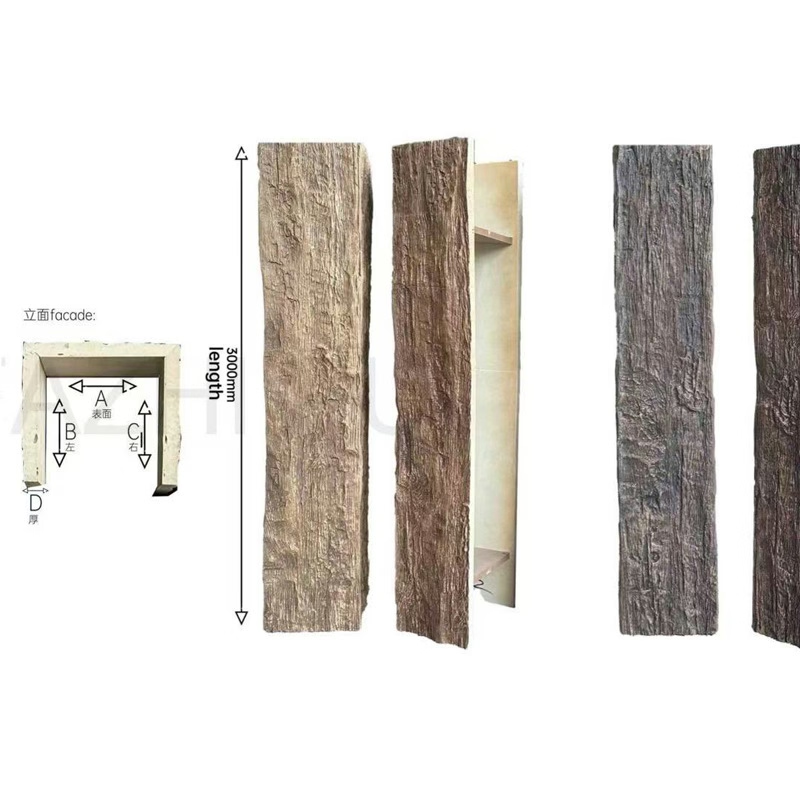
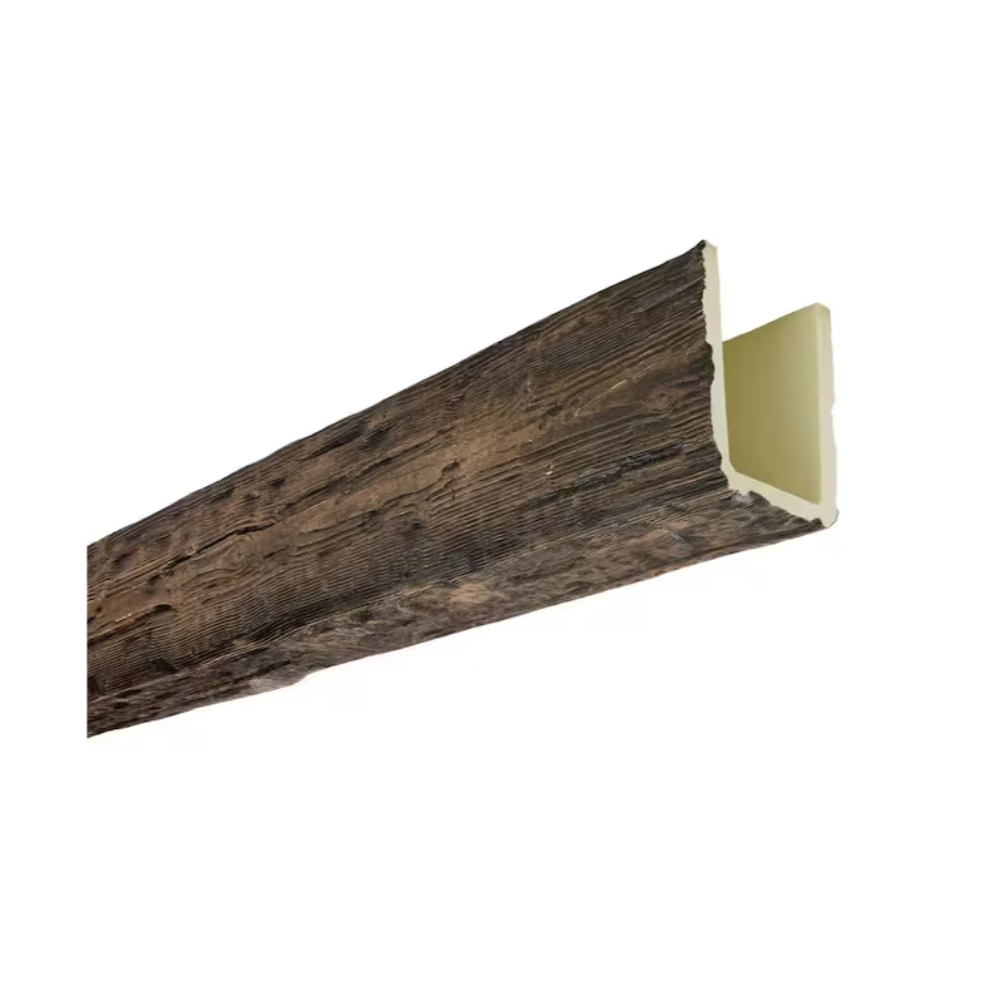
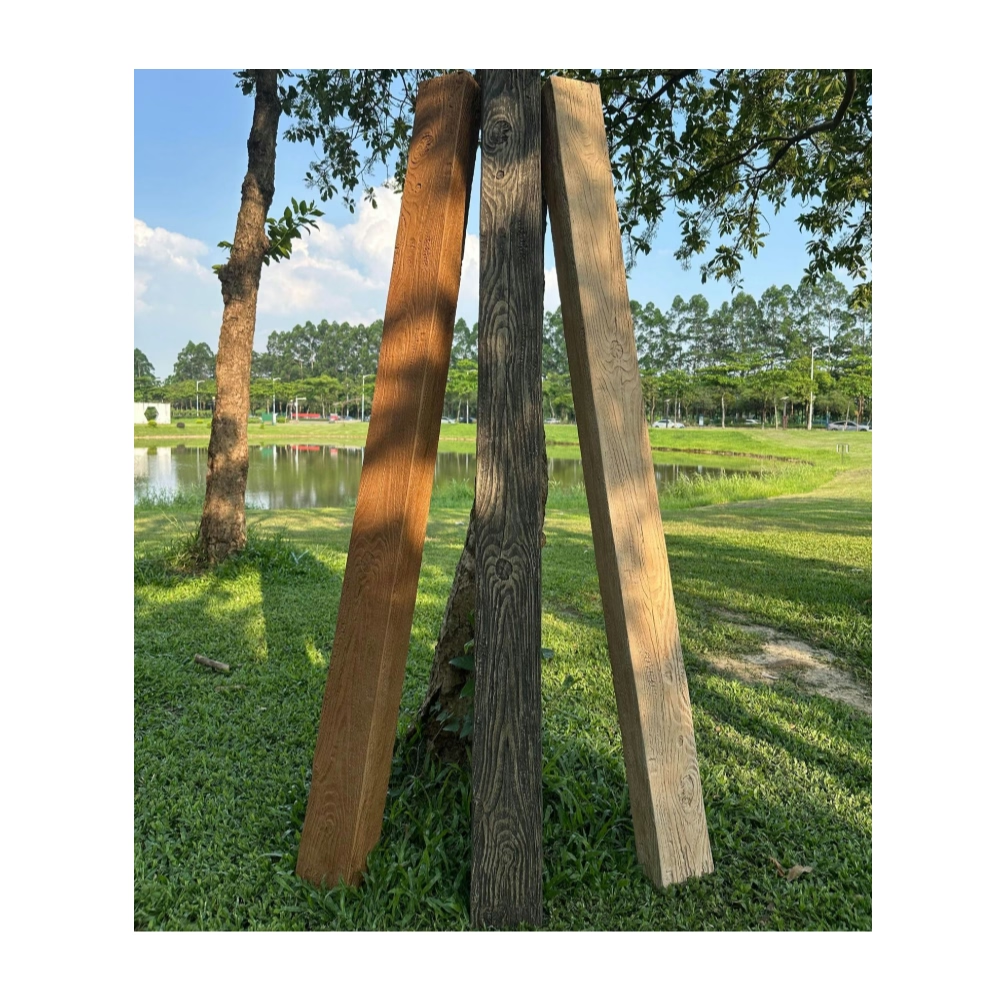
Vaulted ceilings represent one of home architecture's most dramatic features, creating spatial drama and visual grandeur that flat ceilings simply cannot match. The soaring lines, abundant light, and sense of openness make vaulted-ceiling rooms feel larger, brighter, and more impressive than their actual square footage might suggest. Yet this architectural gift sometimes feels like a challenge rather than a blessing, with vast ceiling surfaces creating visual emptiness that furniture and wall treatments struggle to address. Faux wood beams offer an elegant solution that fills this visual void while adding warmth and character that prevents contemporary spaces from feeling sterile or incomplete.
The challenge of vaulted ceilings lies in their scale. What works beautifully on standard eight-foot ceilings becomes lost and insignificant when applied to fifteen or twenty-foot slopes. Without treatment, these expansive surfaces can feel cold and institutional, more akin to commercial spaces than comfortable homes. Beams provide the visual weight and textural complexity that brings human scale to soaring architecture, creating spaces that feel grand without feeling intimidating.
The Scale Challenge in Vaulted Spaces
Understanding how scale affects beam selection and placement ensures successful treatment of vaulted ceilings. The principles differ significantly from standard ceiling applications.
Beam proportions in vaulted spaces should generally be larger and more substantial than those used in conventional ceilings. What might appear appropriately scaled on an eight-foot ceiling becomes insignificant when mounted fifteen feet above the floor. Larger beams maintain visual presence despite distance, ensuring that the treatment makes an impact rather than disappearing into the architectural volume.
Installation height affects both visual impact and practical considerations. Beams mounted higher on vaulted slopes appear smaller from below, while those positioned lower create stronger visual connections with the inhabited space below. Many designs benefit from beams installed at the point where vaulted slopes transition to horizontal ceiling planes, creating visual anchors that engage observers while emphasizing the architectural transition.
Structural suggestion through beam placement creates the impression of genuine load-bearing elements even in decorative applications. Authentic vaulted timber construction features beams that follow structural logic, often aligned with roof framing or positioned to suggest genuine support. Decorative beams that respect this structural language appear more credible than arbitrary placement that ignores architectural conventions.
Design Styles for Contemporary Vaulted Spaces
Modern homes with vaulted ceilings often embrace contemporary design aesthetics that require thoughtful beam selection. The right treatment enhances rather than conflicts with modern sensibilities.
Minimalist approaches favor clean-lined beams with simple profiles and restrained finishes. Smooth surfaces, consistent coloring, and geometric placement create architectural interest without the busy complexity of rustic treatments. These beams often appear in white, gray, or natural light wood finishes that complement contemporary color palettes while adding the dimensional interest that prevents flat ceilings from feeling institutional.
Industrial-modern spaces embrace beams with raw, reclaimed appearances that complement exposed metal and concrete elements common in this style. Dark-stained beams with visible grain, weathering, and natural imperfections add warmth to spaces that might otherwise feel cold. The contrast between rough timber texture and sleek metal accents creates visual tension that defines industrial aesthetics.
Scandinavian-influenced interiors use beams in light, natural finishes that enhance the bright, airy feeling these designs pursue. Pale oak and whitewashed treatments reflect available light, preventing the cavernous feeling that large dark beams might create. Combined with minimal furniture and abundant textiles, these beams support the cozy minimalism that characterizes Nordic-inspired living.
Beam Configurations for Vaulted Ceilings
The geometry of vaulted ceilings offers unique placement opportunities that standard ceilings cannot provide. Understanding these options enables creative treatment.
Longitudinal beams running the length of the vault draw the eye through the space, emphasizing the architectural direction and making rooms feel longer. This arrangement works particularly well in rectangular spaces where extending visual lines creates proportional improvement. The repeated rhythm of parallel beams adds structure to spaces that might otherwise feel formless.
Radial arrangements originating from a central point create focal emphasis that draws attention toward focal walls, fireplaces, or significant architectural features. This approach suits spaces with centered focal points that benefit from additional visual weight. The geometric pattern also adds contemporary interest, creating modern interpretation of traditional barrel vault construction.
Single accent beams provide dramatic impact without comprehensive ceiling coverage. A single substantial beam positioned above the primary seating area creates a visual anchor that defines the living zone without overwhelming the overall ceiling composition. This approach proves particularly effective in very large vaulted spaces where comprehensive beam treatment might become expensive and visually overwhelming.

Material and Finish Selection
The expansive scale of vaulted ceilings makes finish selection particularly consequential, as chosen treatments will be visible from great distances and at various angles.
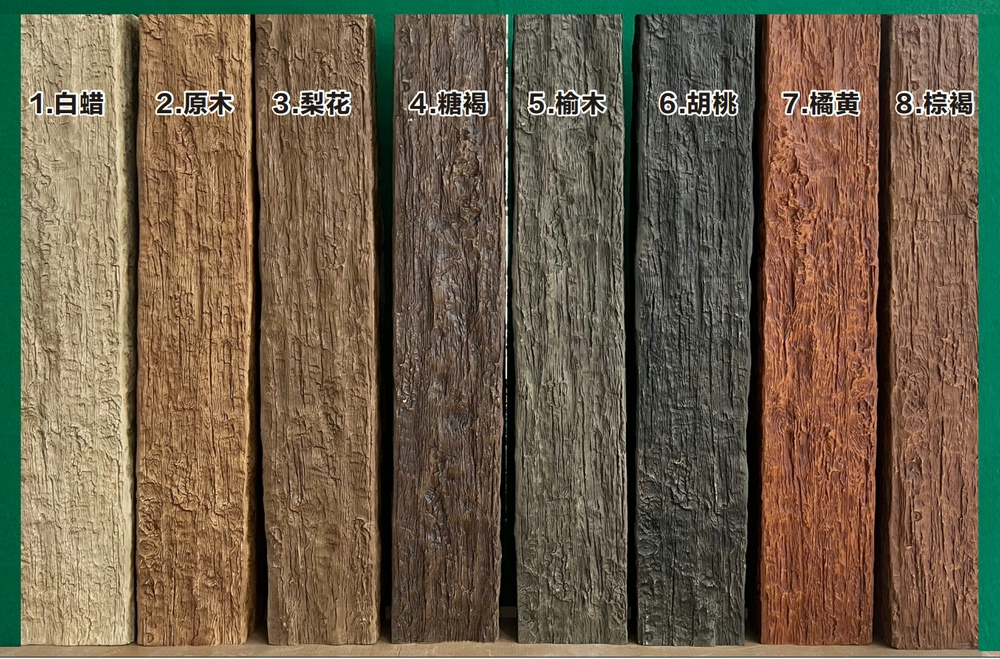
Light-reflective finishes prove valuable in vaulted spaces where natural light from skylights and high windows creates changing illumination throughout the day. Beams in light oak, honey, or whitewash finishes reflect this light effectively, preventing the shadowy, cave-like feeling that darker treatments might create. The brightness also enhances the sense of openness that vaulted ceilings are meant to provide.
Natural wood finishes offer warmth that counteracts the potential coldness of large empty volumes. Even in contemporary spaces, the organic character of wood adds livability that pure white or gray schemes lack. Consider how beam finishes will interact with other natural materials in the space, including stone fireplaces, wood flooring, and houseplants that contribute organic warmth.
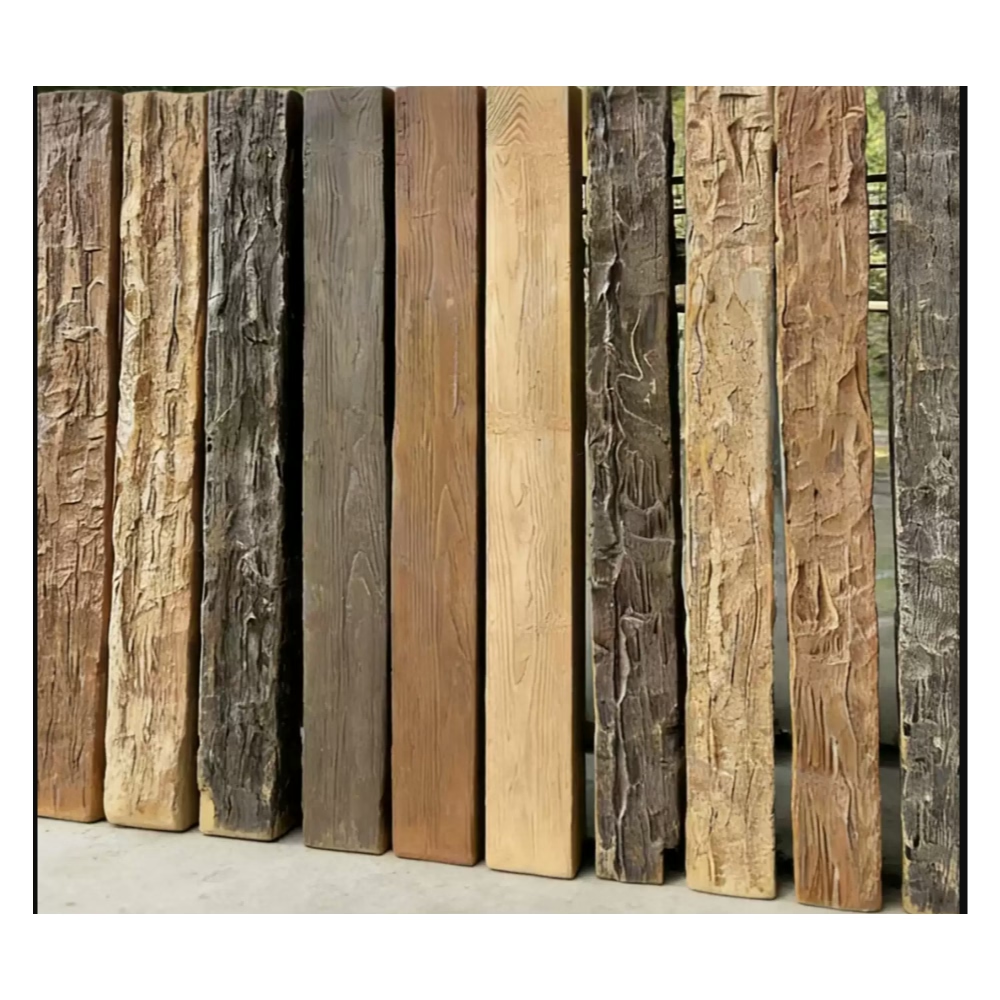
Texture variation within beam finishes creates visual interest that rewards close examination while maintaining presence at viewing distances. Subtle grain patterns, slight color variations, and controlled weathering add complexity that prevents beams from reading as flat manufactured elements. This textural authenticity distinguishes quality treatments from cheap alternatives.
Lighting Considerations
Vaulted ceiling lighting requires specialized approaches that accommodate height while providing adequate illumination for living activities. Beam integration offers opportunities for elegant solutions.
High-mounted fixtures attached directly to beams provide illumination without requiring additional ceiling-mounted hardware that might compete with beam appearance. Pendant fixtures positioned at beam intersections or along beam lengths deliver light from elevations that would otherwise present installation challenges. The beams themselves become mounting points that contribute to overall aesthetic rather than awkward necessities.
Recessed lighting between beams creates ambient illumination without visible fixtures. This approach maintains clean beam lines while providing the general room lighting that vaulted spaces need. Modern recessed fixtures with adjustable trims allow directional control that highlights beam textures while providing useful illumination.
Natural light from skylights interacts powerfully with beam treatments, creating dynamic illumination that changes throughout the day. Positioning beams to catch and emphasize this natural light creates performance that evolves with solar position. The interplay of beams, light, and shadow prevents static appearance while maximizing the architectural drama that vaulted ceilings offer.
Integration with Existing Architecture
Successful vaulted ceiling treatments acknowledge and enhance existing architectural elements rather than overwhelming or ignoring them.
Vaulted ceiling angles, whether created by roof pitch or architectural design, establish the visual language that beams should complement. Beam placement that emphasizes rather than contradicts these angles creates coherent architectural expression. The relationship between beam direction and ceiling slope should feel intentional, as if beams were always part of the original design.
Existing structural elements like exposed rafters, purlins, or ridge beams provide mounting opportunities and visual precedents for beam placement. Working with rather than against these elements ensures that decorative treatment appears integrated with structural architecture. Even when decorative beams differ from existing structure, their placement should acknowledge structural logic.
Window and door openings create vertical elements that interact with ceiling treatment. Beams positioned to frame or acknowledge these openings create visual connections that unify interior architecture. The most successful treatments make ceiling and wall elements feel like parts of a comprehensive design rather than isolated treatments.
Long-Term Living Considerations
Vaulted ceiling renovations represent significant investments that should provide lasting satisfaction. Considering long-term implications ensures wise decisions.
Cleaning and maintenance access deserves serious consideration in vaulted ceiling applications. While PU beams require minimal maintenance, the heights involved may require professional cleaning equipment for any required service. Selecting beam finishes that resist dust accumulation and cleaning approaches that minimize required frequency reduces this consideration.
Style evolution becomes easier when beam treatments remain flexible. Neutral finishes and classic styling ensure that beams continue complementing décor as personal tastes evolve and design trends shift. The timeless quality of natural wood appearances provides this flexibility better than trendy finishes that might date quickly.
Energy considerations in vaulted spaces include temperature stratification and heating costs that beams can influence. Beams add thermal mass that moderates temperature fluctuations, while their visual presence can make spaces feel warmer at lower thermostat settings. This psychological warmth contributes to comfort while potentially reducing energy costs.
Faux wood beams transform vaulted ceiling challenges into opportunities, converting visual emptiness into dramatic architectural feature. Through thoughtful selection, placement, and integration with existing architecture, these treatments create living spaces that achieve the full potential of soaring design while maintaining the warmth and livability that makes houses feel like homes.
Technical References
ASTM standards cited in every specification
Test Data
Lab results from internal testing program
Updated 2026
Reviewed against current product specs