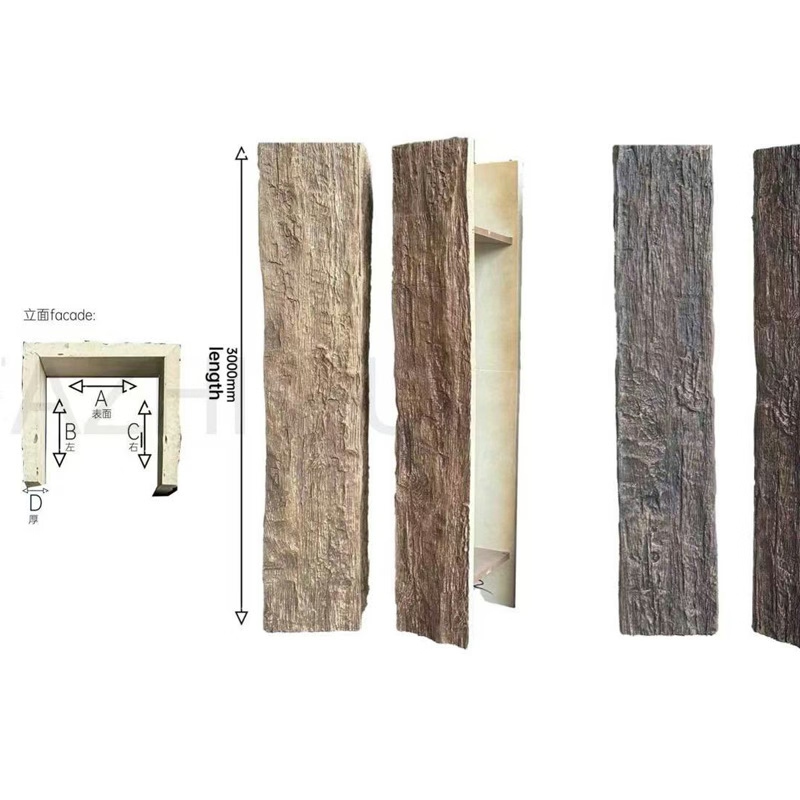
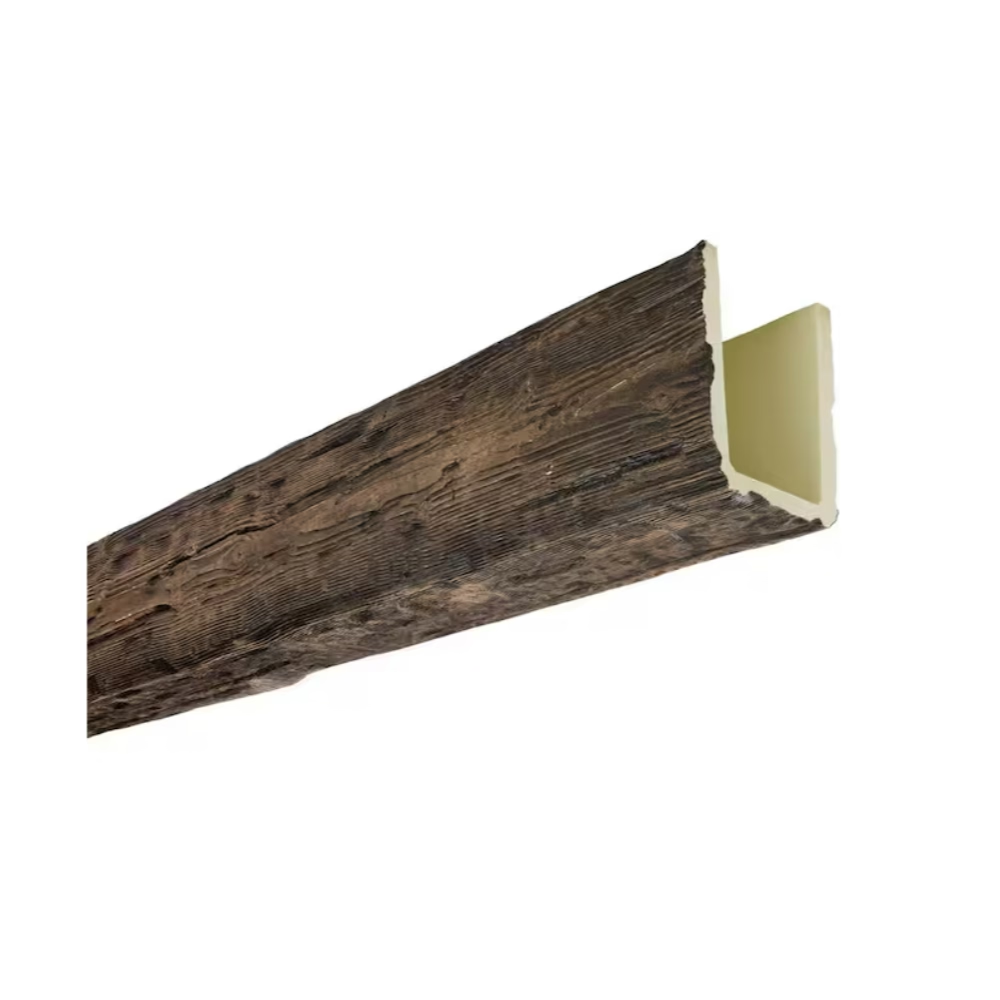
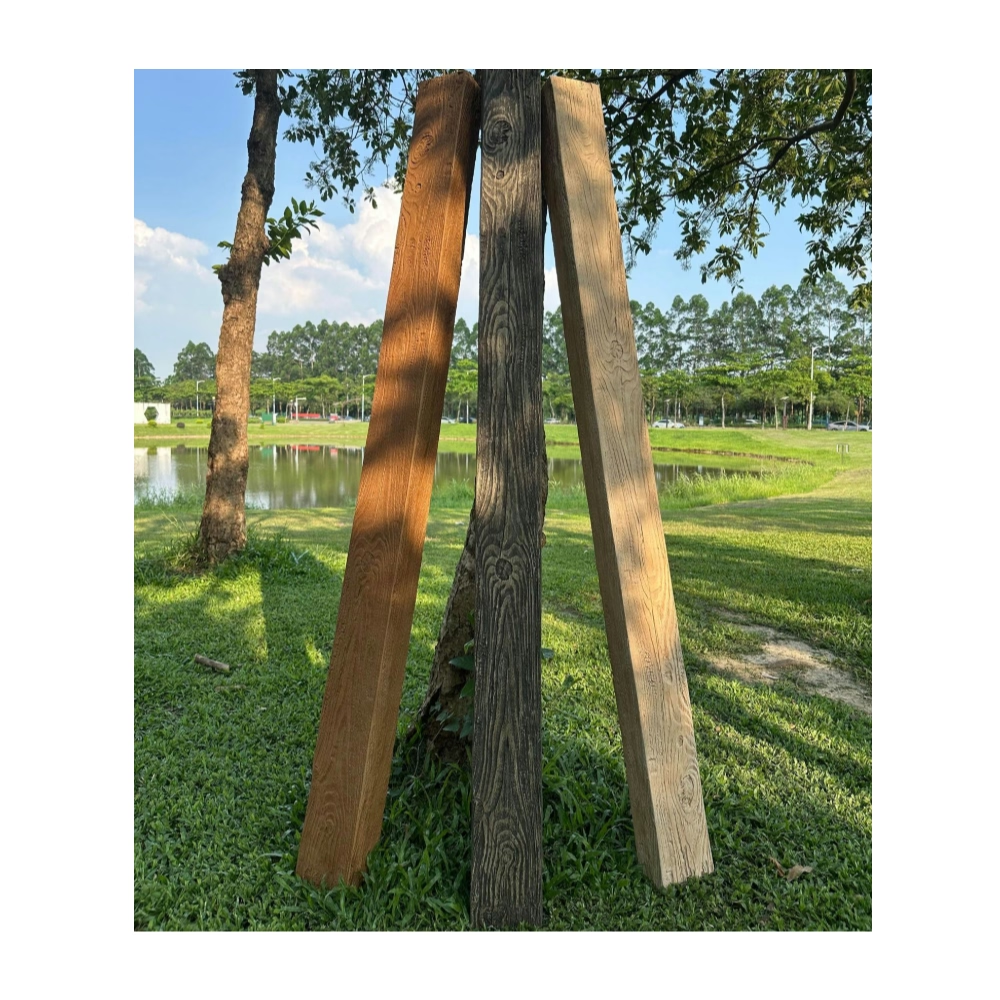
The home media room occupies a unique position in residential design, serving as both functional entertainment space and sensory escape. Unlike other rooms where lighting, acoustics, and aesthetics compete for attention as secondary considerations, media rooms exist specifically to optimize these elements for viewing and listening experiences. Every design decision should ultimately support the primary purpose of creating immersive environments where movies, television, and gaming deliver their full emotional impact. Ceiling treatment contributes significantly to these goals, and faux timber beams offer solutions that enhance aesthetics while providing acoustic benefits that pure surface treatments cannot achieve.
Contemporary media room design balances multiple competing requirements that challenge even experienced designers. Picture quality depends on controlled ambient lighting that prevents screen washout. Sound quality depends on acoustic management that controls reflections without excessive absorption that deadens liveliness. Aesthetic appeal creates the atmospheric character that makes media rooms feel special rather than merely functional. Faux timber beams address all three requirements, providing visual warmth, acoustic diffusion, and decorative presence that elevated media room design.
Acoustic Performance Benefits
Media room acoustics significantly affect listening experience, and ceiling treatment provides opportunities for acoustic optimization that wall and floor treatments cannot achieve.
Sound reflection management requires understanding how audio interacts with room surfaces. Hard ceiling surfaces reflect sound energy, creating echoes and reverberation that muddy dialogue and distort spatial imaging. Beams mounted on ceilings interrupt these reflection patterns, scattering sound energy in beneficial ways that reduce problematic echoes while maintaining appropriate liveliness. This diffusion effect improves sound quality without the excessive absorption that would make rooms feel dead.
Low-frequency absorption presents particular challenges in media rooms, with bass energy accumulating in room corners and creating boomy, indistinct low-end reproduction. While beams alone cannot fully address low-frequency issues, the air gaps between beams and between beams and ceiling provide some absorption that contributes to overall acoustic balance. Supplementing beam treatment with bass traps in corners addresses this requirement comprehensively.
Dimensional complexity from beam installation creates acoustic environments that sound engineers appreciate. The varied surface angles and depths created by beam placement prevent standing waves and modal issues that plague rooms with parallel flat surfaces. This acoustic complexity contributes to natural, open sound that enhances all types of audio content.
Aesthetic Atmosphere Creation
Beyond acoustic function, media room design must create environments that feel special, immersive, and appropriate for the cinematic experiences they host.
Theater-inspired aesthetics draw from commercial cinema design, with dark environments, focused lighting, and rich materials that establish viewing mood. Beams in dark wood finishes like walnut, ebony, or hand-stained charcoal create the dramatic overhead presence that theater environments require. Combined with star lights, recessed fixtures, or cove lighting, these beams transform ordinary rooms into cinematic spaces.
Casual viewing aesthetics accommodate more relaxed environments where family gatherings, sports viewing, and casual television consumption occur alongside movie nights. Lighter wood tones, warmer finishes, and more comfortable overall treatment create living-room-like media spaces that serve diverse activities. Beams in these environments add warmth that prevents the sterile feeling that purely dark theater treatments might create.
Multi-purpose considerations address media rooms that also serve as game rooms, family rooms, or occasional entertaining spaces. Treatment that enables excellent viewing while maintaining livable aesthetics serves these flexible spaces well. Beams in mid-tone finishes with flexible lighting accommodate bright daytime use while supporting dramatic evening atmosphere when content viewing occurs.
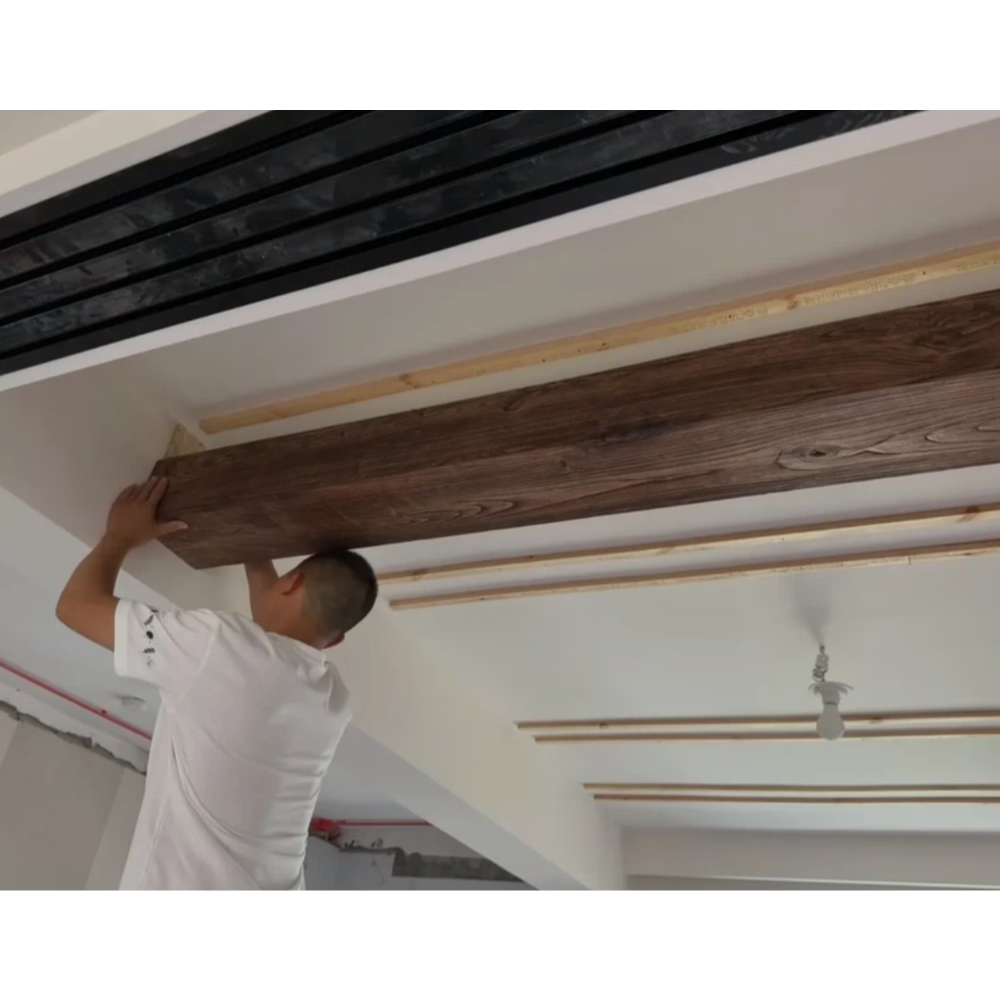
Lighting Integration Strategies
Media room lighting requires careful coordination between ambient illumination, task lighting, and feature lighting that beams can enhance or complicate.
Dark environment preservation for viewing requires lighting that can be completely extinguished or reduced to minimal levels during content playback. Beam installations should not obstruct recessed fixtures or create shadows that complicate fixture placement. Planning beam layout around optimal fixture positions ensures functional lighting without aesthetic compromise.
Accent lighting from beams themselves creates ambient glow that defines the space during intermissions, menu navigation, and casual viewing. LED strips installed along beam edges provide soft illumination that guides movement without washing the screen. This accent lighting contributes to overall atmosphere while maintaining the dark environment that picture quality requires.
Flexibility between viewing and social modes requires lighting systems that adjust dramatically between bright and dark settings. Beam-integrated lighting should complement rather than conflict with this flexibility, potentially with dimmable circuits that adjust beam accent illumination alongside primary fixtures.

Screen Considerations and Viewing Geometry
Media room design must accommodate screen positioning and viewing geometry that ceiling treatment can support or complicate.
Screen reflection prevention requires understanding how ceiling brightness affects perceived screen contrast. Highly reflective ceiling surfaces bounce light back toward viewers, reducing effective contrast and washing out dark picture content. Beam surfaces scatter rather than reflect, providing the darker ceiling environment that optimal viewing requires. This characteristic makes beams particularly valuable in media room applications.
Viewing angle maintenance depends partly on ceiling height that beam treatment should not compromise. While beams add visual interest, they should not force viewers to look upward uncomfortably during long viewing sessions. Beam depth and mounting height should consider typical seating positions and screen heights to ensure comfortable viewing geometry.
Screen size accommodation relates to room proportions that beam placement can influence. Larger screens require greater ceiling heights to maintain appropriate viewing angles, and beams should complement rather than compete with these proportions. In rooms where ceiling height is limited, subtle beam treatment maintains spacious feeling while adding the desired architectural character.
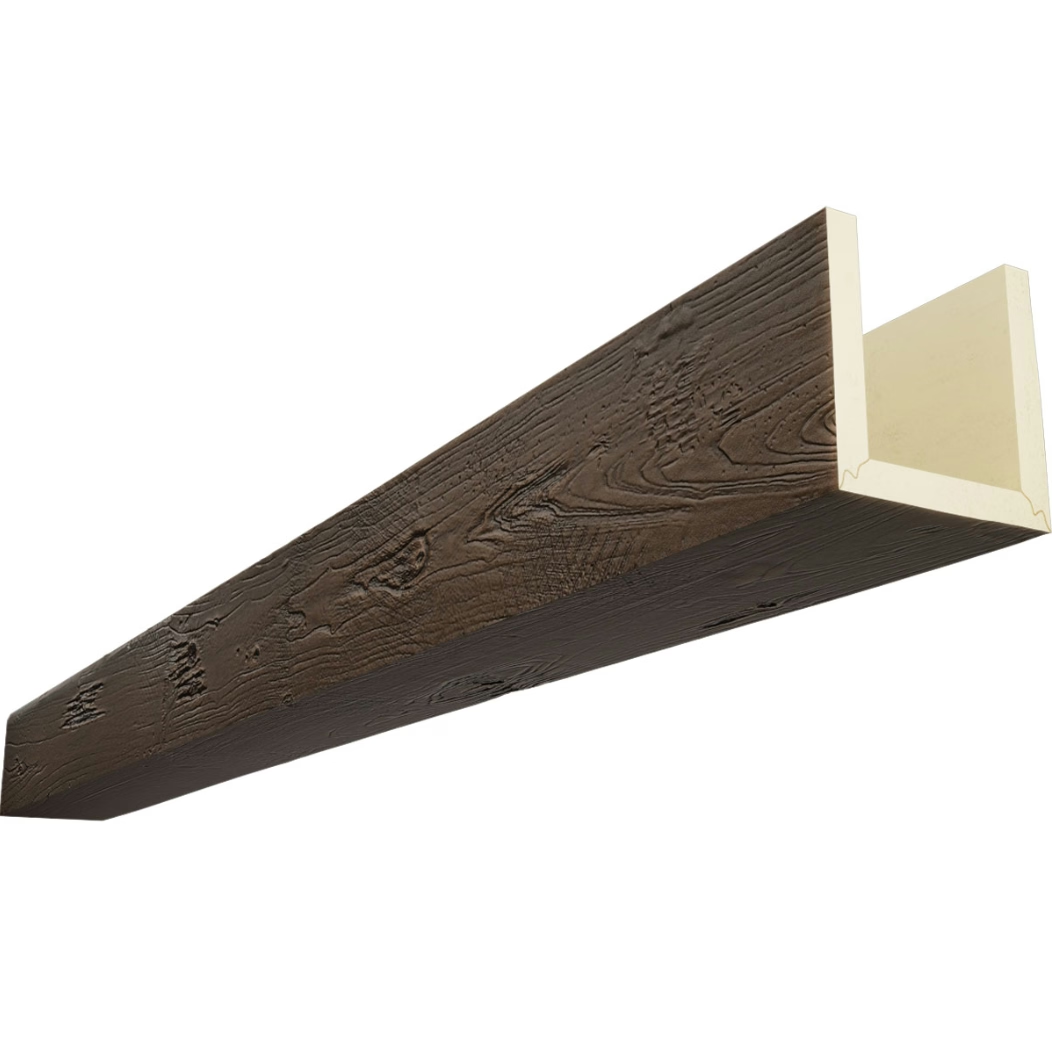
Material and Finish Selection
Media room environments present specific requirements that influence beam material and finish choices.
Dark finishes typically serve media rooms better than light finishes that might reflect excessive light toward screens. Walnut, ebony, charcoal, and deep oak finishes create the dark ceiling planes that cinema environments require. These dark finishes also hide dust and minor maintenance issues better than lighter options, reducing cleaning frequency requirements.
Low-gloss surfaces prevent reflections that might affect viewing. Beams with matte or satin finishes rather than high gloss provide authentic wood appearance without creating distracting reflections during viewing. This practical consideration should inform finish selection alongside aesthetic preferences.
Durability matters in media rooms where incidental contact might occur. While beams are typically mounted beyond easy reach, occasional contact from tall family members or during maintenance activities could damage softer finishes. Quality beams with durable finishes resist minor scratches and scuffs that might occur during equipment maintenance or room cleaning.
Equipment Integration
Media rooms include substantial equipment that requires ceiling access for mounting and ventilation.
Projector mounting often requires ceiling installation that beam placement should accommodate. In rooms with beam ceilings, projector mounting might occur between beams, requiring spacing that allows adequate throw distance and alignment flexibility. Alternatively, beams might provide mounting structure for projector platforms that span between beams.
Screen lighting sometimes requires ceiling-mounted fixtures that interact with beam installation. Ambient backlighting behind screens, accent lighting on screen frames, and sconces that illuminate seating all require ceiling electrical access. Beam placement should acknowledge these requirements, potentially with beams positioned to frame rather than obstruct fixture locations.
Ventilation considerations address the heat that media equipment generates. Beam installation should not obstruct ventilation grilles or create heat-trapping pockets that might shorten equipment lifespan. Adequate spacing and positioning ensures proper air circulation throughout the room.
Creating Immersive Experiences
The ultimate purpose of media room design is creating environments where entertainment content delivers maximum impact.
Atmospheric immersion begins before content playback, with room appearance establishing expectations that content either confirms or exceeds. Beams contribute to this pre-viewing atmosphere by creating spaces that feel cinematic, special, and distinct from ordinary living areas. This atmospheric foundation enhances emotional engagement with whatever content follows.
Acoustic immersion enables sound to create realistic spatial environments that complement visual content. The diffusion that beam surfaces provide contributes to acoustic accuracy that makes explosions feel powerful, music feel spacious, and dialogue feel present. These acoustic qualities transform adequate systems into compelling experiences.
Visual immersion depends partly on environmental darkness that beams support while providing enough visual interest to prevent sterile atmosphere. The balance between theater darkness and livable aesthetics determines whether media rooms feel genuinely cinematic or merely dim. Thoughtful beam selection and lighting design achieves this balance.
Faux timber beams offer media room design unique opportunities to enhance both acoustic performance and cinematic atmosphere. Through understanding acoustic principles, coordinating with lighting and equipment requirements, and selecting appropriate finishes, homeowners create media environments that deliver exceptional entertainment experiences while providing the aesthetic character that makes these spaces beloved destinations within the home.
Technical References
ASTM standards cited in every specification
Test Data
Lab results from internal testing program
Updated 2026
Reviewed against current product specs