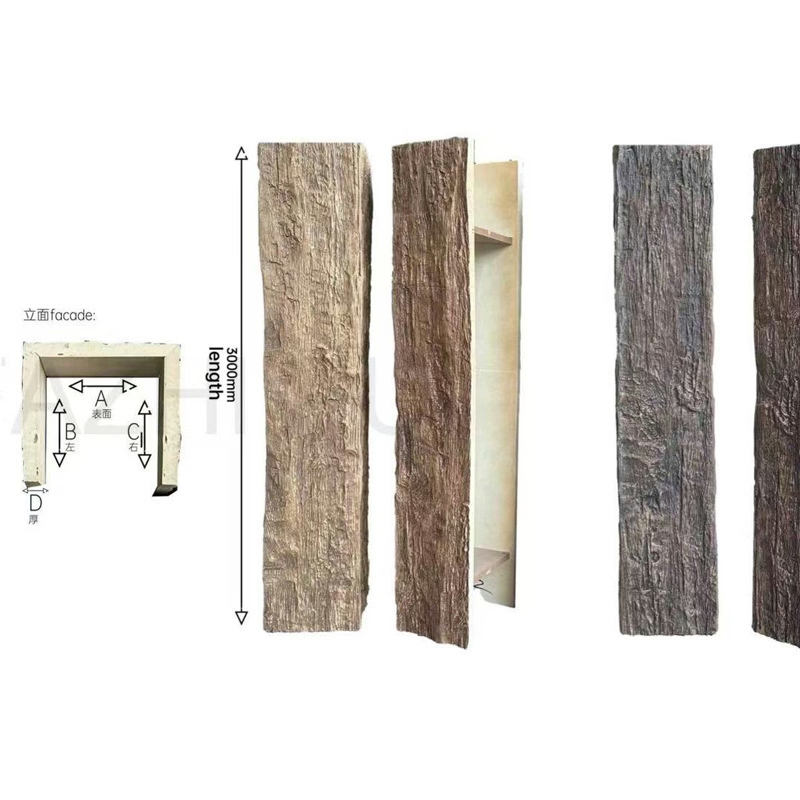
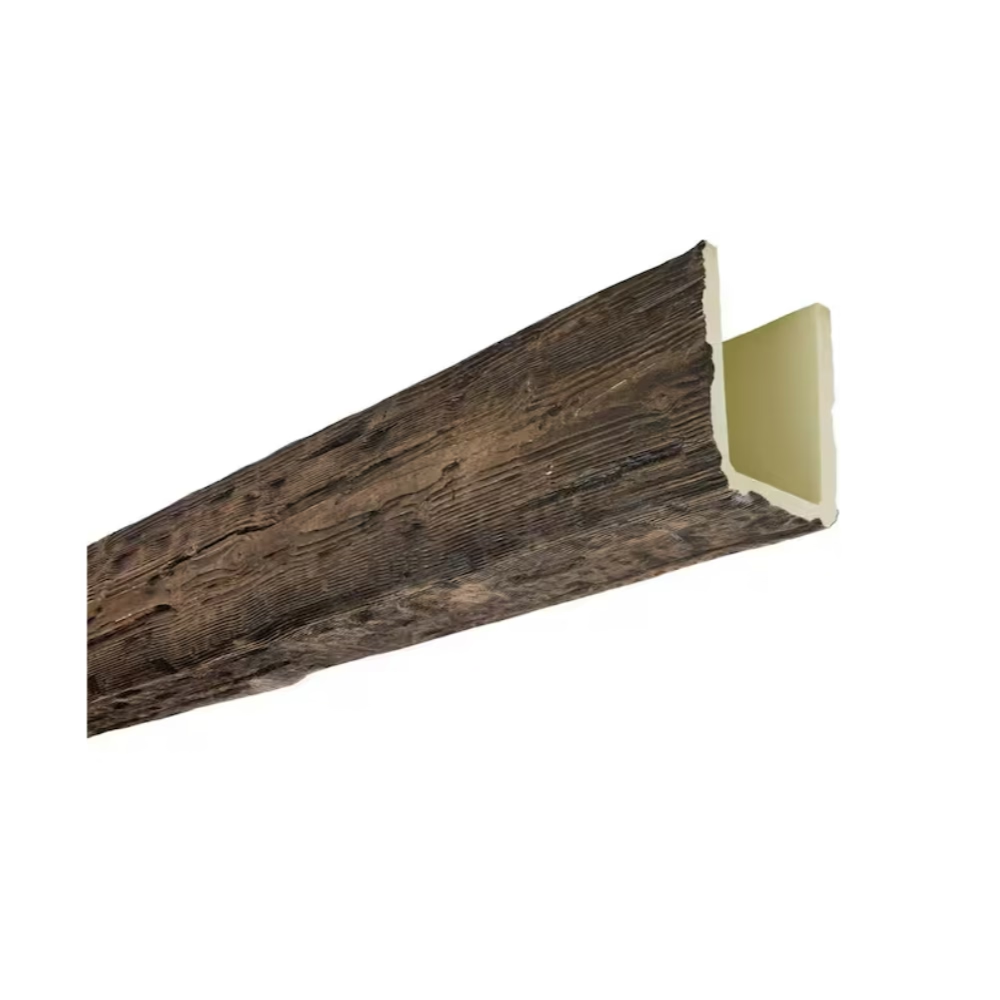
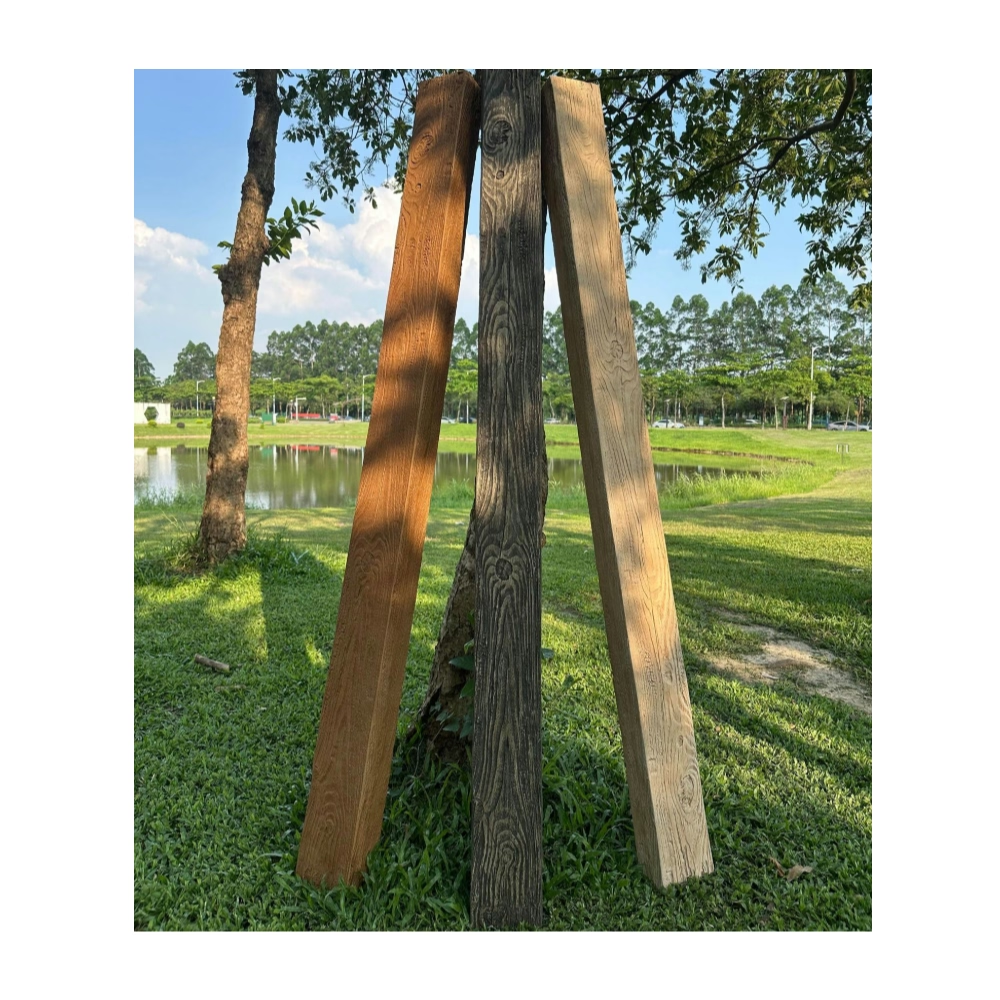
The wine cellar stands apart from ordinary storage spaces, representing instead a curated collection displayed in an environment designed for appreciation and enjoyment. Whether housing a few dozen bottles or thousands of vintages, wine cellars serve as showcases for passion and investment, spaces where hosts entertain guests with vertical tastings and quiet evening reflection alike. The atmosphere of these spaces significantly influences how both wine and entertainment are experienced, with every design element contributing to the sense of occasion that distinguishes wine cellar visits from routine household activities. Ceiling treatment plays crucial role in this atmosphere creation, and faux timber beams provide architectural elegance that elevates wine cellars beyond mere storage into genuine luxury destinations.
Wine cellar design presents unique challenges that distinguish these spaces from typical room treatments. Temperature and humidity control create environmental conditions that affect all material selections. Limited ceiling heights common in below-grade installations require treatments that add interest without overwhelming already constrained proportions. The intimate scale of most cellars demands attention to detail that larger spaces might forgive. Faux timber beams address these challenges while delivering the refined aesthetics that luxury wine environments require.
Creating Luxury Atmosphere
Wine cellars aspire to luxury positioning that distinguishes them from ordinary storage while justifying the substantial investments they represent.
Sophisticated character emerges from design elements that communicate refinement without ostentation. The goal is spaces that feel genuinely premium rather than conspicuously expensive, environments where quality speaks softly through material selection and craft rather than loud logos or obvious price signaling. Beams contribute to this sophisticated character through authentic wood appearance and refined detailing that suggests rather than shouts luxury.
Intimate enclosure creates the protected feeling that wine storage requires while contributing to the exclusive atmosphere that distinguishes cellar experiences. Unlike open living spaces that encourage expansive movement, wine cellars benefit from slight compression that creates sense of discovery and special access. Beam treatment adds visual weight that contributes to this enclosed feeling without the physical construction that genuine timber would require.
Timeless aesthetic investment protects substantial cellar investments from rapid dating. Wine collecting represents long-term commitment, and cellar design should reflect this permanence through classic styling that remains appropriate as decorating trends evolve. Natural wood appearances have proven enduring appeal that trendy finishes cannot match, making timber-look beams particularly appropriate for spaces designed to serve generations.
Environmental Considerations
Wine storage demands specific environmental conditions that influence material selection and design approach throughout the cellar.
Temperature and humidity stability protect wine investment from degradation that improper storage conditions cause. Materials throughout the cellar must withstand elevated humidity without deterioration, warping, or appearance degradation. Faux timber beams resist moisture absorption completely, maintaining dimensional stability and appearance despite the humid conditions that wine storage requires. This resilience ensures that ceiling treatment remains attractive indefinitely without the maintenance demands that genuine timber would require.
Condensation resistance prevents moisture accumulation on beam surfaces that might drip onto wine bottles or labels below. The temperature differential between cellar interior and surrounding structure creates conditions where condensation forms on cool surfaces. PU beams with appropriate finishes resist this condensation without the staining or degradation that genuine timber might experience under similar conditions.
Thermal mass consideration addresses how ceiling materials affect temperature stability. While beams contribute some thermal mass, their primary value lies in aesthetic contribution rather than environmental performance. Proper cellar climate control should come from dedicated cooling systems rather than material selection, with beams chosen for appearance rather than thermal properties.
Design Style Options
Wine cellars embrace diverse aesthetic approaches, from traditional barrel-aged warmth to contemporary minimalism, each requiring different beam treatment.
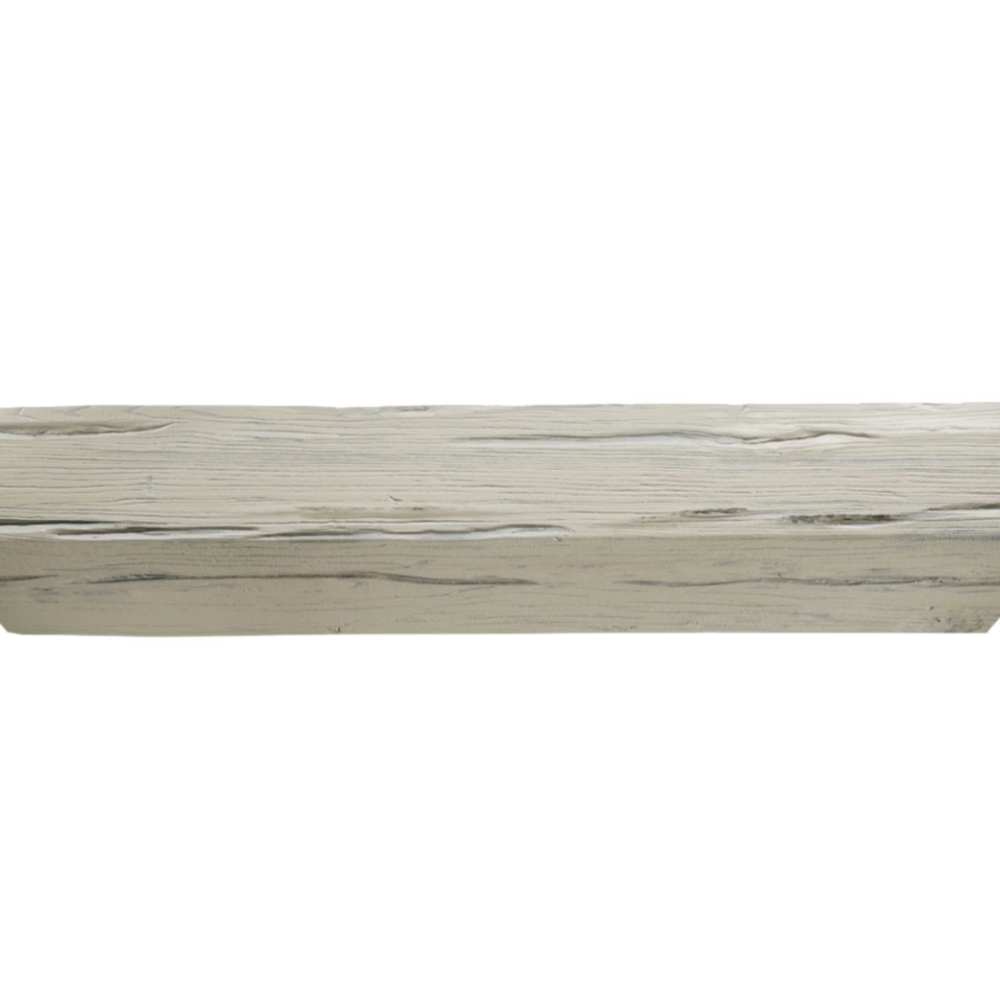
Traditional cellar aesthetics often draw from classic European wine cave traditions, with stone walls, barrel racks, and warm lighting creating centuries-old atmosphere. Beams in dark, rich wood finishes complement these traditional elements, adding ceiling warmth that balances cool stone surfaces. Authentic grain patterns and subtle weathering suggest aged character appropriate for spaces housing carefully aged vintages.
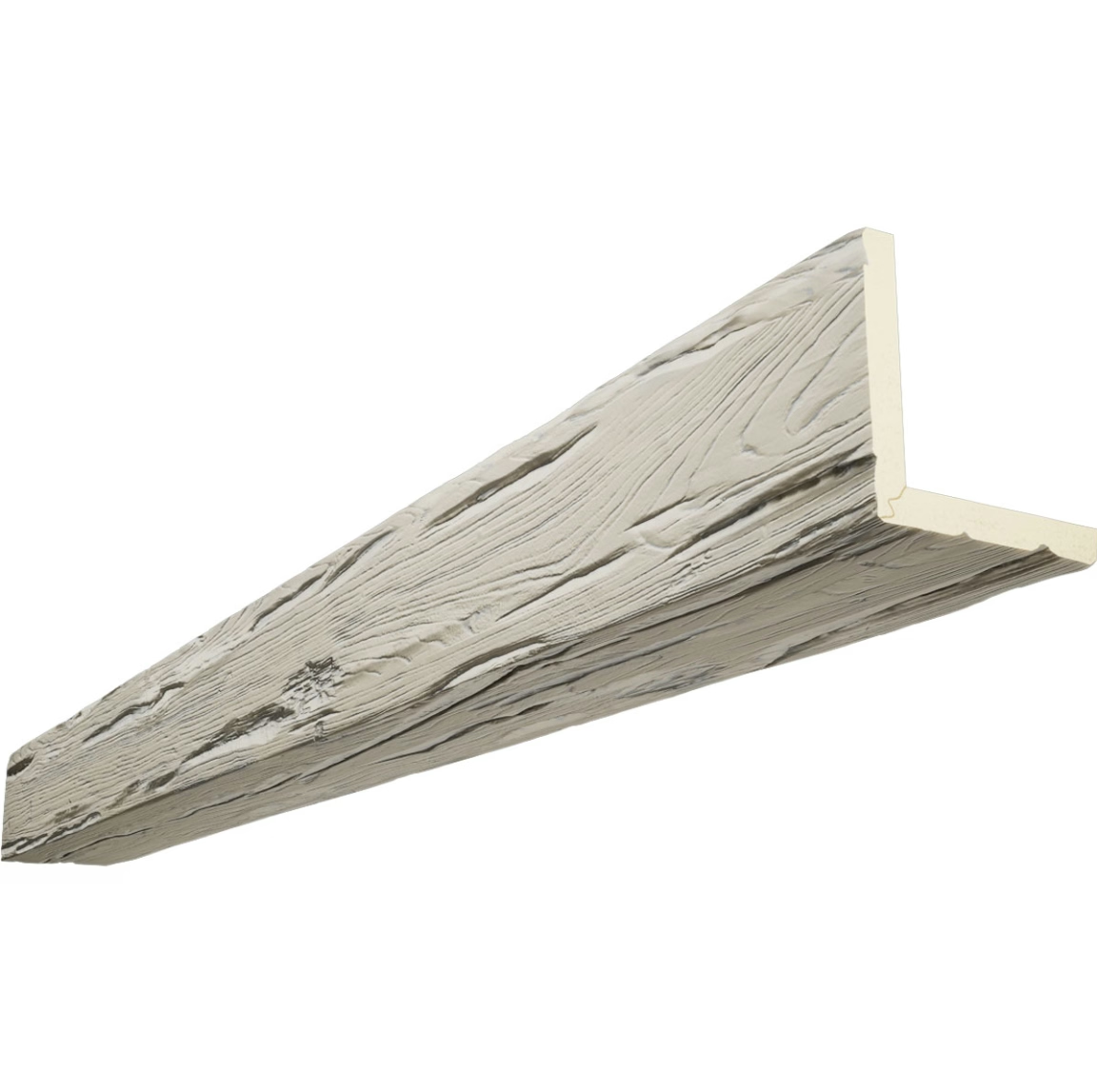
Contemporary cellar designs pursue modern aesthetics that appeal to collectors with contemporary design sensibilities. Clean-lined beams in minimalist profiles support these sleek environments, adding warmth without complexity that might conflict with modern styling. Lighter finishes or painted beams in contemporary color palettes create architectural interest while maintaining the streamlined aesthetic that contemporary design pursues.
Transitional cellars blend traditional and contemporary elements for spaces that honor wine heritage while embracing current aesthetics. Beams in mid-tone finishes with moderate detailing bridge vintage warmth and contemporary freshness, providing versatility that suits diverse collections and decorating preferences.
Scale and Proportion
Cellar proportions differ significantly from standard room applications, requiring beam treatment scaled appropriately for intimate spaces.
Smaller scale beams suit cellar proportions better than the substantial beams appropriate for great rooms. What might appear appropriately scaled in a living room would overwhelm typical cellar dimensions, creating visual weight disproportionate to the space. Select beam dimensions that relate appropriately to cellar height and width, maintaining visual balance that enhances rather than dominates intimate proportions.
Lower ceiling heights common in below-grade cellars require careful beam depth consideration. Deep beams that might work well in standard-height rooms can make low ceilings feel even more constrained. Shallower beam profiles maintain visual interest while preserving the sense of space that cellar designs should cultivate.
Proportionate spacing between beams accounts for smaller scale while maintaining visual rhythm. Spacing that appears appropriately generous in larger rooms might seem sparse in cellars, while tighter spacing appropriate for intimate spaces might read as cluttered in larger applications. Adjust spacing to suit cellar proportions, potentially using multiple smaller beams rather than fewer large beams to achieve desired visual density.

Lighting Integration
Wine cellar lighting requires careful coordination between function and atmosphere, with beam treatment providing mounting opportunities and aesthetic enhancement.
Wine-safe lighting ensures that illumination doesn't degrade stored wine through excessive heat or UV exposure. LED fixtures in appropriate color temperatures provide efficient, cool operation that poses minimal risk to wine. Beam-mounted fixtures should position light sources appropriately while contributing to overall ceiling aesthetics.
Atmospheric lighting creates the intimate glow that distinguishes cellar experiences from ordinary storage. Low-level illumination reveals the beauty of bottle collections while creating conversation-friendly environment for tastings and entertaining. Beam treatment provides surfaces for accent lighting that emphasizes wood texture and architectural detail.
Display lighting highlights special bottles, trophy wines, and collection highlights while providing general ambient illumination for navigation and appreciation. Beam-mounted display fixtures draw attention to featured wines while contributing to overall ceiling composition. This integration of display and ambient lighting creates comprehensive lighting design that serves cellar functions comprehensively.
Material Coordination
Wine cellars feature multiple material types that beam selection should complement and enhance.
Wine rack integration requires beams that coordinate with rack materials and finishes throughout the cellar. Metal racks in iron, bronze, or brass finishes pair beautifully with dark wood beams that provide visual warmth without competing for attention. Wood racks in matching or complementary finishes create unified material palette that feels intentional and curated.
Stone and masonry surfaces common in traditional cellars benefit from beam treatment that adds warmth to cool stone surfaces. The contrast between stone walls and timber beams creates visual interest that each material enhances rather than competing for dominance. Consider how beam finishes relate to stone colors and textures, potentially selecting beams that echo stone undertones or provide complementary tones.
Metal accents in cellar hardware, lighting fixtures, and decorative elements should coordinate with beam finishes. Black iron fixtures complement dark timber finishes beautifully, while brass and bronze hardware might pair better with mid-tone or honey-finished beams. These material relationships create cohesive overall appearance that feels considered rather than assembled from unrelated elements.
Investment Protection
Wine cellars represent substantial investments in both construction and collection that design should protect.
Quality materials maintain appearance throughout extended service without premature renovation requirements. Quality faux beams provide lasting aesthetics that justify substantial cellar construction investment. This durability proves particularly valuable in below-grade environments where renovation access might prove difficult and disruptive.
Collection preservation depends partly on environmental conditions that materials should support rather than compromise. Beams that absorb moisture or harbor mold could create conditions affecting wine storage quality. PU beams resist these concerns, providing aesthetic beauty without environmental compromise.
Property value enhancement results from beautiful, functional cellar design that distinguishes properties from comparable alternatives. Collectors seeking homes with wine storage appreciate cellars that demonstrate quality investment, potentially influencing purchase decisions and valuation. This enhanced desirability provides return on design investment through improved property marketability.
Faux timber ceiling beams offer wine cellar design refined solutions that create sophisticated atmospheres while accommodating the unique requirements these spaces present. Through thoughtful selection appropriate for cellar scale and style, integration with cellar lighting and materials, and attention to the environmental considerations wine storage demands, homeowners create wine cellars that serve as genuine luxury destinations worthy of the collections they house.
Technical References
ASTM standards cited in every specification
Test Data
Lab results from internal testing program
Updated 2026
Reviewed against current product specs