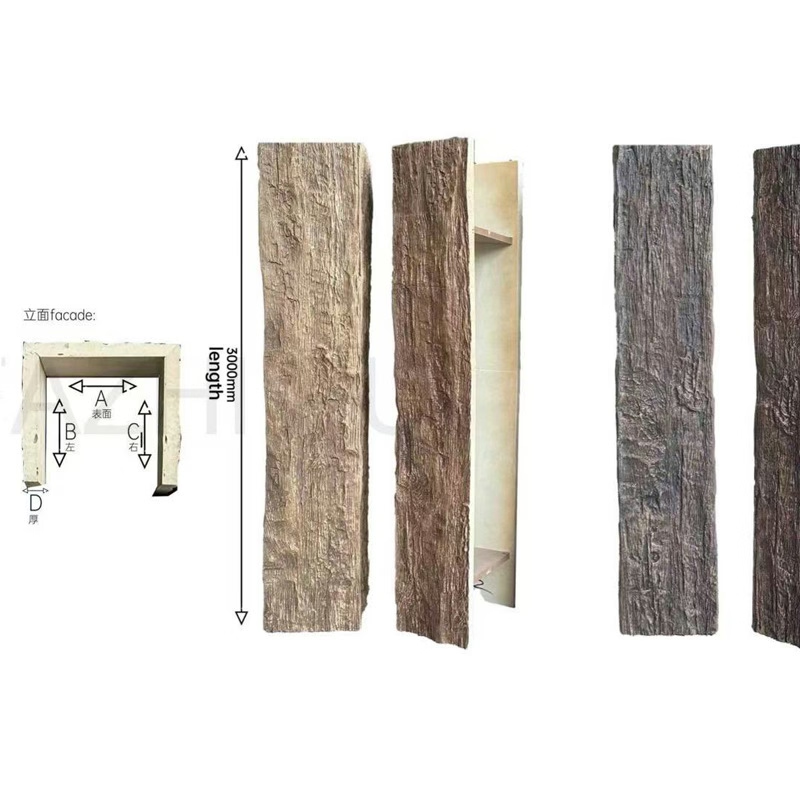
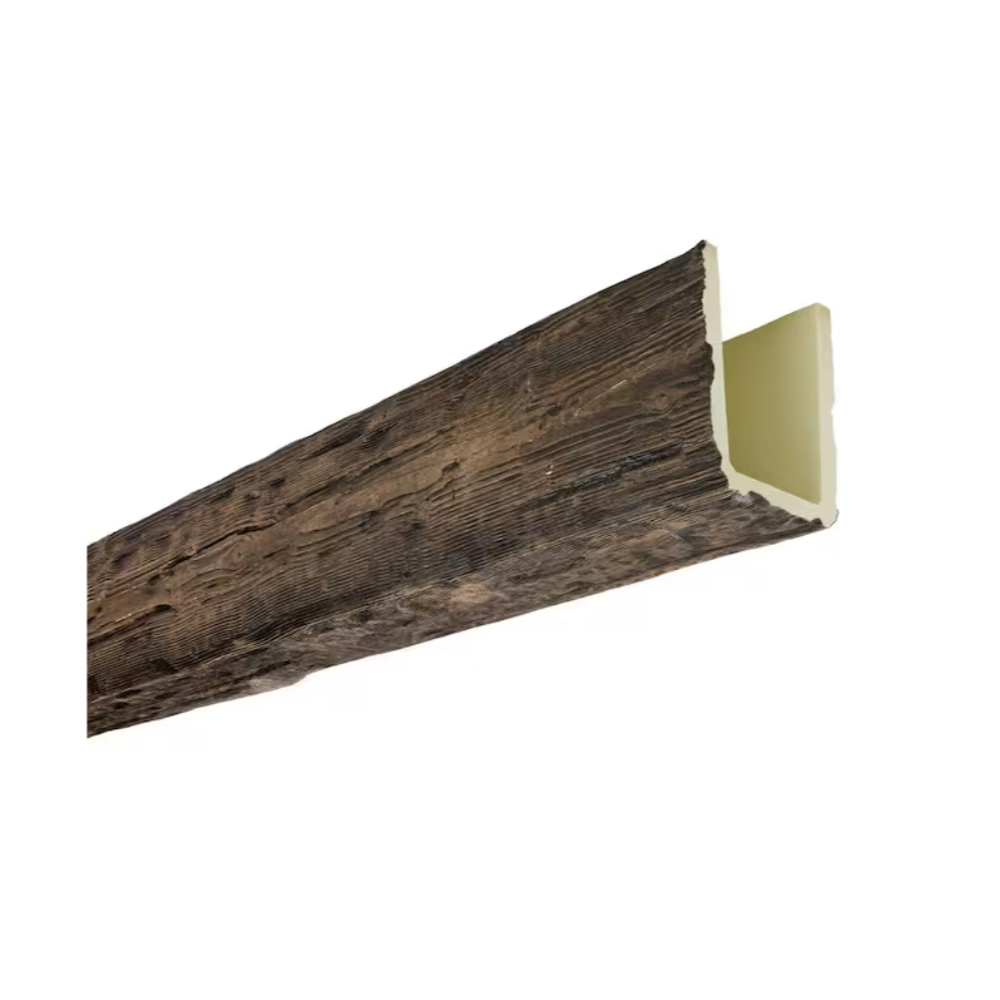
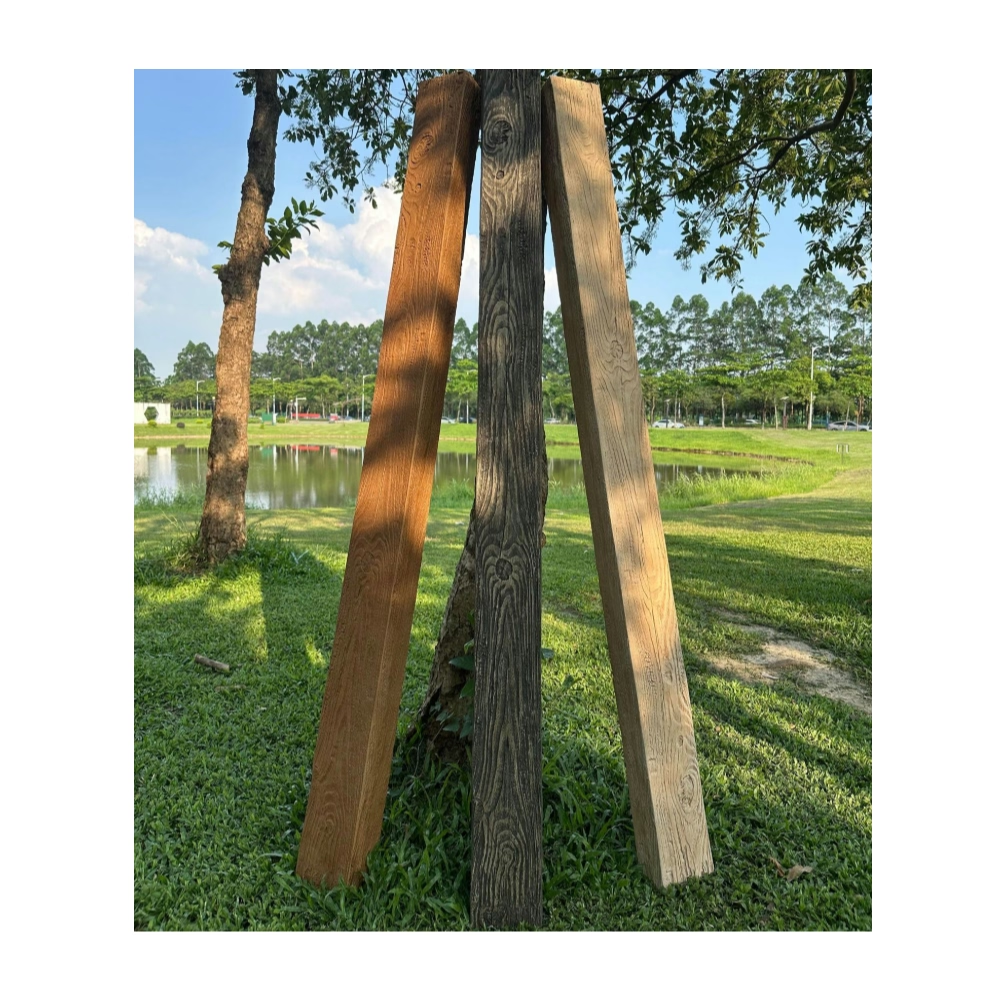
The home media room has evolved from luxury indulgence to essential living space, with advances in display technology, streaming content, and gaming systems making cinema-quality experiences accessible to virtually any household. Today's media rooms serve diverse purposes, from family movie nights to competitive gaming sessions, from sports viewing parties to solo streaming binges. This versatility demands design flexibility that accommodates varied activities while maintaining the atmospheric character that distinguishes dedicated media spaces from ordinary living areas. Ceiling treatment provides foundational opportunity for this atmosphere creation, and decorative faux timber beams offer solutions that enhance media rooms through aesthetic appeal and acoustic contribution.
Media room ceiling design involves considerations that typical room applications need not address. Screen-based entertainment creates specific lighting requirements that ceiling treatment must accommodate. Audio systems depend on acoustic environments that ceiling surfaces influence significantly. The immersive quality that distinguishes exceptional media rooms from adequate ones emerges from thoughtful integration of these technical requirements with atmospheric design. Faux timber beams address all these considerations, providing decorative appeal while supporting the technical conditions that excellent entertainment requires.
Acoustic Environment Optimization
Audio quality significantly affects entertainment experiences, making acoustic treatment essential for serious media rooms.
Sound diffusion through dimensional beam surfaces breaks up reflection patterns that plain ceilings create. When sound waves strike flat parallel surfaces, they bounce back creating echoes and standing waves that muddy audio reproduction. Beams mounted on ceilings interrupt these reflection patterns, scattering sound energy in beneficial directions that reduce problematic echoes while maintaining appropriate liveliness.
Frequency distribution management addresses how different sound frequencies behave in room environments. High frequencies tend to splash across reflective surfaces, creating harshness that fatigues listeners. Mid frequencies carry dialogue and musical content that should sound natural rather than boomy or hollow. Low frequencies accumulate in corners, creating the bass emphasis that obscures detail. Beam surfaces contribute to overall acoustic balance that addresses these frequency-specific behaviors.
Acoustic treatment integration with decorative beams creates comprehensive sound management that serves serious entertainment. While beams alone cannot fully address acoustic challenges, they contribute meaningfully to overall acoustic environment when combined with proper speaker placement, acoustic panels, and room dimensions that support good sound. This integration ensures that beauty and function work together rather than competing.
Atmospheric Design Considerations
Media rooms require specific atmospheric qualities that contribute to immersive entertainment experiences.
Theater-inspired aesthetics draw from commercial cinema design traditions, with dark environments, focused lighting, and rich materials that establish viewing mood. Beams in dark wood finishes create the dramatic overhead presence that theater environments require, transforming ordinary rooms into cinematic spaces that prepare viewers for immersive experiences. This atmospheric preparation enhances emotional engagement with whatever content follows.
Dark environment preservation for optimal viewing requires ceiling treatments that don't reflect excessive light toward screens. Highly reflective ceiling surfaces bounce ambient light back toward viewers, reducing effective contrast and washing out dark picture content. Beam surfaces scatter rather than reflect, contributing to the darker ceiling environment that contemporary displays require for best performance.
Visual interest maintenance despite dark environments ensures that media rooms feel engaging rather than merely dim. The challenge lies in creating atmospheres that feel designed and intentional during social periods, menu navigation, and intermissions when viewing pauses. Beams provide this visual interest through texture and shadow that reward observation without distracting from content during playback.
Screen and Viewing Considerations
Media room design must accommodate display technology requirements that ceiling treatment can support or compromise.
Reflection management requires understanding how ceiling brightness affects perceived picture quality. Even modest ceiling brightness creates ambient light that reflects off screen surfaces, reducing contrast and muddying blacks. Dark beam finishes that absorb rather than reflect light contribute to the dark environment that contemporary high-dynamic-range displays require for best performance.
Viewing angle preservation depends partly on ceiling height and treatment that affects how screens appear from seating positions. Beams should not create visual interference that distracts during viewing or require uncomfortable head angles that make extended viewing sessions unpleasant. Consider typical seating positions and screen heights when planning beam placement and depth.
Screen size relationship to room proportions influences how beams should scale. Larger screens in appropriately sized rooms accommodate more substantial beam treatment, while smaller setups in modest rooms require scaled-down approaches that maintain appropriate proportion. This proportion awareness ensures that ceiling treatment enhances rather than overwhelms viewing experiences.
Lighting System Integration
Media room lighting requires careful coordination between ambient conditions, accent illumination, and viewing darkness.
Viewing-mode darkness achieved through lighting control creates the dark environment that content playback requires. Beam-mounted fixtures should not produce light that spills onto screens or creates reflections that compromise picture quality. Fixture selection and beam placement should coordinate to ensure that aesthetic lighting doesn't interfere with viewing requirements.
Social-mode illumination for pre-game, intermission, and casual viewing provides adequate light for navigation, conversation, and food service without destroying atmosphere. Beam-integrated lighting that adjusts to higher levels during social periods enables these activities while maintaining aesthetic quality. This flexibility ensures that media rooms serve practical purposes alongside entertainment functions.
Accent lighting from beams creates atmospheric glow that defines spaces during non-viewing periods. LED strips installed along beam edges provide soft illumination that guides movement and establishes mood. This accent contribution transforms ceiling treatment from mere decoration into functional lighting element that serves multiple purposes.

Material and Finish Selection
Media room environments present specific requirements that influence beam material and finish choices.
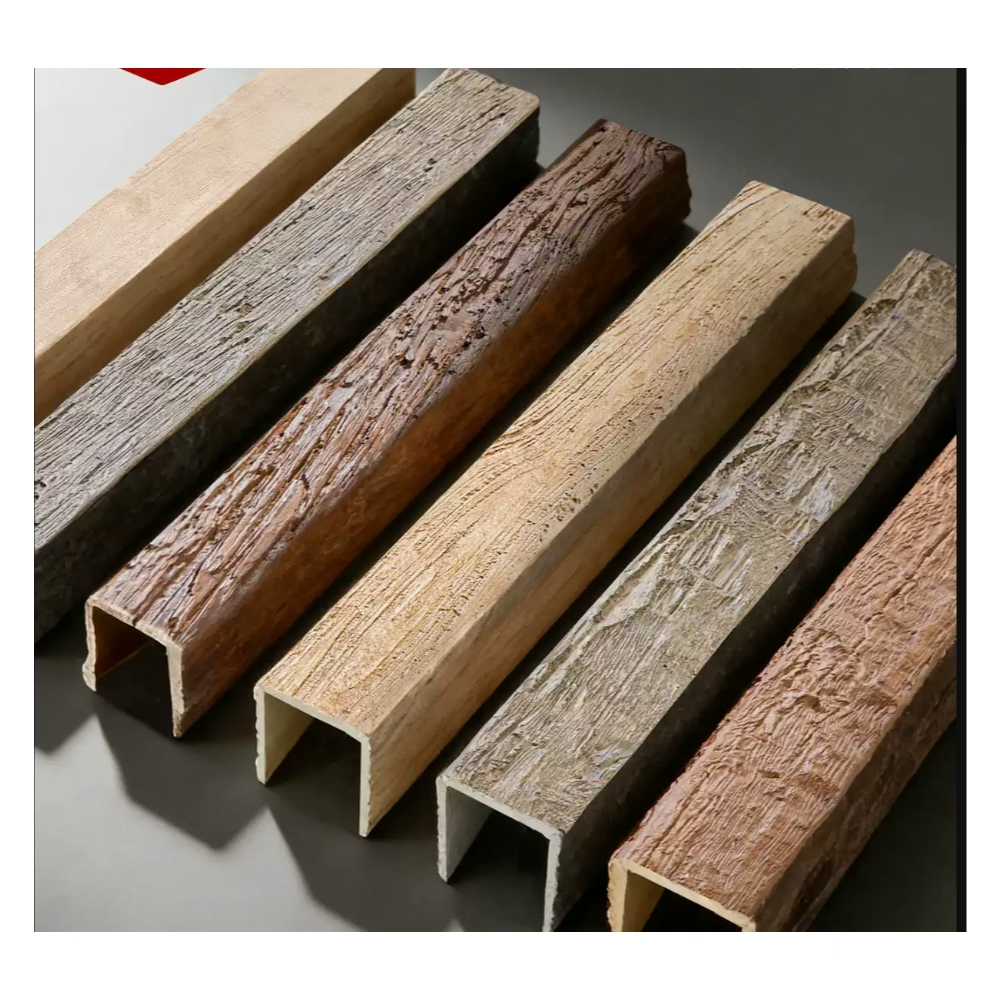
Dark finishes typically serve media rooms better than light finishes that might reflect excessive ambient light toward screens. Walnut, ebony, charcoal, and deep oak finishes create the dark ceiling planes that cinema environments require. These dark finishes also provide the substantial visual weight that dramatic media room aesthetics demand.
Low-gloss surfaces prevent reflections that might affect viewing. Beams with matte or satin finishes rather than high gloss provide authentic wood appearance without creating distracting reflections during viewing. This practical consideration should inform finish selection alongside aesthetic preferences.
Acoustic-transparent finishes address concerns that some beam finishes might interfere with acoustic performance. While dimensional beam surfaces contribute positively to acoustics regardless of finish, certain heavy coatings might reduce the diffusion benefit that beams provide. Quality finishes that don't compromise beam porosity maintain full acoustic contribution.
Equipment Integration
Media rooms include substantial equipment that requires ceiling access for mounting and ventilation.
Projector mounting requirements influence beam layout significantly. In rooms with beam ceilings, projector mounting might occur between beams, requiring spacing that allows adequate throw distance and alignment flexibility. Alternatively, beams might provide mounting structure for projector platforms that span between beams. Planning beam layout around projector requirements ensures functional equipment integration.
Screen lighting integration with beam treatment addresses ambient backlighting, accent illumination, and feature lighting that contributes to overall atmosphere. These fixtures often mount to ceilings that beam installations should accommodate rather than obstruct. Coordination between beam layout and fixture positioning ensures that aesthetic treatment doesn't compromise functional lighting.
Ventilation system integration ensures that beam installation doesn't obstruct airflow that equipment cooling requires. Recessed fixtures, ventilation grilles, and equipment cooling all depend on proper air circulation. Beam positioning should consider these requirements, potentially with gaps or special mounting at locations where ventilation access is necessary.
Creating Immersive Entertainment Experiences
The ultimate purpose of media room design is creating environments where entertainment delivers maximum impact.
Pre-viewing atmosphere establishment prepares viewers emotionally for content experiences. Beams contribute to this preparation by creating spaces that feel distinct from ordinary living areas, special destinations within the home where different rules apply. This atmospheric preparation enhances emotional engagement that improves overall entertainment satisfaction.
Viewing comfort extension through appropriate design encourages longer viewing sessions without fatigue or discomfort. Ceiling treatment that creates oppressive feeling or uncomfortable acoustics undermines extended enjoyment. Beams that contribute to comfortable, engaging environments support viewing sessions that last as long as content does.
Post-viewing transition back to normal activities depends partly on how dramatically media rooms differ from other spaces. Gradual transitions through lighting adjustments and atmosphere changes help viewers re-adjust to everyday life. Beam-integrated lighting that eases this transition provides thoughtful design detail that sophisticated users appreciate.
Decorative faux timber beams offer media room ceiling design unique opportunities to enhance both aesthetic appeal and acoustic performance. Through understanding acoustic principles, coordinating with viewing requirements, and selecting appropriate finishes, homeowners create media environments that deliver exceptional entertainment experiences while providing the atmospheric character that makes these spaces beloved home destinations.
Technical References
ASTM standards cited in every specification
Test Data
Lab results from internal testing program
Updated 2026
Reviewed against current product specs