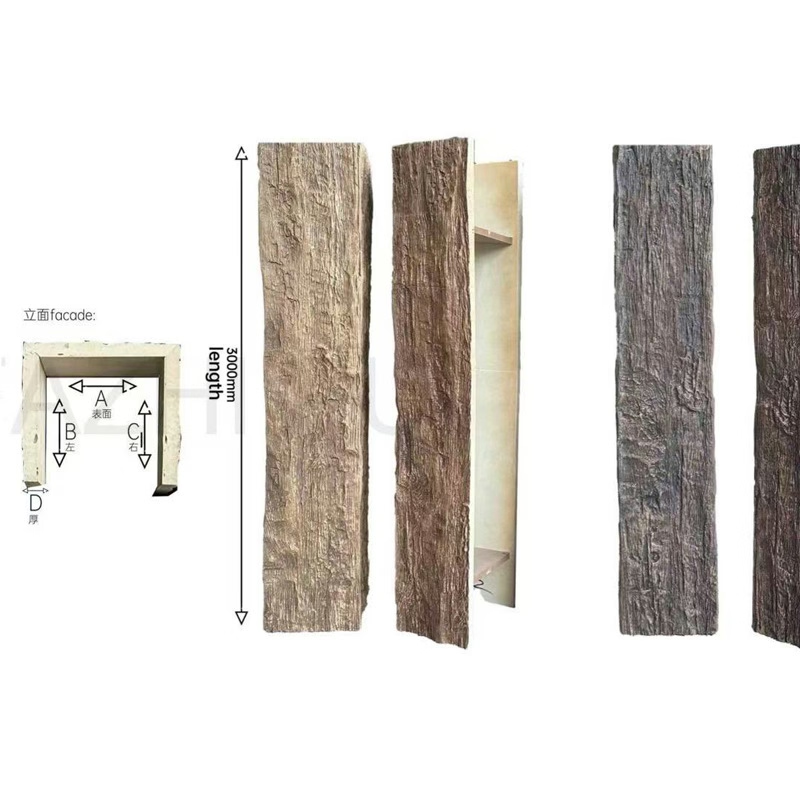
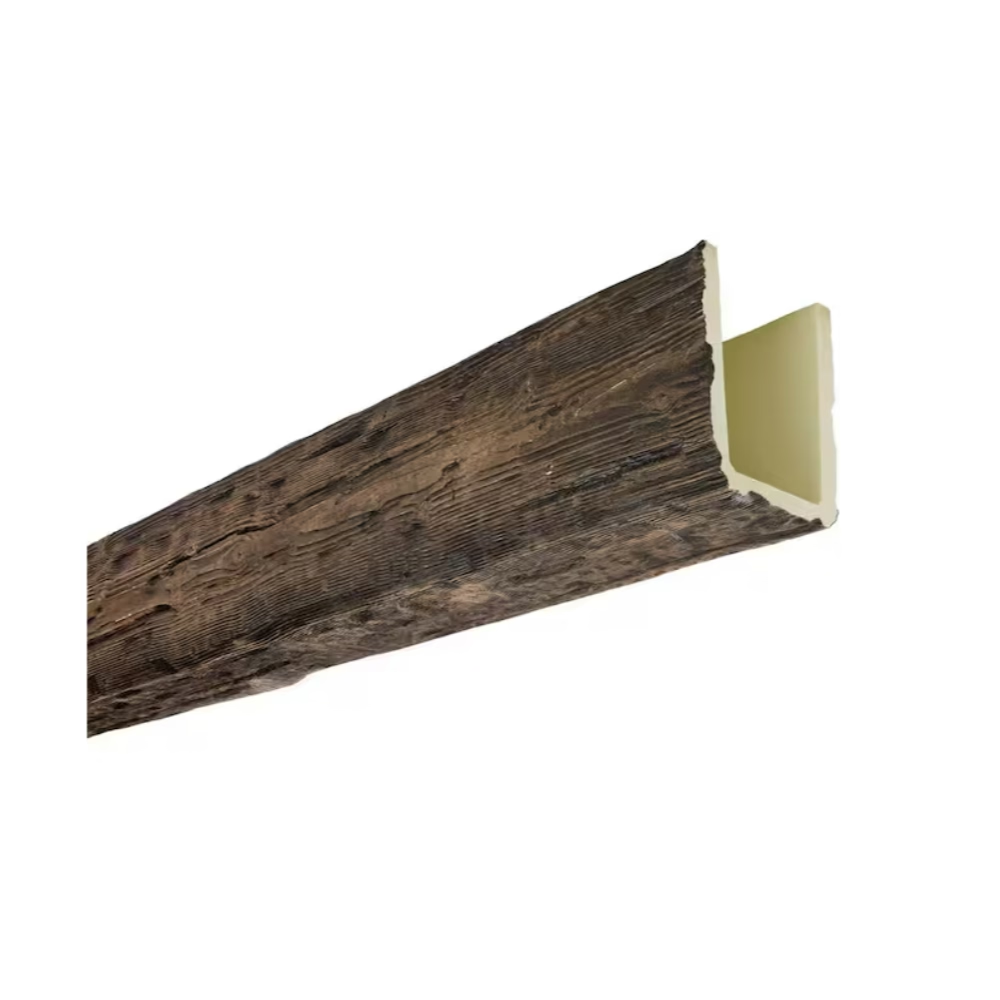
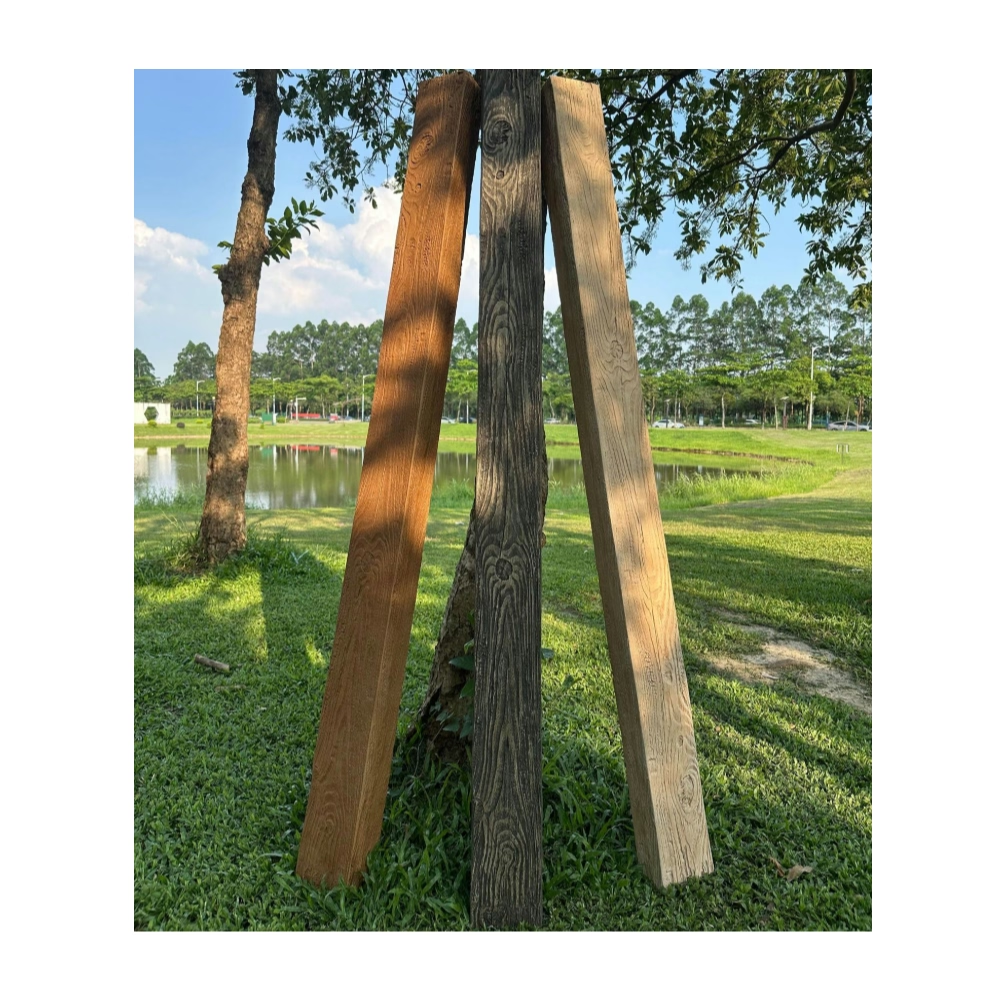
Basements have long been the overlooked frontiers of home design—dark, utilitarian spaces relegated to storage and laundry. But that perception is rapidly changing as homeowners discover the transformative power of thoughtful renovation. Among the most impactful design elements you can introduce during a basement finishing project are polyurethane faux wood beams. These architectural features instantly elevate a below-grade space from purely functional to genuinely inviting.
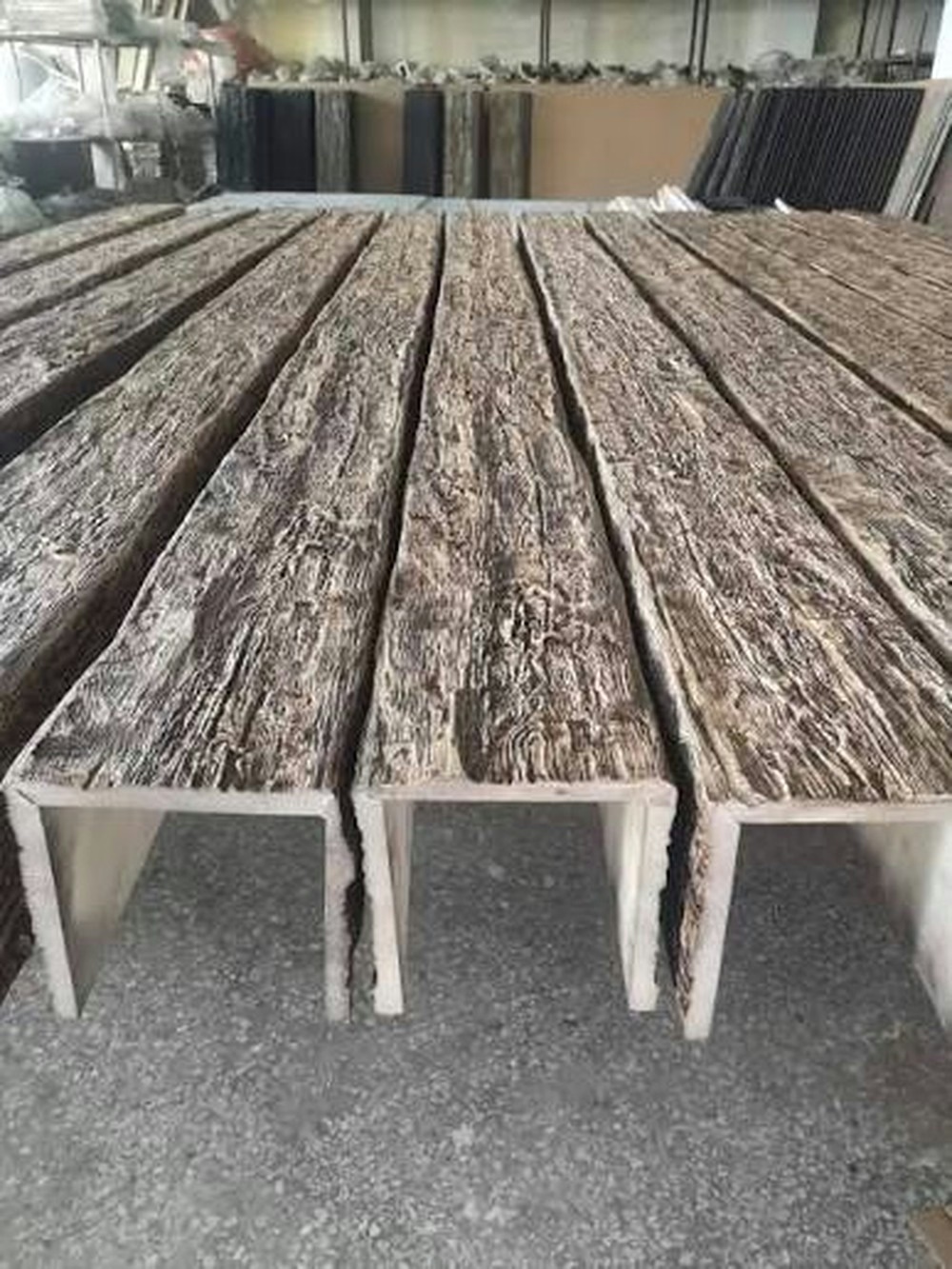
The appeal of incorporating faux wood beams in basement environments goes beyond aesthetics. Traditional solid wood beams present significant challenges in below-grade installations. Moisture naturally migrates upward through concrete foundations, and real lumber responds by absorbing that moisture, warping, splitting, or developing mold over time. Polyurethane faux wood beams sidestep these concerns entirely. Their synthetic composition resists moisture absorption, meaning your ceiling beams will maintain their appearance for decades without the gradual deterioration that plagues natural materials.
Design Versatility for Every Basement Style
Modern basements serve such diverse purposes—a home theater where the family gathers for movie nights, a fitness space that eliminates excuses for skipping workouts, a game room that keeps teenagers entertained at home, or a sophisticated wine cellar and entertaining area. Whatever function your finished basement serves, faux wood beams can be specified to match your vision.
For rustic farmhouse aesthetics, consider beams with pronounced grain patterns and weathered textures. These pair beautifully with shiplap walls, barn door hardware, and warm industrial lighting. The contrast between the rough-hewn appearance of the beams and clean modern furniture creates visual interest that draws the eye upward, making the ceiling a focal point rather than an afterthought.
Contemporary basements benefit equally from sleeker beam profiles. Clean-lined, smooth-finished faux beams in neutral tones complement minimalist color palettes and modern furniture choices. Some homeowners opt for painted beams that match trim work, creating a cohesive architectural language throughout the space. The key is selecting beam profiles and finishes that harmonize with your overall design direction rather than fighting against it.

Installation Advantages in Below-Grade Applications
Working in basements presents unique challenges that influence material selection. Ceiling heights often run lower than upstairs spaces, making installation logistics more complex. Polyurethane beams weigh a fraction of their solid wood counterparts—typically 80% lighter—which fundamentally changes how installation proceeds.
A single installer can handle beams that would otherwise require two or three people and specialized lifting equipment. This weight reduction also places less stress on ceiling joists and support structures. In older homes where basement ceiling framing may not have been engineered for heavy loads, this consideration proves critical. You achieve the visual impact of substantial timber beams without compromising structural integrity.
The installation process itself adapts well to basement conditions. Unlike real wood that must acclimate to basement humidity levels before installation, polyurethane beams ship ready to install regardless of ambient conditions. They're cut with standard woodworking tools, no special equipment required. Adhesive and screws secure beams permanently, and joints can be sealed with caulk and touch-up paint to create seamless transitions between beam segments.
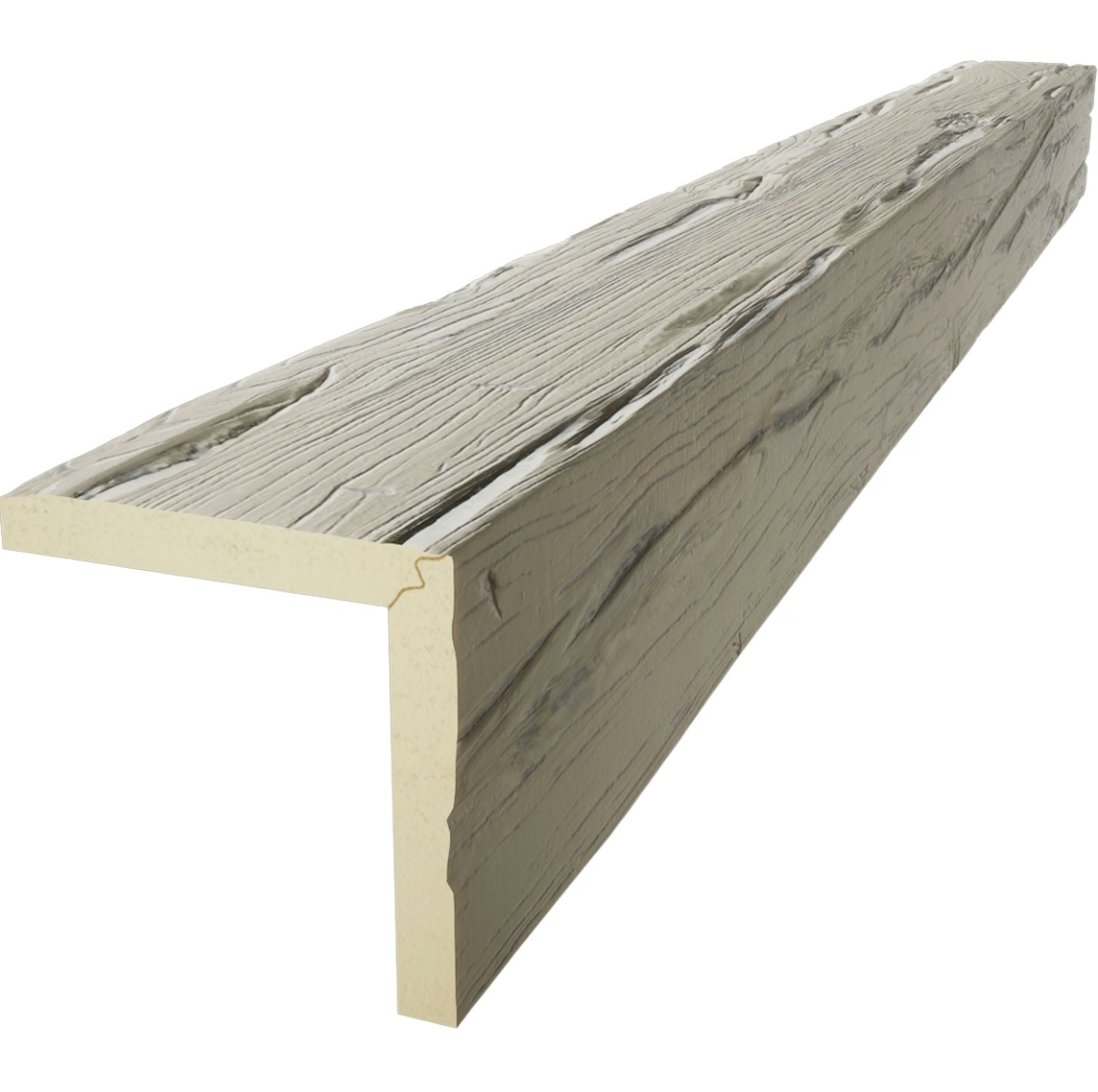
Moisture Resistance and Long-Term Performance
Moisture management represents the primary concern in any basement finishing project. Concrete floors and walls retain cold temperatures and can contribute to condensation issues, especially in climates with significant seasonal temperature swings. Polyurethane faux wood beams are engineered to withstand these conditions without degradation.
The closed-cell structure of quality polyurethane means water cannot penetrate the beam material. Surface moisture from humidity or occasional condensation wipes clean without leaving stains or causing damage. This resistance extends to mold and mildew as well—organic materials that require moisture to propagate cannot gain purchase on polyurethane surfaces. For families concerned about indoor air quality, this represents a meaningful advantage over organic building materials.
Temperature fluctuations that cause natural wood to expand and contract, gradually loosening fasteners and creating gaps, affect polyurethane minimally. The material maintains dimensional stability across a broad temperature range, ensuring your ceiling beams remain securely attached and visually seamless year after year. This reliability translates directly to lower maintenance requirements and reduced long-term costs.
Complementary Design Elements
Faux wood beams integrate naturally with other basement finishing materials. When combined with drop ceiling systems, beams can span across tile sections, creating visual interest while maintaining accessibility for ductwork and electrical systems. The beams serve as architectural trim that elevates the entire ceiling plane without sacrificing functionality.
Recessed lighting placement works well in combination with beam installations. Many homeowners install can lights between beams, allowing illumination to highlight the beam textures while providing practical ambient lighting. Alternatively, pendant lights and chandeliers can be suspended from beams, using them as functional mounting points that reinforce the architectural statement.
Stone veneer panels complement faux wood beams exceptionally well, creating textural contrast between rough-cut stone and smooth or wood-grain beam surfaces. This combination appears frequently in fireplace surrounds, accent walls, and architectural columns—elements that transfer seamlessly to basement installations where homeowners want to create focal points.
Cost-Effectiveness and Value Enhancement
Basement finishing represents a substantial investment in your home, and every design decision affects both immediate costs and long-term value. Faux wood beams deliver exceptional return on investment through their combination of aesthetic impact and practical durability.
Material costs run significantly below comparable solid wood beams, particularly when considering the grade of wood required for below-grade use. Premium kiln-dried lumber suitable for basement installation commands high prices, while polyurethane alternatives provide equivalent visual results at a fraction of cost. Installation labor savings compound this advantage—faster installation with fewer workers translates directly to lower contractor bills.
The value enhancement extends beyond material economics. Homes with finished basements featuring quality architectural details command higher resale values than those with unfinished or minimally finished basements. Prospective buyers recognize the difference between a basic paint-and-carpet basement and one with thoughtful design elements. Faux wood beams signal attention to detail and quality construction, contributing to overall buyer perception.
Getting Started With Your Basement Project
Successful basement beam installation begins with careful planning. Measure your space thoroughly, noting ceiling height, room dimensions, and the location of any obstacles such as ductwork, pipes, or wiring that will remain exposed. Consider the visual effect you want to achieve—single accent beams create different impressions than multiple parallel beams or crossed beam patterns.
Consult with suppliers about beam sizing recommendations for your specific space. Oversized beams can overwhelm small basements, while undersized beams may disappear visually in larger rooms. Professional guidance helps you select dimensions that create appropriate visual weight and proportion.
Budget realistically for your project, remembering that quality matters in this category. The least expensive polyurethane beams may use inferior materials or less detailed texturing, while premium options provide realistic appearance and long-term durability. Balance your budget constraints against the importance of achieving the visual results you envision.
Technical References
ASTM standards cited in every specification
Test Data
Lab results from internal testing program
Updated 2026
Reviewed against current product specs