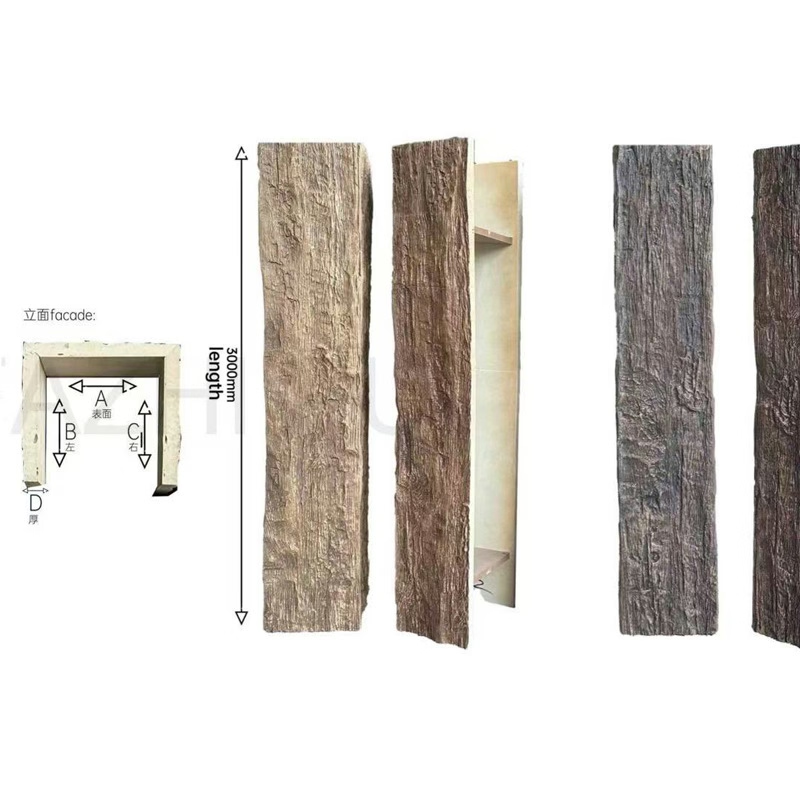
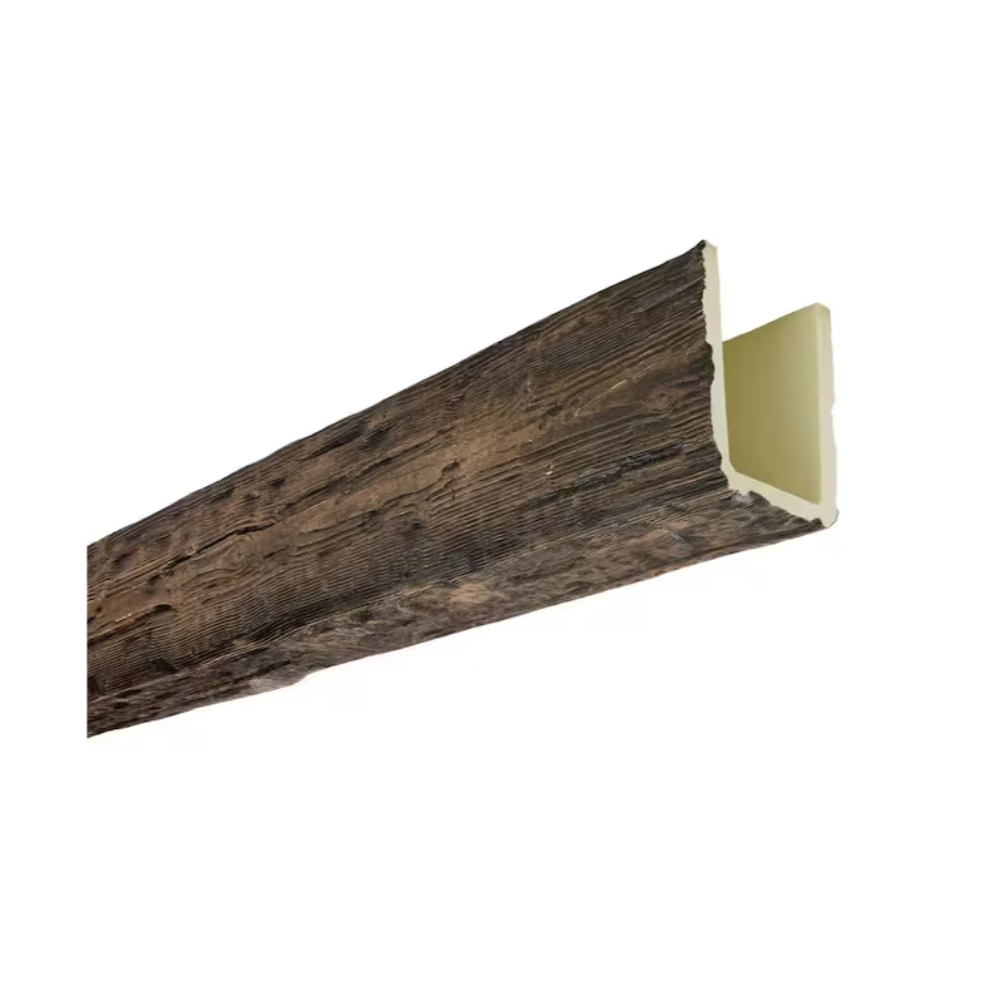
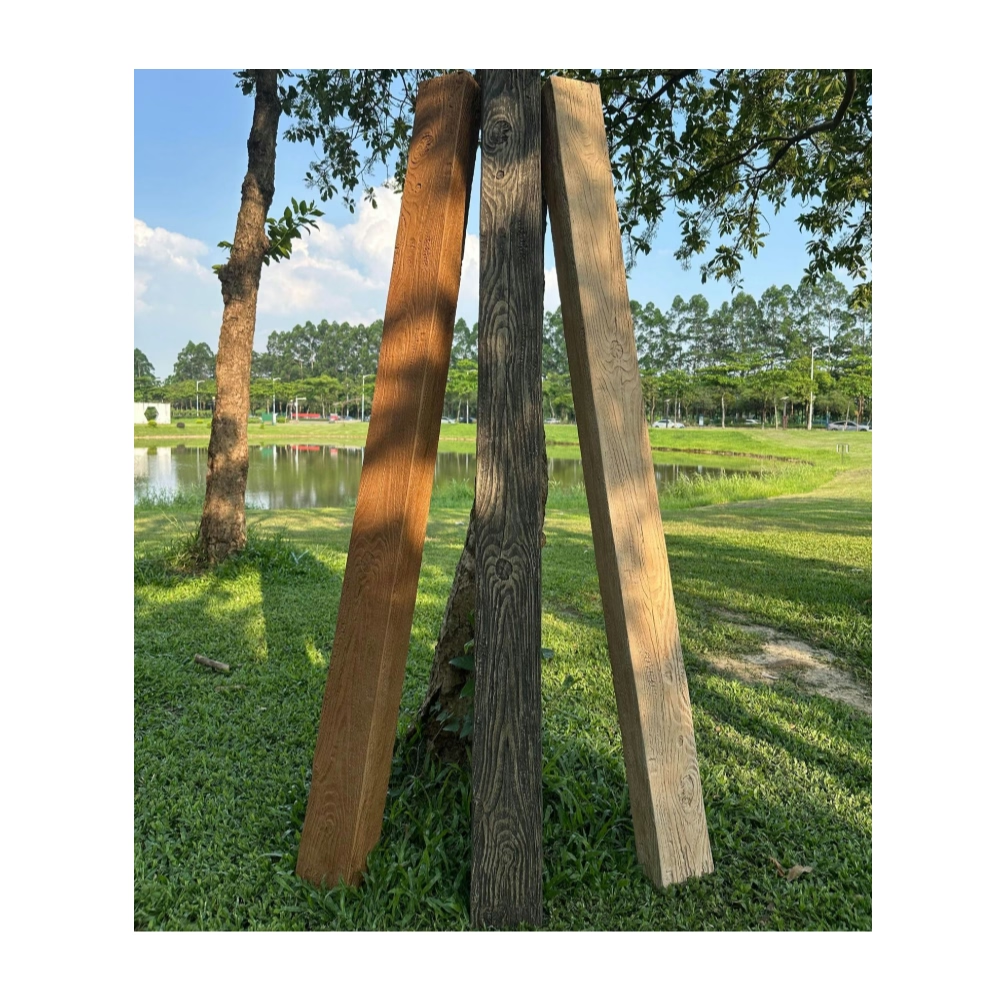
The moment guests cross your threshold, they form immediate impressions shaped by your home's entryway design. This transitional space sets the tone for everything that follows, yet it often receives less design attention than living rooms or kitchens. Introducing faux wood beams into your entryway or foyer creates an architectural statement that elevates the entire home's aesthetic while providing practical benefits perfectly suited to these high-visitation areas.
Foyers and entryways occupy unique positions in home design—they must accommodate traffic flow, provide storage for coats and shoes, and establish the home's character all simultaneously. Ceiling beams address this final requirement with remarkable effectiveness. The visual weight they add draws attention upward, making ceilings feel higher and spaces feel more substantial. This spatial perception matters enormously in entryways, which are often smaller than other ground-floor rooms.
Creating Dimensional Interest in Open-Concept Spaces
Many contemporary homes feature open-concept layouts where the entryway flows directly into living spaces. In these designs, the foyer becomes part of a larger visual zone, requiring design elements that bridge the transition without creating jarring breaks. Faux wood beams positioned at the entryway threshold provide exactly this function—they signal a change in space while maintaining visual continuity.
Consider beams that extend from the foyer into adjacent rooms, creating a unifying architectural element that pulls the entire ground floor together. This approach works particularly well when the beams follow the structural ceiling joists or intersect at specific design points. The result feels intentional rather than arbitrary, as if the home was designed around these features from the beginning.
In two-story entryways, beams can frame the upper balcony or loft opening, emphasizing the verticality of the space while providing visual anchoring for the upper-level railing. This treatment transforms what might otherwise feel like an awkward transitional zone into a deliberate architectural feature that homeowners and guests consistently admire.

Scale and Proportion Considerations
Entryway dimensions vary dramatically across home styles, from compact mudroom entries in townhouses to soaring two-story entry halls in executive homes. Successful beam installation requires matching beam dimensions to your specific space, ensuring visual balance rather than overwhelming or underwhelming the room.
In compact entryways, slimmer beam profiles prevent the ceiling from feeling compressed. Single beams positioned strategically—perhaps crossing at right angles or running parallel to visible joists—add architectural interest without crowding the visual field. Painting beams to match the ceiling color creates subtle definition that reads as trim rather than dominant structure.
Grand entryways with vaulted or two-story ceilings accommodate substantial beam installations with confidence. Oversized beams in these spaces feel appropriately scaled, providing the visual weight necessary to fill vast ceiling planes. Some designers specify beams with decorative corbels or bracket details to add complexity to the architecture, though this approach requires careful planning to ensure proportional harmony.
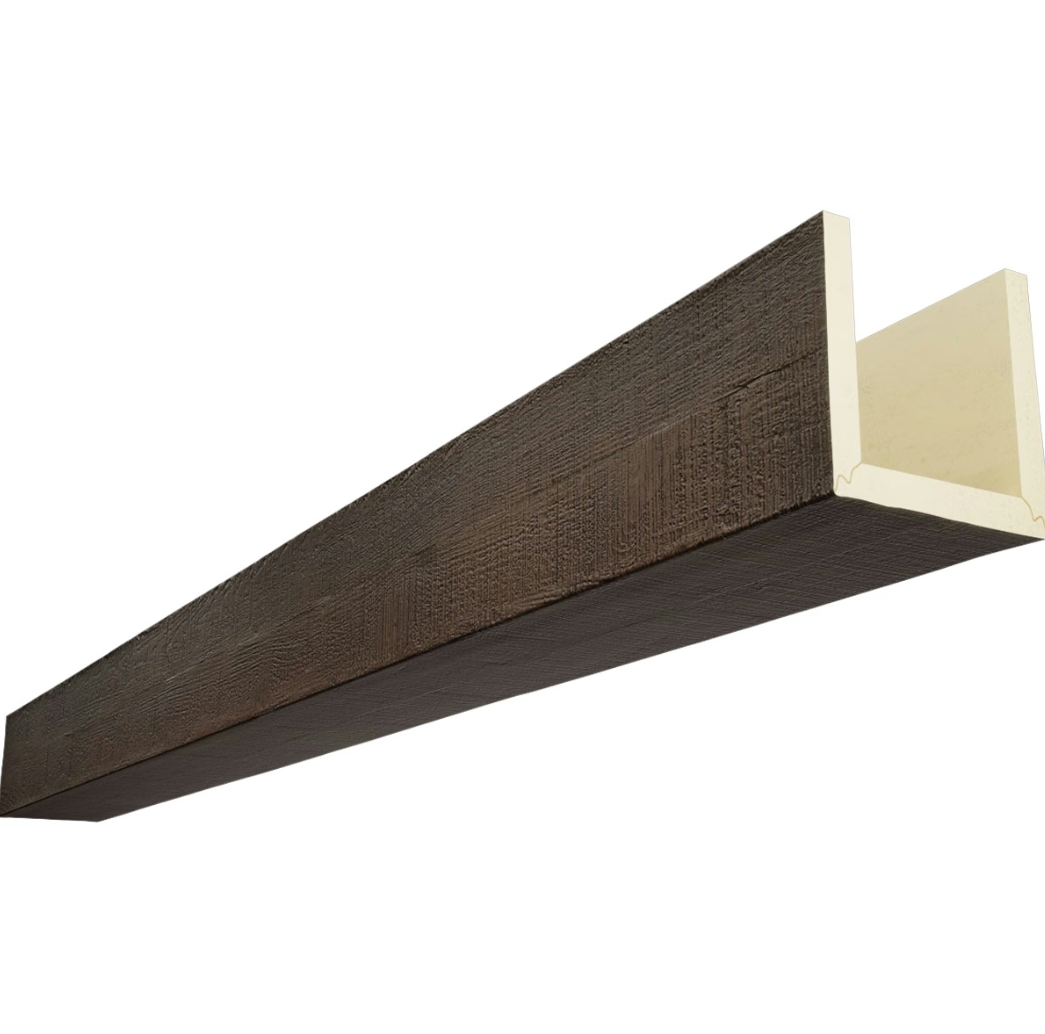
Material Performance in High-Traffic Zones
Entryways endure more wear and tear than almost any other room in the home. Family members pass through multiple times daily, bringing outdoor elements, moisture, and the general friction of busy households. Faux wood beams handle these conditions admirably, maintaining their appearance despite the challenges.
Unlike real wood that can dent, scratch, or absorb stains from contact, polyurethane beams resist surface damage. Occasional bumps from furniture moving or children at play leave no permanent marks. Cleaning requires only occasional dusting or wiping with a damp cloth—materials that stand up to the cleaning products typically used in entryways without degradation.
The moisture resistance of polyurethane proves particularly valuable in entryways adjacent to exterior doors. Real wood absorbs moisture from wet shoes, umbrellas, and damp clothing, eventually warping or developing mold in chronic damp conditions. Faux wood beams remain unaffected, maintaining straight alignment and clean surfaces regardless of the moisture exposure they receive.
Design Coordination With Entryway Elements
Faux wood beams achieve their full potential when integrated thoughtfully with other entryway design elements. The material's versatility allows coordination with diverse style directions, from farmhouse charm to contemporary elegance.
In traditional homes, beams with wood-grain textures and darker finishes complement wainscoting, crown molding, and classic furniture pieces. The warmth of wood appearance balances the formal geometry often found in traditional entryways, creating spaces that feel welcoming rather than stiff.
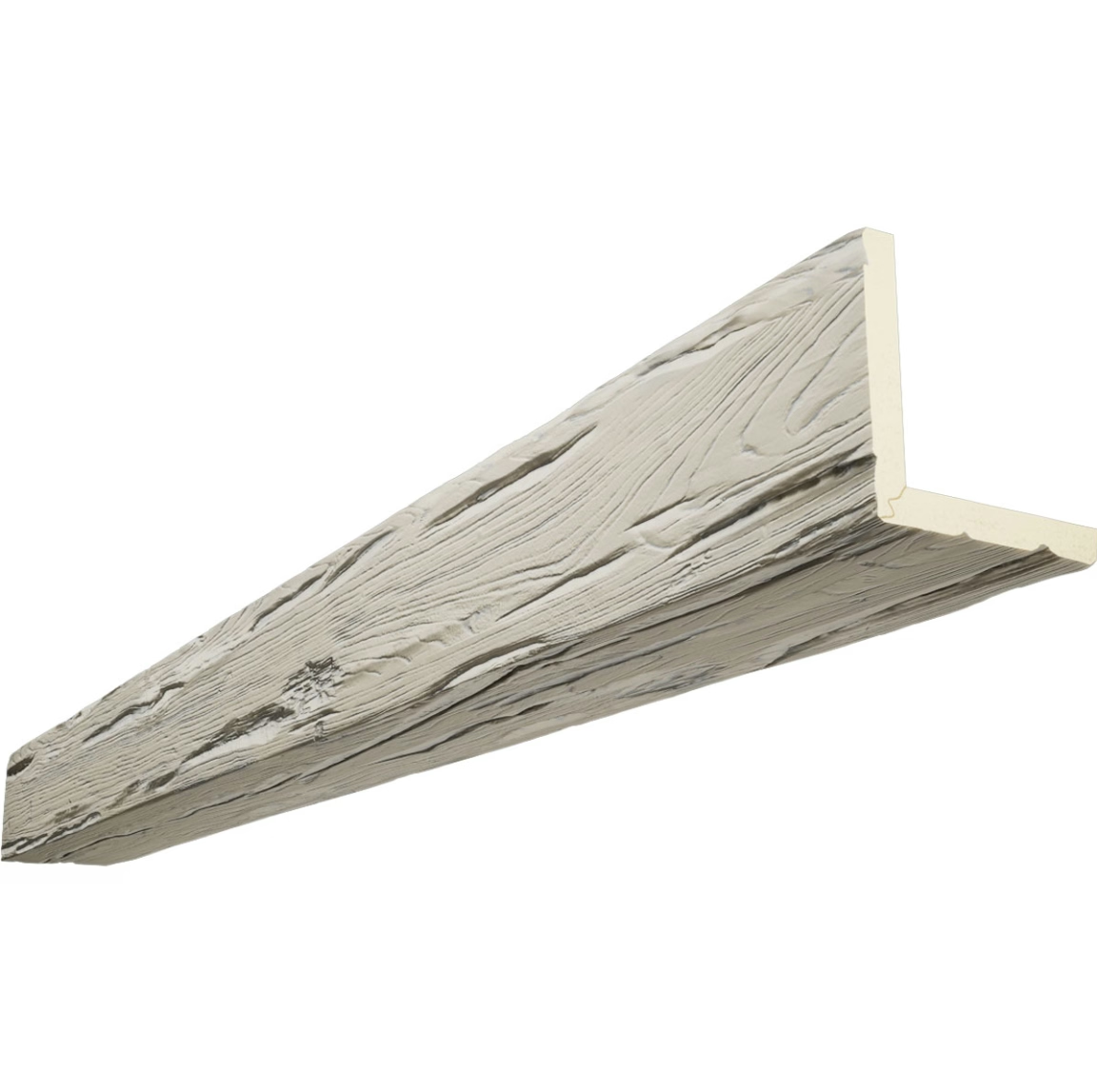
Modern entryways benefit from cleaner beam profiles—smooth surfaces without pronounced grain, perhaps in white or light gray finishes that echo contemporary color palettes. These beams serve as architectural trim rather than rustic focal points, supporting modern design principles of clean lines and understated elegance.
Transitional spaces combine approaches, using textured beams in neutral finishes that bridge traditional warmth and contemporary minimalism. This hybrid approach appeals to many homeowners who appreciate both design traditions but want something that doesn't rigidly commit to either extreme.
Lighting Integration Strategies
Proper lighting transforms entryway beams from static architectural features into dynamic design elements. Strategic fixture placement highlights beam textures and creates layered illumination that serves practical purposes while enhancing atmosphere.
Recessed lighting between beams provides general ambient illumination without competing with the beams themselves. This approach maintains clean sightlines while ensuring the entryway remains well-lit during evening hours. The beams become visible features when lighting hits them at angles that emphasize their depth and texture.
Chandeliers and pendant fixtures suspended from beams make the beams functional as structural elements while adding dramatic focal points. Statement lighting in entryways creates the impression of considered design—each element supporting and enhancing the others. Selecting fixtures proportional to beam size ensures visual harmony between the ceiling treatment and the lighting design.
Wall sconces positioned to wash light across beam surfaces create subtle shadowing that emphasizes texture and depth. This technique works particularly well in evening settings when natural light fades and artificial illumination becomes the primary light source.
Investment Value and Lasting Impressions
Entryway design affects daily life in ways that extend beyond first impressions. Families interact with their entryways multiple times every day, and thoughtful design makes these routine passages more pleasant. The psychological impact of entering a beautifully designed space, even briefly, influences mood and creates positive associations with home.
The durability of faux wood beams ensures this daily benefit continues for decades without maintenance requirements that would interrupt household routines. Real wood entryway beams might require periodic refinishing, repair of water damage, or replacement of compromised sections—maintenance that becomes inconvenient in high-traffic areas. Polyurethane beams eliminate these concerns, maintaining their appearance through years of use.
From a property value perspective, enhanced entryways contribute to overall home appeal in ways that matter during resale. Real estate professionals consistently emphasize the importance of first impressions, and architectural details that elevate entryway design create memorable properties in competitive markets.
Technical References
ASTM standards cited in every specification
Test Data
Lab results from internal testing program
Updated 2026
Reviewed against current product specs