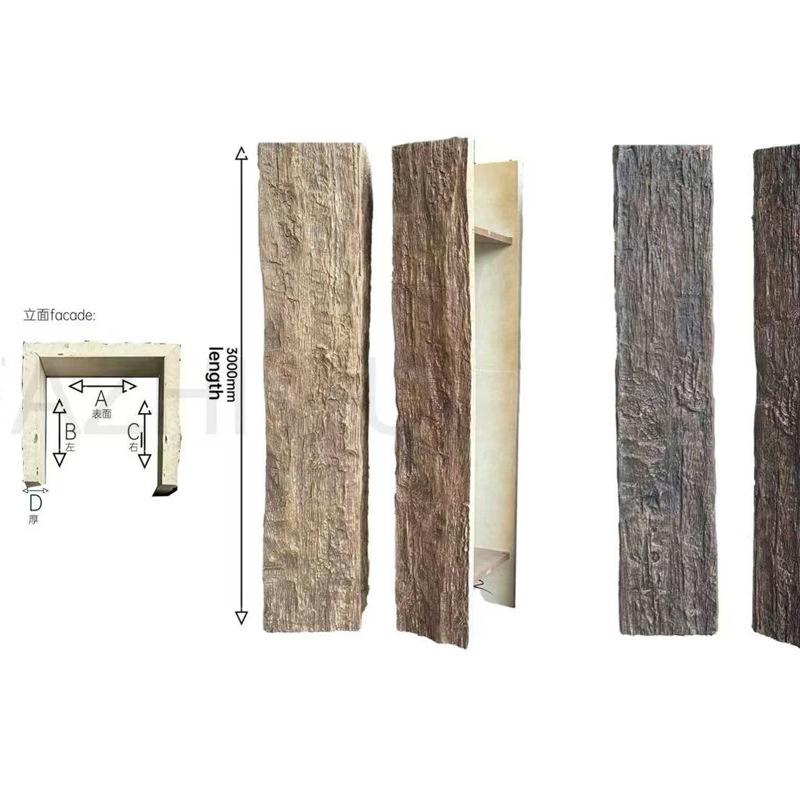
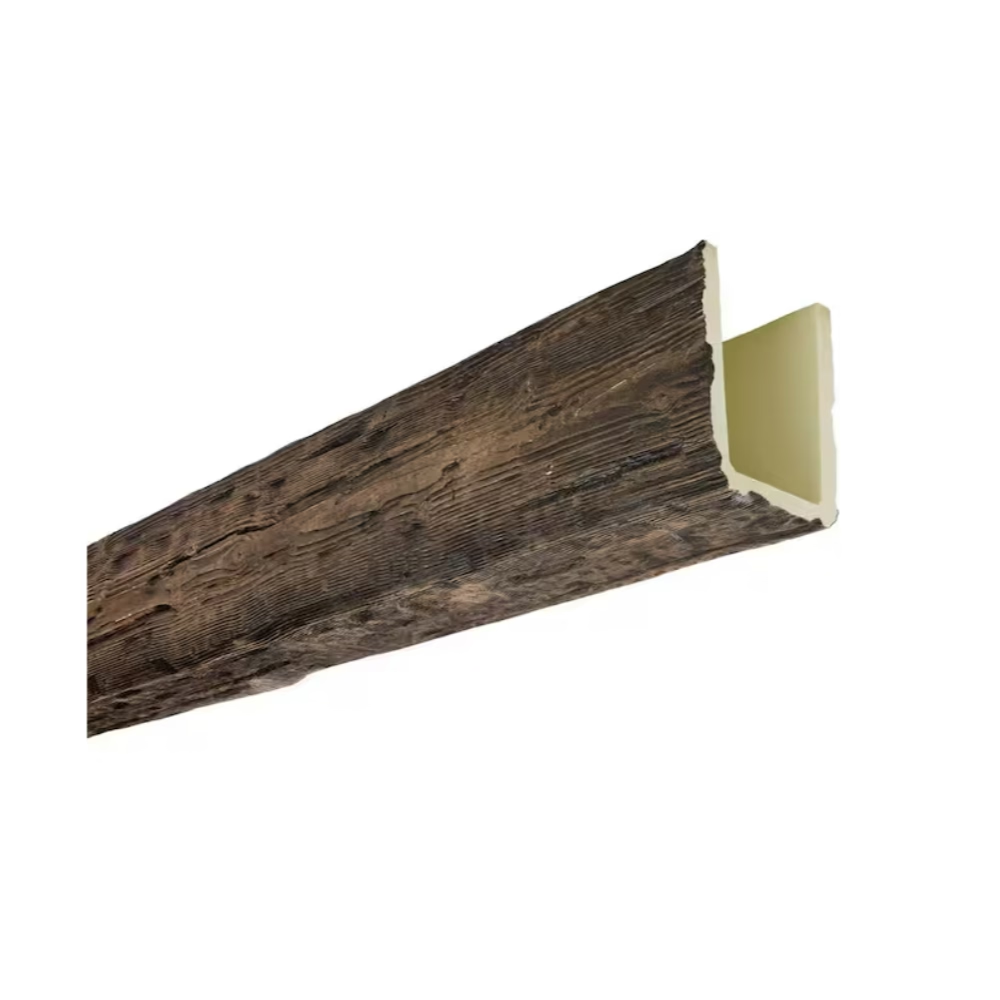
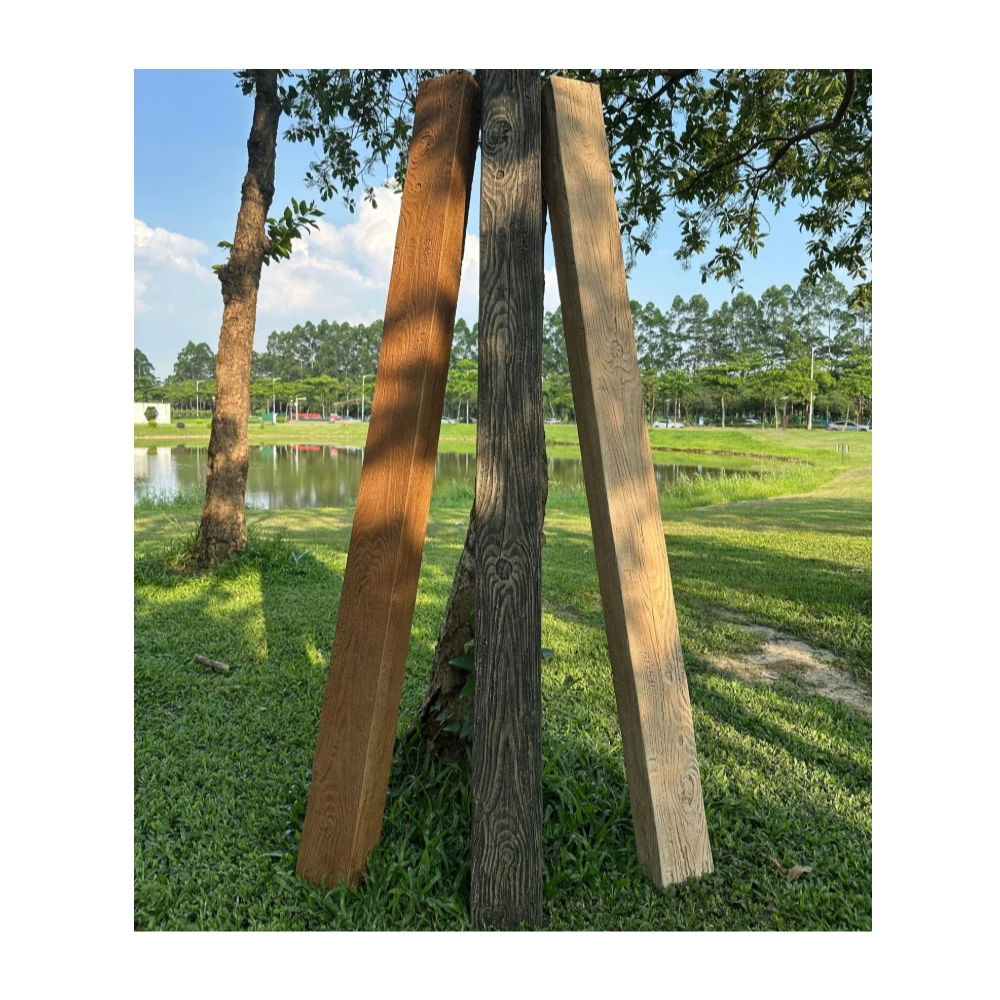
Home design has evolved significantly over the past decades, with homeowners increasingly seeking ways to express personal style through architectural details rather than relying solely on furniture and accessories. Among the most transformative elements available, ceiling beams offer immediate visual impact that fundamentally changes how rooms feel. The challenge has always been that traditional wood beams impose structural limitations and installation complexity that many homes cannot accommodate. Polyurethane faux wood beams resolve these constraints while delivering aesthetic results that rival authentic timber.
The appeal of beams as decor accents extends beyond pure aesthetics. These architectural elements create visual anchors that organize spaces, define zones, and draw attention upward to ceiling planes often ignored in interior design. When properly integrated, beams transform box-like rooms into spaces with genuine architectural interest and character.
Understanding Faux Wood Beam Technology
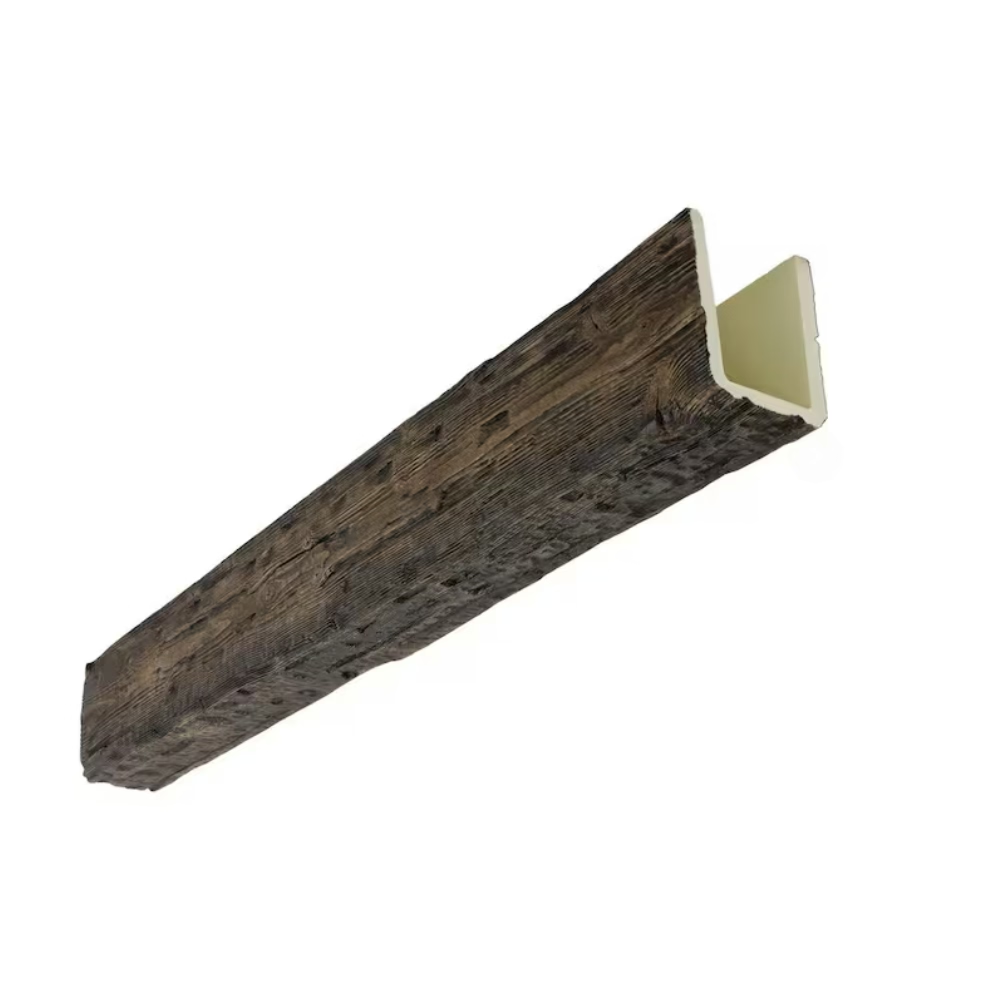
Modern polyurethane faux wood beams represent significant engineering advancement over earlier synthetic alternatives. Current production methods create products with realistic wood-grain textures, appropriate weight distribution, and surface finishes that convincingly replicate various wood species and treatment styles.
The material composition includes UV stabilizers that prevent yellowing and degradation from sunlight exposure, ensuring beams maintain their appearance over years of service. Color pigments are integrated throughout the material rather than applied as surface coatings that might chip or wear away. This through-body coloring ensures that any incidental damage remains less visible than it would be with surface-applied finishes.
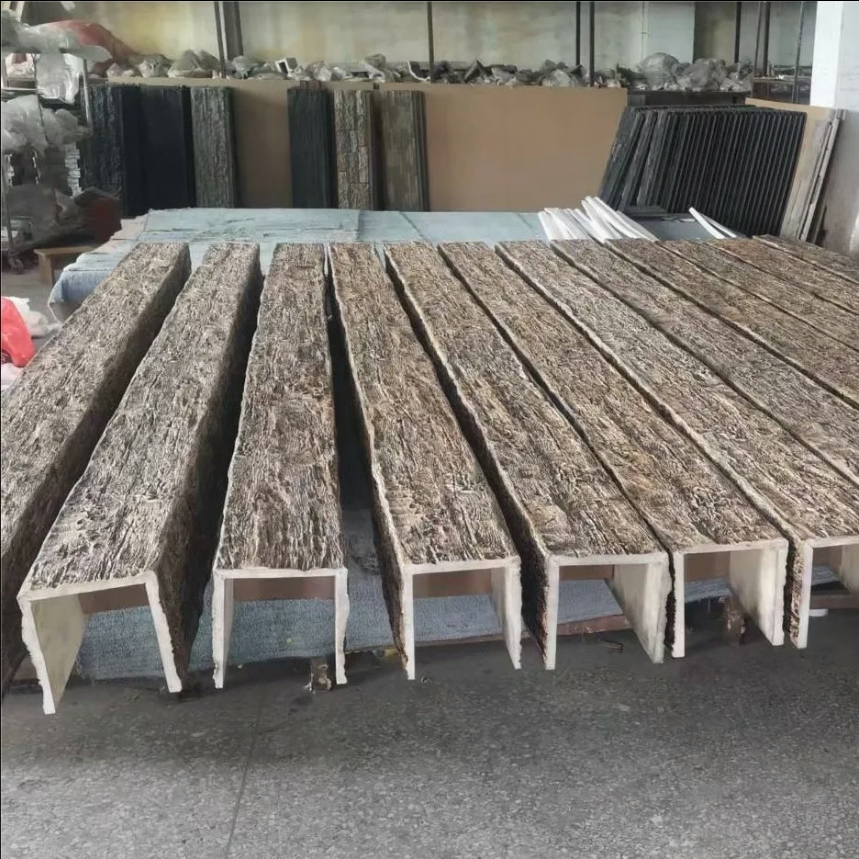
Structural characteristics have been engineered specifically for installation flexibility. Beams can be cut with standard woodworking tools, shaped to accommodate corners and obstacles, and finished to match surrounding trim work. This workability makes professional-quality installations achievable for skilled do-it-yourselfers and professional contractors alike.

Strategic Placement for Maximum Impact
Ceiling beam installations succeed or fail based on placement decisions. Even premium beams poorly positioned create confusion rather than visual appeal. Understanding placement principles helps homeowners achieve results that enhance rather than overwhelm their spaces.
Single accent beams work effectively in rooms with existing architectural features that beam placement should complement. A beam positioned to intersect with a fireplace, window, or exposed brick wall creates intentional connection between ceiling and wall planes. This intersection draws the eye through the room, creating visual flow that makes spaces feel more considered.
Parallel beam installations suit rooms where the ceiling itself should be the primary focus. These arrangements work particularly well in long, narrow spaces like hallways or great rooms where parallel lines emphasize length and create orderly progression through the space. Consistent spacing between beams ensures visual rhythm that feels deliberate rather than arbitrary.
Crossed beam patterns create dramatic focal points appropriate for rooms where impact takes priority over subtlety. This approach works well in entryways, dining rooms, or living rooms where homeowners want unmistakable architectural presence. The intersection points created by crossing beams provide natural focal points that organize furniture arrangement and conversation areas.
Coordinating With Existing Home Styles
Successful beam installation requires understanding how new architectural elements interact with existing home character. The goal is enhancement that feels native to the space rather than addition that contradicts established style.
Traditional homes with established architectural vocabulary benefit from beams that respect this context. Profiles that echo existing trim work, finishes that coordinate with wood species used throughout the home, and placement that acknowledges original design intentions all contribute to successful integration. The beams should feel as if they might have been part of the original construction rather than obvious retrofits.
Contemporary homes often welcome bolder beam treatments that reinforce modern design principles. Clean-lined profiles, uniform spacing, and finishes that might seem too severe in traditional contexts work well in contemporary settings. The beams become design elements in their own right rather than historical references.
Transitional homes—those blending traditional and contemporary elements—offer particular flexibility in beam selection. The ambiguity of transitional style allows homeowners to experiment with beam treatments that might feel out of place in more rigidly defined aesthetics.
Material Advantages Over Natural Wood
While natural wood beams possess undeniable authenticity, they impose practical limitations that make polyurethane alternatives attractive for most residential applications. Understanding these advantages helps homeowners make informed decisions about their design investments.
Weight represents the most significant practical difference. Natural wood beams can weigh 80-100 pounds per linear foot for substantial timber, requiring structural support considerations that dramatically complicate installation. Polyurethane beams of similar visual impact might weigh only 5-10 pounds per linear foot, allowing installation with simple mounting hardware and eliminating structural engineering requirements.
Moisture sensitivity affects natural wood differently depending on installation environment. Basements, bathrooms, and kitchens present moisture challenges that natural wood handles poorly, with warping, mold, and finish degradation common over time. Polyurethane beams are unaffected by moisture exposure, maintaining appearance regardless of humidity conditions.
Maintenance requirements also differ significantly. Natural wood beams require periodic inspection for moisture damage, occasional refinishing, and ongoing attention to finish integrity. Polyurethane beams maintain their appearance with simple dusting and occasional cleaning—no refinishing, no repair of water damage, no concern about structural integrity degradation.
Cost-Benefit Considerations
Home improvement investments require evaluation against both immediate budget constraints and long-term value. Faux wood beams generally offer favorable economics through moderate initial cost combined with minimal ongoing expense.
Material costs run significantly below comparable natural wood options, particularly when considering the premium grades required for ceiling installation. The labor savings from simpler installation further improve the economics, as projects that would require specialized contractors for natural wood can often be completed by general contractors or skilled homeowners.
The total cost of ownership for faux wood beams compares favorably to natural wood when considering maintenance expenses avoided. Natural wood beams might require refinishing every five to ten years, with associated costs for materials, labor, and temporary displacement from the space. Polyurethane beams require no such maintenance investment over their service life.
Technical References
ASTM standards cited in every specification
Test Data
Lab results from internal testing program
Updated 2026
Reviewed against current product specs