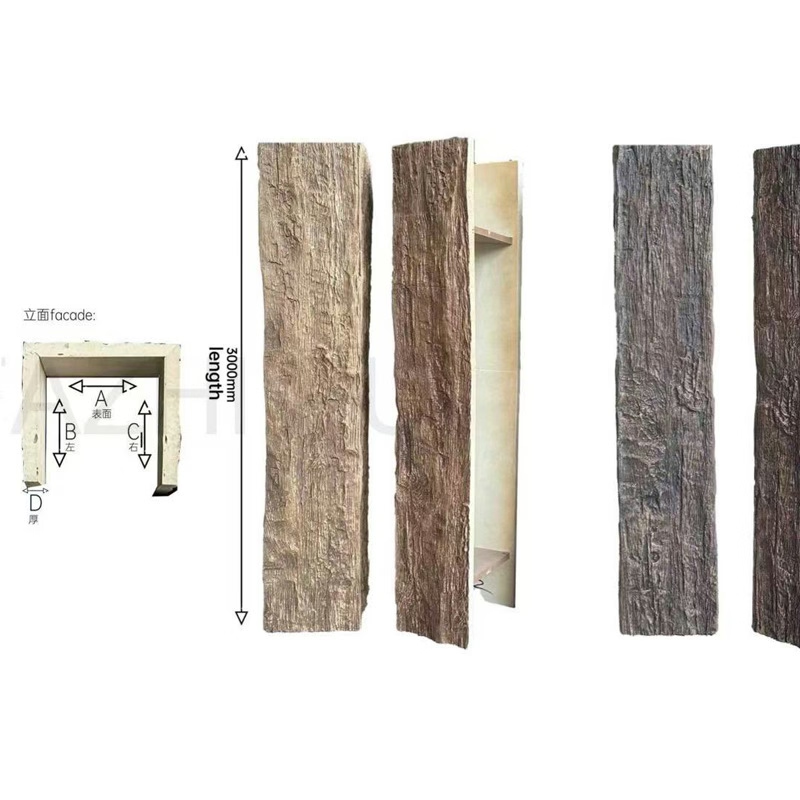
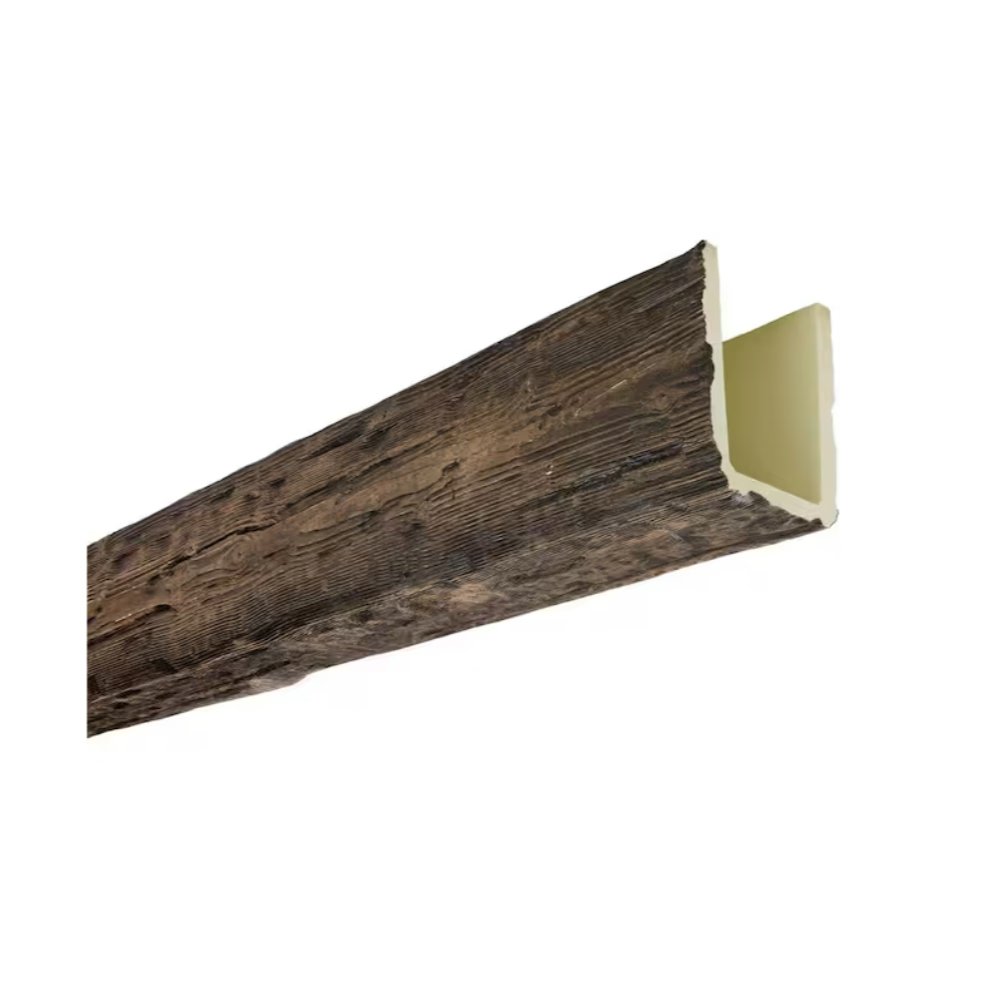
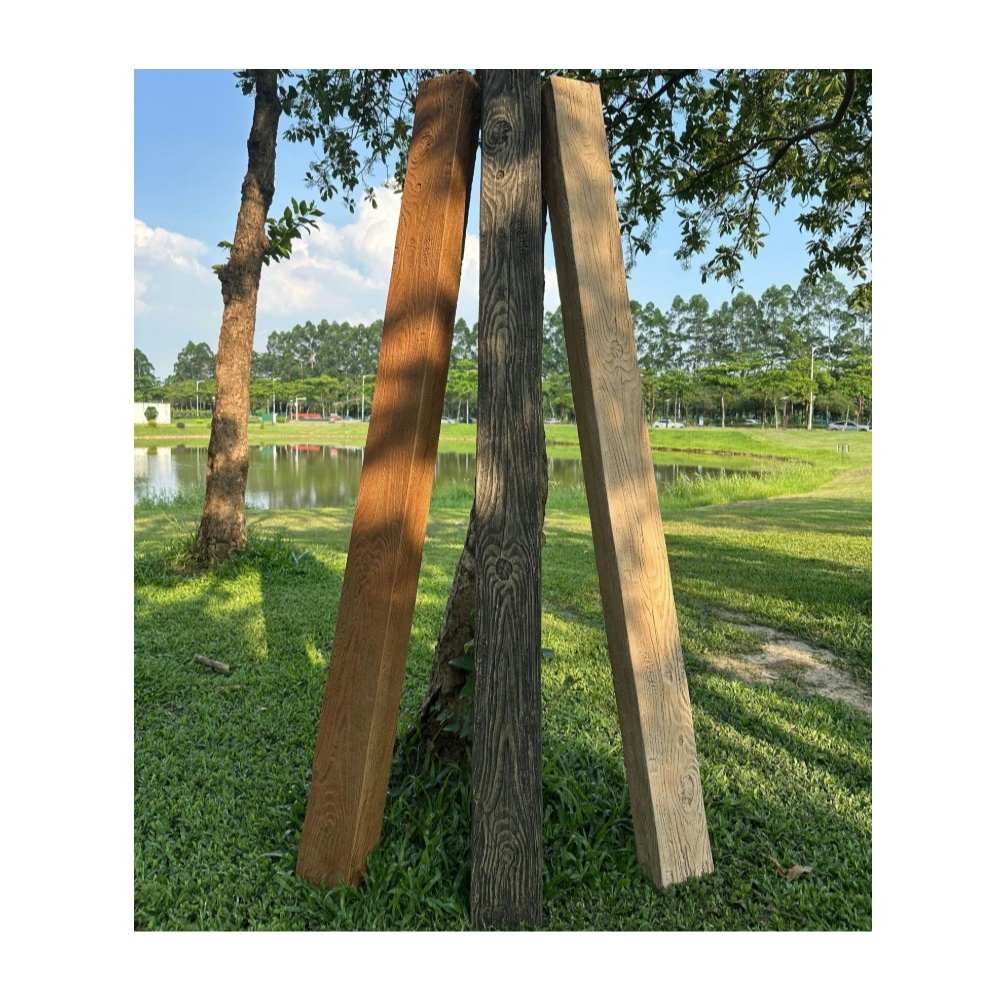
Luxury interior design distinguishes itself through attention to detail and the quality of execution rather than any single dramatic gesture. Sophisticated spaces reveal their quality through consistent refinement across every visible surface and joint. Ceiling beams in luxury interiors must meet these exacting standards—delivering visual impact without sacrificing the precision that distinguishes premium work from ordinary installation.
Polyurethane faux wood beams have earned serious consideration in luxury applications as material technology has advanced. Contemporary products achieve surface quality and detail resolution that rivals premium natural wood while offering practical advantages that pure aesthetics cannot provide. For homeowners seeking luxury results without the compromises natural materials impose, these beams represent compelling options.
Defining Luxury Through Material Selection
Luxury design operates on principles different from ordinary interior decoration. The goal is not merely satisfactory appearance but genuine quality that withstands close examination. Every material decision reflects on the overall project quality, making beam selection consequential beyond simple aesthetics.
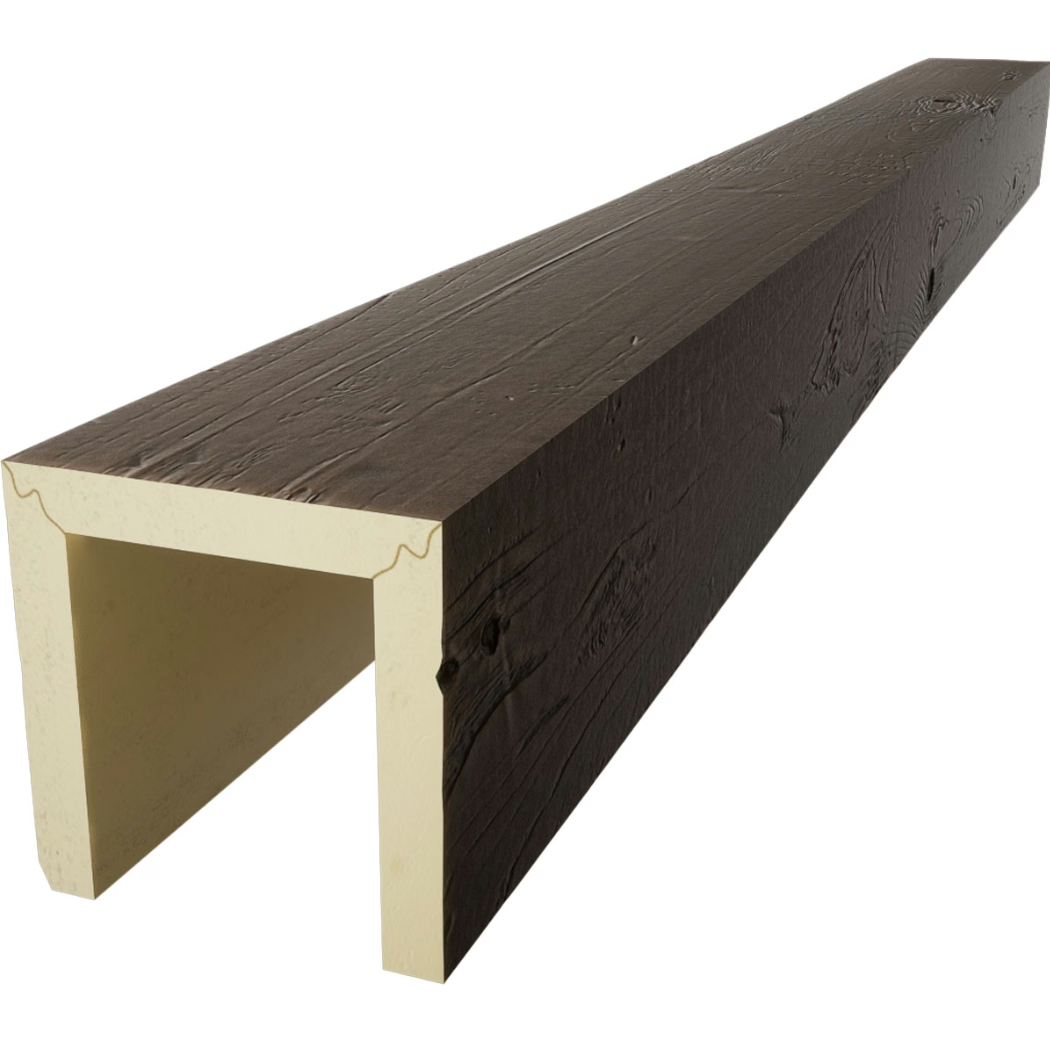
Surface quality in luxury applications requires near-perfect replication of natural wood characteristics. The grain patterns should suggest organic growth rather than mechanical reproduction. Surface textures should include subtle variations that create depth without appearing artificial. Color consistency within and between pieces ensures seamless appearance in installations where beam ends or joints might be visible.
Detail resolution at mitered corners and joint intersections must meet standards that close examination does not compromise. The transitions between beam sections should feel inevitable rather than convenient, as if the design required exactly these intersections. This precision distinguishes luxury execution from work where joints are merely acceptable.

Profile Selection for Refined Applications
Ceiling beam profiles communicate different qualities that must align with overall design intentions. The relationship between exposed face, depth, and edge details creates the visual character that distinguishes premium work.
Coffer-style beams create recessed panels that suggest substantial depth and architectural formality. These profiles work well in traditional and transitional interiors where symmetry and proportion establish design language. The shadow lines created by recessed panels emphasize architectural intention rather than merely adding bulk.
Stepped beam profiles incorporate multiple planes that create visual complexity without overwhelming scale. These profiles suggest craftsmanship through their geometric precision while maintaining contemporary relevance. They work particularly well in larger rooms where the additional visual weight supports spatial proportion.
Craftsman-style beams feature simpler profiles with subtle detailing that respects the Arts and Crafts heritage without copying historical examples directly. These beams suit homes with heritage character or design directions inspired by early twentieth-century aesthetics.
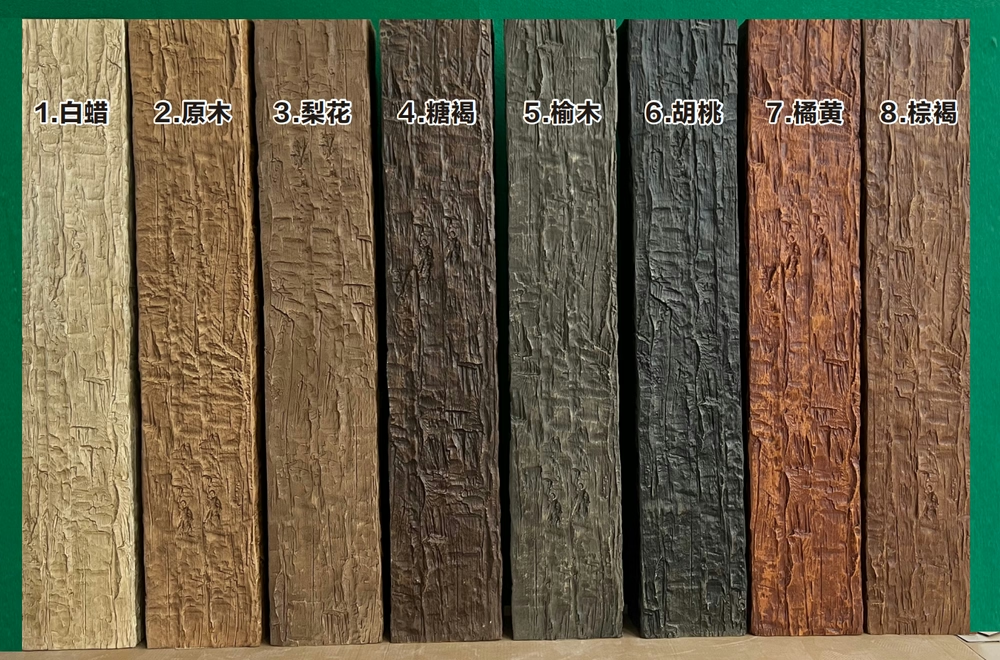
Finish Considerations for Luxury Spaces
The finish on ceiling beams significantly influences how light interacts with the surface and how the beams relate to surrounding materials. Luxury applications require finishes that maintain consistency across the installation while supporting the overall design palette.
Stained finishes should achieve color depth and variation that suggests natural wood without appearing artificial. Premium finishes include subtle toning that creates visual interest while maintaining sophistication. The goal is apparent quality that reads as natural rather than manufactured.
Painted finishes in luxury applications require exceptional surface preparation and application technique. The beam surfaces should exhibit the same smooth, even appearance as premium trim work throughout the space. Any surface irregularity becomes immediately apparent under the controlled lighting luxury interiors typically feature.
Clear finishes showcase the underlying texture while providing protection against environmental factors. These finishes work best with textured beams where the natural character should remain visible. The finish itself should not distract from the texture it protects.
Integration With Other Trim Elements
Luxury interiors feature coordinated trim work throughout—crown molding, window and door casings, wainscoting, and other architectural details. Ceiling beams must integrate with this existing trim vocabulary to create cohesive overall appearance.
Matching wood species between beams and other trim elements creates continuity that luxury interiors require. If the existing trim features oak, selecting oak-appearance faux beams maintains this consistency. Similarly, painted trim should be complemented by beams finished in the same color with matched sheen levels.
Profile relationships between beams and adjacent trim require careful attention. Crown molding intersecting with beams creates joint details that should feel resolved rather than awkward. Matching the complexity level of beam profiles to existing trim ensures the new elements feel native rather than appended.
Light Interaction and Visual Effect
Lighting design in luxury interiors treats ceiling beams as elements that interact with illumination rather than merely existing under it. The positioning and orientation of beams should consider how light will strike surfaces throughout the day and evening.
Uplighting aimed at beam undersides creates dramatic shadow play that emphasizes depth and texture. This technique works particularly well in spaces where evening atmosphere takes priority over daytime function. The interplay of light and shadow across beam surfaces adds dimensionality that flat surfaces cannot achieve.
Downlighting from recessed fixtures should consider beam positioning to avoid creating unwanted shadows or lighting conflicts. Fixture placement should either complement beam geometry by illuminating beam faces dramatically or minimize beam visibility by keeping light levels even across the ceiling plane.
Natural light interaction changes throughout the day, with sunlight angles shifting and color temperature varying. Beam installations should be evaluated against these natural light variations to ensure appearance remains appropriate across lighting conditions.
Professional Installation Requirements
Luxury applications demand installation quality that matches the premium materials and design intentions. Even exceptional beams poorly installed appear cheap, undermining the entire design investment.
Precise measurement and cutting ensures joints fit tightly without gaps or misalignment. Luxury installation tolerates no the visible caulking or filler that might be acceptable in ordinary applications. Each joint should be cut, fitted, and finished to standards that withstand close examination.
Mounting systems for luxury applications should be concealed whenever possible. Visible brackets or hardware distract from the architectural appearance beams should create. Quality installations use blocking, adhesives, and concealed fasteners that leave no evidence of the support structure.
Finish application requires techniques appropriate to each finish type. Stained beams might require grain filling, sealing, and multiple finish coats with sanding between applications. Painted beams need prime and paint layers applied with professional spray equipment for the smoothest possible surfaces.
Investment Value in Luxury Contexts
Luxury interior work commands premium pricing that reflects both material quality and the expertise required for exceptional execution. Faux wood beams in luxury applications deliver the visual results that justify premium positioning while maintaining favorable economics compared to natural wood alternatives.
The sustained appearance quality of quality faux wood beams protects the luxury investment by maintaining pristine conditions without the maintenance requirements natural materials would demand. Luxury homeowners who value their spaces expect materials to remain beautiful with appropriate care, and faux wood beams satisfy this expectation.
Resale considerations in luxury real estate favor materials that maintain appearance without requiring ongoing maintenance attention. Properties featuring faux wood beam installations that have remained beautiful for years demonstrate quality standards that support premium valuations.
Technical References
ASTM standards cited in every specification
Test Data
Lab results from internal testing program
Updated 2026
Reviewed against current product specs