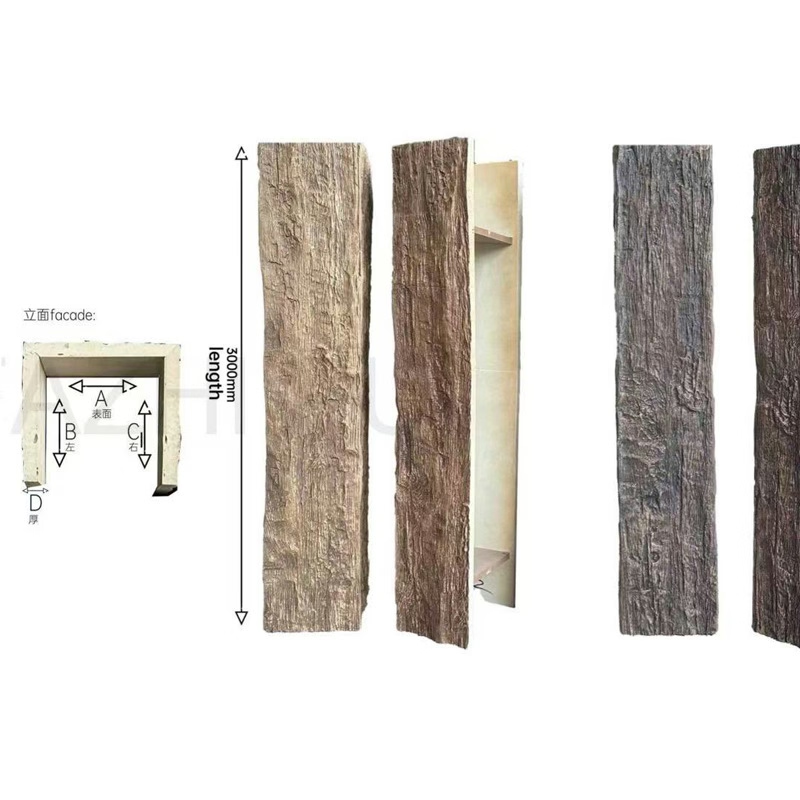
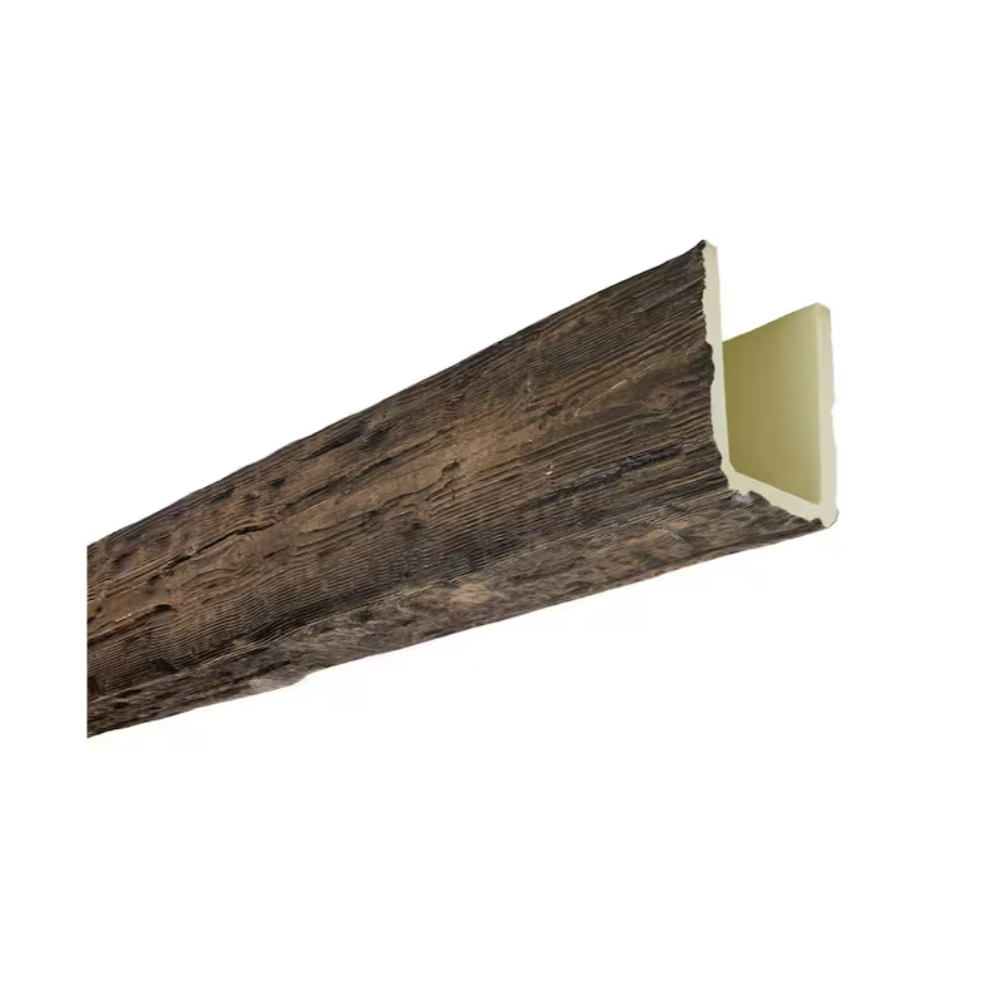
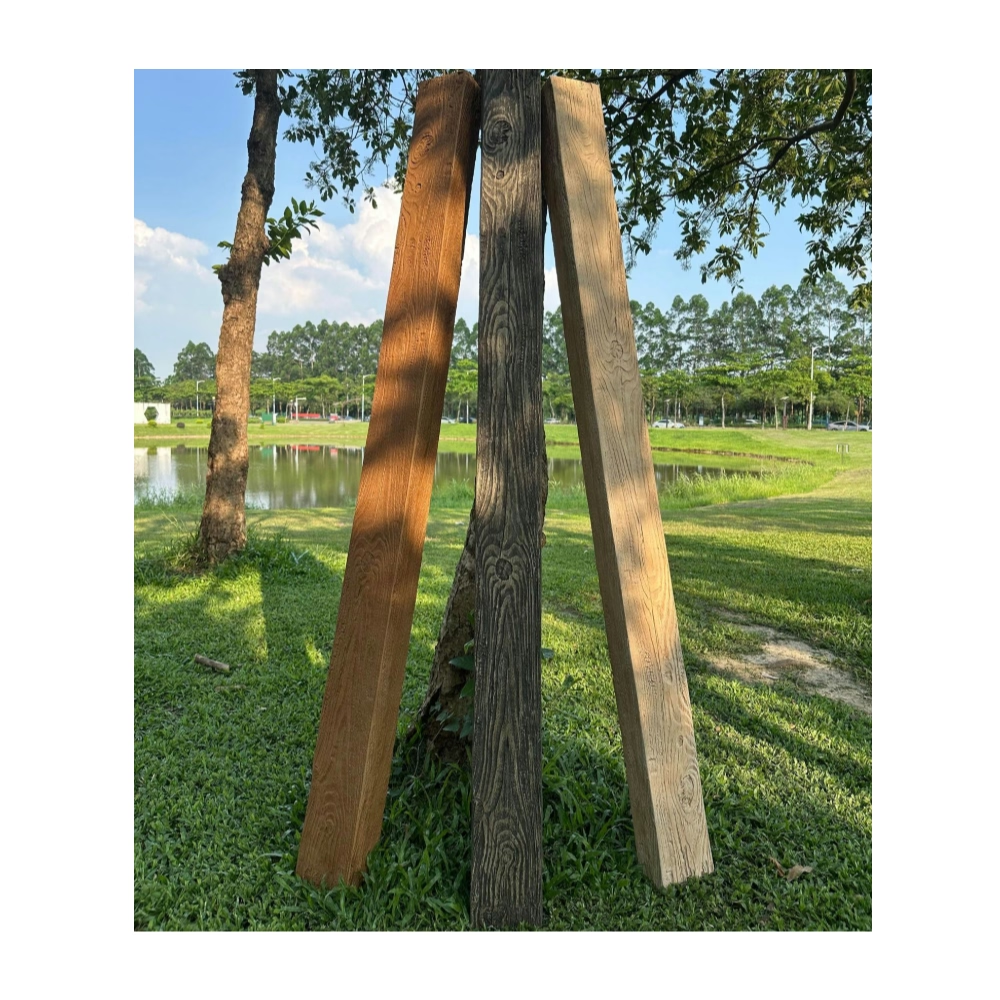
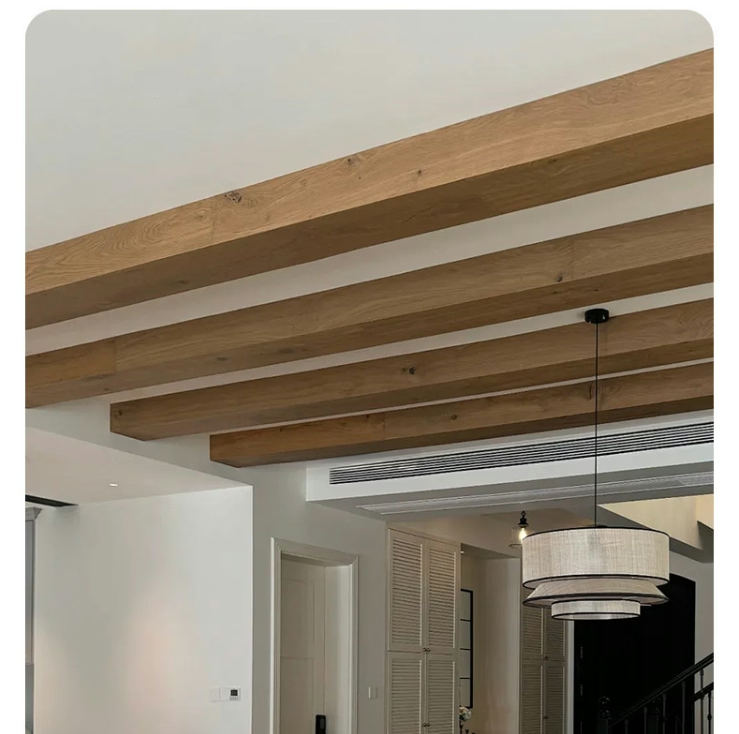
The game room occupies a special place in home design—a dedicated space where leisure takes priority and entertainment equipment justifies its own territory. Unlike formal living rooms designed to impress visitors, game rooms serve primarily the household's residents, allowing design decisions that prioritize personal enjoyment over broader aesthetic trends. Ceiling beams contribute significantly to the atmosphere that makes game rooms feel like escape destinations rather than afterthought spaces.
Natural wood textures complement the recreational purpose of game rooms exceptionally well. The organic warmth of wood appearance balances the electronic equipment, harsh lighting, and technical elements typical of entertainment spaces. When gaming sessions extend for hours, the visual comfort contributed by wood-look elements reduces eye strain and mental fatigue that might otherwise shorten enjoyment.
Atmosphere Creation for Extended Entertainment
Game room use often involves extended sessions—marathon gaming sessions, poker nights lasting until dawn, watching championship sporting events with friends. These experiences require environments that sustain comfort over hours rather than minutes. Design elements that feel comfortable initially but become tiresome over time undermine the space's purpose.
Wood-look materials contribute to sustained visual comfort through their organic character. Unlike highly reflective surfaces that create glare or very dark surfaces that feel oppressive, wood textures occupy a comfortable middle ground that supports extended presence. The subtle grain patterns provide visual interest without demanding attention or creating fatigue.
The acoustic properties of dimensional ceiling beams also contribute to game room comfort. Sound from gaming systems, televisions, and conversation reflects differently off beam-textured ceilings than off flat surfaces, creating more comfortable ambient sound levels for extended gatherings.

Style Directions for Game Room Applications
Game rooms serve diverse household segments and personal interests, requiring design approaches flexible enough to match varied preferences. Ceiling beam selection can be tuned to support different game room personalities.
Sports-themed game rooms benefit from warm wood tones that complement leather seating, trophy displays, and sports memorabilia. Beams with pronounced grain patterns reinforce the organic, natural character that balances electronic displays and scoreboards. Stadium-inspired lighting integrated with beam installations creates authentic sports bar atmosphere.
Gaming-centric rooms might embrace more contemporary aesthetics with sleeker beam profiles in neutral finishes. The technical nature of gaming equipment pairs well with modern design language, and beam treatments can reinforce this contemporary direction rather than introducing contradictory rustic elements.
Traditional recreation rooms featuring pool tables, card games, and classic entertainment center their design around furniture and activities that favor warm, inviting environments. Wood beams with classic profiles support this traditional character, creating spaces that feel established and comfortable rather than trendy and temporary.
Durability for High-Activity Environments
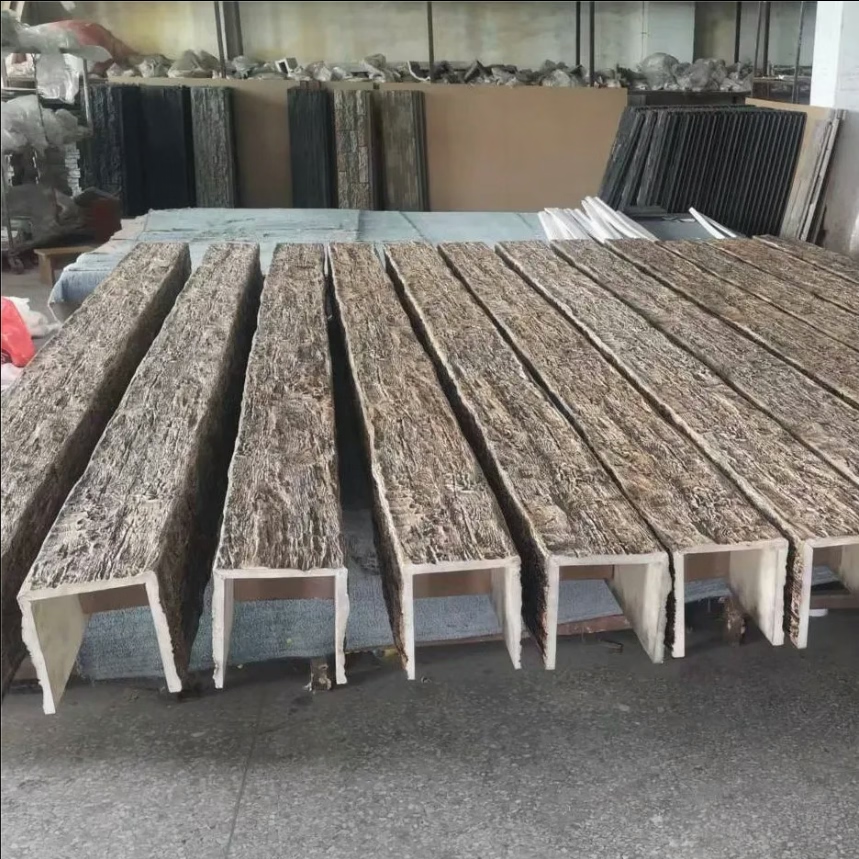
Game rooms experience use patterns different from most residential spaces. The concentration of activity—standing, moving furniture, occasional enthusiastic celebration—creates wear that materials must withstand. Ceiling beams positioned above these activities face unique challenges.
Accidental contact from pool cues, gaming controllers thrown in frustration, or furniture being rearranged occasionally results in impacts against ceiling elements. Polyurethane beams resist the denting and surface damage that real wood would experience from similar impacts. This durability maintains appearance quality despite the energetic activities below.
The enclosed nature of dedicated game rooms often leads to neglected ventilation and temperature variations that affect materials differently. Windows might be absent, limiting natural air exchange, while heat-generating equipment raises ambient temperatures. Faux wood beams handle these conditions without the warping or finish degradation that natural materials might experience.
Lighting Integration for Gaming and Viewing
Game room lighting must accommodate multiple activities with different requirements—bright illumination for board games and billiards, reduced lighting for television viewing and gaming, and accent lighting for atmosphere and feature highlights. Ceiling beams should integrate with lighting systems that satisfy these varied needs.
Track lighting installed between beams allows directional adjustment for specific activities or furniture positions. The beams themselves serve as mounting structure and visual organization for these lighting systems, creating coherent ceiling design rather than random fixture placement.
Recessed lighting between beams provides even ambient illumination for detailed activities without creating glare on television screens or monitors. Careful positioning ensures light falls where needed without interfering with viewing experiences.
LED strip lighting installed on beam undersides creates subtle uplighting effects that define the ceiling plane while providing very low-level illumination suitable for transitions between activities or late-night sessions when full lighting would disrupt the atmosphere.
Acoustic Considerations for Sound Systems
Many game rooms feature substantial audio systems for gaming, music, and home theater applications. These systems create acoustic demands that ceiling treatment can address through strategic beam installation.
The dimensional profile of beams scatters sound reflections that would otherwise create echo and standing waves in enclosed rooms. This scattering contributes to more accurate sound reproduction and comfortable listening conditions. Beams effectively break up the large, parallel ceiling and wall surfaces that cause acoustic problems.
For more serious acoustic requirements, beams can incorporate acoustic insulation within their structures or be combined with additional acoustic treatment panels. The beams themselves become part of an integrated acoustic design rather than mere decorative additions.
Furniture Coordination and Spatial Planning
Game rooms typically feature large furniture pieces—pool tables, gaming chairs, theater seating, bar units—whose placement and proportion should relate to ceiling treatment. Beam selection and positioning should consider these furniture elements.
In rooms with prominent pool tables, beams should be positioned to avoid interference with cue clearance during play. Lower ceilings with beams too close to table height create awkward playing conditions. Strategic beam placement that clears furniture requirements while still delivering aesthetic impact demonstrates thoughtful design.
Gaming stations with multiple monitors and equipment benefit from beam positioning that avoids creating shadows on screens or interfering with mounting positions. The ceiling treatment should support rather than complicate the technical requirements of gaming equipment.
Personal Expression Through Design
Game rooms afford opportunities for personal expression that formal living spaces might not permit. The space belongs to the household rather than serving as representative public space, allowing design decisions that reflect genuine personal interests without concern for broader approval.
Ceiling beams contribute to this personal expression through style, scale, and finish choices that communicate personality. Rustic beams might express appreciation for heritage and craftsmanship. Contemporary beams might reflect technical orientation and future focus. Traditional beams might suggest comfort with established aesthetics and timeless design values.
The investment in quality ceiling treatment signals commitment to the space and the activities it supports. This commitment creates psychological ownership that deepens the connection between occupants and their game room, transforming a mere space into a genuine destination.
Technical References
ASTM standards cited in every specification
Test Data
Lab results from internal testing program
Updated 2026
Reviewed against current product specs