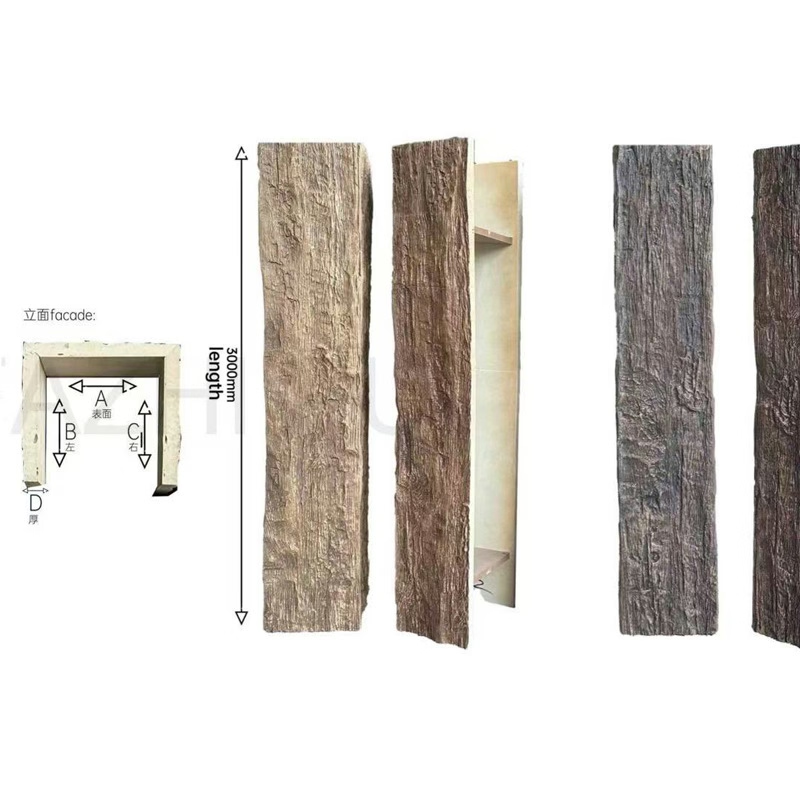
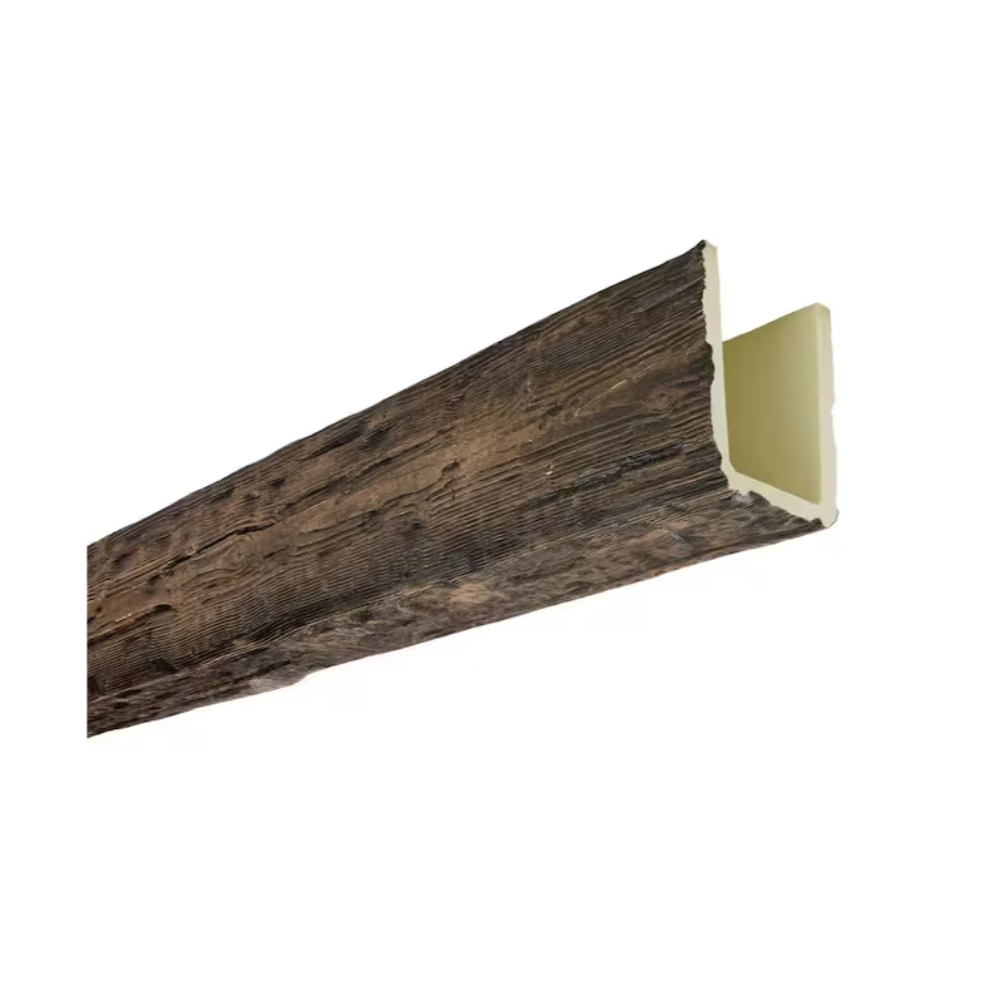
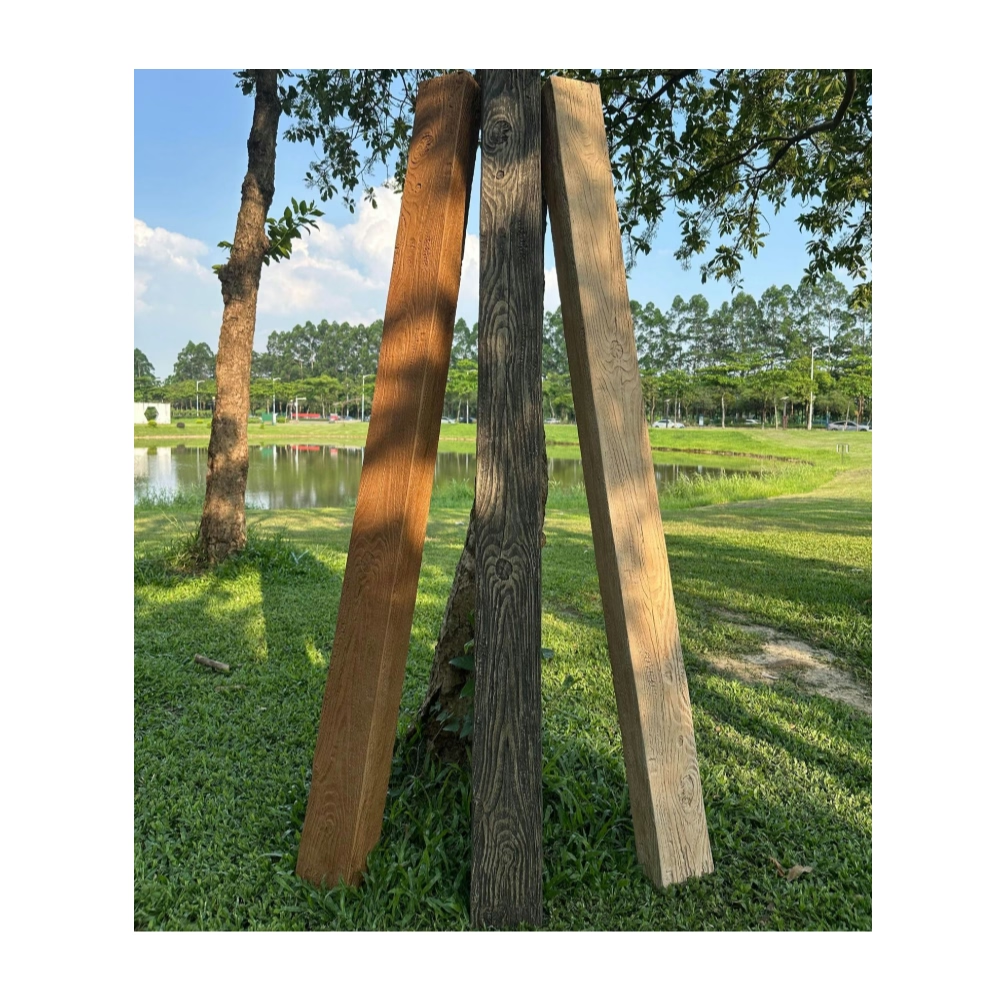
New construction offers unique opportunities that renovation projects cannot replicate—the ability to design architectural details into the structure from the beginning rather than adapting existing conditions. Ceiling beams represent one of the most impactful architectural elements available to new home designers, and polyurethane faux wood options provide advantages that make beam installation practical in ways traditional materials would not support.
Building from scratch allows ceiling structure to be designed around beam installations, whether beams serve purely decorative purposes or bear some functional load. This integration produces cleaner installation with fewer compromises than retrofitting beams into existing construction. The result is architectural quality that appears native rather than appended.
Design Integration During Planning Phases
The most successful beam installations in new construction begin with consideration during initial design rather than as afterthought additions. This early planning ensures structural elements, electrical routing, and HVAC placement all accommodate beam installations optimally.
When beams are planned from the beginning, ceiling heights can be adjusted to maintain comfortable proportions after beam installation. Rooms that would otherwise feature 9-foot ceilings might be designed with 9-foot-6-inch heights to accommodate substantial beams while maintaining spatial feel. This proactive approach eliminates the rushed compromises that result when beam installation becomes an afterthought.
Structural engineers can specify blocking and support points sized for beam mounting, eliminating concerns about finding adequate support in finished construction. Electrical plans can route wiring to avoid beam locations or specify fixtures appropriate for beam-integrated installation. HVAC can position ductwork to complement rather than conflict with beam arrangements.

Weight Advantages in New Construction
New construction building codes and engineering standards assume certain load parameters for ceiling structures. Traditional heavy timber beams might exceed these parameters, requiring structural reinforcement that adds cost and complexity. Polyurethane faux wood beams of equivalent visual impact impose minimal additional load.
This weight advantage proves particularly significant in multi-story construction where ceiling structures bear cumulative loads from floors above. Reducing ceiling weight through material selection like faux wood beams contributes to overall structural efficiency that affects foundation design, wall framing, and building dimensions.
The reduced weight also simplifies logistics during construction. Beams that one or two workers can safely position eliminate the equipment and coordination heavy timber would require. This practical advantage speeds installation and reduces labor costs without sacrificing aesthetic results.
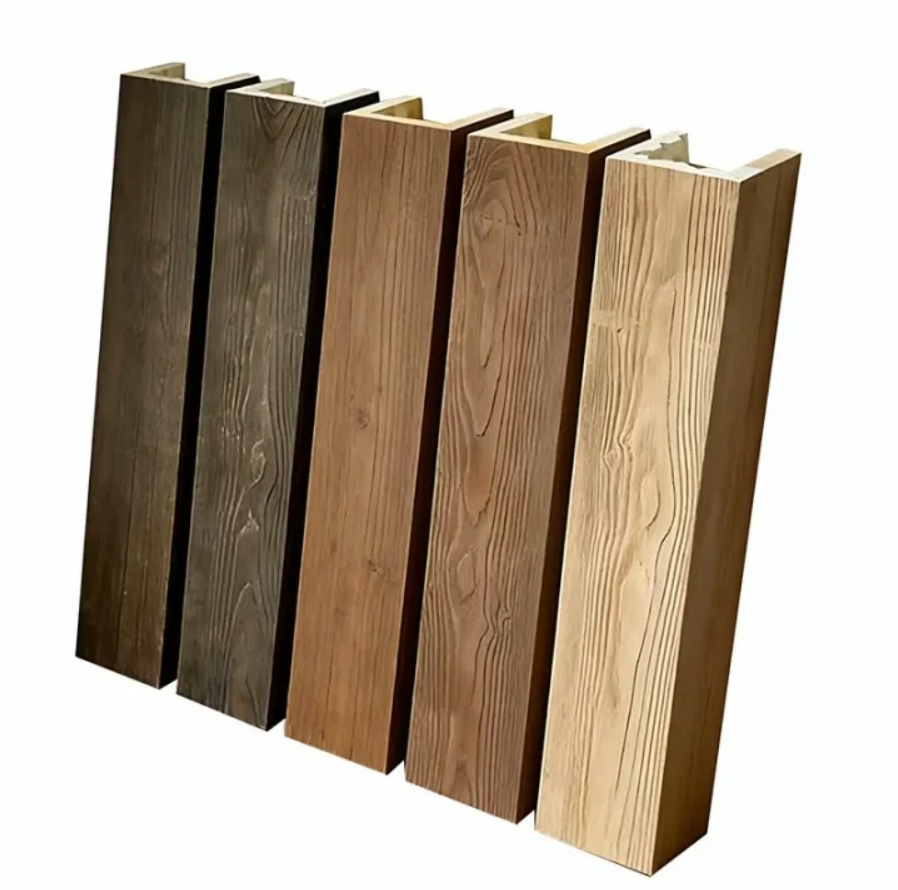
Moisture Considerations in New Construction
New homes accumulate moisture during construction through concrete curing, paint application, and weather exposure before occupancy. This moisture affects materials differently, with organic materials like natural wood potentially absorbing moisture that leads to future warping or mold development.
Polyurethane faux wood beams can be installed during construction phases when natural wood would require protection from moisture exposure. The material's resistance to moisture absorption ensures beams remain stable regardless of construction-site humidity conditions. This flexibility in installation timing simplifies scheduling and reduces protection requirements.
Post-construction moisture from activities like cooking, bathing, and laundry gradually establishes equilibrium with indoor conditions, but new homes often experience moisture variations as building materials adjust to their permanent environment. Faux wood beams handle these adjustments without the dimensional instability that affects natural wood.
Long-Term Performance in New Homes
New homeowners invest significantly in their purchases and expect materials to perform reliably for years without demanding attention or repair. Ceiling beams that require ongoing maintenance become annoyances rather than appreciated features, undermining the quality perception new construction should create.
Faux wood beams maintain consistent appearance throughout their service life without refinishing, repair, or replacement concerns. This reliability supports the low-maintenance expectations contemporary homeowners have for new construction. The beams continue looking beautiful while requiring nothing beyond occasional dusting.
The dimensional stability of polyurethane beams ensures that mounting systems remain secure over time. Natural wood beams might loosen as they expand and contract with seasonal humidity variations, requiring periodic inspection and tightening. Faux wood beams maintain their dimensions and positions reliably.
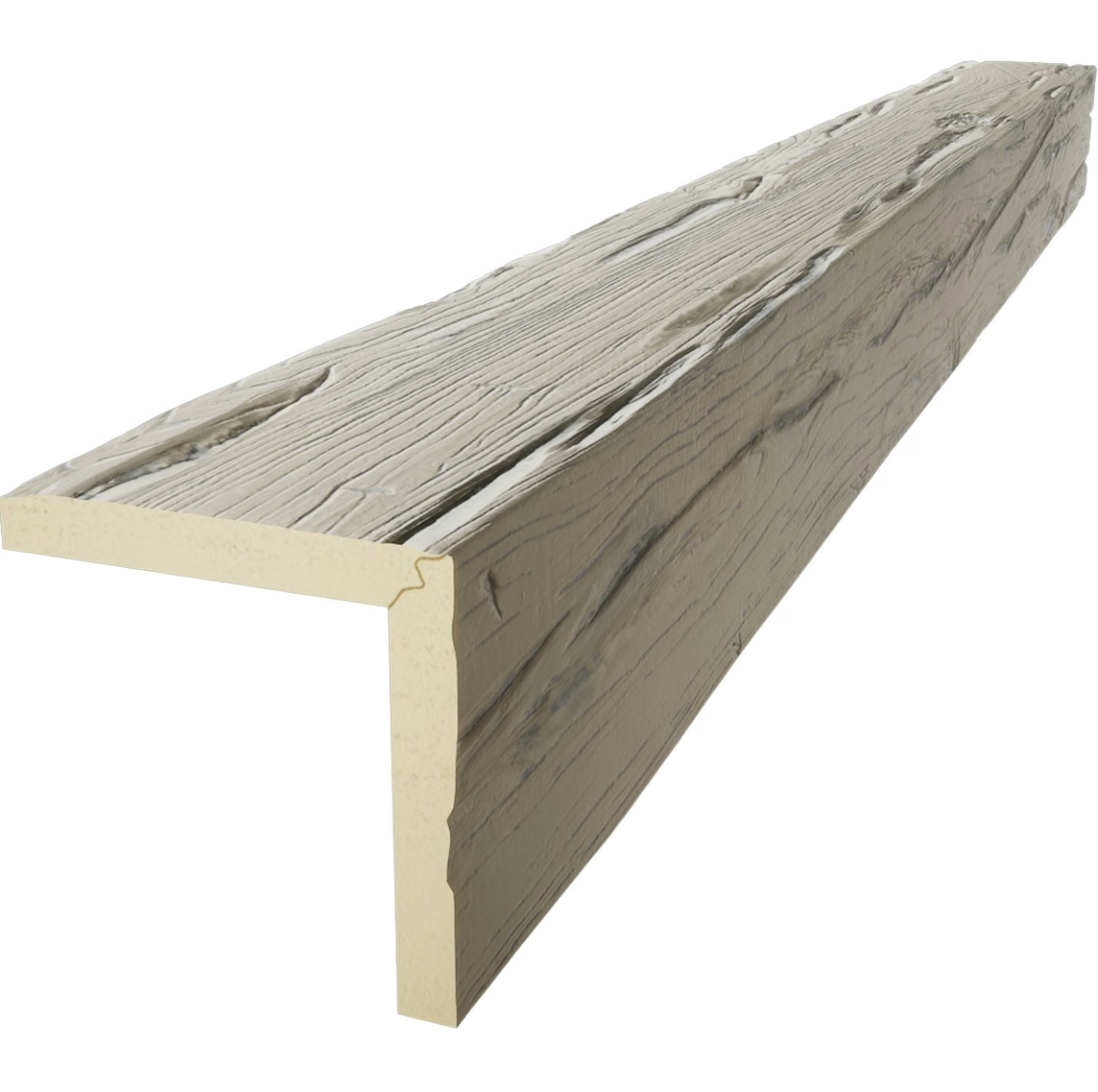
Architectural Styles and Beam Integration
New construction spans architectural styles from contemporary minimalism to traditional formal designs, each requiring different beam treatments. Planning beam installations with style direction in mind ensures coherent results that reinforce rather than contradict design intentions.
Contemporary homes benefit from clean-lined beam profiles with minimal texture. These beams provide architectural interest through proportion and placement rather than ornate detailing. The simplicity complements contemporary design language while avoiding visual complexity that would conflict with minimalist aesthetics.
Traditional and transitional homes might feature beams with more pronounced profiles and visible wood grain textures. These details contribute to the crafted quality traditional design values while maintaining contemporary relevance in finish and proportion.
Farmhouse and rustic-inspired new homes embrace beams with character—distressed textures, natural finish variations, perhaps hand-hewn or reclaimed appearance. These beams feel authentic to the design direction while being installed with modern efficiency.
Coordinating With Other Finish Materials
New home construction involves countless material selections that must coordinate coherently. Ceiling beams interact with flooring materials, wall finishes, trim work, and other architectural elements in ways that planning should address.
Wood flooring of any species pairs naturally with wood-look beams, creating material continuity that pulls interior design together. When floor and ceiling feature complementary wood tones, the relationship between planes creates spatial coherence that unified design language reinforces.
Trim work throughout the home should coordinate with beam appearance. If interior trim features painted finishes, beams might be painted to match for unified treatment. If trim emphasizes wood species and grain, beams with matching appearance maintain this material focus throughout the home.
Return on Investment for Builders and Buyers
New home builders weigh every feature against cost and market appeal. Ceiling beams represent features that add perceived value disproportionate to their material and installation cost. Buyers recognize architectural details that transform ordinary spaces into memorable environments, and beams deliver this transformation effectively.
The durability advantage of faux wood beams protects builder reputation by eliminating maintenance issues that might emerge after occupancy. Homes that maintain their designed quality without requiring repair or touch-up reinforce the builder's quality positioning in competitive markets.
Buyers paying premium prices for new construction expect premium features. Ceiling beams satisfy this expectation while demonstrating the attention to detail that distinguishes quality building from commodity construction. The architectural investment signals builder commitment that resonates with discerning buyers.
Technical References
ASTM standards cited in every specification
Test Data
Lab results from internal testing program
Updated 2026
Reviewed against current product specs