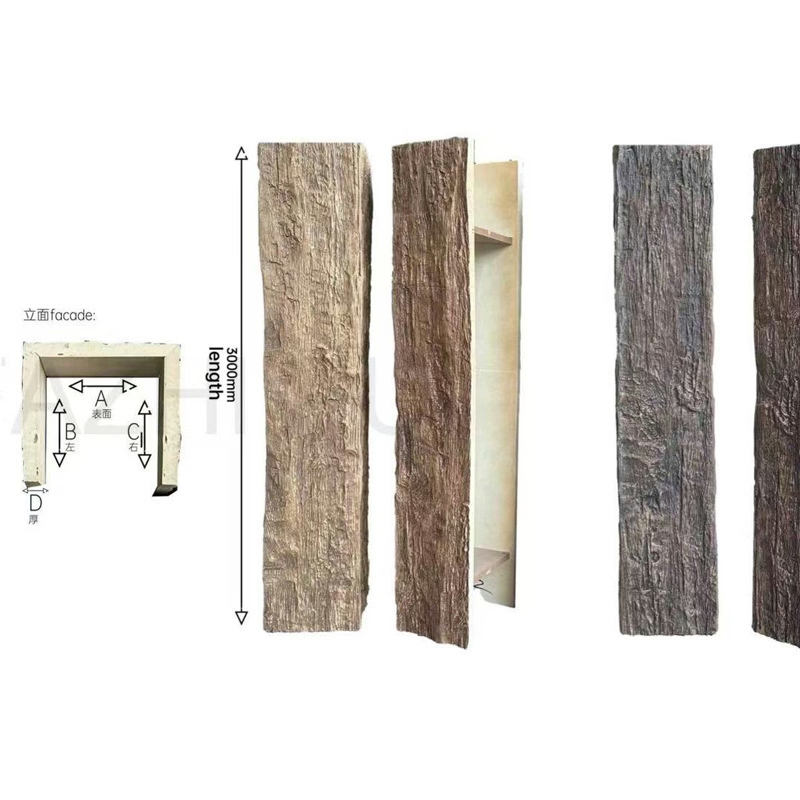
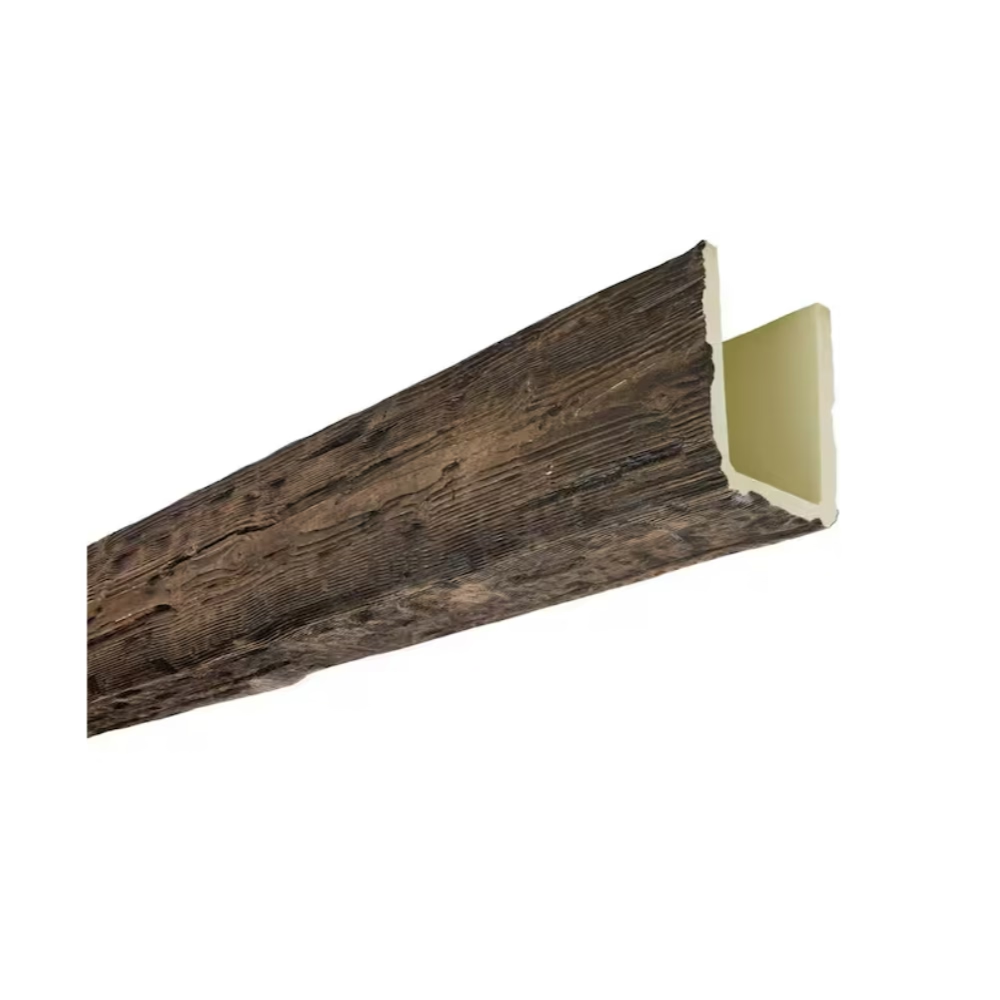
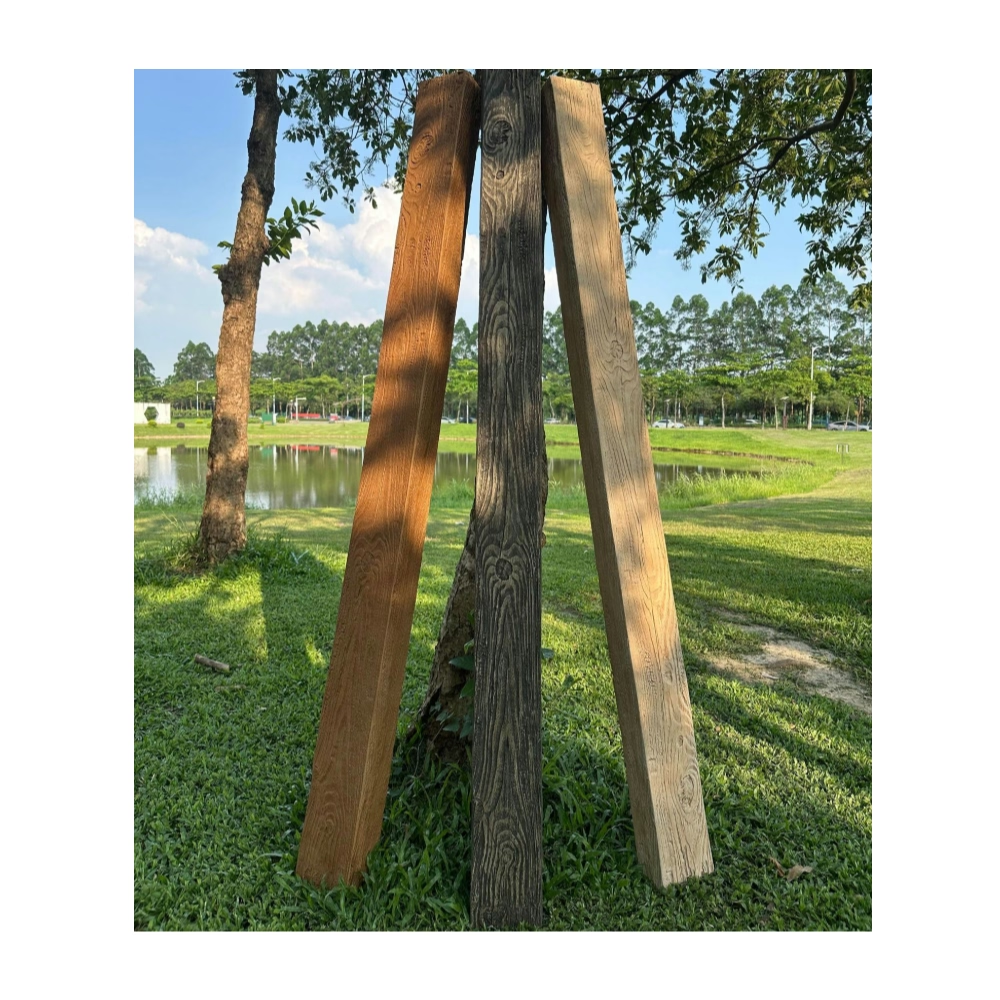
Outdoor living spaces have become essential extensions of the home, with homeowners investing significantly in patios, decks, and pergolas that transform backyards into additional living areas. Pergolas provide vertical definition and partial shade that makes outdoor spaces usable throughout more of the day, but their architectural character depends largely on the beams that form their primary visual element. Natural wood beams that would traditionally form pergola structure face significant challenges in outdoor environments—challenges that polyurethane faux wood beams address elegantly.
The appeal of a well-designed pergola extends beyond pure aesthetics. These structures create outdoor rooms that blur the boundary between interior comfort and exterior freedom, allowing homeowners to enjoy fresh air while sheltered from direct sun. When the beams defining this outdoor room bring warmth and crafted character, the pergola becomes a destination rather than merely an architectural feature.
Outdoor Material Challenges
Outdoor structures face environmental challenges far more demanding than interior applications. Sun exposure, precipitation, humidity variations, temperature extremes, and biological threats like insects and mold all affect materials differently, with organic materials generally suffering most severely.
Natural wood pergola beams exemplify these challenges. Even pressure-treated lumber eventually shows signs of weathering—splitting, checking, warping, and color fading that compromise both appearance and structural integrity. The maintenance burden of keeping natural wood beams attractive in outdoor conditions frustrates homeowners who installed them expecting years of enjoyment.
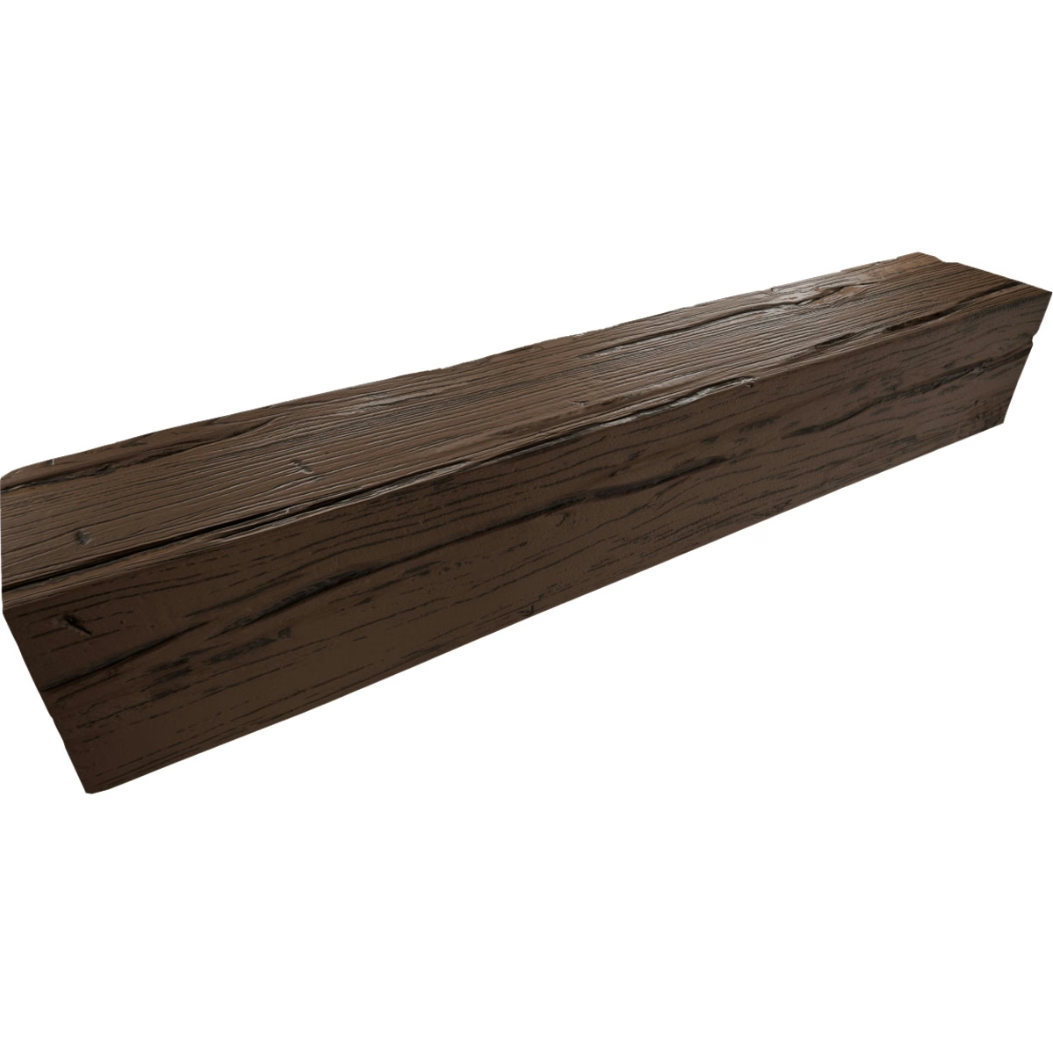
Polyurethane faux wood beams engineered for outdoor use resist these environmental factors with remarkable effectiveness. UV stabilizers prevent the sun damage that causes natural wood to gray and deteriorate. Closed-cell construction prevents water absorption that leads to swelling, warping, and freeze-thaw damage. The material does not provide food source for insects or support for mold growth that affects organic alternatives.

Weather Resistance Engineering
Quality outdoor-rated polyurethane beams incorporate specific engineering to handle environmental exposure. Understanding these engineering principles helps homeowners evaluate products and select options appropriate for their climate and exposure conditions.
UV resistance ensures beams maintain their color and surface integrity despite years of sun exposure. The same radiation that causes natural wood to fade and become brittle affects plastics and synthetic materials differently, with properly stabilized materials maintaining performance far exceeding natural wood longevity.
Thermal cycling resistance addresses the expansion and contraction that temperature variations create. Materials that become brittle in cold or soft in heat cannot maintain the dimensional stability outdoor applications require. Polyurethane formulations designed for exterior use maintain appropriate flexibility across the temperature ranges local climates produce.
Moisture resistance extends beyond simple water exposure to include humidity, condensation, and the freeze-thaw cycles that amplify water damage. When water penetrates materials and freezes, the expansion forces create internal damage that accumulates over multiple cycles. Closed-cell polyurethane prevents this water penetration entirely.
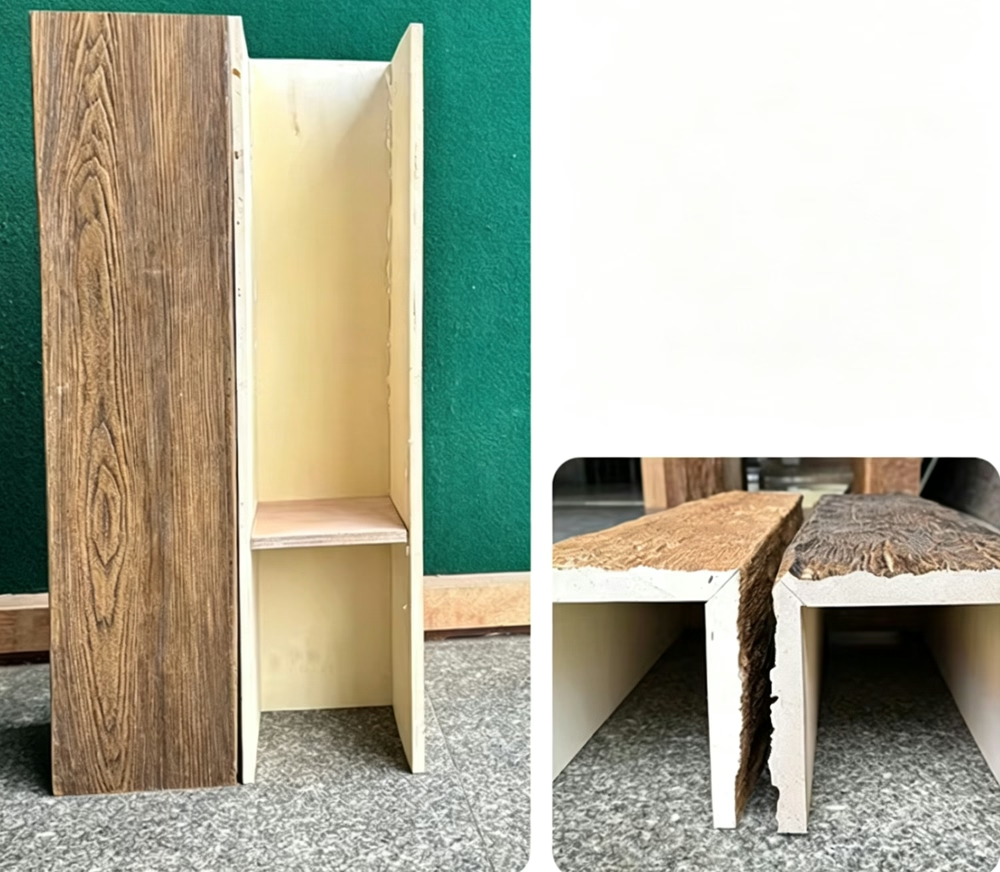
Pergola Style Coordination
Pergolas serve diverse aesthetic purposes depending on surrounding landscape design and architectural context. Beam selection should reinforce rather than contradict the overall design direction.
Mediterranean and Spanish Colonial inspired landscapes often feature pergolas with substantial beams that create substantial shade and reinforce the rustic character these styles value. Beams with pronounced texture and warm tones complement tile roofs, stucco walls, and drought-tolerant plantings typical of these design approaches.
Contemporary landscapes featuring clean lines and geometric simplicity require pergolas that echo this modern character. Smooth-finished beams in neutral colors, perhaps integrated with metal support elements, maintain the contemporary aesthetic while providing the shade and structure outdoor living requires.
Cottage and garden style landscapes benefit from pergolas with more romantic, informal character. Lighter beam profiles, perhaps with gentle curves or decorative details, support the garden-inspired plantings and informal furniture these landscapes feature.
Installation Best Practices
Outdoor beam installation requires attention to specific factors that interior applications need not consider. Proper technique ensures the finished pergola maintains its appearance and structural integrity despite environmental exposure.
Ventilation beneath beams allows air circulation that promotes drying after precipitation. Beams installed in enclosed configurations that trap moisture suffer accelerated degradation regardless of material quality. Design pergola structures with drainage and ventilation in mind.
Mounting systems must accommodate thermal movement that occurs with temperature variations. Fixed attachments that prevent movement stress create forces that eventually cause failure. Quality outdoor installations include provisions for controlled movement while maintaining secure attachment.
Flashing and sealing at beam connections prevent water penetration into structural elements. Even water-resistant beams benefit from connections designed to direct water away from vulnerable areas. This attention to detail ensures long-term performance in exposed conditions.
Maintenance Advantages
The maintenance burden of outdoor structures directly affects homeowner satisfaction over time. Features requiring constant attention become sources of frustration rather than enjoyment, while low-maintenance options support the relaxed outdoor living these spaces enable.
Polyurethane faux wood beams require only occasional cleaning to maintain their appearance. Annual washing removes accumulated dust, pollen, and environmental particles without specialized equipment or cleaning products. The sealed surface does not absorb stains or support biological growth that would demand more intensive attention.
Unlike natural wood that might require sanding, staining, or sealing to maintain appearance, polyurethane beams preserve their factory-finished quality indefinitely. This absence of maintenance requirements distinguishes the outdoor living experience, allowing homeowners to focus on enjoyment rather than upkeep.
Cost-Benefit Analysis
Outdoor structure investments must account for both initial cost and ongoing maintenance expenses. While polyurethane beams might carry higher initial cost than pressure-treated lumber, the total cost of ownership often favors the synthetic alternative when maintenance expenses accumulate over years of service.
Natural wood pergola maintenance includes periodic inspection for damage, cleaning, and the eventual refinishing or replacement that environmental exposure requires. These expenses, multiplied across the expected service life, often exceed the initial savings that natural wood provides.
Polyurethane beams also avoid the replacement costs that natural wood eventually requires. When weathered beams detract from outdoor living rather than enhancing it, homeowners face the expense and disruption of replacement—costs the initial investment in quality faux wood eliminates.
Technical References
ASTM standards cited in every specification
Test Data
Lab results from internal testing program
Updated 2026
Reviewed against current product specs