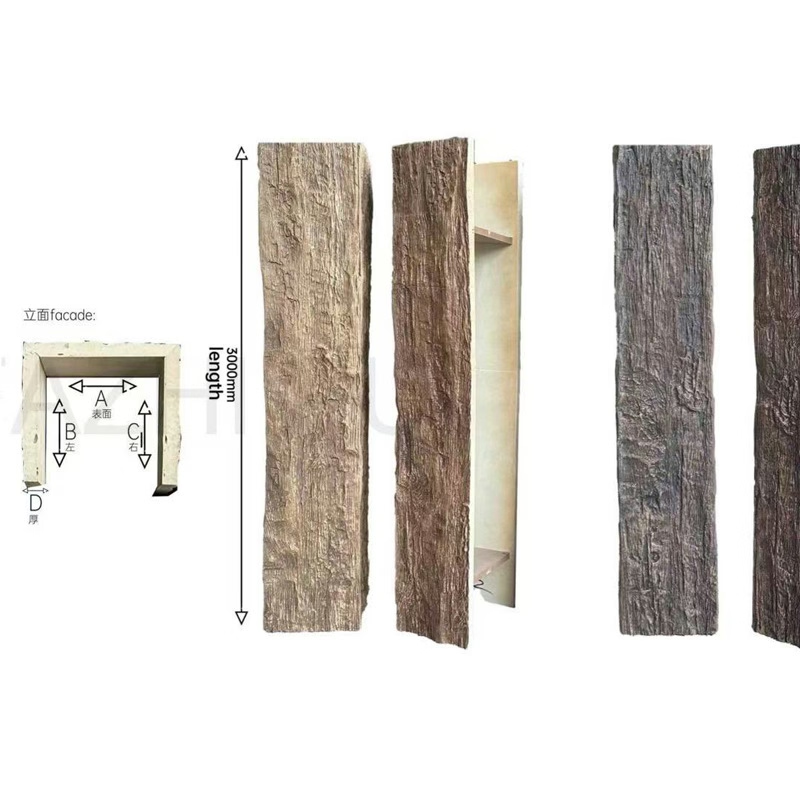
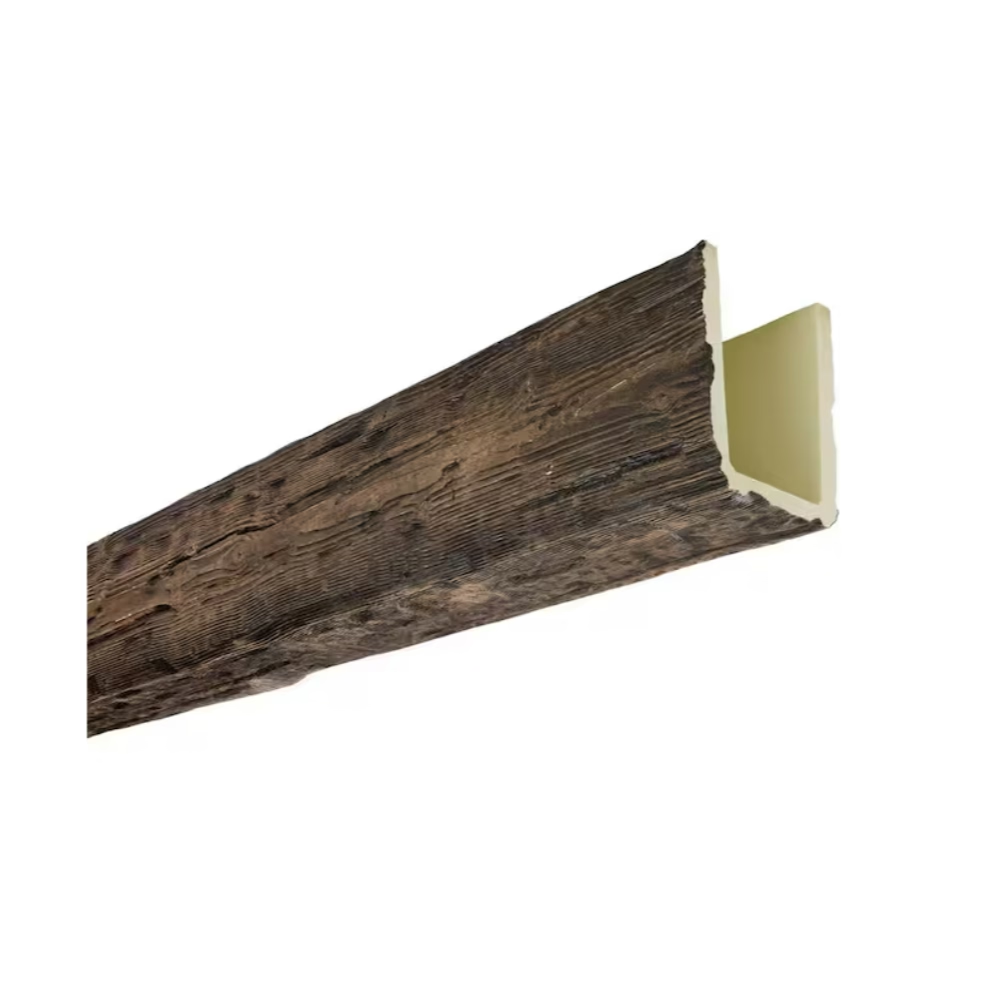
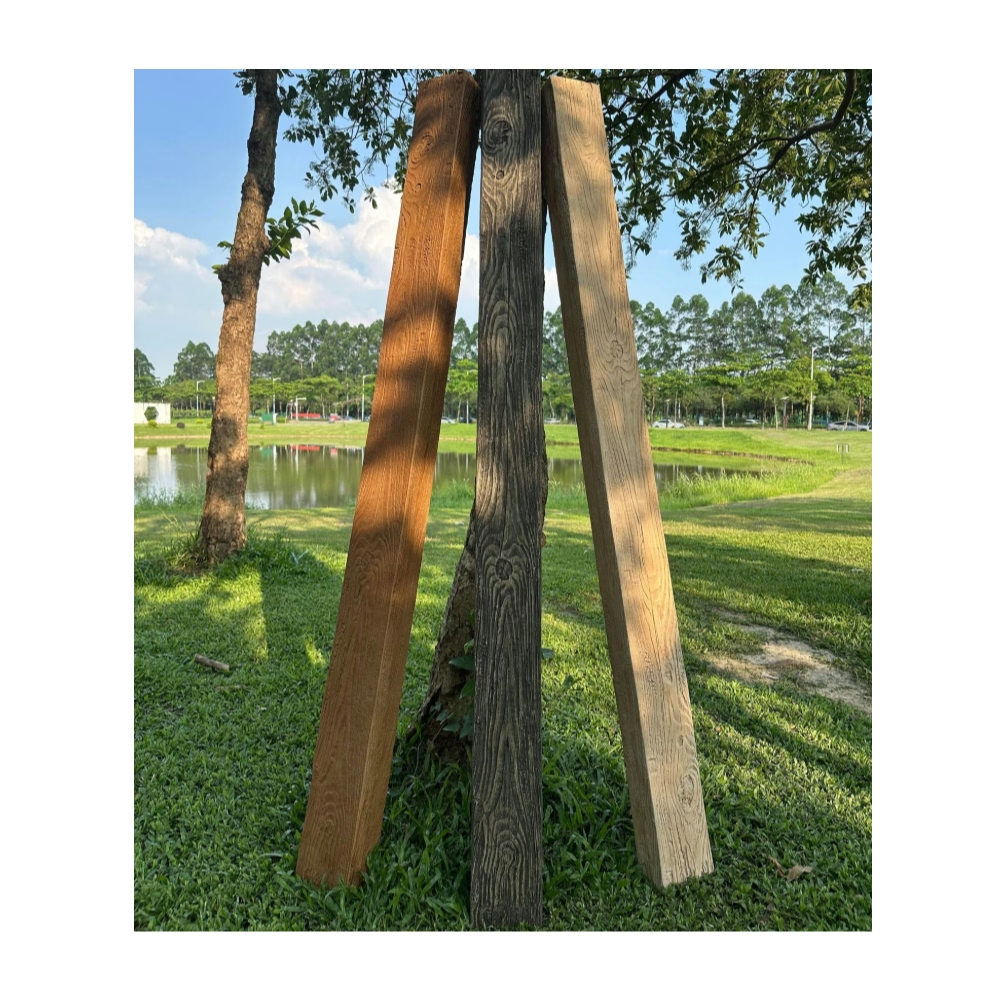
Ceiling beam installations face elevated exposure to pest activity in many building configurations. High mounting positions complicate inspection and treatment, while structural connections to roof systems can provide pest entry points. Termite-proof polyurethane faux ceiling beams eliminate these concerns, providing permanent decorative solutions that require no ongoing pest management.
Ceiling Beam Vulnerability Factors
Ceiling beams occupy positions that complicate both inspection and treatment access. While floor-level wood can be examined and treated without major disruption, ceiling elements typically require scaffolding or lifts for proper access. This difficulty means ceiling infestations often escape notice until substantial damage occurs.
Structural wood components supporting ceiling beams create potential pest pathways. Roof framing connections, bearing points, and concealed spaces may harbor termite activity that remains invisible until catastrophic failure occurs. Synthetic ceiling beams eliminate these hidden vulnerability points entirely.
Moisture accumulation in ceiling cavities promotes fungal decay that complements termite damage. Inadequate ventilation, roof leaks, or condensation create conditions favorable for biological degradation. Polyurethane's moisture resistance prevents this secondary damage pathway that affects natural wood.
Permanent Installation Benefits
Ceiling installations demand permanence that floor or wall applications don't require. Climbing to inspect or treat ceiling elements represents substantial effort that discourages regular attention. Installing permanent synthetic alternatives eliminates this burden, providing worry-free ceilings that never require pest-related attention.
Accessibility limitations that complicate treatment actually work in favor of synthetic alternatives. Since maintenance access proves difficult, materials that require no maintenance provide clear advantages. This accessibility reality reinforces specification decisions favoring permanent synthetic solutions.
Visual prominence makes ceiling elements highly visible failure points if pest damage occurs. Even minor termite activity on ceiling beams creates disproportionate visual impact that affects entire room perception. Pristine synthetic alternatives ensure ceiling appearance never deteriorates regardless of environmental conditions.

Design Approaches for Ceiling Applications
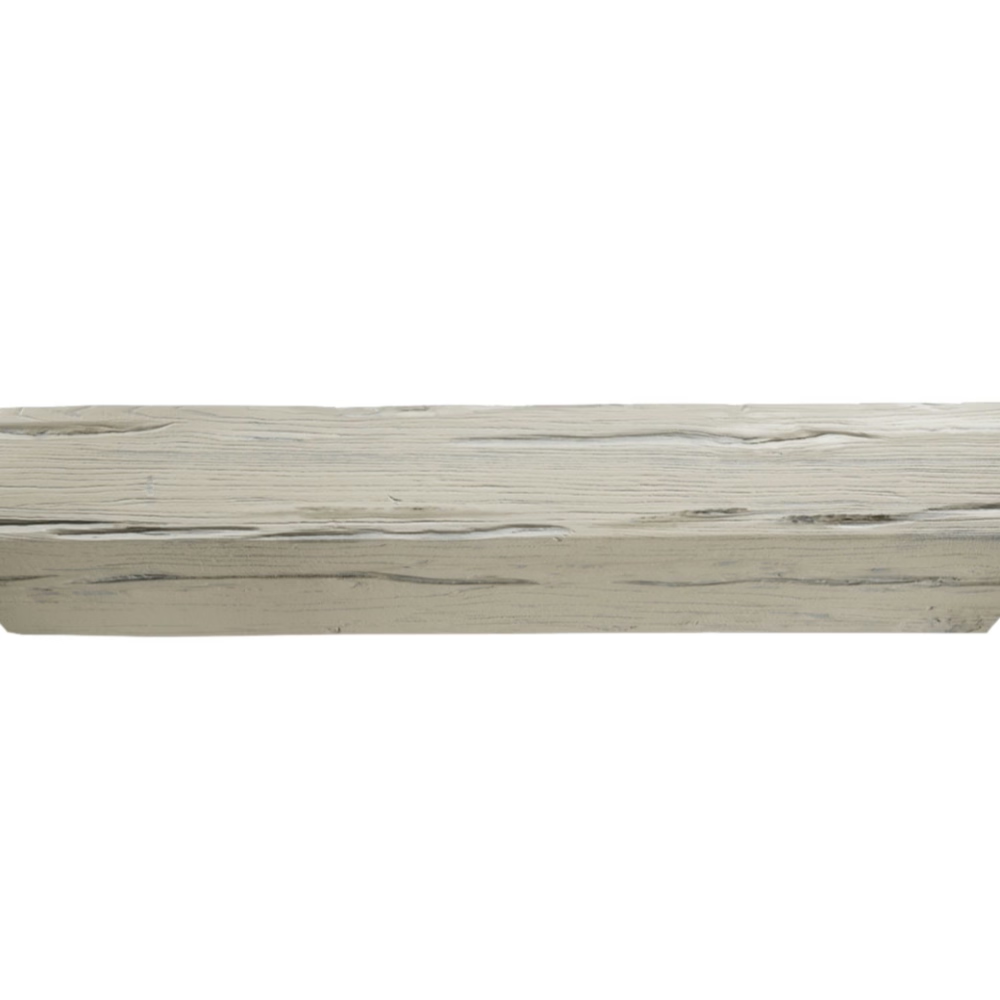
Structural appearance versus purely decorative treatment affects installation methods. Beams intended to read as load-bearing require appropriate profile proportions and mounting approaches. Lighter decorative beams offer different aesthetic opportunities while requiring different installation considerations.
Pattern configurations create different visual effects across ceiling planes. Single accent beams differ dramatically from symmetrical patterns, cross-beam grids, or herringbone arrangements. Each configuration creates distinct visual character that should align with overall room design intent.
Scale relationships between ceiling height and beam size affect visual impact substantially. Cathedral ceilings with dramatic height can accommodate substantial beams, while standard eight-foot ceilings require more restrained sizing. Design guidelines suggest beam depth approximately one-twelfth to one-sixth of ceiling span.
Integration with Lighting Systems
Recessed lighting integration requires coordination between beam placement and fixture locations. Beams crossing planned fixture positions create conflicts that complicate installation. Identifying lighting layouts during design development enables beam positioning that accommodates illumination requirements.
Light fixture attachment to beams requires appropriate mounting provisions. Weight limitations for non-structural beams may preclude heavy fixtures without supplemental support. Pre-planning fixture types and weights enables appropriate beam specification for load requirements.
Ambient lighting effects change how beams read within spaces. Backlit beams create different impressions than front-illuminated surfaces, with dramatic shadow patterns affecting texture perception. Design development should consider lighting effects alongside structural and aesthetic requirements.

Moisture and Condensation Management
Ceiling cavities experience temperature differentials that create condensation risk. Warm interior air meeting cold ceiling surfaces can create moisture accumulation that affects materials above the finished ceiling. Polyurethane's moisture resistance prevents condensation-related damage, though proper ventilation remains important.
Ventilation improvements address underlying moisture issues regardless of beam material. Ensuring adequate air circulation in ceiling cavities prevents condensation accumulation that could affect structural elements even when decorative elements resist damage. Building envelope considerations complement material selection.
Seasonal temperature swings create cyclic condensation events that test material performance. Quality polyurethane formulations handle these conditions without degradation, maintaining dimensional stability and surface integrity through repeated thermal cycling. Premium products appropriate for challenging environments ensure lasting performance.
Termite-proof polyurethane faux ceiling beams provide permanent decorative solutions for interior ceiling applications. These installations deliver lasting timber aesthetics while eliminating pest concerns that complicate natural wood ownership, particularly in elevated positions where inspection and treatment access proves challenging.

Technical References
ASTM standards cited in every specification
Test Data
Lab results from internal testing program
Updated 2026
Reviewed against current product specs