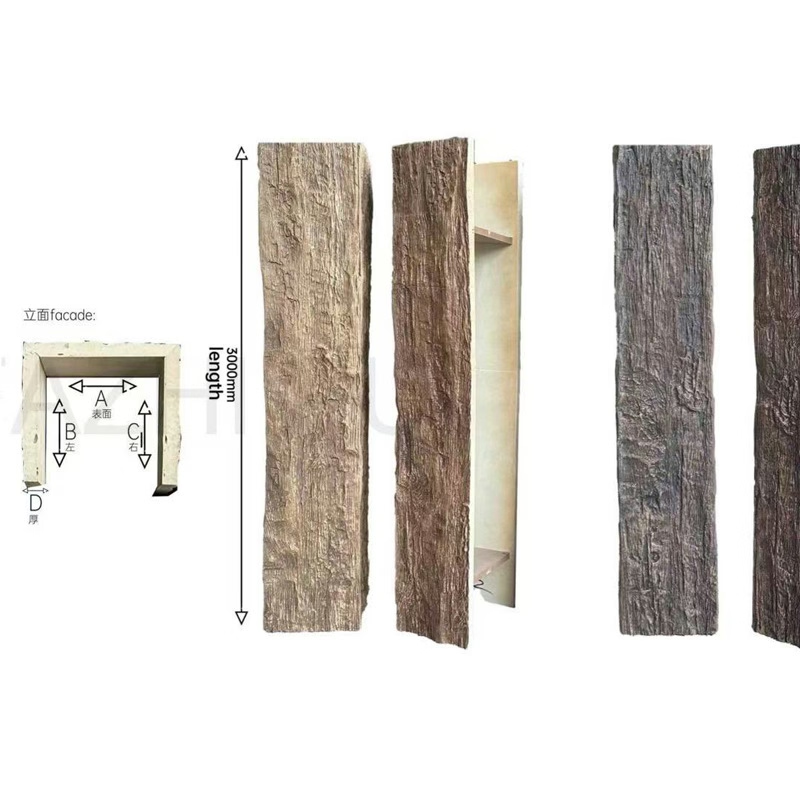
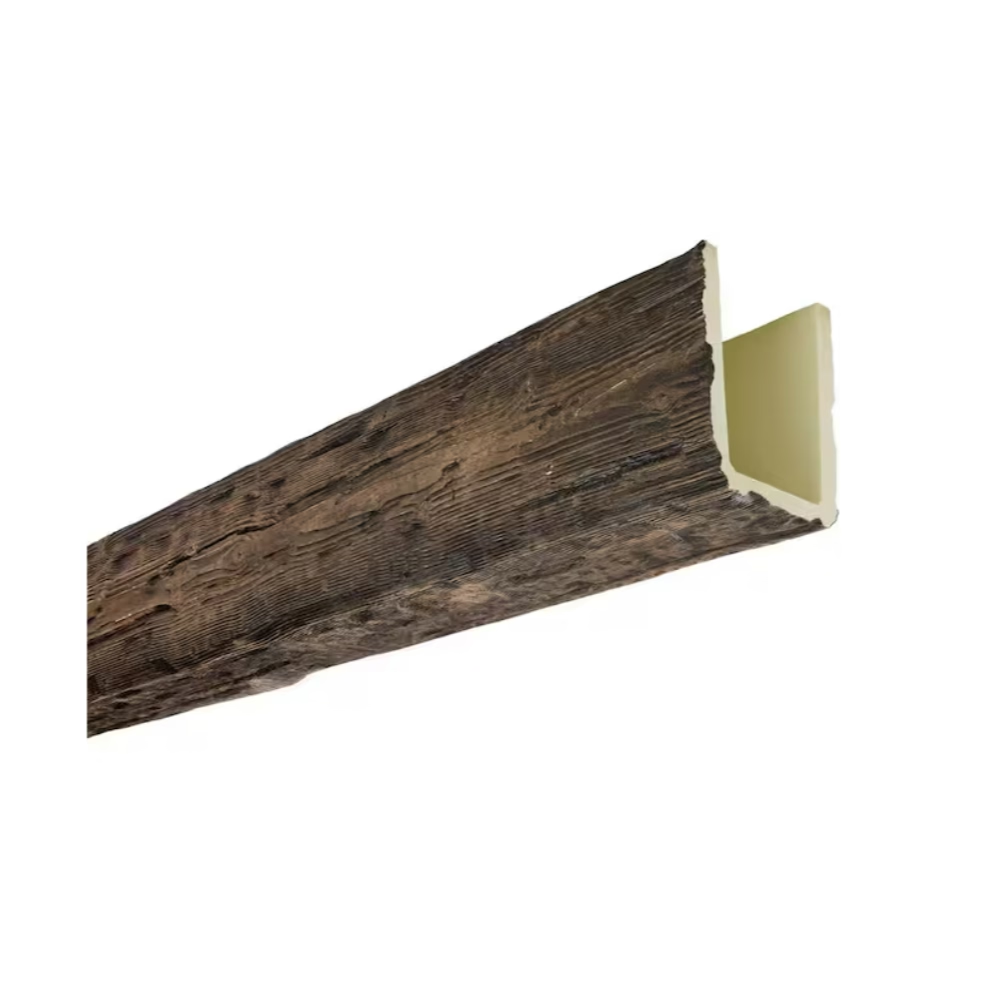
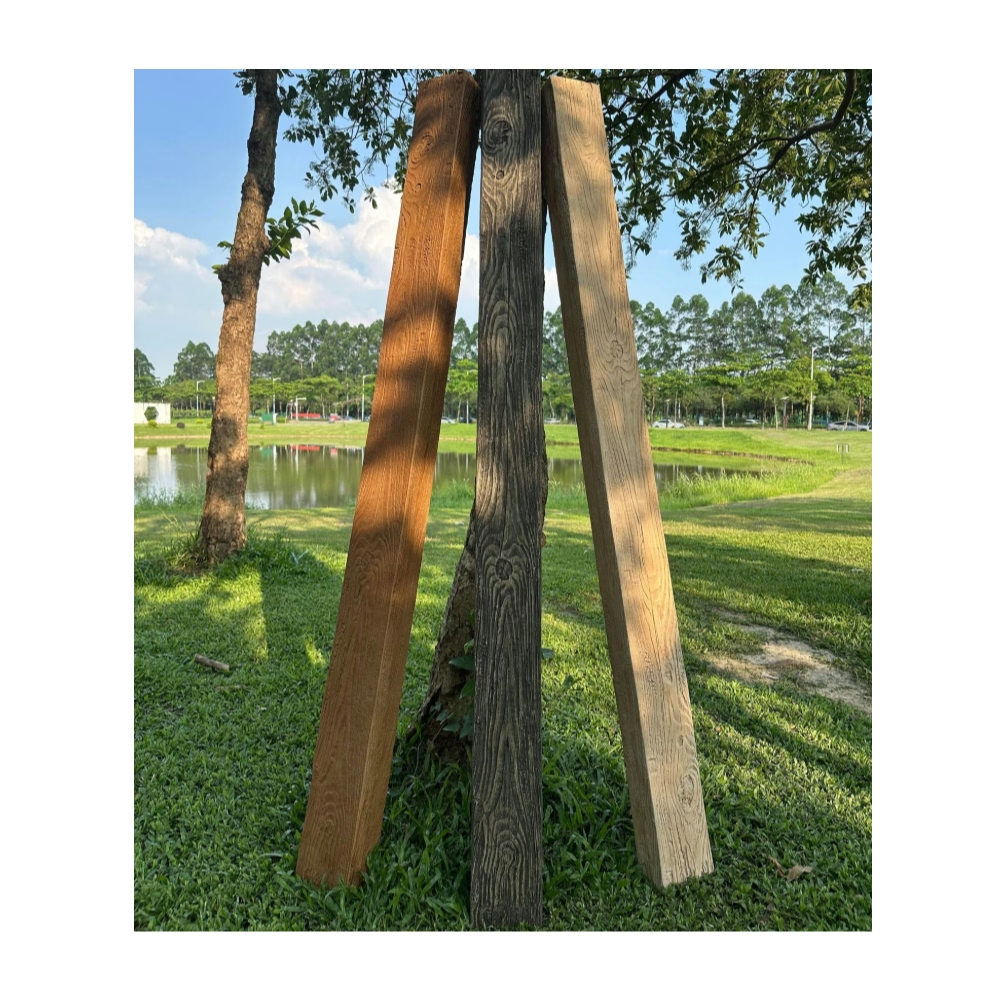
Classic homes speak a design language refined across generations, with architectural elements that have proven their worth through centuries of continued use. Adding to this established vocabulary requires sensitivity to traditional conventions while acknowledging contemporary realities. Timeless traditional style PU faux wood beams address both requirements, offering aesthetic contributions that feel authentic to traditional design while delivering practical performance that today's homeowners demand.
The challenge of adding traditional elements to classic homes often involves circumstances that original builders didn't face. Contemporary HVAC requirements, updated electrical systems, and changed lifestyle patterns create installation scenarios that traditional construction never anticipated. Beams that acknowledge these realities while maintaining traditional appearance serve contemporary needs without falsifying the architectural heritage that classic homes embody.
Traditional Character in Contemporary Contexts
Achieving traditional character in faux beam selection involves understanding what made original traditional beams compelling. It's not simply dimensional accuracy or surface appearance—it's the accumulated wisdom of traditional builders about proportion, placement, and relationship to other elements. This wisdom manifests in specific choices about beam sizing, spacing, and termination that communicate traditional character even when viewers cannot articulate why they find the results satisfying.
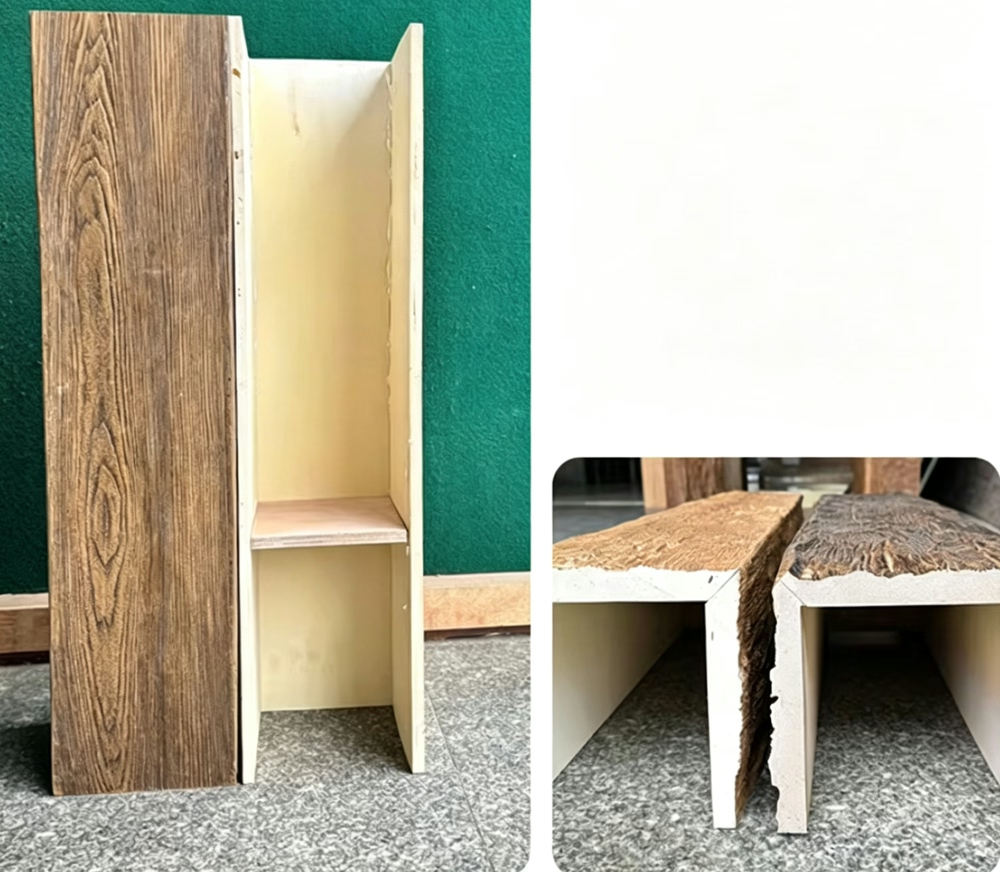
Texture in traditional beams results from original construction methods and subsequent aging rather than intentional treatment. Traditional dimensional lumber displayed saw marks, planer variations, and the natural inconsistencies of hand-hewn surfaces. Later beams exhibited characteristics of the machines that produced them. Authentic traditional faux beams should suggest these origins without precisely replicating them—creating the impression of history rather than pretending to provide it.
Color in traditional contexts rarely involved the uniform staining common in modern wood finishing. Traditional timber exhibited color variations based on species, grain orientation, and exposure history. Quality faux beams capture this natural variation, avoiding the flat, even coloration that reads as obviously artificial. The complexity of traditional wood coloration requires sophisticated finishing techniques that budget products typically lack.
Classic Home Applications and Considerations
Living rooms in classic homes often benefit most from beam addition, with ceiling beams establishing a sense of architectural significance that supports furniture arrangement and activity zoning. Beams in these spaces should be substantial enough to establish presence while avoiding overwhelming furnishings that may include treasured antiques. The relationship between beams and other traditional elements—molding, built-ins, fireplace surrounds—should feel considered rather than competitive.
Dining rooms present different opportunities, with beams potentially framing the dining area specifically or treating the entire ceiling uniformly. Formal dining rooms might feature beams that correspond to structural bays, creating architectural definition that elevates the space's significance. More casual dining spaces might incorporate beams more casually, contributing warmth without formality that would conflict with relaxed dining patterns.
Bedrooms traditionally received less architectural treatment than public spaces, but beam addition can elevate these intimate spaces above ordinary. Beams above bed positions create canopy-like definition that organizes sleeping areas while adding the warmth that makes bedrooms feel retreat-like rather than institutional. This bedroom-specific application demonstrates how traditional beams can serve contemporary needs while maintaining classical sensibilities.
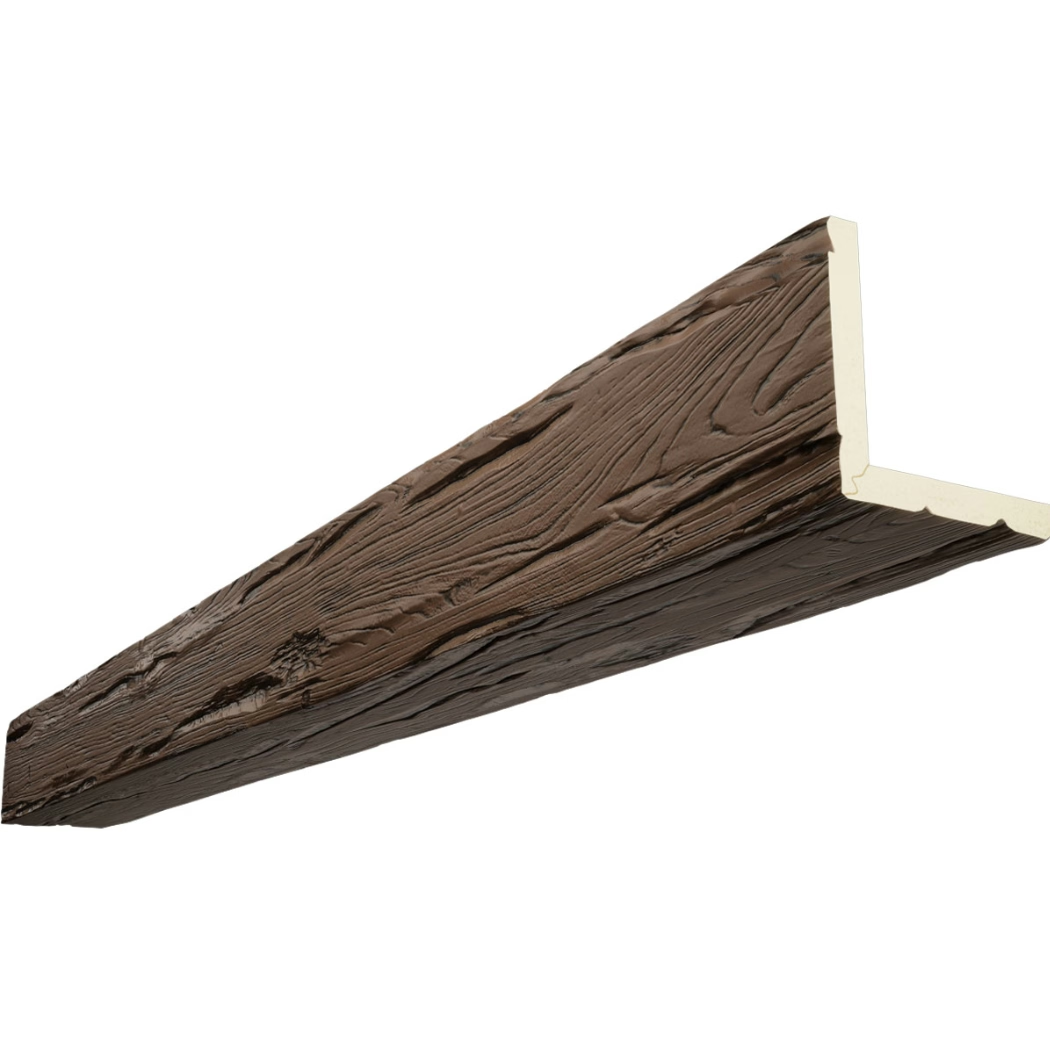
Coordinating Beams with Existing Architecture
Classic homes typically feature established architectural elements that beams must coordinate with successfully. Existing crown molding, ceiling medallions, chandelier mounts, and other ceiling treatments should relate to beam design in ways that feel intentional. This coordination might involve matching profile curves, maintaining proportional relationships, or creating visual hierarchies that establish beam importance without overwhelming existing features.
Wall-to-ceiling transitions require particular attention in classic homes. Traditional architecture managed these transitions through cornice work that created gradual visual movement from vertical to horizontal planes. Beams that terminate at walls should reference this traditional approach, creating transitions that feel architecturally resolved rather than awkwardly abrupt. Various treatments exist for managing these transitions; selecting the appropriate approach depends on specific wall and ceiling conditions.
Window and door trim coordination extends the beam relationship beyond ceilings to encompass entire room composition. Traditional homes often feature trim work of similar character throughout, with beams participating in this unified vocabulary. Selecting beams that relate to existing trim creates ensemble rather than collection, ensuring that beam addition enhances overall architectural coherence.
Traditional Beam Maintenance and Care
Traditional aesthetics demand traditional durability—the appearance of permanence that justifies the investment in classic design. PU faux beams serve this requirement through material properties that resist degradation that would undermine traditional intentions. A beam that shows wear after a few years fails the traditional test regardless of how convincing its initial appearance might have been.
Maintenance requirements for traditional beams should be minimal compared to genuine timber while achieving equivalent aesthetic longevity. The goal is appearance that seems to improve with age rather than requiring renewal to maintain acceptability. Quality polyurethane formulations resist UV degradation, impact damage, and moisture effects that might compromise traditional appearance over time.
Periodic inspection should verify continued secure attachment and absence of developing problems. While PU beams resist the moisture and pest concerns that affect timber, the substrate they cover may harbor conditions that eventually affect attachment security. Annual inspection catches developing issues early, enabling remediation before problems become significant.
Investment Value in Classic Home Applications
Classic home improvements should enhance both immediate livability and long-term property value. Beam addition that serves traditional design goals contributes to both dimensions, adding aesthetic value that homeowners enjoy daily while increasing property appeal to future buyers who appreciate classic architecture. The timeless approach to beam selection protects this investment by avoiding trend-driven choices that might date before resale occurs.
Quality considerations that affect long-term performance deserve attention during specification. Initial cost differences between premium and budget products often prove modest compared to replacement costs and installation disruption that lower-quality products may require. Selecting quality beams initially typically produces better lifetime value despite higher upfront investment.
Warranty coverage provides additional protection for classic home investments. Comprehensive warranty terms—including coverage for finish appearance rather than just structural integrity—indicate manufacturer confidence that supports purchase decisions. Understanding warranty coverage limits and procedures ensures that protection actually serves when needed.
Technical References
ASTM standards cited in every specification
Test Data
Lab results from internal testing program
Updated 2026
Reviewed against current product specs