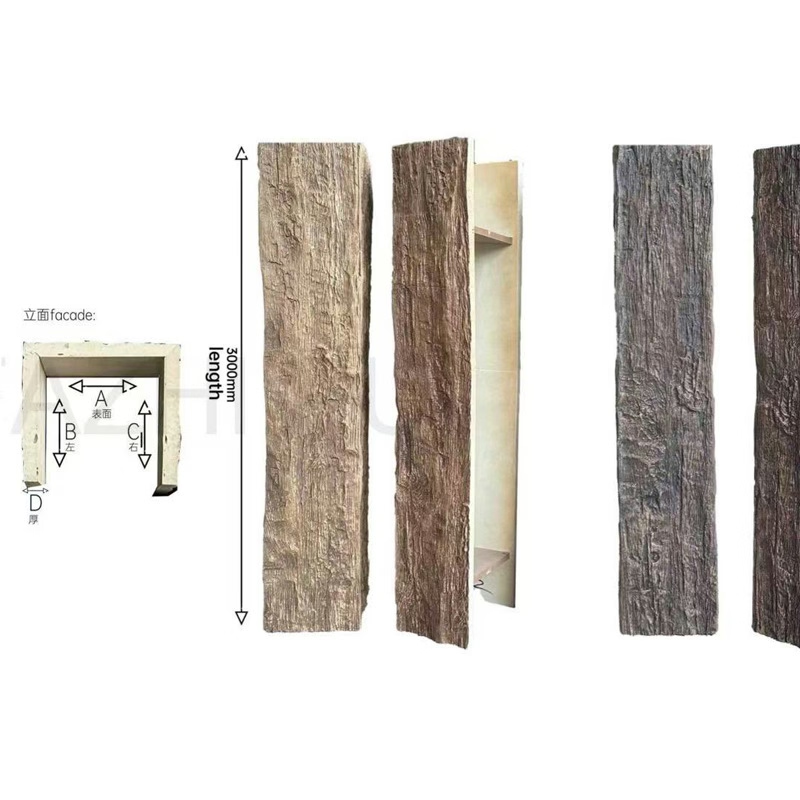
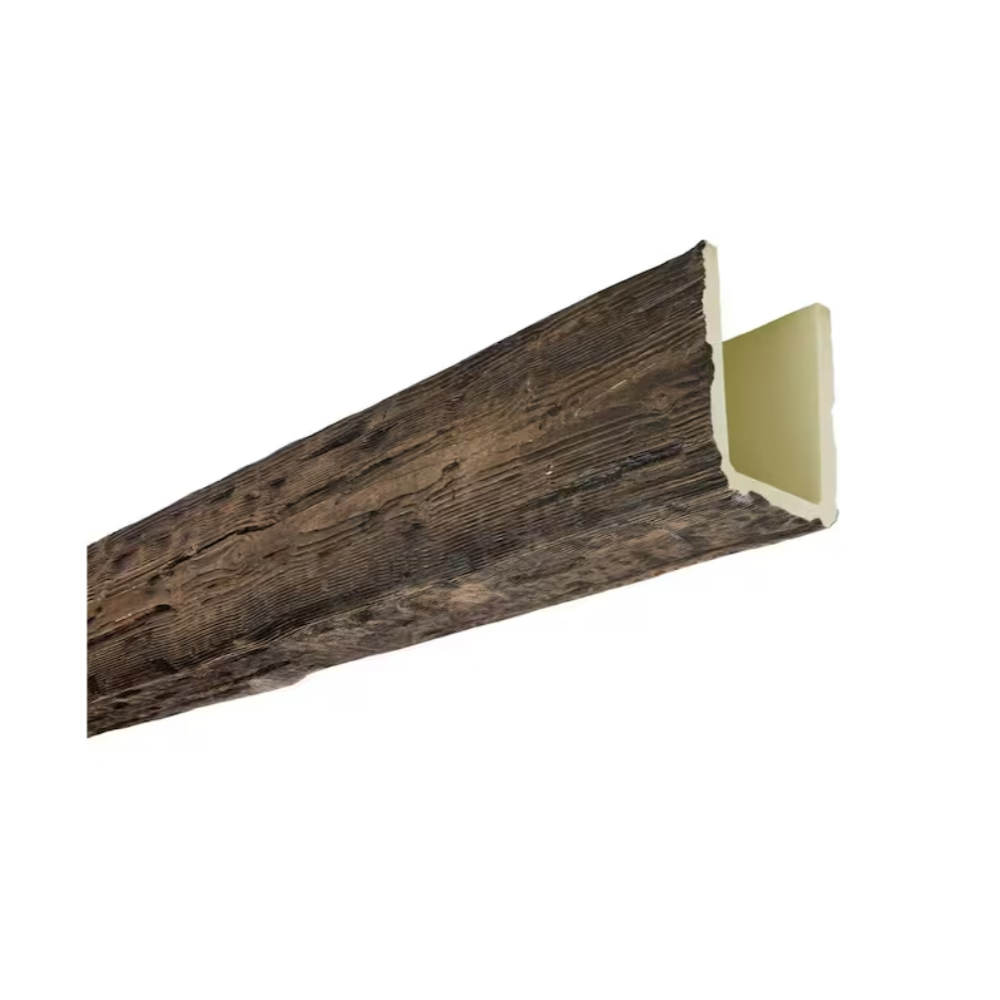
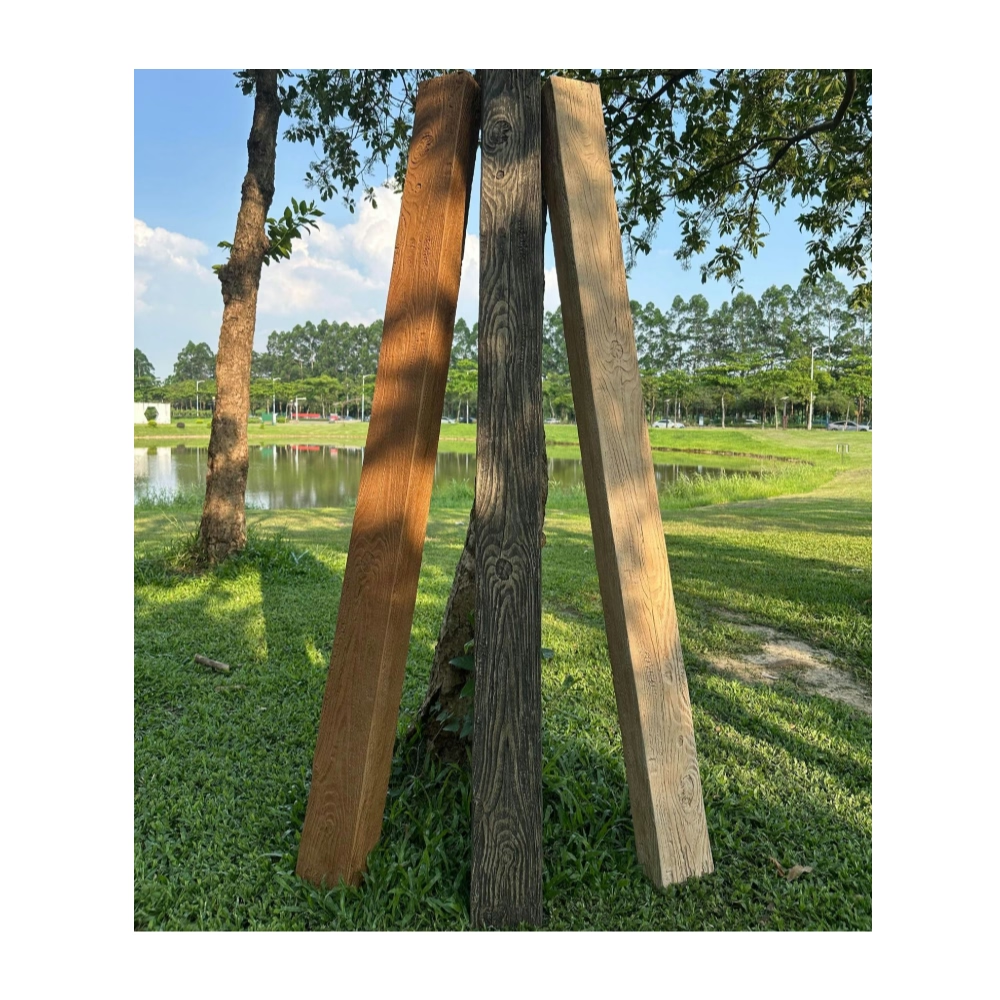
Renovation projects involving vintage properties require balancing respect for original construction with practical realities that original builders never anticipated. Adding period-appropriate ceiling beams can transform utilitarian modern ceilings into spaces that feel consistent with the home's heritage, but sourcing genuine period beams presents challenges: availability is uncertain, dimensions rarely match requirements, and the condition of salvaged material may prove disappointing upon close inspection. Timeless vintage polyurethane faux beams resolve these tensions, providing authentic appearance with guaranteed availability and consistent quality.
The authenticity dimension matters particularly in renovation contexts where achieving period-appropriate results determines project success. Beams that appear obviously modern—regardless of how attractive they might be on their own terms—undermine renovation goals by creating visual contradiction rather than historical coherence. Vintage polyurethane beams designed with attention to period details serve renovation objectives by contributing convincing period character that supports the overall design intent.
Understanding Period Authenticity
Period authenticity in ceiling beams involves more than simple wood appearance. Different eras employed different construction methods, different species preferences, and different aesthetic standards that affect beam character significantly. Victorian beams differ from Colonial Revival beams; Craftsman period beams differ from both. Understanding these differences helps specifiers select beams appropriate for specific renovation contexts rather than generic faux wood appearance that might satisfy no particular historical reference.
The aging process that genuine period beams exhibit provides important clues about appropriate appearance. Old timber shows evidence of extended exposure to light, temperature variation, and use patterns that create complex visual character impossible to manufacture artificially without careful study. Quality vintage faux beams reference these aging patterns, creating appearances that suggest genuine history rather than pretending to provide it. The distinction matters because design professionals and educated observers can detect obvious fakery that undermines project credibility.
Provenance references—where beams supposedly originated—affect appropriate appearance specification. Beams from barns display different character than those from warehouses, factories, or residential construction. Each source type involves different wood species, different treatment, and different aging conditions that create distinctive appearances. Matching faux beam appearance to appropriate provenance reference creates more convincing results than generic vintage character that references no specific origin.
Renovation Applications and Techniques
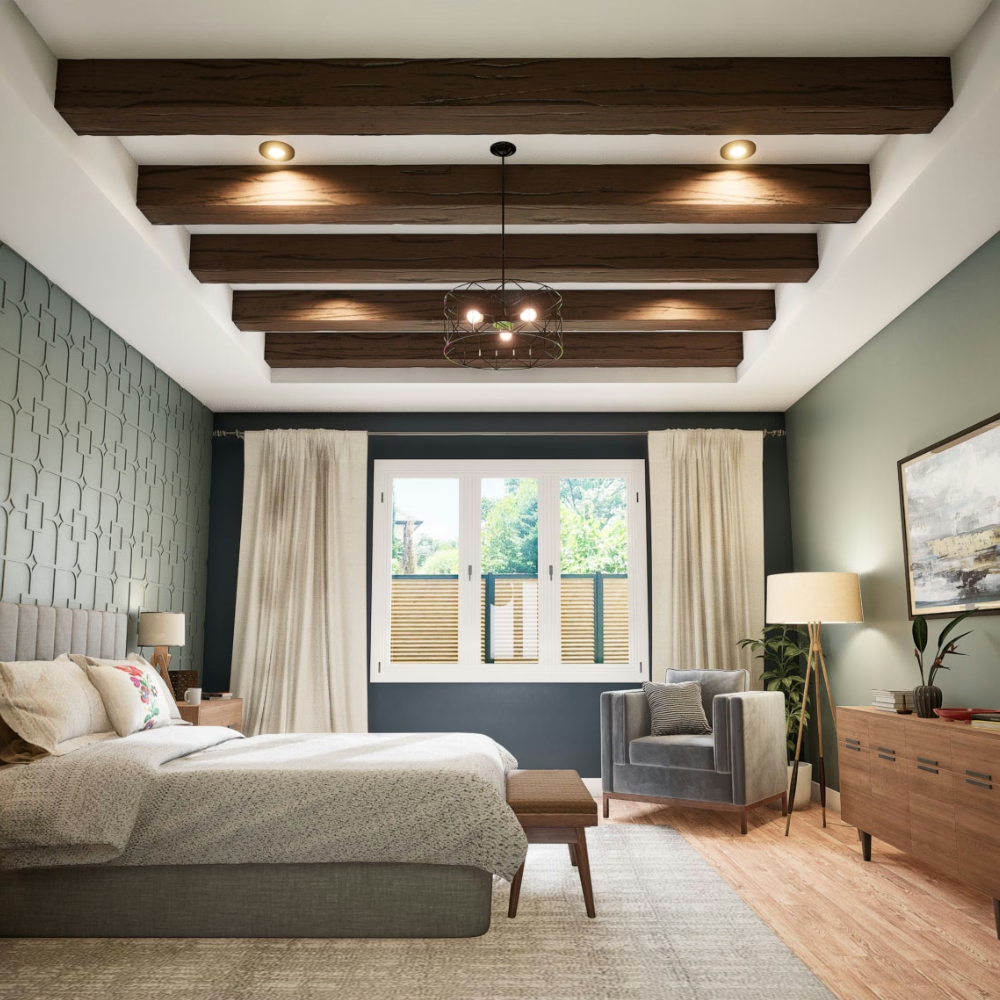
Full ceiling treatment in renovation applications creates complete transformation but requires substantial investment in both material and installation. This comprehensive approach works best when existing ceiling conditions justify treatment or when design goals require uniform vintage character throughout. The investment returns commensurate value when executed well, creating spaces that feel authentically period despite contemporary construction methods beneath the surface.
Partial ceiling treatment offers alternative approaches that treat only significant ceiling areas. This selective treatment might address room centers while leaving peripheral areas untreated, create beam grids that define activity zones, or treat only those ceiling areas visible from primary viewing positions. Partial treatment requires careful design to avoid appearing incomplete, but the resulting compositions can be quite sophisticated when executed thoughtfully.
Beam placement relative to existing structure influences both appearance and installation approach. Authentic period installations typically reflected structural realities, with beams running perpendicular to joists or following structural bay divisions. Adding beams that respect these conventions creates more convincing results than arbitrary placement that might suit contemporary aesthetics but violates period practice. Understanding traditional beam placement enables renovation approaches that feel authentic without requiring restoration of original structural conditions.
Texture Development for Vintage Appearance
Vintage wood texture involves multiple overlapping characteristics that developed over extended time. Saw marks from original milling create consistent patterns across beam surfaces; planer marks from later surfacing overlay these earlier marks in perpendicular orientations. Hand-hewn surfaces display characteristic tool marks quite different from machine-produced textures. Quality vintage faux beams capture these layered histories, creating textures that reward close inspection while reading correctly from normal viewing distances.
Checking and cracking in vintage timber results from drying stresses that developed over years of exposure. These separations follow grain patterns and create visual interest through shadow and highlight. The distribution of checking matters—some beams check extensively while others in the same vintage might show minimal separation. Replicating this natural variation requires texture development that includes checking as a standard feature rather than an occasional addition.
Knot character in vintage timber differs from new wood due to the age and growth conditions of older timber. Old-growth lumber produced knots that are typically smaller and tighter than modern fast-grown material. The grain around these knots swirls in patterns reflecting decades of slow growth. Matching faux beam knot characteristics to appropriate period creates more convincing authenticity than generic knot reproduction.
Color and Finish for Vintage Interiors
Vintage wood colors result from multiple processes: original staining or painting, subsequent weathering, oxidation, and accumulated patina from handling and use. Authentic vintage color development requires understanding these processes and creating appearances that suggest this layered history without precisely documenting any specific history. The resulting coloration should feel inevitable given imagined prior conditions rather than arbitrary or convenient.
Finish application for vintage beams typically involves multiple layers of color with selective removal to create depth and complexity. Base colors establish overall tone; subsequent layers add highlights and lowlights that create dimensional interest; final treatment dulls surfaces to appropriate matte levels. This finishing process requires skill and time investment that budget products cannot afford, explaining why quality vintage beams cost more than simple faux alternatives.
Sheen levels in vintage contexts should fall toward matte rather than gloss. High-gloss vintage wood appears obviously wrong regardless of how convincing other aspects might be; the accumulated wear and weathering of genuine period timber creates surfaces that reflect light diffusely rather than creating distinct highlights. Quality faux beam finishing respects this relationship, producing matte surfaces that participate authentically in vintage compositions.

Coordinating with Other Period Elements
Vintage beam installation should feel like natural development of existing period elements rather than introduction of foreign material. Wall trim, flooring, built-ins, and other period features establish vocabulary that beams should speak fluently. This coordination might involve matching grain direction, relating finish colors, or incorporating trim details that appear elsewhere in the room. The goal is ensemble where beams feel like they belong rather than being added.
fireplace surrounds and mantels often feature prominent wood elements that beams should complement. The relationship might involve matching finish character, coordinating ornament vocabulary, or maintaining proportional relationships that create visual harmony. Attention to these relationships distinguishes thoughtful period renovation from careless addition of potentially attractive but contextually inappropriate elements.
Furniture and textiles interact with ceiling beams through color and style relationships. Vintage beams in warm tones complement leather, velvet, and other traditional upholstery materials; cooler tones might suit different furniture styles. Considering these relationships during beam selection ensures that final compositions feel coherent rather than contradictory.
Technical References
ASTM standards cited in every specification
Test Data
Lab results from internal testing program
Updated 2026
Reviewed against current product specs