Home renovation projects often reach a crossroads where design vision collides with practical reality. You've envisioned exposed wooden beams overhead, creating that cozy, character-rich atmosphere you admire in magazines and model homes. But genuine timber beams present obstacles that can derail even well-planned renovations: structural limitations, installation complexity, moisture concerns, and budgets that balloon quickly. This is where polyurethane faux wood beams enter the picture as genuine problem-solvers for residential interior projects.
The typical homeowner approaching ceiling renovation encounters several common scenarios. Perhaps you're updating a 1970s split-level home where dropped ceilings or flat drywall create visual monotony. Maybe you're restoring a century-old farmhouse where original timber has been hidden behind plaster for decades. Or possibly you're modernizing a contemporary space and want to introduce warmth through architectural contrast. In each case, the desire for beautiful ceiling beams meets practical constraints that genuine timber cannot satisfy.
Understanding PU Faux Wood Beam Technology
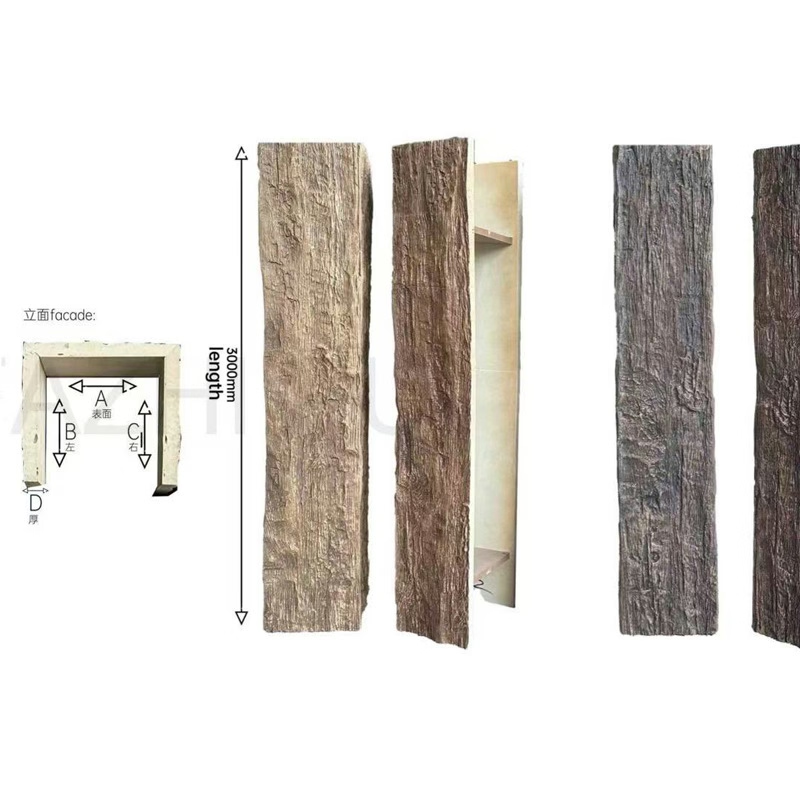
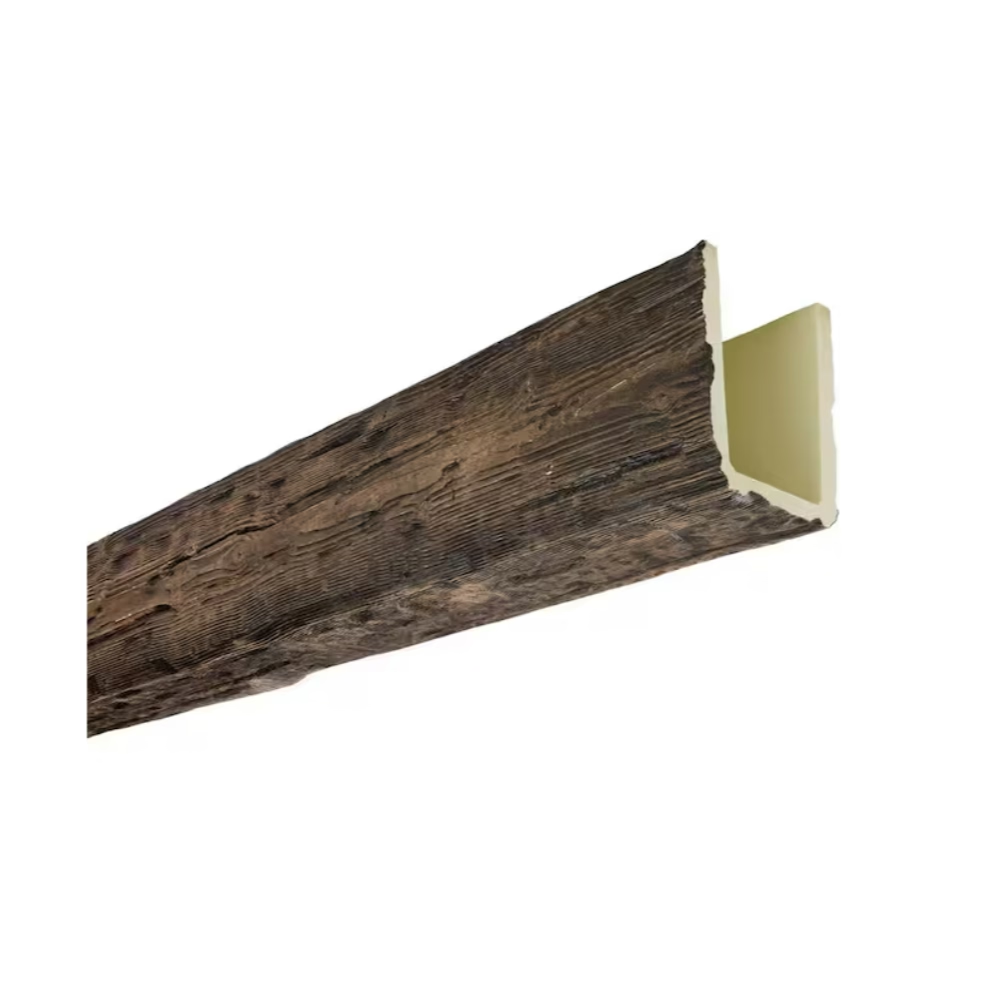
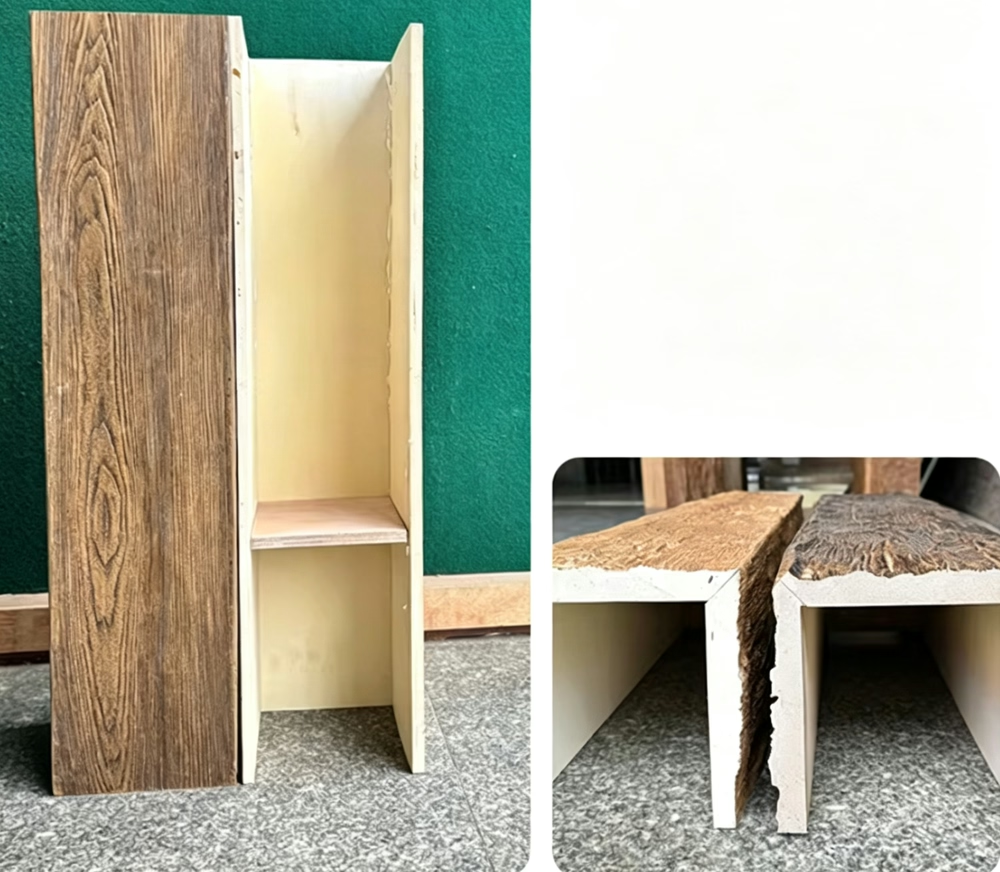
Polyurethane faux wood beams represent significant manufacturing advances that make realistic wood alternatives accessible for everyday residential applications. The material itself—typically high-density polyurethane—starts as a liquid mixture that manufacturers pour into molds created from genuine timber samples. This process captures not just the overall shape of wood grain but also the subtle variations, knots, and textures that make natural wood visually compelling.
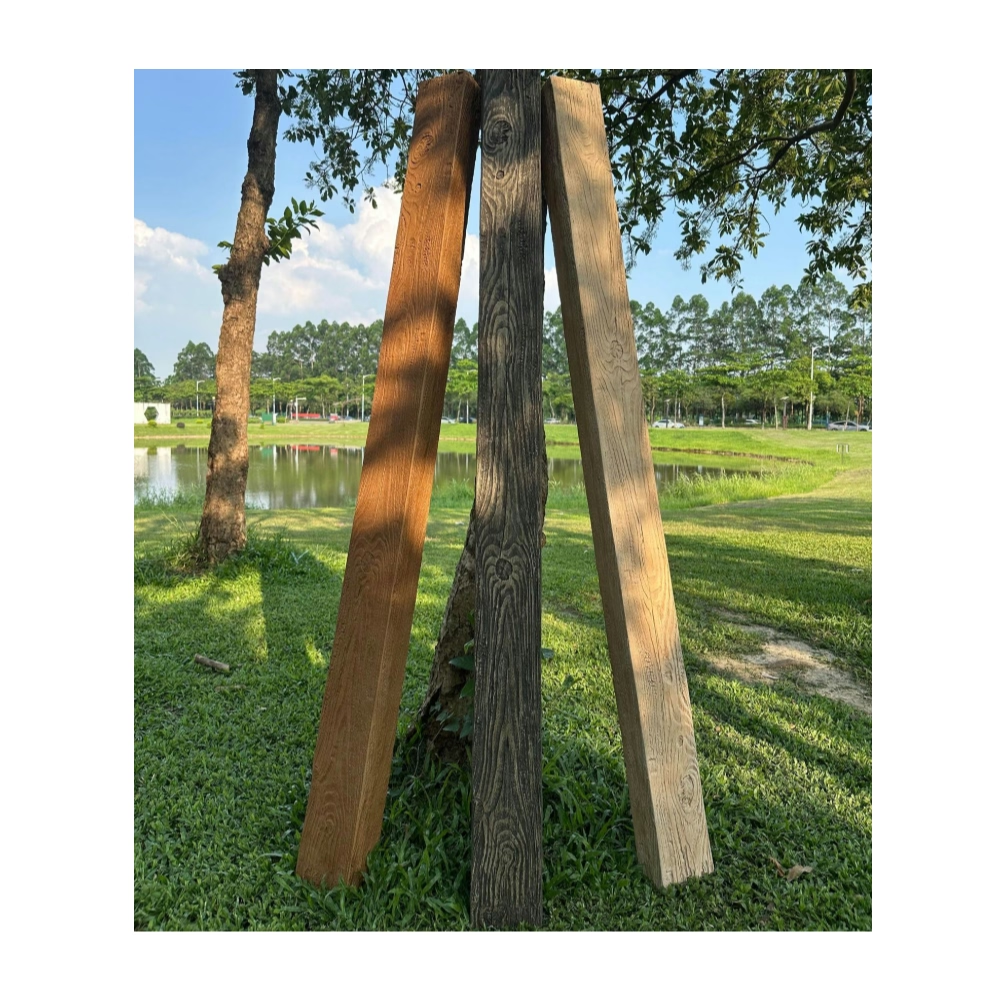
The resulting faux beams emerge from manufacturing as consistent, uniform products that nonetheless possess the organic character of genuine timber. Surface texturing techniques add tactile authenticity—rough-hewn finishes that feel like weathered lumber, smooth planed surfaces that mimic finished carpentry, and everything between. Color application methods have similarly evolved, with techniques ranging from solid stains to multi-tone finishing that creates the depth and variation of naturally aged wood.
What makes this technology particularly valuable for residential renovation is the material's practical performance characteristics. PU beams weigh a fraction of genuine timber—often 80-90% lighter—meaning existing ceiling structures can typically support them without reinforcement. The material resists moisture, preventing the warping, rotting, and insect damage that plague authentic wood. Installation requires no special equipment or techniques beyond standard carpentry tools.
Common Residential Renovation Scenarios
The bathroom renovation presents one of the most challenging environments for wooden ceiling elements. Humidity fluctuations, occasional water exposure, and consistent moisture make genuine timber a problematic choice in this space. Yet bathrooms often benefit enormously from the visual warmth that wooden beams provide, especially in homes with otherwise tile-heavy or sterile finishes. PU faux wood beams solve this dilemma completely—the material tolerates moisture exposure without damage, won't harbor mold or mildew, and maintains its appearance despite the challenging environment.
Consider a homeowner updating a master bath with vaulted ceilings previously covered in drywall. The space feels cavernous and clinical despite quality fixtures and attractive tilework. Adding a pair of decorative faux beams across the vault creates visual anchors that draw the eye upward while introducing organic warmth that softens the room's hard surfaces. The beams transform the space from merely functional to genuinely inviting, and the installation proceeds without concerns about long-term moisture exposure.
Kitchen renovations present different but equally compelling opportunities. Open-plan contemporary kitchens often lack the architectural interest that older homes possess naturally. Faux beams can introduce that interest strategically—perhaps as a visual divider between cooking and dining zones, or as a coordinated element that ties kitchen finishes to adjacent living spaces. The material's light weight means that beams spanning between partition walls require no structural calculation, while the realistic wood appearance means guests will assume genuine timber unless told otherwise.
Bedroom applications deserve consideration beyond the obvious farmhouse or cabin aesthetic. Contemporary master suites benefit from ceiling beams that introduce texture and visual weight without heavy furniture or elaborate millwork. A single substantial beam crossing above the bed creates a focal point that guides furniture arrangement and provides visual balance. The bedroom's typically dry environment means installation proceeds quickly, and the beams will maintain their appearance indefinitely without any special care.

Installation Approaches for Existing Homes
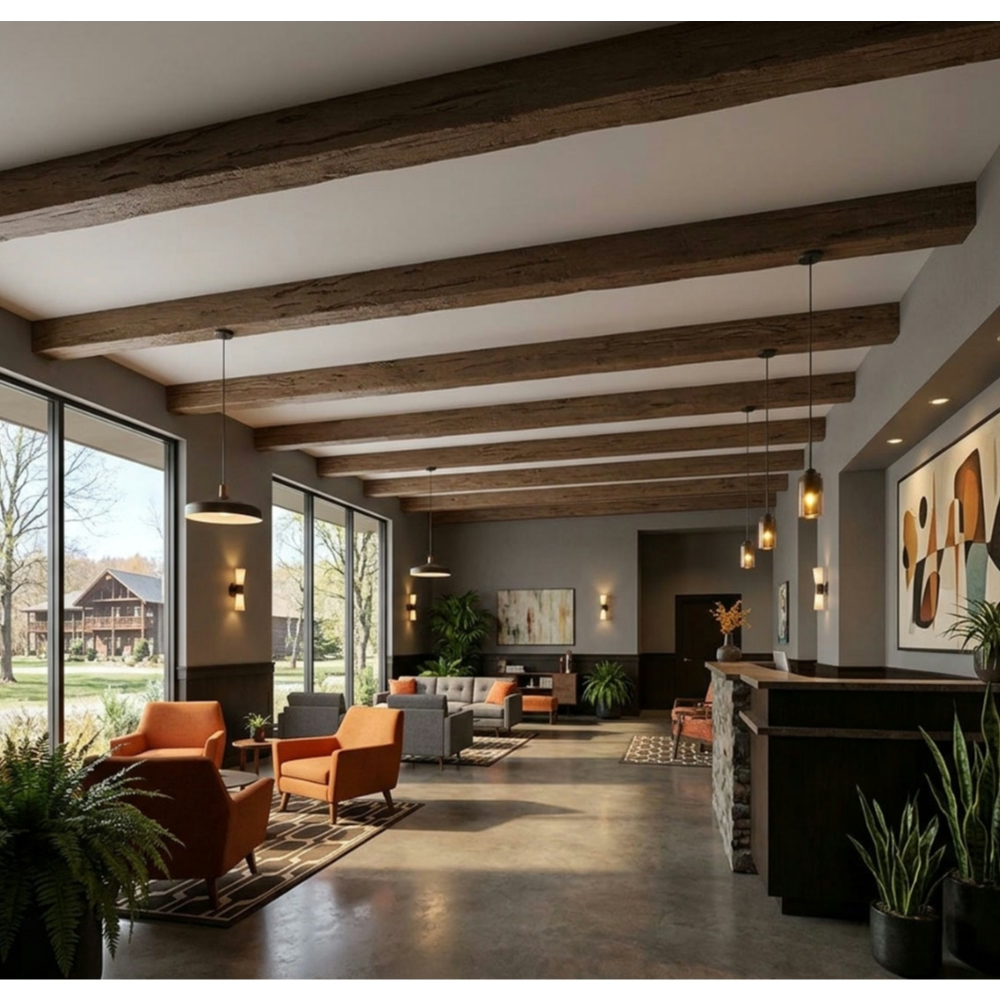
Residential renovation differs from new construction in important ways that affect beam installation. Existing homes often present irregular dimensions, non-standard spacing, and ceiling structures that weren't designed to support any additional weight—even decorative elements. These constraints shape how installers approach faux beam projects.
The most common residential installation involves mounting beams directly to existing ceiling surfaces using construction adhesive and mechanical fasteners. This approach works well when ceiling joists or trusses run perpendicular to planned beam direction, providing solid backing for attachment points. For ceilings without adequate backing or when beams will run parallel to joist direction, installers often create mounting frames using dimensional lumber that attaches to the existing structure and provides secure attachment points for faux beams.
Vaulted and sloped ceilings present unique opportunities for faux beam installation. These architectural features often lack sufficient height for conventional furniture arrangements while possessing dramatic scale that seems incomplete without treatment. Faux beams can follow the roofline's slope, creating visual continuity that emphasizes the ceiling's architecture while providing the warmth that makes sloped ceilings feel intentional rather than merely functional.
Garage-to-living-space conversions frequently benefit from faux beam installation. These projects typically reveal structural roof members that—while genuine—are often visually unappealing or insufficiently finished for living spaces. Covering rough trusses with faux beams creates finished appearance without the expense and complexity of enclosing them in drywall. The installation can proceed quickly, and the beams provide the visual warmth that transforms a converted space from "former garage" to genuine living area.
Selecting Appropriate Beam Styles
Not all faux beams suit every residential application, and thoughtful style selection dramatically affects renovation success. The key considerations include ceiling height, room scale, existing architectural style, and the overall aesthetic direction you're pursuing.
For rooms with standard eight-foot ceilings, oversized beams that would dominate a larger space can actually enhance the intimacy effectively. The visual weight draws the eye and creates proportion that taller ceilings lack. Conversely, rooms with ten-foot or higher ceilings can accommodate substantial beams that would feel oppressive in smaller spaces, creating the dramatic architectural statement that such rooms often need.
Beam profile selection matters as much as size. Hand-hewn textures suggest rustic, farmhouse, or cabin aesthetics. Clean, straight-grain patterns suit contemporary and transitional interiors. Distressed finishes with visible saw marks and weathering suit industrial and vintage-inspired spaces. Matching beam style to overall room character creates coherent design that feels intentional rather than arbitrary.
Finish color should complement rather than exactly match other wood elements in the room. Exact matching creates monotony, while slight variation adds visual interest. If your hardwood floors feature medium oak tones, consider faux beams in either slightly lighter honey finish or slightly darker walnut tone. The contrast creates relationship without competition.
Long-Term Performance and Value
Homeowners investing in faux beam installation rightfully expect good return on their investment. The good news is that polyurethane beams offer excellent long-term value when properly installed and maintained.
Unlike genuine timber, which may require periodic refinishing, sealing, or repair, faux beams maintain their appearance indefinitely with minimal care. Occasional dusting or light cleaning removes accumulated grime without damaging finishes. The material won't crack along grain lines, split at ends, or develop the checking patterns that plague authentic wood. What you install is what you'll have for years to come.
The durability of polyurethane beams means they're appropriate for virtually any room in the house, including high-traffic areas where genuine timber might suffer damage. A beam spanning above a frequently used dining table won't accumulate the dents and dings that natural wood would collect from daily activity. This resilience makes faux beams particularly suitable for families with children or pets.
Energy efficiency might seem unrelated to ceiling beams, but the air gap created by beam installation provides marginal insulation benefits. More importantly, the visual warmth that beams introduce can reduce the psychological need for additional heating—spaces that feel cozy at 68 degrees might require 72 degrees without that warmth. This psychological effect translates to real energy savings over time.
Technical References
ASTM standards cited in every specification
Test Data
Lab results from internal testing program
Updated 2026
Reviewed against current product specs