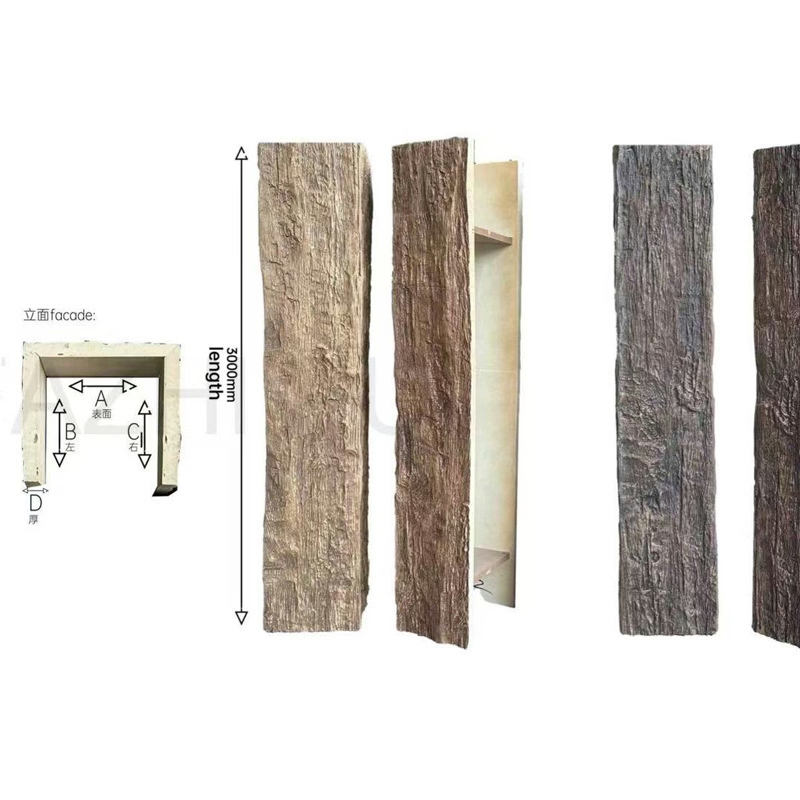
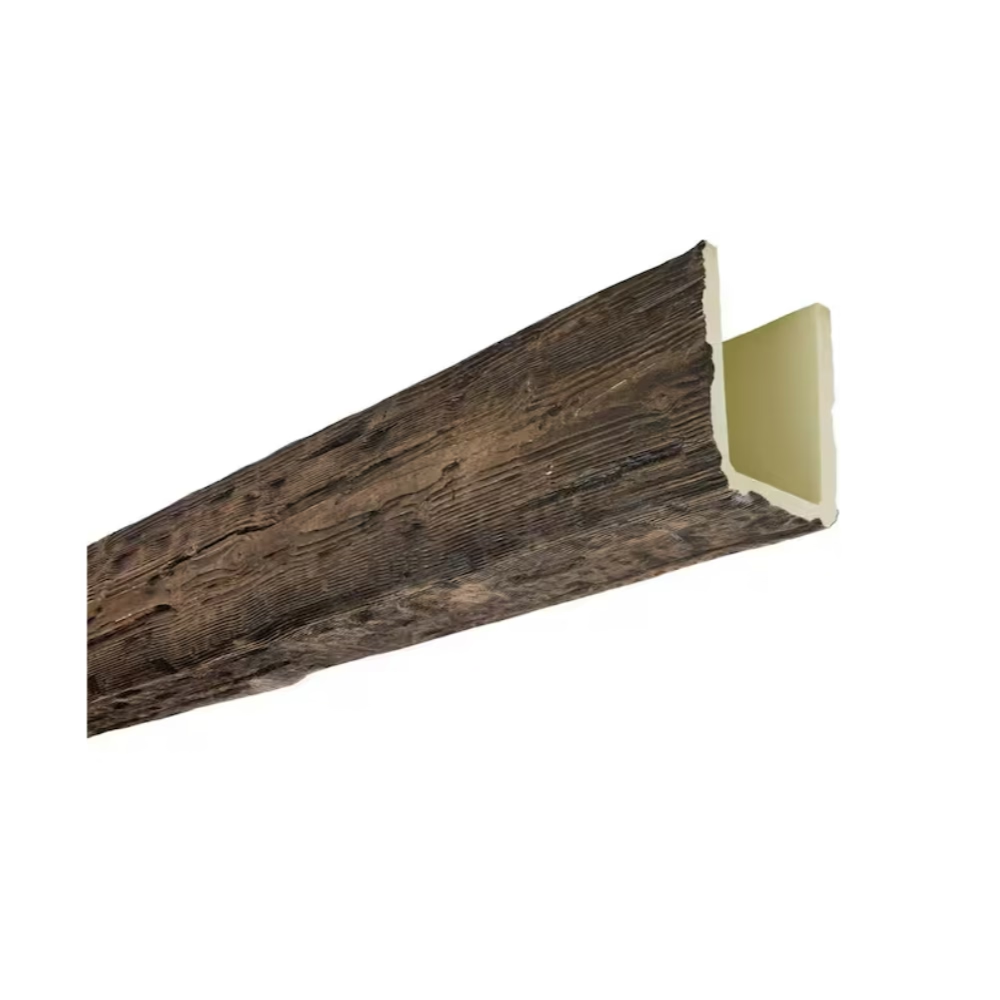
Interior decoration constantly seeks elements that deliver maximum visual impact with minimum practical compromise. Homeowners want spaces that feel complete, warm, and designed rather than merely furnished—yet they cannot sacrifice functionality or take on maintenance burdens that detract from daily life. Polyurethane faux wood beams occupy a rare position in interior decoration: they satisfy aesthetic desires for warmth and character while delivering practical performance that genuine timber cannot match. This combination explains their growing presence in homes across every room type.
The journey from bare interior to decorated space involves decisions at every scale, from furniture selection to lighting placement to finish materials. Ceiling treatment often receives insufficient attention despite occupying a substantial portion of visual field when we move through rooms. Treating the ceiling as another surface worthy of decoration transforms how spaces feel and function. Adding beams creates the kind of architectural presence that distinguishes professionally designed spaces from amateur efforts.
Living Room Transformation
The living room typically serves as a home's primary gathering space, which means it bears heavy demands for comfort, functionality, and aesthetic appeal. This room needs to accommodate large furniture groupings, support conversation and entertainment, and present well to visitors while remaining practical for daily family life. Ceiling beams address multiple needs simultaneously in this context.
Visual anchoring represents the primary benefit living room beams provide. Large open spaces benefit enormously from elements that define zones and guide furniture arrangement. Beams overhead create natural groupings—a primary seating area under one section, secondary seating or reading nook under another. This visual structure helps homeowners arrange furniture logically without requiring formal walls or dividers that would compromise the open feeling that makes living rooms work.
The warmth that beams contribute to living rooms proves particularly valuable in contemporary homes with extensive glass, stone, and metal surfaces. Modern construction favors these materials for their durability and contemporary aesthetic, yet they can create spaces that feel cold or clinical without softening elements. Beams introduce organic warmth that makes hard surfaces feel more inviting, creating balance between modern construction and human comfort.
Scale establishment ranks as another crucial function beams perform in living rooms. Contemporary homes often feature generous ceiling heights that create volume but can make spaces feel impersonal. Beams introduce visual elements at human scale, creating proportion that makes rooms feel more intimate and grounded. The horizontal lines beams create counteract the vertical emphasis that high ceilings create, establishing horizontal measurements that the eye can grasp and relate to human dimensions.
Kitchen and Dining Applications
Kitchens present challenging environments for wooden elements due to heat, humidity, grease, and frequent cleaning. These conditions eliminate genuine timber as a practical option in many kitchen locations, yet the aesthetic benefits of wood in kitchens remain substantial. Polyurethane beams sidestep the material limitations that plague genuine wood while providing the visual warmth that makes kitchens inviting.
Above kitchen islands and dining areas, beams create focal points that guide room organization. These zones benefit from visual interest that draws people toward them, establishing the island or table as the room's center of activity. Beams overhead accomplish this without interfering with the functional considerations that dominate kitchen design—lighting placement, ventilation hood clearance, and traffic patterns.
The grease and moisture resistance of polyurethane makes beam maintenance in kitchens straightforward. Unlike genuine timber, which absorbs cooking grease and can suffer water damage, faux beams can be cleaned with standard kitchen cleaning products without concern for finish damage. This practical advantage means homeowners can specify beams in kitchen locations where they'd never consider genuine timber.
Dining rooms adjacent to kitchens benefit from beam installation that extends from kitchen spaces, creating visual continuity between cooking and dining functions. This connection proves particularly valuable in open-plan arrangements where kitchen and dining occupy shared space without walls to define boundaries. Beams overhead create invisible divisions that feel natural and intentional.
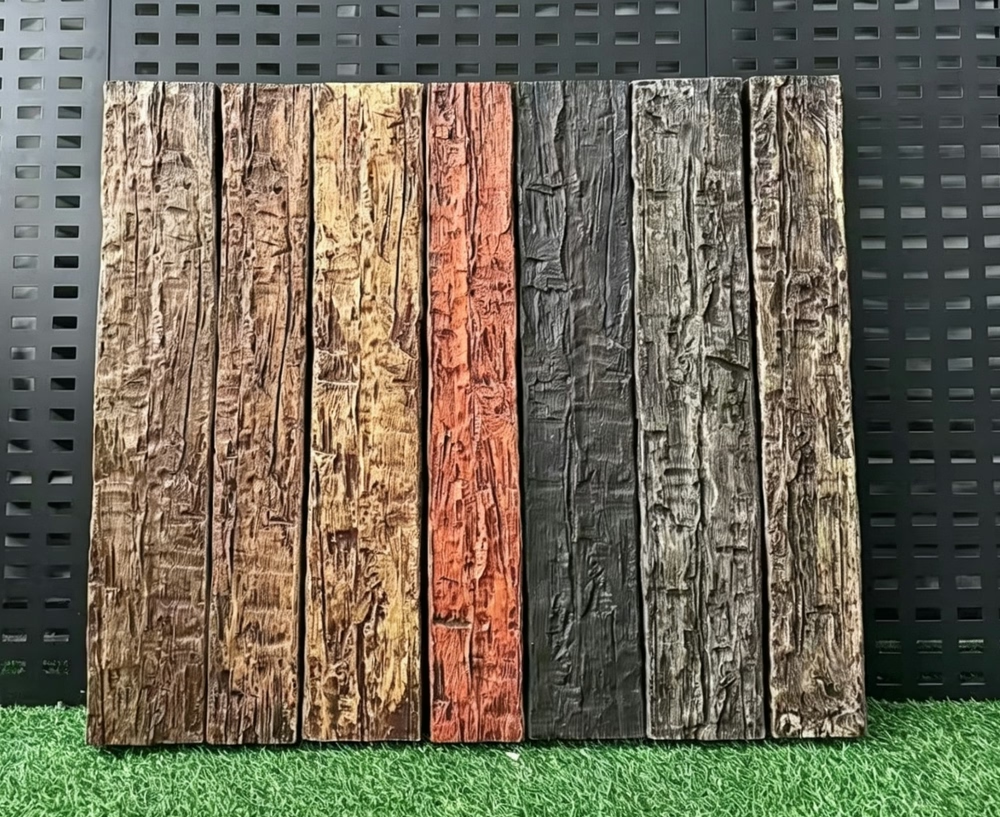
Bedroom and Personal Space Enhancement
Bedrooms demand different qualities from decorative elements than living spaces. Where living rooms emphasize social comfort and visual interest, bedrooms prioritize calm, restfulness, and personal retreat. Beam selection and placement in bedrooms responds to these different requirements.
Bedroom beams typically benefit from more restrained treatment than living room installations. Rather than complex groupings or dramatic spans, bedroom beams often work best as simple single elements or small groups that provide warmth without competing for attention. A single substantial beam crossing above the bed creates an architectural focal point that organizes the room around sleep without introducing visual complexity that might interfere with rest.
The textural quality of beams adds sensory dimension to bedrooms that flat ceilings lack. The subtle shadows beams cast create visual interest even when residents aren't actively looking at them. This passive decoration contributes to room character without demanding attention, supporting the calm atmosphere that bedrooms require. The material's quiet presence—neither decorative nor invisible—provides just-right background interest.
Master suites with sitting areas or reading nooks benefit from beam installation that defines these secondary zones. A beam crossing between bedroom and sitting area creates subtle separation while maintaining the open feeling that makes suites feel generous rather than cramped. This architectural definition proves more effective than furniture arrangement alone, providing guidance that furniture then reinforces.

Bathroom and Moisture-Prone Spaces
Bathrooms present the most challenging environment for wooden decorative elements. Constant humidity, occasional splashing, temperature fluctuations, and cleaning chemicals combine to create conditions that genuine timber cannot survive without constant maintenance. Yet bathrooms often feature the hard surfaces—tile, stone, glass—that benefit most from wooden warmth.
Polyurethane beams perform exceptionally in bathroom environments precisely because the material doesn't react to moisture the way timber does. No swelling, warping, rot, or mold growth occurs with polyurethane regardless of humidity exposure. This resilience enables beam installation in bathroom locations that would destroy genuine timber within months.
Installation positioning in bathrooms deserves thoughtful consideration. Beams should avoid direct shower spray zones unless properly sealed, but locations away from water sources present no concerns. Above vanities, near room perimeters, or spanning between walls away from shower areas, beams add warmth without practical risk. The visual effect—wooden beams contrasting with tile and glass—creates exactly the organic warmth that makes bathroom spaces feel complete.
Ventilation considerations matter for bathroom beam installation as they would for any wood product. While polyurethane won't rot, excessive moisture exposure over very long periods could potentially affect finishes. Ensuring bathroom ventilation functions properly protects beam appearance as it protects other bathroom materials. With reasonable ventilation, bathroom beams will maintain their appearance indefinitely.
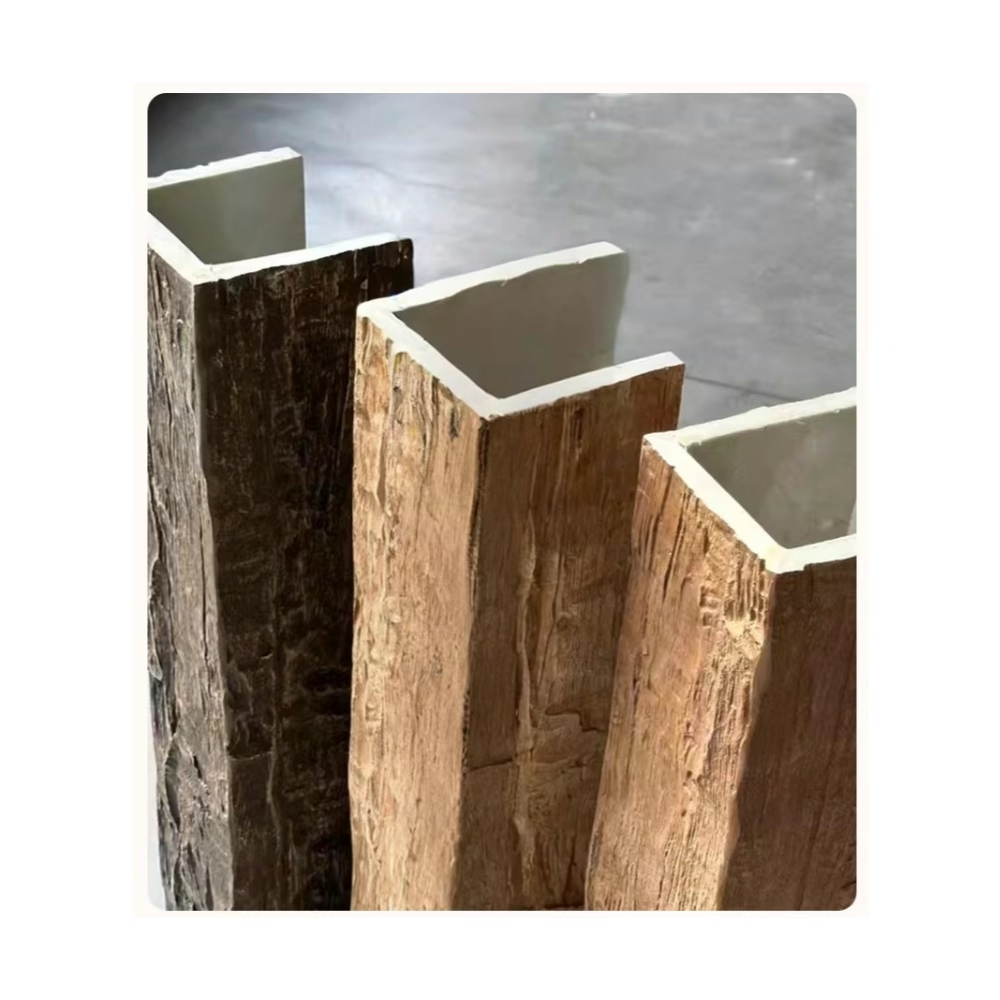
Home Office and Study Applications
The shift toward home-based work has elevated home office design from afterthought to primary consideration. Homeowners now invest significantly in spaces designed for productivity, focus, and professional presentation during video calls. Ceiling beams contribute to these objectives in ways that might not be immediately obvious.
The psychological effects of natural materials in work environments support productivity and wellbeing. Research consistently shows that organic materials—wood, plants, natural light—reduce stress and improve focus compared to sterile environments lacking biophilic elements. Beams contribute this biophilic quality to home offices without requiring the substantial commitment that genuine timber construction would demand.
For video calls, ceiling beams provide the professional backdrop that home offices often lack. A wall behind the desk might show clutter or appear flat and uninteresting. Beam installation overhead provides visual interest that reads well on camera while creating the impression of a designed, intentional space. This professional presentation matters for home-based workers whose colleagues and clients see their environments during calls.
The acoustic benefits of beam installation prove particularly valuable in home offices. Hard-surfaced rooms—those with hardwood, tile, or polished concrete floors and drywall walls and ceilings—create echo and sound reflection that makes conversations difficult during video calls. Beams disrupt these reflections, absorbing and scattering sound in ways that improve audio quality for calls while making the space more comfortable for extended work sessions.
Entryway and Transition Space Treatment
Entryways and transition spaces—the foyer, the hallway, the mudroom—often receive insufficient design attention despite their importance in establishing first impressions and supporting daily routines. These spaces benefit from beam installation that introduces character from the moment one enters a home.
Foyer beam installation creates immediate impact that sets expectations for the rest of the home. Whether the entry features a flat ceiling or elevated two-story space, beams provide the warmth and architectural interest that makes entrances feel welcoming rather than merely functional. A single substantial beam crossing the entry ceiling creates a visual threshold that marks the transition from exterior to interior.
Hallways typically suffer from their linear nature—narrow, repetitive, and lacking visual interest that makes traversal pleasant. Beam installation in hallways adds the visual variety that transforms corridors from mere passages to designed spaces. Even simple parallel beams can make hallways feel less utilitarian while providing the continuity that connects different areas of the home.
Mudrooms and utility entries benefit from beam installation that elevates these typically utilitarian spaces. While practical function dominates these areas, the aesthetic improvement beams provide makes daily transitions more pleasant. The homeowner's experience of entering through a beautiful mudroom differs significantly from entering through a bare utilitarian space, even if the activities performed remain identical.
Long-Term Interior Decoration Value
Investing in interior decoration requires confidence that purchases will provide lasting value rather than quick-dating fashion statements. Faux wood beams offer excellent longevity that justifies their cost.
The material durability of polyurethane ensures that beams maintain their appearance through years of use without special maintenance. Unlike genuine timber, which may require periodic refinishing or repair, faux beams arrive at their final installation ready to perform indefinitely. What the homeowner sees during installation represents exactly what they'll have for years to come.
Style versatility adds to beam longevity. Unlike trends that date quickly, the aesthetic of wooden beams has remained appealing for centuries without falling out of fashion. While specific finishes and profiles might trend in and out, the fundamental appeal of wooden ceiling beams ensures that properly selected installations remain appropriate regardless of how design fashions evolve. This timeless quality makes faux beams genuine long-term investments rather than temporary decorations.
Technical References
ASTM standards cited in every specification
Test Data
Lab results from internal testing program
Updated 2026
Reviewed against current product specs