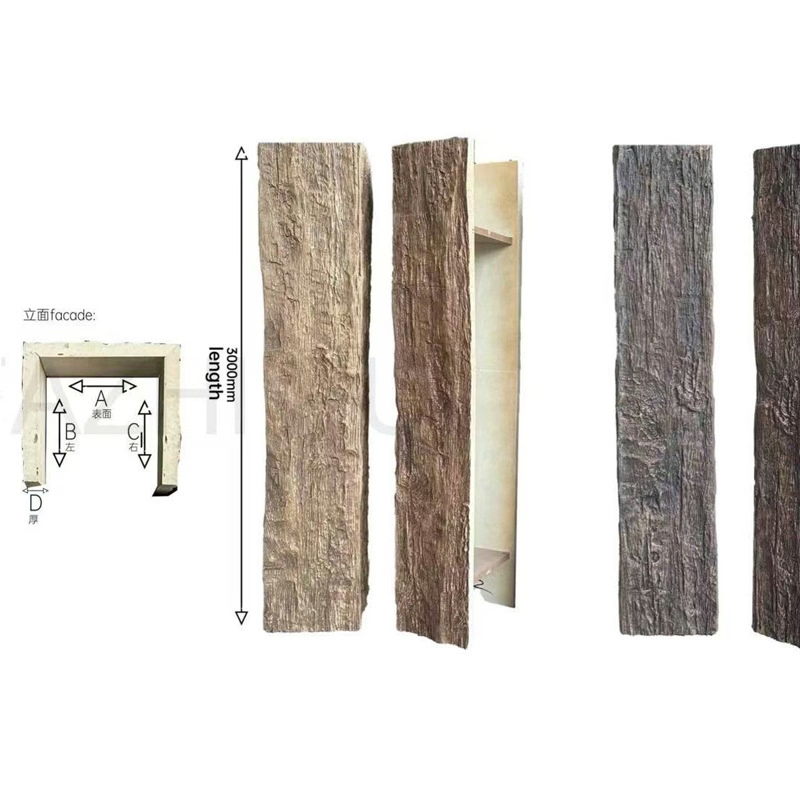
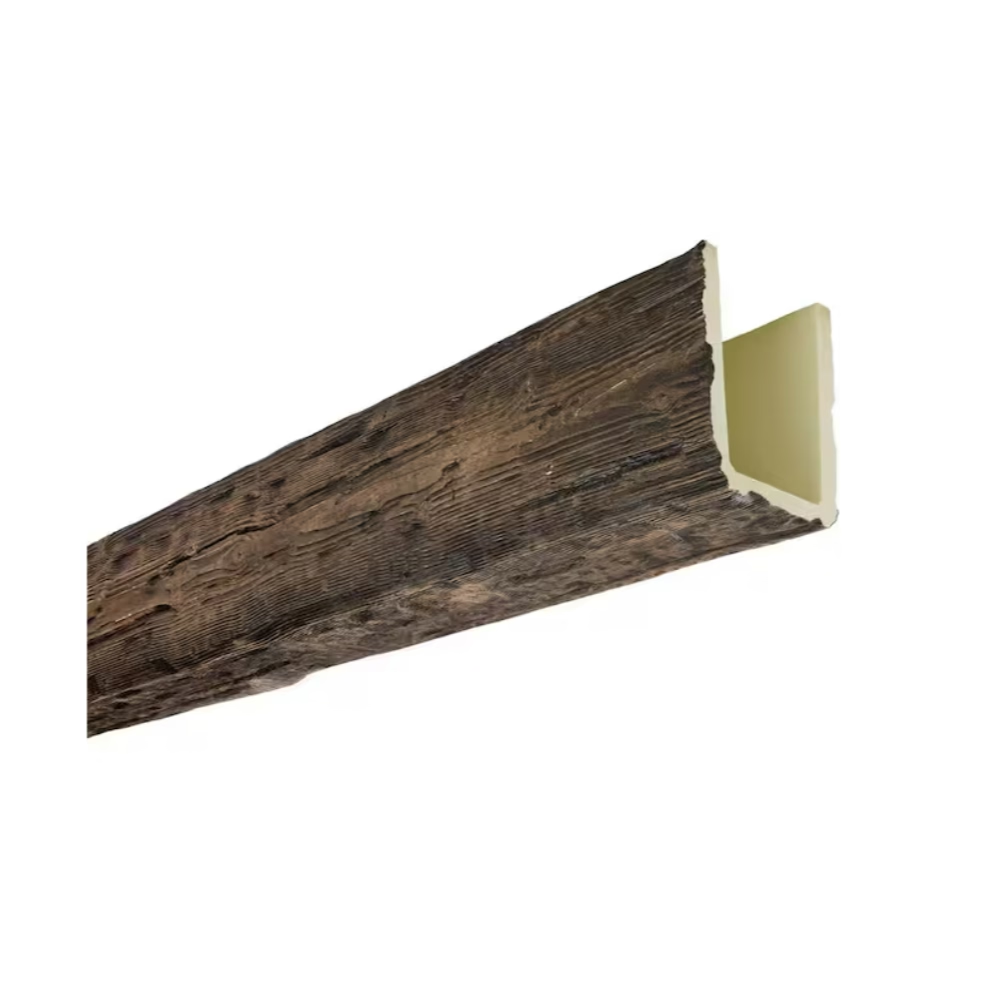
Purchasing building materials online once required significant expertise and tolerance for uncertainty. Customers accepted limited product information, unclear return policies, and guessing at specifications based on small photographs. Modern e-commerce platforms have transformed this experience, creating shopping environments where browsing, selecting, and purchasing faux wood beams feels as natural as buying any consumer product.

The shift toward digital commerce in the home improvement space reflects broader consumer expectations shaped by experiences with leading e-commerce platforms. Customers expect detailed product information, realistic imagery, transparent pricing, and straightforward checkout processes. Meeting these expectations requires investment in user experience design that serves customers at every stage of their purchasing journey.
Navigation and Discovery Features
Effective product catalogs organize faux wood beams in ways that match how customers think about their purchases. Categories might include beam style (rustic, contemporary, traditional), application area (ceiling, wall, exterior), and material characteristics (fire rated, UV stabilized, standard). Multiple navigation pathways serve different customer approaches, whether they know exactly what they need or are still exploring possibilities.
Search functionality that understands industry terminology accelerates product discovery for experienced customers. Typing "U-shell beam eight inch" or "fire rated beam twelve foot" should return relevant results immediately rather than requiring navigation through multiple category levels. Modern search algorithms interpret intent and suggest related products that might solve customer needs they have not yet articulated.
Filtering tools narrow large product sets to manageable selections based on critical parameters. Dimension filters narrow results to beams matching specific length and profile requirements. Finish filters show products available in desired colors or wood species looks. Price filters accommodate budget constraints. These tools work together to quickly isolate products meeting all requirements without scrolling through irrelevant listings.
Product Detail Page Excellence
Product detail pages for faux wood beams must convey information that customers cannot see or touch through the screen. High-resolution photographs from multiple angles show surface textures, end profiles, and realistic scale references. Videos demonstrating beams in installed settings help customers visualize how products will appear in their own spaces.360-degree views let customers examine products from every angle without handling physical samples.
Specification sheets provide the technical data that professional customers require for project planning. Precise dimensions, weight per linear foot, material composition, and available finish options appear in organized layouts that technical users appreciate. Downloadable specification documents integrate with project documentation and contractor bidding processes.
Customer reviews offer social proof that builds purchasing confidence. Photos uploaded by previous buyers show beams in actual installations, providing real-world examples that marketing photography cannot replicate. Written reviews address common questions, highlight benefits reviewers discovered, and flag any concerns that might otherwise go unmentioned.
Configuration and Customization Tools
Beam length customization has traditionally created friction in the purchasing process. Modern platforms allow customers to specify exact lengths, receive instant pricing, and complete purchases without negotiating custom orders through sales representatives. This self-service capability removes barriers that previously sent customers to competitors with simpler processes.
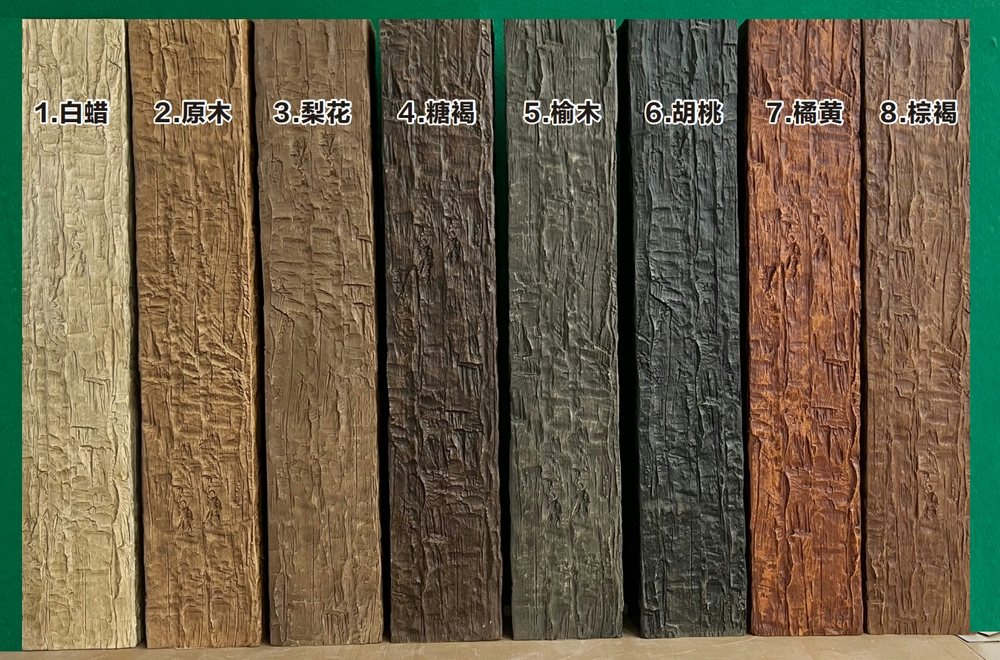
Finish selection tools show how beams appear in different colors and textures. Digital visualization that overlays beam finishes onto room photographs helps customers make confident decisions about color choices. While physical samples remain important for final verification, these tools narrow options effectively and reduce sample request volumes.
Accessory recommendation engines suggest mounting hardware, adhesive products, and finishing supplies that complement selected beams. Customers purchasing beams often overlook essential accessories, leading to return trips or project delays. Thoughtful product suggestions create complete shopping experiences that leave customers prepared for installation rather than searching for missing components.

Checkout and Payment Simplification
Guest checkout options eliminate registration requirements that create friction for occasional purchasers. Customers who want to complete purchases without creating accounts should find streamlined pathways that do not force unnecessary account creation. Account benefits like order tracking and saved preferences can be offered after purchase rather than demanded before checkout.
Shipping cost transparency early in the checkout process prevents abandonment when customers reach payment entry and discover unexpectedly high freight charges. Faux wood beams are heavy and awkward to ship, making freight costs significant. Displaying shipping estimates alongside product prices or offering freight quote tools during browsing prepares customers for total cost before commitment.
Multiple payment options accommodate different customer preferences and purchasing contexts. Credit card processing, PayPal integration, and financing options for larger orders serve different needs. Business customers often require purchase order processing and net-30 terms. Platforms that accommodate these requirements serve broader markets without losing opportunities to individual homeowners.
Post-Purchase Experience Quality
Order tracking information updates throughout the fulfillment process, providing visibility that reduces anxiety about large purchases. Customers should receive shipment notifications with tracking numbers, delivery day estimates, and carrier contact information for issues that arise during transit. Proactive communication prevents unnecessary support inquiries and builds trust in the purchasing platform.
Return processes for building materials require clear policies that acknowledge the unique nature of these purchases. Lengthy beams prove difficult to return, so customers appreciate clarity about return windows, condition requirements, and return shipping logistics before purchase. Platforms that obscure return policies generate distrust that damages long-term customer relationships.
Customer support accessible through chat, email, and telephone provides human connection when self-service tools fall short. Complex questions about specifications, installation techniques, or order modifications benefit from conversation with knowledgeable representatives. The best platforms integrate support access throughout the shopping experience rather than hiding contact information behind multiple clicks.
User-friendly online shopping for premium polyurethane faux wood beams has matured significantly, creating purchasing experiences that rival the best consumer e-commerce platforms. These experiences serve both DIY homeowners tackling weekend projects and professional contractors managing complex installations. The convenience of online purchasing combined with product quality that meets professional expectations creates compelling value propositions that drive market growth.
Technical References
ASTM standards cited in every specification
Test Data
Lab results from internal testing program
Updated 2026
Reviewed against current product specs