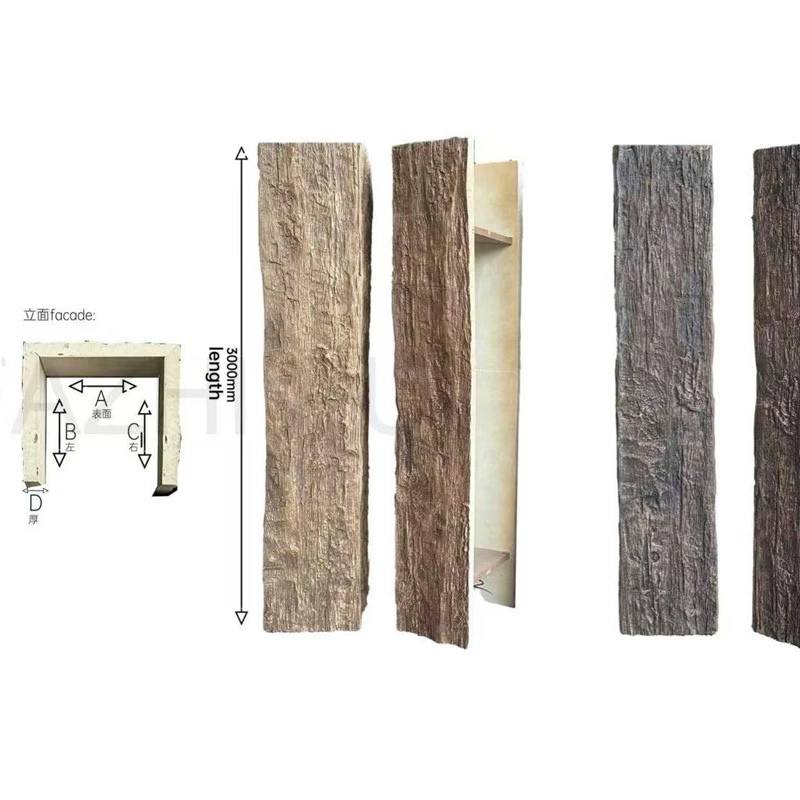
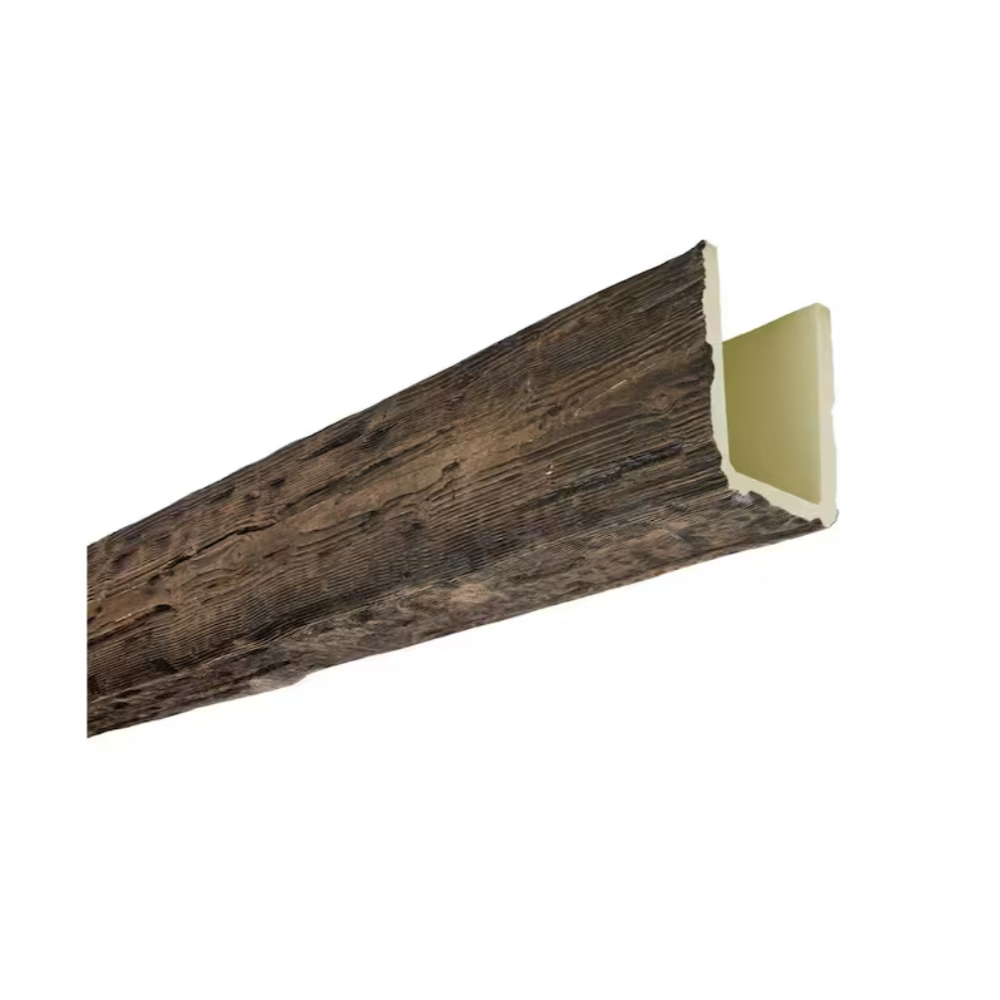
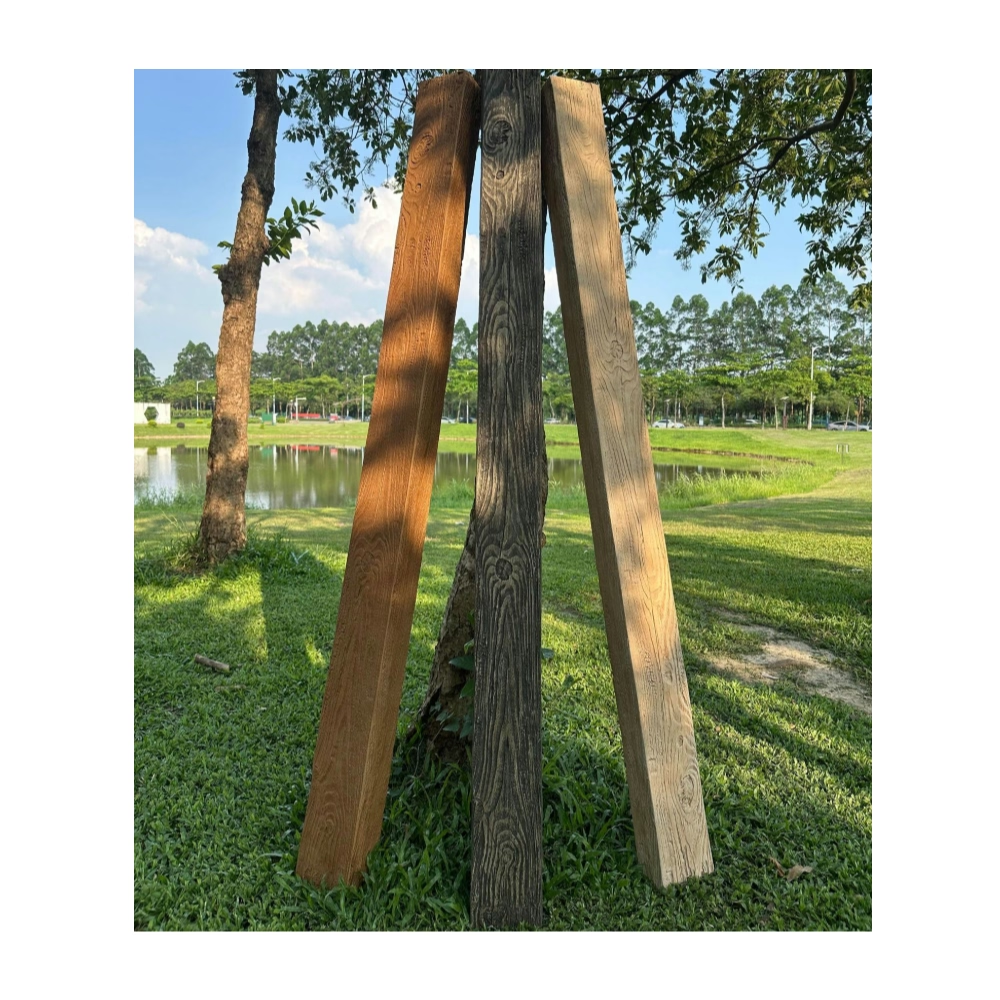
Historic homes possess an irreplaceable character that speaks through their original architectural elements. Wide-plank floors, plaster walls with authentic lime wash, and the generous proportions of rooms built before standardized construction all contribute to an atmosphere that modern building simply cannot replicate. Yet the passage of time inevitably takes its toll, and many historic properties have lost critical features like exposed ceiling beams to renovation cycles that prioritized contemporary aesthetics over architectural preservation.
Modernizing a historic home requires sensitivity to this tension between old and new. The goal is not to freeze a property in amber but to allow it to evolve while maintaining the essential qualities that made it significant in the first place. Vintage faux beams offer a path through this challenge, providing the visual authenticity that historic properties demand while offering the practical benefits that contemporary occupants require.
The Challenge of Historic Preservation
Original timber beams in historic homes often fail not because of aesthetic shortcomings but because of physical deterioration. Moisture cycles cause splitting and checking. Insect activity, particularly from wood-boring beetles, can compromise structural integrity. Fire damage, renovation trauma, or simple age-related decay may leave gaps in the ceiling plane where beams once provided both structural support and visual interest.
Replacing these beams with salvaged timber from other historic structures is one option, but it comes with significant limitations. Salvage yards have limited inventories, and finding pieces that match the original dimensions, species, and appearance proves difficult. The cost of quality antique timber has also increased substantially as awareness of architectural heritage has grown among collectors and preservation-minded homeowners.
New construction using dimensional lumber might seem like an economical alternative, but achieving an aged appearance requires extensive distressing techniques that add cost while still producing results that rarely look convincing to trained observers. The wood species common in modern construction also differ from those used historically, creating a visual discontinuity that informed viewers immediately recognize.
How Faux Beam Technology Addresses Historic Requirements
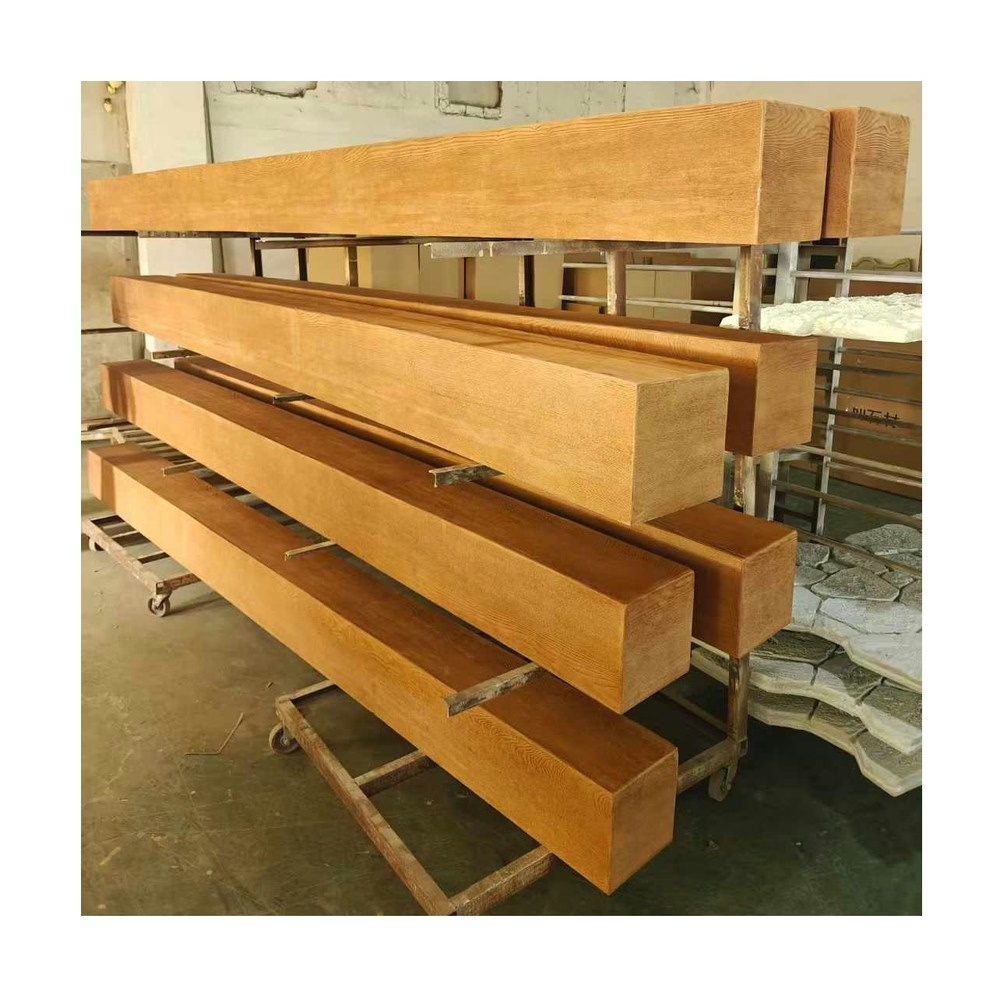
Manufacturers of quality faux beams understand the specific aesthetic requirements of historic preservation projects. They begin by studying original timber construction from various historical periods, documenting the species used, the milling techniques employed, and the characteristic aging patterns that developed over decades of use. This research informs every aspect of the production process, from the initial mold design to the final finishing treatment.
The resulting products capture the essential characteristics that define period-correct timber. Quarter-sawn grain patterns, for example, appear in beams from specific historical eras when sawmill practices differed from modern methods. The distinctive cathedral grain patterns of old-growth Douglas fir or the tight, even texture of eastern white pine carry visual signatures that educated observers recognize. Quality faux beam producers replicate these patterns through careful attention to wood species characteristics and through molding processes that preserve the subtle variations that make each piece unique.
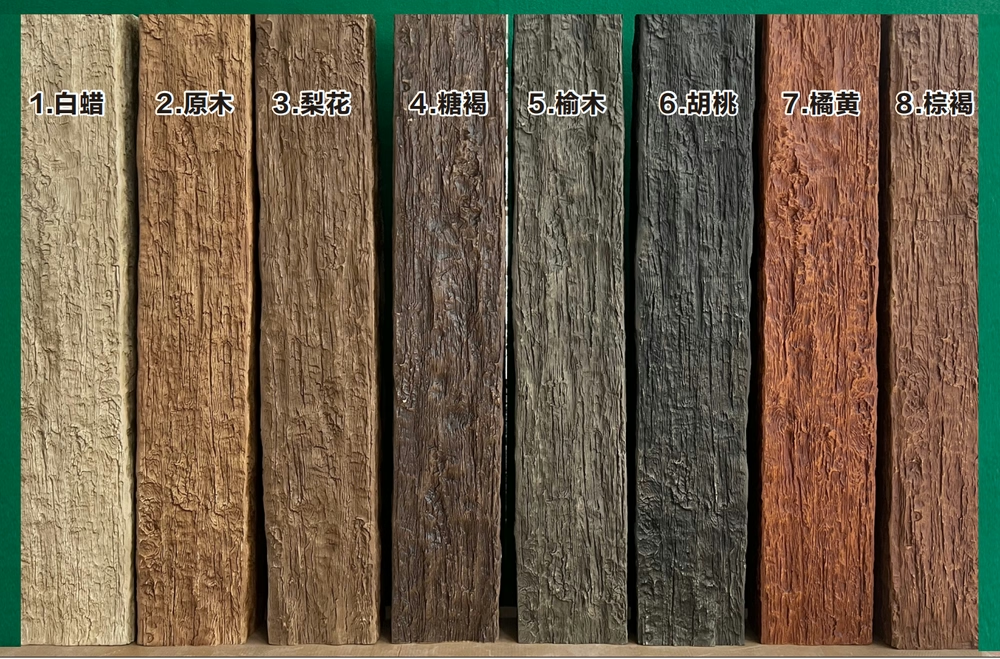
Surface treatment represents another critical consideration. Historic timber developed its appearance through decades of exposure to light, air, and the oils from human contact. The result is a patina that cannot be replicated through simple artificial distressing. Producers address this challenge through multi-step finishing processes that layer colors and textures, creating depth that reads as authentic aging rather than superficial treatment.

Practical Considerations for Historic Properties
Weight limitations often create challenges in historic homes that newer construction does not face. The floor systems and bearing walls in older properties were designed for the structural loads of the era, which may not accommodate the substantial point loads that heavy timber beams would create. This is particularly true for upper-floor installations where the ceiling structure may be minimal.
Faux beams resolve this problem through their lightweight construction. A complete faux beam installation might add less than 100 pounds to a ceiling structure, compared to several hundred pounds for authentic timber. This differential matters enormously in historic properties where structural intervention is both expensive and potentially controversial from a preservation standpoint.
Moisture sensitivity presents another practical advantage. Historic homes often lack the vapor barriers and moisture control systems that modern construction employs. This means that wooden elements experience more pronounced moisture cycling, leading to expansion, contraction, and eventual deterioration. Polyurethane faux beams resist moisture absorption entirely, maintaining their dimensions and appearance regardless of humidity fluctuations in the surrounding air.
Design Integration Strategies
Introducing faux beams into a historic interior requires careful attention to the existing architectural context. The goal is to create an installation that appears to have always been present while accommodating the practical requirements of modern life. This balance requires both visual sensitivity and technical knowledge of how historic interiors evolved.
In properties where original beams are missing entirely, a complete ceiling beam installation can restore architectural balance that the original design intended. Study historic photographs of similar properties from the same era and region, noting the beam spacing, proportions, and detailing that characterized the style. Then select faux products that match these specifications as closely as possible while considering any modifications that modern building codes might require.
For properties where some original beams survive, the challenge becomes integrating new faux elements with existing authentic timber. This requires careful color matching and attention to the natural variations that occur in genuine wood. A skilled designer can create a cohesive installation by treating authentic beams and faux reproductions as a unified system, distributing the variations between them so that no single element appears out of place.
Matching Period Styles
Different historical periods favored distinct beam aesthetics, and matching these preferences matters for an authentic result. Victorian-era homes, for example, often featured highly decorative beam treatments including carved ornament, painted finishes, and exposed joinery details. Georgian and Federal period properties typically employed more restrained classical detailing, with smooth surfaces and precise proportions reflecting Enlightenment values of order and rationality.
Craftsman and bungalow-style homes from the early twentieth century introduced their own vocabulary of timber design. Exposed structural elements in these properties often featured gentle curves, tapered profiles, and subtle mission-style hardware. Colonial revival properties might include hand-hewn beams with visible axe marks, representing an idealized rustic past that never actually existed but nonetheless defined the aesthetic of the period.
Understanding these period-specific characteristics helps ensure that your faux beam installation reads as authentic rather than generic rustic. Take time to research the architectural style of your specific property, noting the details that distinguish it from other periods and styles. Then select faux products and configure the installation to honor those specific characteristics.
Installation Approaches for Historic Interiors
The installation method you choose should respect the existing building fabric while providing secure, stable support for your faux beams. In most historic properties, the original ceiling structure consists of wooden boards or lath and plaster applied to joists that run perpendicular to the visible beam direction. This construction provides limited support for anything attached to its underside, requiring careful consideration of mounting methods.
For lighter faux beams, adhesive attachment to a properly prepared surface may provide sufficient holding power. The key is ensuring that the ceiling surface is clean, dry, and free from loose material that might compromise the bond. A test patch applied before full installation verifies that the adhesive performs adequately with your specific ceiling conditions.
For heavier installations or where adhesive alone seems insufficient, mechanical attachment through the ceiling plane to structural framing members provides additional security. This approach requires identifying the location of joists and other structural elements, then drilling clearance holes through the ceiling material to allow bolt or screw installation. The attachment hardware can then be concealed using decorative trim pieces that match the beam's styling.
Maintaining Period Authenticity
Once installed, faux beams in historic properties require minimal maintenance beyond occasional cleaning. Unlike real timber, they will not develop new cracks or checking over time, meaning that touch-up work is rarely necessary. The finish will remain stable regardless of light exposure or humidity fluctuations, eliminating the gradual darkening or fading that affects real wood surfaces.
However, faux beams do require some attention to maintain their integration with the surrounding historic fabric. As the rest of your interior ages and develops its own patina, the beams should continue to feel like a natural part of the composition. If you notice significant color changes in surrounding woodwork or plaster, consider whether the beam finish needs adjustment to maintain visual harmony.
For properties where authenticity is paramount, documentation matters. Photograph your installation in detail, recording the products used, the installation methods employed, and any modifications made during the process. This information may prove valuable for future owners who need to understand the property's history or for preservation specialists who must evaluate the installation as part of a larger restoration project.
Vintage faux beams represent a sophisticated solution to the challenges of historic home modernization. By respecting period aesthetics while accommodating modern practical requirements, these products allow historic properties to continue telling their stories for generations to come.
Technical References
ASTM standards cited in every specification
Test Data
Lab results from internal testing program
Updated 2026
Reviewed against current product specs