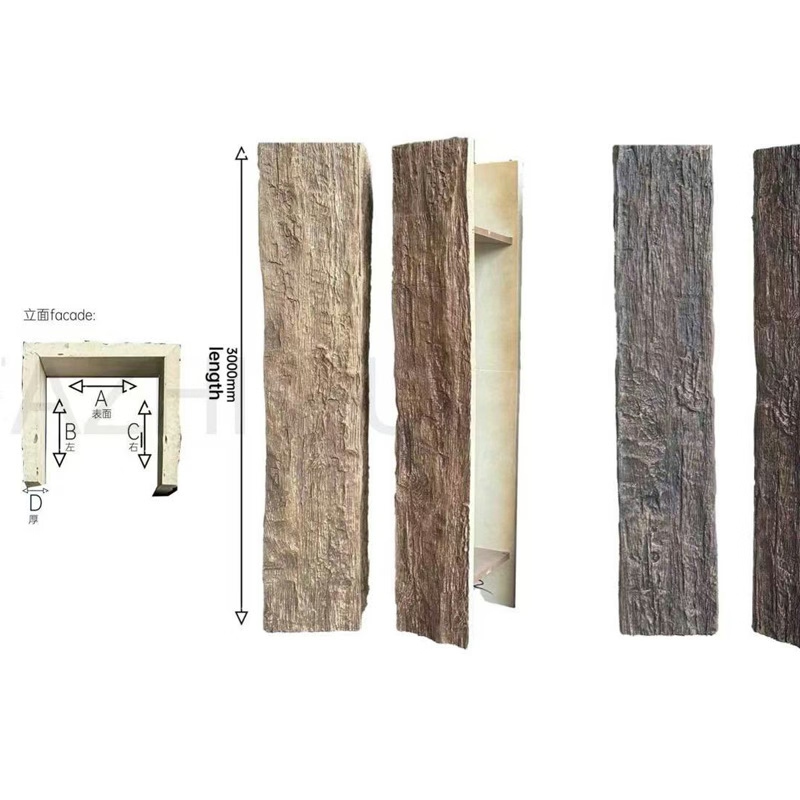
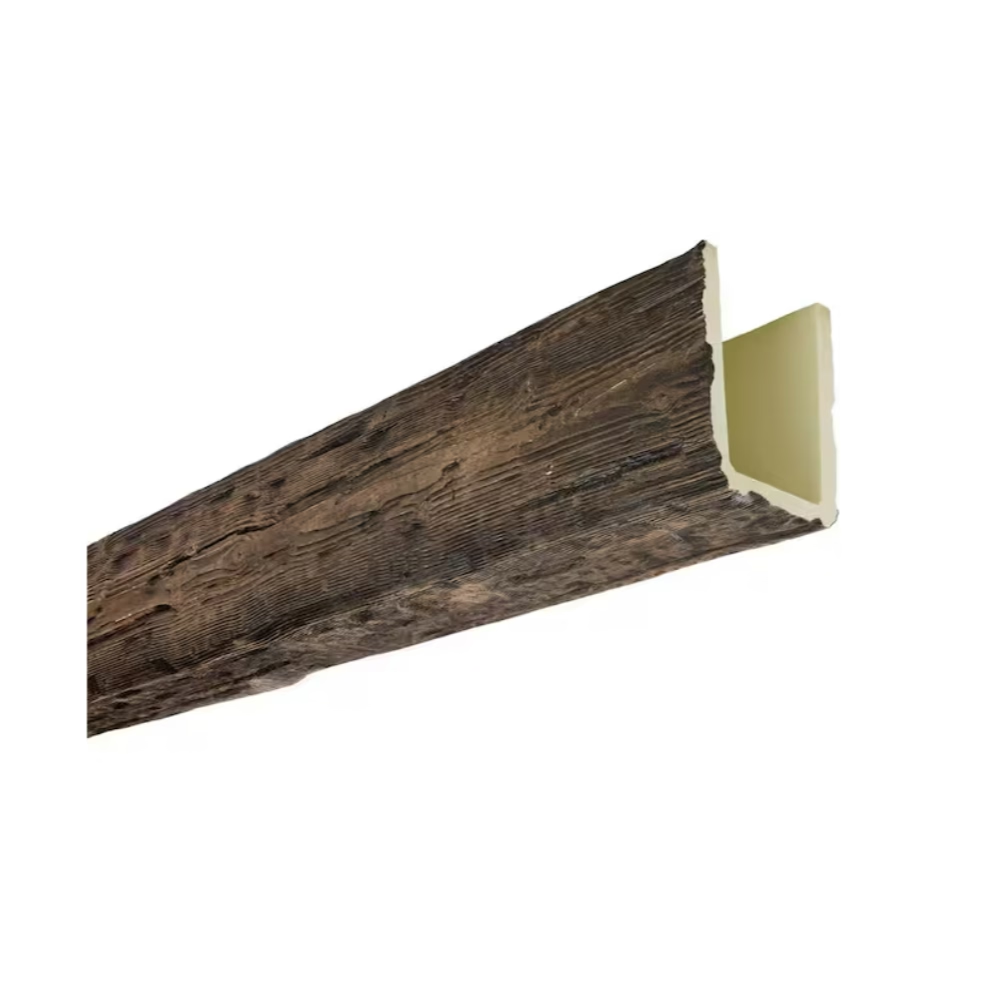
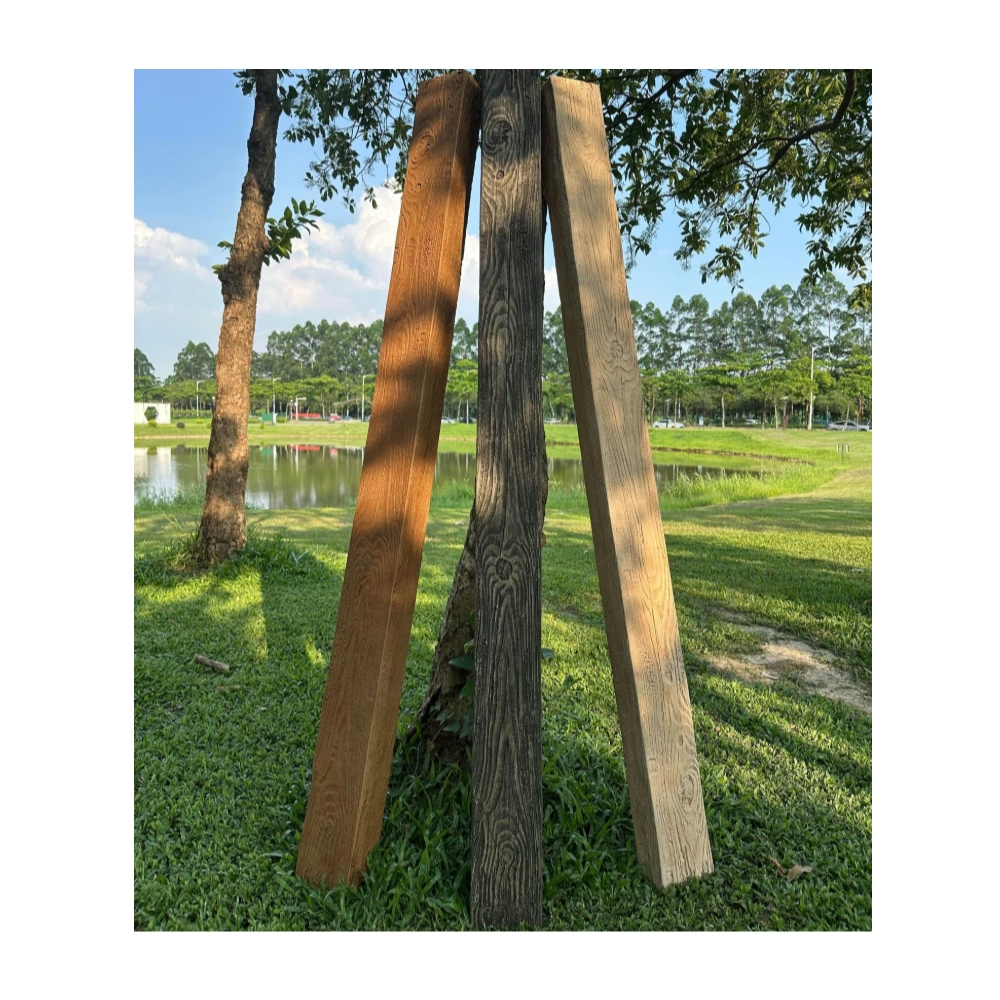
The home bar has evolved from occasional novelty to essential element of contemporary residential design. As open floor plans have replaced isolated rooms, the bar has emerged as a social hub where friends gather, conversations flow, and the rituals of mixing and sharing drinks create connections that matter. Designing this space well requires attention to atmosphere, and ceiling beams play a crucial role in establishing the character that makes bars feel special.
Modern home bars face design challenges that traditional commercial establishments never encountered. Residential ceilings are typically lower, spaces are smaller, and the bar must coexist with adjacent living areas rather than existing as a distinct destination. Beams that work in this context must provide character without overwhelming, adding warmth without consuming visual space.
Why Home Bars Need Special Treatment
Bars exist for social purposes, and their design should actively support those purposes. The right atmosphere encourages the relaxed conversation and lingering enjoyment that distinguish casual drinking from mere consumption. Beams contribute to this atmosphere by adding visual interest at eye level when seated, creating intimacy through architectural definition, and establishing character that makes the space memorable.
Residential bars often occupy transitional spaces that require careful design to feel intentional rather than accidental. Basements, corner nooks, and portions of open living areas all present challenges: how to create bar presence without physical walls, how to establish character without visual heaviness, how to make the space feel special without overwhelming adjacent rooms. Beams address these challenges by providing overhead presence that defines space without requiring walls.
Lighting integration represents another opportunity unique to bar settings. The pendant fixtures, backlit shelving, and ambient illumination that characterize great bars interact with beams to create layered visual effects. Beams provide mounting structure for fixtures while contributing warmth that softens artificial lighting and creates the welcoming glow that distinguishes exceptional bar environments.
Beam Selection for Bar Contexts
Bar settings benefit from specific beam characteristics that differ from other residential applications. Understanding these characteristics helps select beams that will perform optimally in bar environments.
Scale appropriateness matters more in bars than in many other applications. The intimate scale of most residential bars means that oversized beams can dominate the space inappropriately. More moderate proportions—beams in the four to six inch range—provide presence without overwhelming. The visual weight should complement rather than compete with the bar itself and its accessories.
Finish selection for bars should consider lighting conditions and color schemes. Warm-toned beams complement the amber glow of pendant lighting and backlit bottles, creating cohesive atmosphere. Cooler grey tones can work in contemporary settings with modern fixtures but require more careful coordination with other elements. The goal is creating harmony between beams and the overall bar design.
Texture level depends on the overall bar style. Contemporary bars with clean-lined fixtures benefit from smoother beam surfaces that maintain the refined aesthetic. More rustic bar styles—reclaimed wood bars, sports-themed spaces, cabin-style retreats—can accommodate more pronounced beam textures that reinforce the casual atmosphere.
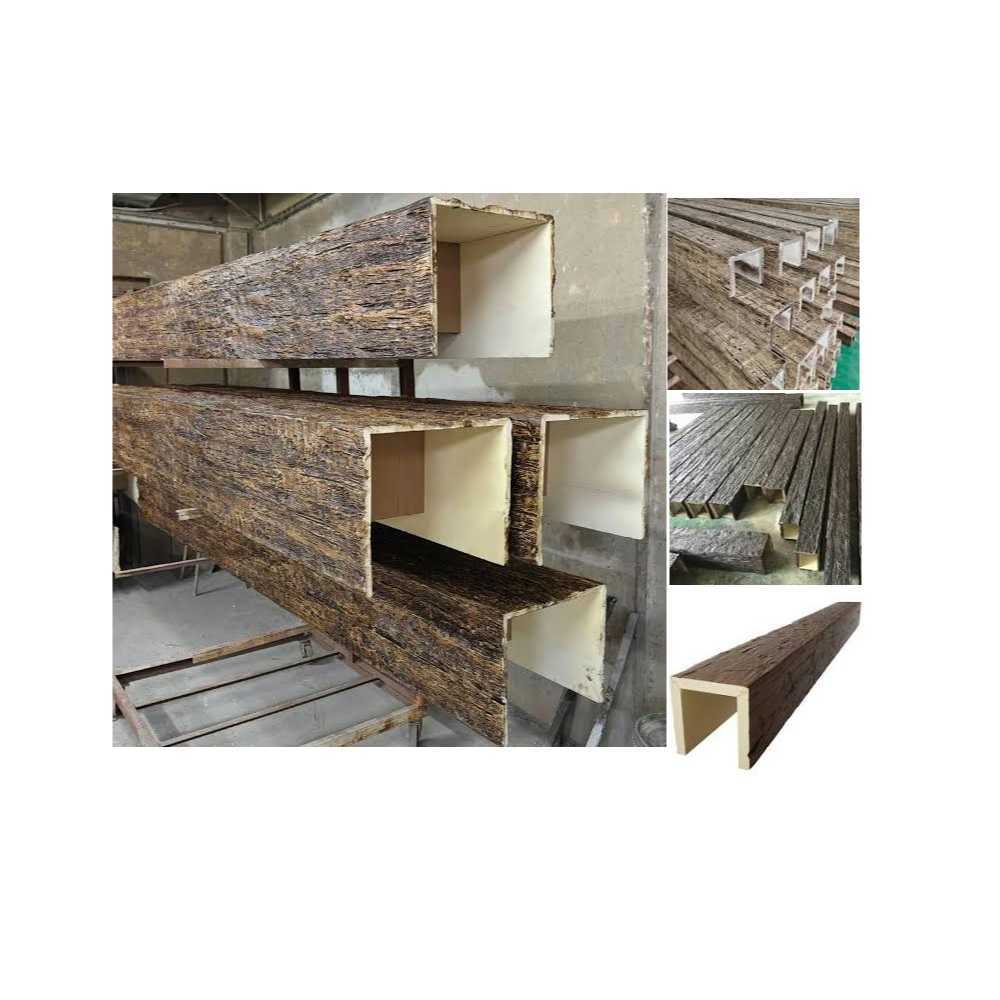
Creating Intimate Atmosphere
Bars succeed when they feel intimate despite often being smaller than the living areas they serve. Beams contribute to this intimacy through careful placement and proportion.
Lower ceilings in many bar settings create inherent intimacy, and beams should enhance rather than fight this characteristic. Beams that span the room's short dimension can visually compress the space, creating the snug feeling that distinguishes bars from open living areas. This orientation also creates visual interest without requiring wide beam spacing.
Beam spacing in intimate bars should be tighter than in larger living spaces. The compressed ceiling plane created by close spacing reinforces the intimate atmosphere while adding visual texture that prevents the ceiling from feeling flat or unfinished. Beams spaced at twelve to eighteen inch intervals create richness without the heaviness of more widely spaced larger beams.
Overhead structure above bars can include more than just primary beams. Secondary purlins, cross beams, or decorative elements between main beams add detail that rewards closer attention. This layered approach works particularly well in bars where guests spend time looking around the space rather than focusing straight ahead.
Integration with Bar Elements
Home bars feature distinctive elements that must coordinate with ceiling beams: backlit shelving, bottle storage, glassware displays, and bar furniture. Successful design ensures that beams complement rather than conflict with these components.
Backlit shelving creates dramatic lighting effects that beams can frame or accentuate. Beams positioned above or beside illuminated shelves create compositional elements that organize the visual complexity of bottle displays. The warm light reflecting off beam surfaces adds dimension that enhances the overall lighting effect.
Bottle storage at various heights creates visual interest across a range of vertical positions. Beams provide opportunities for organizing this vertical composition, creating horizontal elements that ground bottle displays and provide visual rest between zones of complexity. Strategic beam placement can help sequence the visual experience as guests look around the bar.
Bar furniture—stools, tables, service areas—should relate appropriately to the beam installation overhead. The visual weight of beams should balance with furniture scale, neither overwhelming small-scale bar elements nor disappearing above oversized furniture. Consider the sight lines from seated positions when planning beam placement.

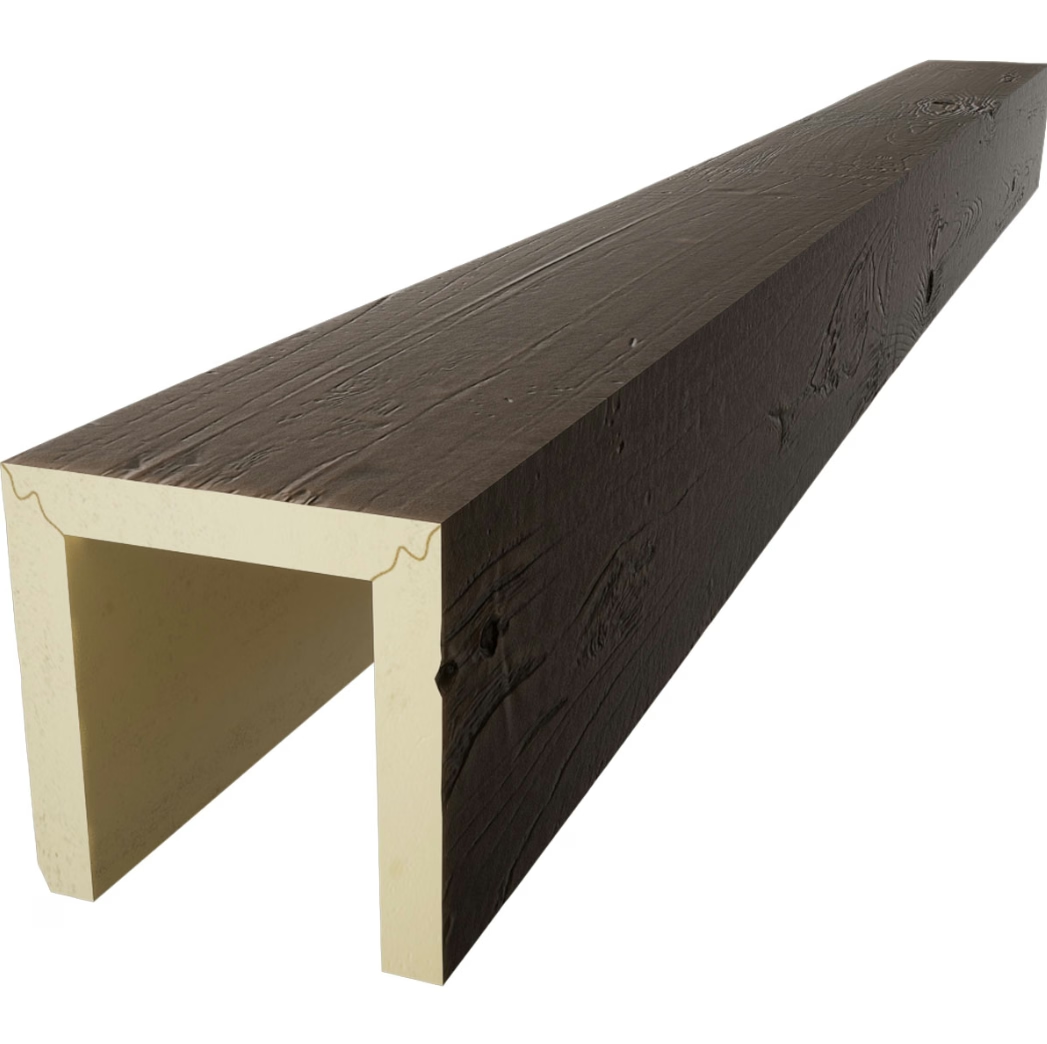
Practical Considerations for Home Bars
Home bars present practical challenges that affect beam selection and installation. These considerations should inform design decisions alongside aesthetic preferences.
Moisture exposure in bars with drink service requires attention to material performance. While polyurethane beams resist moisture better than real wood, the finishes should tolerate occasional spills or humidity without damage. Quality faux beams designed for bar applications should specify moisture tolerance appropriate to the expected exposure.
Ventilation considerations affect beam placement relative to service areas. Beams directly above active service zones may be exposed to more heat, moisture, and grease than those in adjacent areas. Mounting positions should account for range hood placement, exhaust fan locations, and the natural flow of heat and moisture through the space.
Cleaning and maintenance access should inform beam placement decisions. While faux beams require less maintenance than real wood, they will eventually need dusting or cleaning, particularly in bar environments where grease and dust accumulate more readily than in living areas. Placing beams where access is reasonable prevents neglect that might compromise appearance over time.
Style Variations for Different Bar Types
Home bars span a wide range of styles, from sleek contemporary designs to rustic retreat aesthetics. Beams should reinforce the specific style being implemented rather than introducing contradictory elements.
Contemporary bars feature clean lines, minimal ornament, and sophisticated material combinations. Beams for these applications should complement rather than compete: smooth surfaces, refined proportions, and finishes that coordinate with adjacent modern materials. The beams should read as architectural elements rather than decorative additions.
Sports bar themes incorporate secondary elements like team colors, memorabilia displays, and multiple screens. Beams in these settings can provide framing for these elements while maintaining the casual, energetic atmosphere. More robust beam profiles work well in these environments where the atmosphere might be more boisterous than refined.
Man cave bars embrace masculine aesthetics with darker tones, heavier materials, and relaxed comfort. Beams for these applications can be more substantial and rustic, providing presence that reinforces the comfortable, informal character. Dark finishes, pronounced textures, and visible joinery details contribute to the authentic retreat feeling.
Lighting Integration Strategies
Bar lighting requires careful layering that beams can enhance or complicate. The relationship between beams and lighting fixtures should be established early in the design process.
Pendant lighting over bars and seating areas creates focused illumination while adding decorative interest. Beams provide mounting structure for these fixtures, with positioning determining both functional lighting and visual composition. Multiple pendants over long bars should align with beam positions for clean sight lines and straightforward installation.
Ambient lighting in bars typically includes recessed fixtures, wall sconces, and decorative elements like backlit shelving. Beams can help organize this layered lighting, creating zones and transitions that make the lighting composition feel intentional rather than assembled.
LED strip lighting installed beneath or behind beams creates dramatic uplighting effects that wash the ceiling with color. These effects work particularly well in contemporary bars where dynamic lighting contributes to the overall atmosphere. The lightweight nature of polyurethane beams makes this installation straightforward without requiring structural reinforcement.
Building Your Perfect Home Bar Atmosphere
The combination of vintage faux beams and thoughtful bar design creates spaces that become natural gathering points for friends and family. The warmth of timber-inspired overhead structure softens the contemporary elements that characterize most home bars while providing the architectural presence that distinguishes special spaces from ordinary ones.
Consider how your bar will be used when planning beam installations. Spaces for intimate conversations benefit from the intimate atmosphere that tighter beam spacing creates. Entertainment-focused bars might use more dramatic beam installations as visual anchors for the space. Family bars where children might be present should consider durability alongside aesthetic appeal.
The investment in quality beams pays dividends in the lasting enjoyment of your bar space. Unlike trend-driven decorative elements that may date quickly, classic beam aesthetics maintain their appeal across changing design fashions. Your beams provide a foundation for evolving bar accessories and decorations that accumulate personal meaning over time.
PU faux beams transform home bars from functional spaces into memorable destinations. By adding warmth, character, and architectural presence, these versatile elements create the atmosphere that makes home bars worth visiting again and again.
Technical References
ASTM standards cited in every specification
Test Data
Lab results from internal testing program
Updated 2026
Reviewed against current product specs