Wine appreciation has become an integral part of contemporary lifestyle, with enthusiasts dedicating substantial spaces to storing, displaying, and savoring their collections. The wine tasting room—whether a dedicated cellar, a converted closet, or a corner of an open living area—deserves design attention proportional to the pleasure it provides. These spaces serve purposes beyond mere storage: they are sanctuaries for contemplation, stages for social gatherings, and expressions of personal taste that reveal much about their owners.
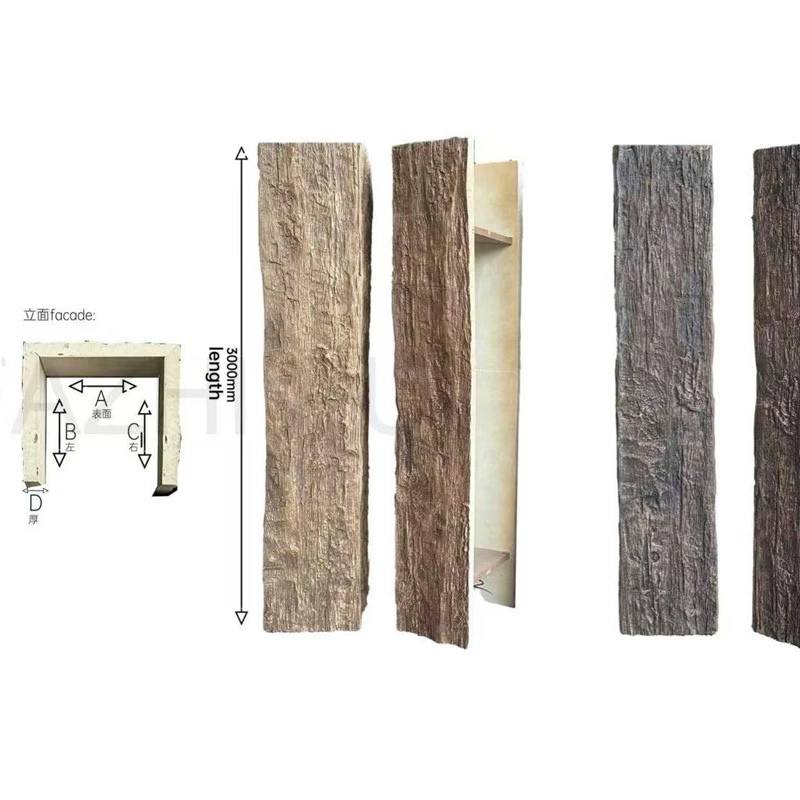
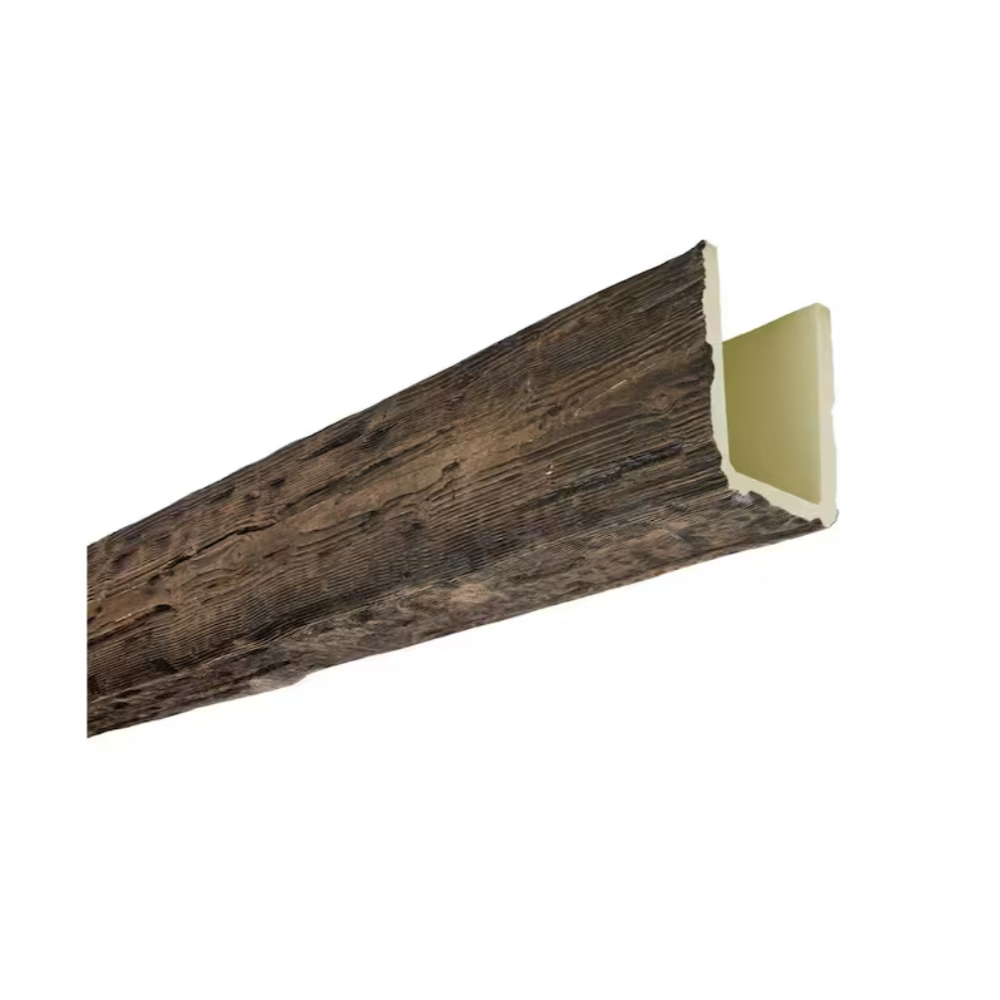
Ceiling treatment significantly affects the atmosphere of wine spaces. The intimate scale of most tasting rooms means that every surface contributes to the overall impression. Beams provide overhead presence that adds warmth and architectural interest while helping to define these spaces within larger room configurations. The right beam treatment transforms utilitarian storage into genuine destination.
The Character of Wine Spaces
Wine appreciation involves all the senses, and great tasting rooms engage each deliberately. Visual atmosphere sets the stage before the first sip, establishing expectations and influencing mood. The visual character of a tasting room should support the contemplative, sophisticated experience that wine appreciation involves.
Warmth is essential in wine spaces. The rich colors of aged wood, the amber glow of appropriate lighting, the soft reflections from glass surfaces—all contribute to an atmosphere that invites lingering. Cool or harsh elements disrupt this warmth, creating spaces that feel inhospitable despite their functional adequacy. Beams in warm tones provide overhead warmth that radiates throughout the space.
Intimacy suits wine appreciation. The focused attention that wine tasting requires benefits from spaces that feel enclosed and focused rather than open and expansive. Beams contribute to this sense of enclosure by breaking up the ceiling plane and creating visual boundaries that direct attention inward and downward.
Beam Selection for Wine Aesthetic
Wine spaces benefit from specific beam characteristics that support the aesthetic goals of sophisticated wine appreciation. These characteristics should inform selection decisions alongside practical considerations.
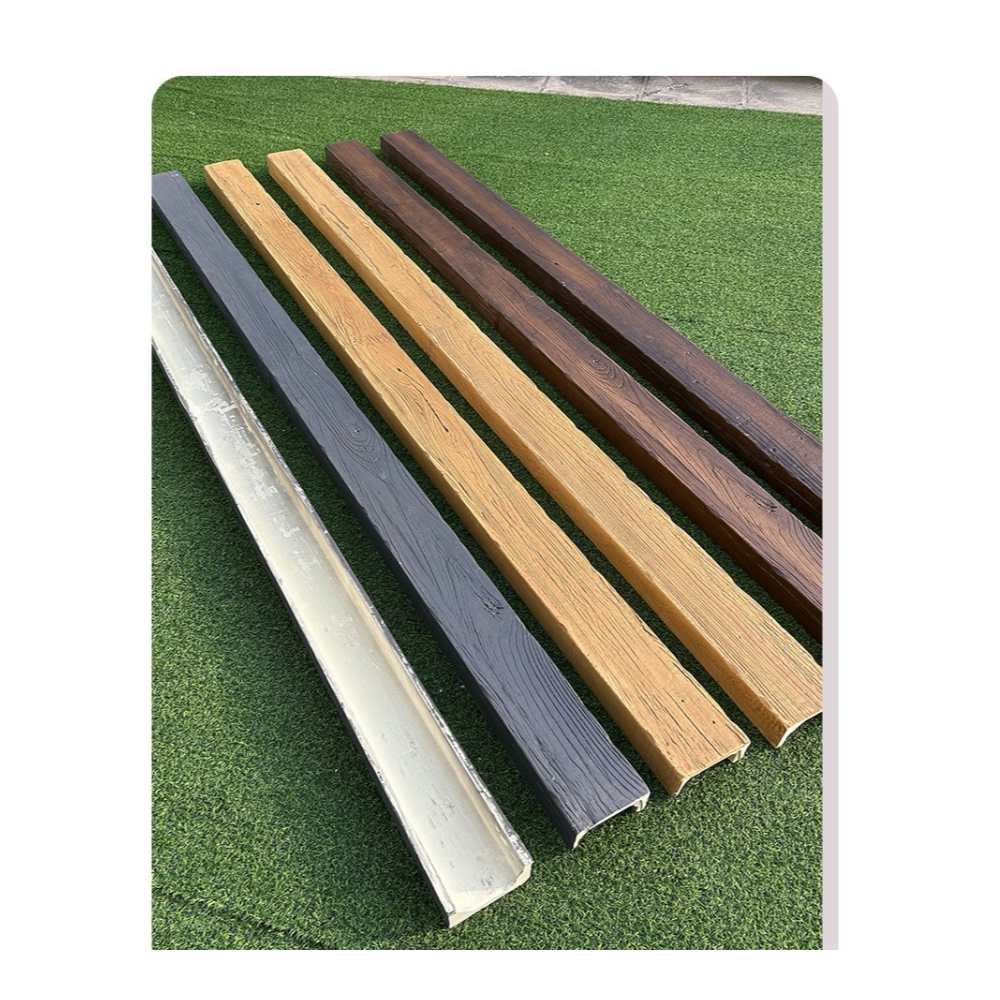
Warm-toned finishes serve wine spaces better than cool grey or stark white options. The honey, amber, and rich brown tones of classic wood finishes complement wine colors and create visual harmony with the surrounding aesthetic. Oak tones work particularly well, echoing the oak influence in many wines while providing sophisticated visual presence.
Refined surface textures rather than rustic distressing suit wine room applications. The deliberate, contemplative nature of wine appreciation benefits from the quiet elegance that smoother surfaces provide. Heavy distressing or obvious artificial aging can feel out of place in spaces designed for sophisticated enjoyment.
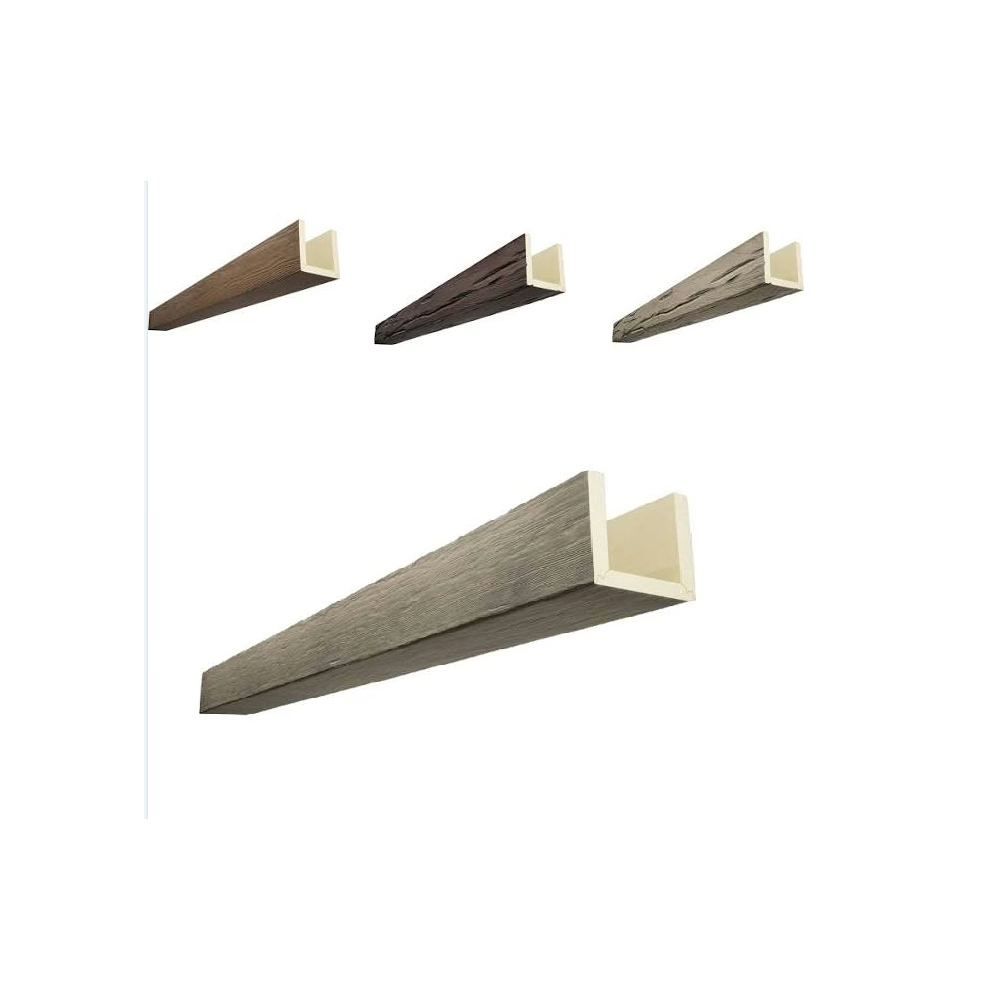
Proportionate scale matters in intimate wine rooms. Large, heavy beams can overwhelm small spaces, creating visual heaviness that contradicts the light, focused atmosphere wine appreciation requires. More moderate proportions—beams in the four to six inch range—provide presence without dominating.
Designing Wine Tasting Zones
Whether your wine space occupies a dedicated room or a portion of a larger area, beams can help establish distinct zones that serve specific functions within the overall composition.
The primary tasting zone, where wine is actually consumed and discussed, benefits from overhead treatment that creates focus. Beams positioned above the tasting table or seating area draw attention downward while providing the warmth that supports extended enjoyment. This zone might feature more elaborate beam treatment than surrounding areas, creating visual hierarchy that emphasizes the tasting function.
Display areas showcasing wine collections benefit from beam treatment that frames rather than competes with the bottles themselves. Beams positioned to create compositional framing around wine storage help organize visual complexity while contributing warmth that prevents display areas from feeling cold or institutional.
Transition zones between wine space and adjacent rooms benefit from beam treatment that bridges the difference between wine room intimacy and surrounding openness. Carefully positioned beams create gradual transitions that prevent jarring visual changes when moving between spaces.
Material Coordination in Wine Spaces
Wine rooms typically incorporate multiple material types that must be coordinated for successful design. Beams play a crucial role in creating visual unity while allowing material diversity that adds interest.
Wood elements beyond beams frequently appear in wine spaces: barrel elements, rack construction, furniture, and decorative objects. Beams should complement rather than compete with these existing wood elements. When possible, select beam finishes that relate to other wood in the space, creating cohesion that prevents visual fragmentation.
Metal elements—bottle racks, fixtures, hardware—introduce reflective surfaces that interact with beam treatments and lighting. Warm metal finishes like bronze, brass, and copper complement warm-toned beams beautifully. Cool metals like stainless steel require more careful integration with beam selection.
Stone and brick surfaces add textural interest that pairs naturally with timber overhead. The warm earth tones of many stone varieties harmonize with classic wood beam finishes. When stone or brick appears in wine spaces, beam selection should consider how these materials will interact visually.

Lighting Considerations for Wine Rooms
Wine spaces require careful lighting design that beams significantly influence. The interaction between beams, lighting fixtures, and surfaces creates the layered illumination that great wine rooms achieve.
Task lighting for label reading and pour evaluation requires sufficient brightness and appropriate color temperature. Beams should not obstruct or complicate this functional lighting but rather provide structure for fixture mounting and visual backdrop that allows task lighting to perform effectively.
Ambient lighting sets the overall mood and should be warm without being dim. Beams contribute to this ambient layer by reflecting and diffusing light from fixtures mounted on or near their surfaces. The warm-toned finishes appropriate for wine spaces enhance this reflective effect, contributing to overall warmth.
Accent lighting highlights architectural features and wine displays, creating visual interest and depth. Beams provide mounting structure for accent fixtures while themselves becoming accent elements when illuminated from below or beside. The interplay between beams and accent lighting creates the layered visual complexity that distinguishes exceptional wine rooms.
Style Variations for Different Wine Themes
Wine spaces can embrace various stylistic directions, each suggesting different beam treatments and overall design approaches. Understanding these variations helps create wine rooms that feel authentic to specific aesthetic preferences.
Traditional wine cellars reference the historic European cellars where wine was stored before modern climate control. Dark wood, stone, and subdued lighting create intimate, mysterious atmosphere. Beams in darker finishes with subtle texture support this traditional aesthetic while providing practical overhead presence.
Contemporary wine rooms embrace clean lines, modern materials, and sophisticated minimalism. These spaces benefit from refined beam treatment that complements rather than overwhelms the contemporary aesthetic: smoother surfaces, more restrained proportions, and finishes that coordinate with adjacent modern materials.
Wine cave or grotto aesthetics draw on romantic associations with subterranean cellars and mysterious origins. These spaces might feature more dramatic beam treatment—larger proportions, more pronounced texture, darker finishes—creating the sense of hidden discovery that the aesthetic evokes.
Practical Wine Room Considerations
Beyond aesthetics, wine spaces present practical requirements that affect beam selection and installation. These considerations should inform design alongside purely visual preferences.
Temperature and humidity control in wine spaces affects material performance. While quality faux beams tolerate environmental variation better than real wood, the finishes should be specified for the expected conditions. Spaces with significant climate control variation may benefit from beam finishes with enhanced durability.
Vibration and movement from climate control systems should not affect beam installations. Quality mounting methods ensure that beams remain stable despite minor building movement. This consideration is particularly important in basement installations where climate control equipment might create subtle vibrations.
Accessibility for cleaning and maintenance should inform beam placement decisions. Wine rooms should remain presentable for entertaining, requiring surfaces that can be maintained without excessive effort. Beams positioned where access is reasonable simplify ongoing maintenance.
Creating Your Wine Sanctuary
The wine tasting room you create should reflect your specific relationship with wine: the types you enjoy, the way you share them, and the atmosphere that enhances your appreciation. Beams provide architectural foundation for this personal expression while maintaining the sophisticated character that wine spaces deserve.
Consider how you actually use your wine space when planning beam installations. Spaces for solitary contemplation might emphasize intimacy and quiet refinement. Entertainment-focused rooms benefit from designs that impress guests while remaining functional for service. Family wine spaces might balance sophistication with durability appropriate to less formal use.
The warmth and character that vintage faux beams provide creates atmosphere that enhances wine appreciation. The overhead presence adds visual richness without demanding attention, establishing the refined setting that wine moments deserve.
PU faux beams transform wine spaces from storage rooms into genuine sanctuaries. By providing architectural presence and warm material character, these elements create the atmosphere that makes home wine appreciation such a rewarding pursuit.
Technical References
ASTM standards cited in every specification
Test Data
Lab results from internal testing program
Updated 2026
Reviewed against current product specs