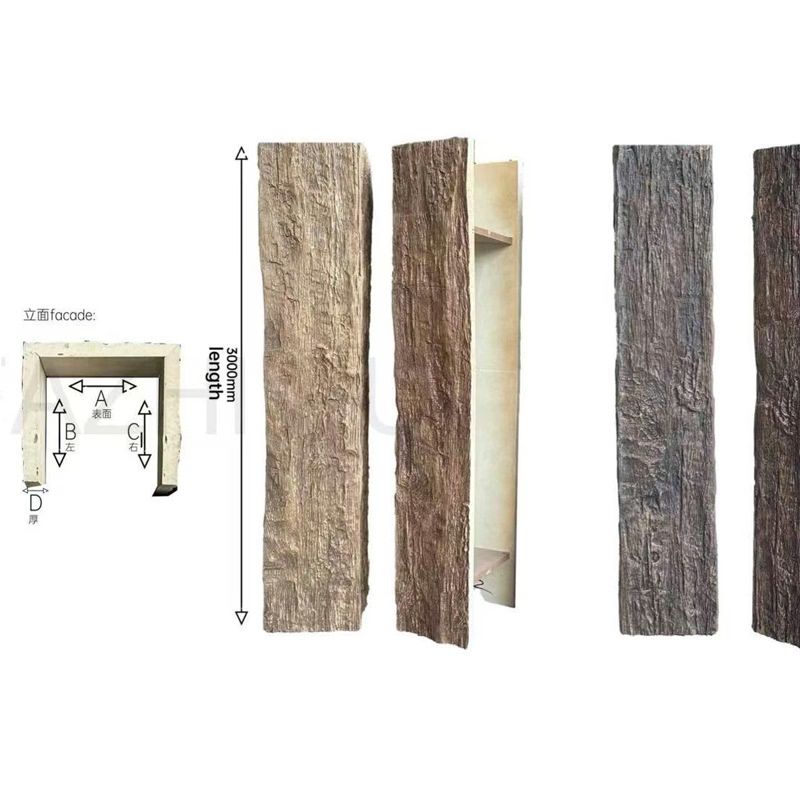
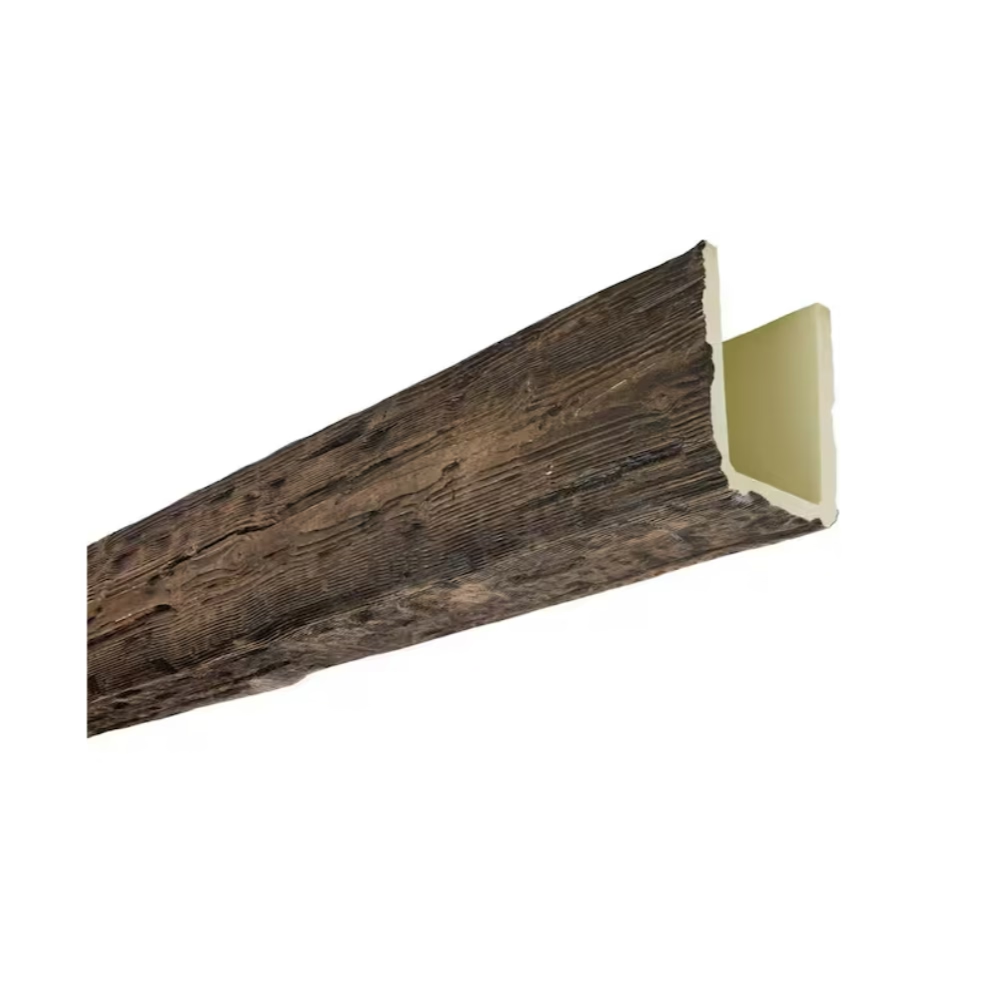
The ceiling remains the most neglected surface in most rooms. Walls get paint, floors get upgraded, furniture gets replaced—but that vast expanse above often stays exactly as the builder left it: flat, blank, and completely forgettable. This represents a tremendous opportunity for transformation that faux wood beams uniquely address.
A plain ceiling presents both challenge and canvas. Without existing architectural detail, there's nothing to fight against or work around. The space is genuinely neutral, waiting for vision to shape it. Faux wood beams provide that vision with immediate impact, creating the impression of structural timber that brings warmth, texture, and three-dimensional presence to spaces that lacked all three.
Understanding Ceiling Visual Dynamics
Ceilings affect room perception in ways that most people never consciously consider. High ceilings create aspiration and formality but can feel cold or empty when under-decorated. Low ceilings feel intimate but risk claustrophobia if overly decorated. Beams provide flexibility to adjust these perceptions: lower-profile beams on high ceilings add warmth without overwhelming; substantial beams on low ceilings can paradoxically make spaces feel taller through vertical lines and shadow.
Light interaction determines how beams read visually throughout the day. North-facing rooms with consistent soft light show beams as subtle enhancements that add texture without drama. South-facing rooms with shifting natural light reveal beams differently at each hour, with shadows moving across grain patterns and creating living surfaces that reward attention. Understanding your room's light helps select appropriate beam scale and finish.
Color relationships between beams and ceiling surfaces affect perceived height. Light-colored beams on light ceilings recede slightly, creating understated enhancement. Darker beams against light surfaces make stronger statements, with shadow gaps between beams and ceiling adding perceived depth. High-contrast combinations create definition that reads clearly even in dim artificial lighting.
Beam Configuration Options
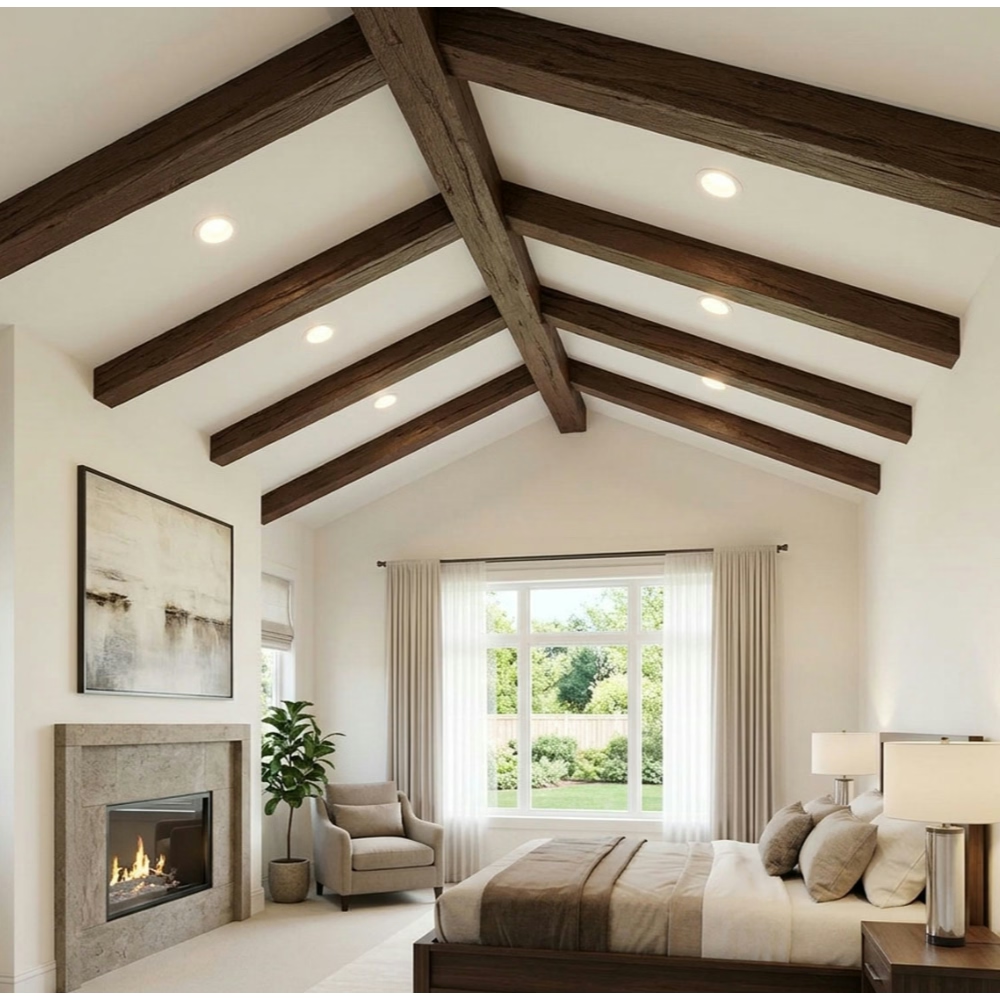
Parallel beams create the most traditional ceiling beam appearance, with equal spacing producing formal rhythm. This configuration works well in rectangular rooms where beams run perpendicular to the room's longer axis. The repetition establishes pattern that the eye follows, creating movement that prevents static feeling.
Single accent beams make dramatic statements in simpler spaces. A single beam spanning the room's width at the visual center draws attention without cluttering. This approach works particularly well in minimalist interiors where additional decoration might create visual noise. The beam becomes sculpture, appreciated for its own qualities rather than as part of a larger pattern.
Cross-beam arrangements create grid patterns that add complexity. This approach suits larger spaces where parallel beams alone might seem lost. The intersection points create visual anchors, and the grid pattern establishes strong architectural reference that organizes the space below.
Polyurethane Performance Advantages
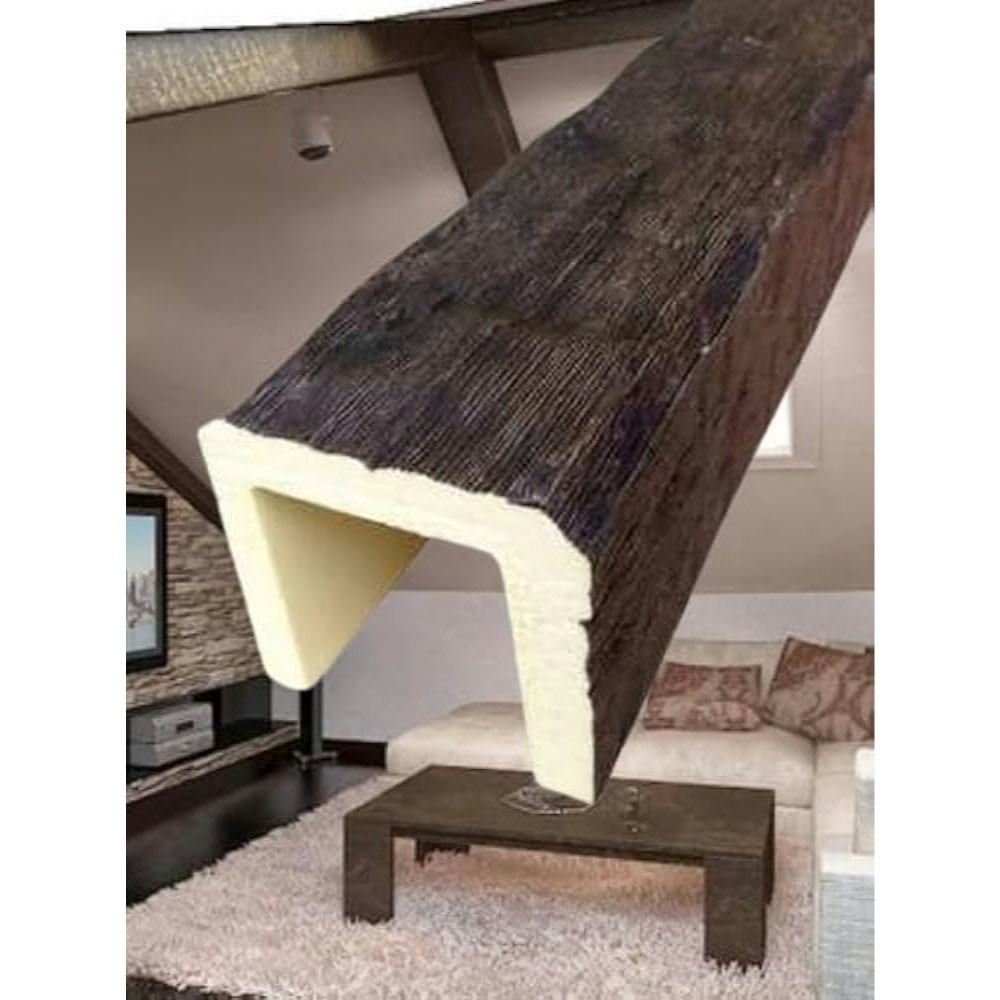
The performance characteristics of polyurethane make it the practical choice for ceiling applications. Weight considerations dominate: genuine timber of equivalent visual impact might weigh forty pounds per linear foot; our PU beams weigh three to five pounds. This difference eliminates structural concerns that might otherwise limit ceiling applications.
Dimensional stability ensures that beams maintain appearance regardless of environmental conditions. Real wood expands and contracts with humidity changes, potentially creating gaps, twists, or surface checking. Polyurethane remains dimensionally consistent, maintaining tight joints and consistent appearance through seasons and years.
Moisture resistance matters in ceiling applications where temperature differentials between heated rooms and unheated attics create condensation risk. Real wood in these conditions might develop mold, rot, or finish failures. Polyurethane tolerates these conditions without degradation, making it practical for spaces where genuine timber would be problematic.
Scale Selection for Your Space
Room dimensions should guide beam size selection. As a starting point, beam depth should relate to ceiling height: deeper beams for higher ceilings, shallower for lower. A common guideline suggests beam depth equal to roughly one-twelfth to one-fifteenth of ceiling height, adjusted based on personal preference and style direction.
Beam length affects visual impact and installation complexity. Beams that span the full room width make stronger statements than shorter sections, but require careful handling and precise measurement. Some installers prefer shorter sections that are easier to manage, accepting the joint lines as acceptable trade-offs.
Spacing proportionally affects how beams read in context. Wider spacing creates bolder individual elements but might leave the ceiling feeling sparse between beams. Tighter spacing creates more continuous pattern but can become visually busy, particularly in smaller rooms where ceiling is already compressed.
Finish Selection for Enhancement Goals
Natural wood tones—oak, honey, walnut—bring warmth that complements most interior color schemes. These finishes photograph well under various lighting conditions and maintain appeal over time without appearing dated. Warm wood tones work particularly well with neutral walls, allowing beams to serve as accent elements.
White and grey finishes provide texture without the weight of traditional wood tones. These options suit contemporary and minimalist interiors where dark wood might feel incongruous. White-washed beams can brighten spaces while maintaining the organic character that wood texture provides regardless of color.
Dark stains—espresso, charcoal, almost black—create dramatic contrast that defines spaces strongly. These options work in rooms with substantial other wood elements, providing weight that balances the overall composition. Dark beams photograph dramatically but require careful integration with lighting and adjacent surfaces.
Installation Planning and Preparation
Accurate measurement forms the foundation of successful installation. Measure the full beam path at multiple points, accounting for walls that might not be perfectly straight. Note all obstructions—light fixtures, ceiling fans, HVAC vents—and plan beam routing or modifications to accommodate them.
Layout marking before any permanent installation prevents errors that become increasingly expensive to fix. Chalk lines or painter's tape create visual reference that reveals spacing and alignment issues before commitment. This dry-run phase might seem like wasted time but consistently prevents much more costly problems.
Structural mounting requires understanding what lies above your ceiling. Exposed joists offer direct mounting opportunities; finished ceilings require different approaches. Stud finders and careful probing identify framing locations for secure fastening. The goal is beams that remain secure under any condition they might encounter.
Enhancing Specific Room Types
Living rooms benefit significantly from ceiling beam enhancement. These spaces serve multiple functions and receive varied use throughout the day, making visual interest particularly valuable. Beams above seating areas create intimate zones within larger rooms; beams spanning entire ceilings unify disparate functional areas.
Kitchens with beam additions achieve the farmhouse aesthetic that many homeowners seek. The cooking area's association with rustic warmth makes beams natural additions, and the texture provides welcome contrast against smooth cabinets and countertops. Beams above kitchen islands create visual anchors for the room's primary activity zone.
Bedroom beam installations create retreat-like atmospheres appropriate for sleeping spaces. The softening effect of wood texture and the architectural interest of beam patterns contribute to bedroom character without requiring additional furniture or decor. Beams above beds frame sleeping areas without enclosing them.

Long-Term Satisfaction
Quality beams maintain their appearance indefinitely with minimal maintenance. Unlike real wood that might require periodic refinishing or repair, polyurethane retains its factory-applied finish through years of normal use. This durability provides lasting satisfaction without ongoing care requirements.
The timeless nature of wood aesthetics ensures that beam installations remain appealing regardless of changing design trends. While specific finishes might go in and out of fashion, wood texture generally maintains broad appeal. A beam installation represents long-term investment in space enhancement rather than trend-chasing that might date quickly.
Professional installation ensures that enhancement goals are fully realized. While many homeowners successfully install beams as DIY projects, professional installers bring experience that prevents common mistakes and ensures optimal results. The cost of professional installation often pays for itself in time saved and problem prevention.
Technical References
ASTM standards cited in every specification
Test Data
Lab results from internal testing program
Updated 2026
Reviewed against current product specs