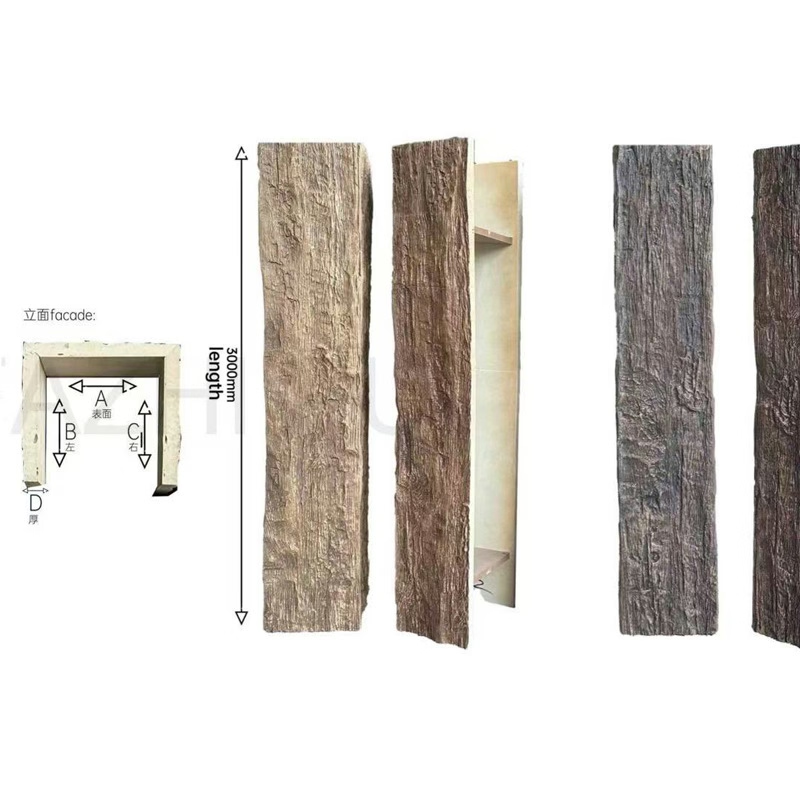
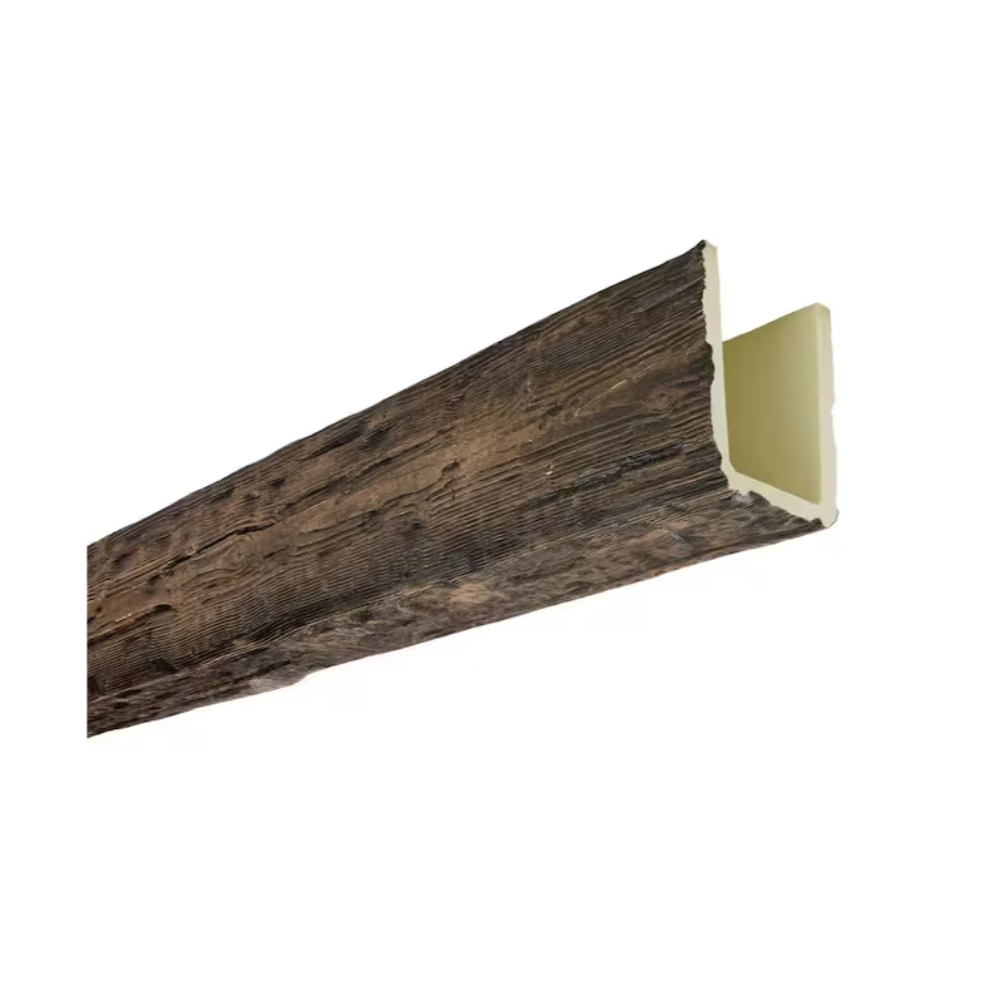
Family rooms serve as the heartbeat of most homes, where generations gather for movie nights, homework sessions, and lazy Sunday afternoons. The design choices in these spaces directly impact how comfortable and welcoming the room feels to everyone who enters. Warm accent faux wood beams have emerged as a transformative element that designers and homeowners increasingly turn to when seeking that perfect balance between rustic charm and practical elegance.
The appeal of these beams lies in their remarkable ability to instantly add depth and visual interest to any ceiling. Unlike bare flat ceilings that can feel clinical or uninspired, rooms adorned with exposed beam accents create an immediate sense of intimacy and architectural character. The warm tones of wood-look beams draw the eye upward, making spaces feel both more substantial and more inviting. In family rooms where children might feel overwhelmed by too much open space, this vertical definition helps create a contained, protected feeling that encourages relaxation.
Modern polyurethane faux wood beams represent significant advances over their historical counterparts. Where traditional timber beams required structural support and specialized installation, today's lightweight PU options can be mounted directly to existing ceilings using basic tools and hardware. This accessibility opens up possibilities for homeowners who might have previously dismissed beam installations as too complex or expensive for their skill level. The material itself resists moisture, warping, and insect damage, ensuring that the warm aesthetic remains intact for years without demanding ongoing maintenance or refinishing.
Design Strategies for Family Room Beam Installations
When planning beam installations in family rooms, considering the room's primary functions helps guide placement decisions. Spaces primarily used for television viewing benefit from beams that frame the viewing area without obstructing sightlines or interfering with projector setups. The beams create a natural focal point that draws attention to the entertainment zone while adding visual warmth that commercial media rooms often lack. Some homeowners choose to install beams in a parallel pattern across the ceiling, creating a sense of direction that subtly guides furniture arrangement and traffic flow.
Open-concept family rooms that flow into kitchens or dining areas require thoughtful beam placement to maintain visual continuity across spaces. Installing beams that extend from the family room ceiling into adjacent areas creates an architectural thread that connects different zones while allowing each space to maintain its distinct character. This approach works particularly well in homes where the family room serves multiple purposes, from children's play area to adult relaxation zone. The beams help designate the family room as a special area without requiring walls or other physical dividers that might make the space feel smaller.
Color selection for family room beams should harmonize with existing furniture, flooring, and wall treatments while providing enough contrast to make the beams visually prominent. Rich honey tones complement lighter oak or maple flooring beautifully, while darker walnut or espresso finishes pair well with leather furniture and neutral wall colors. The goal is creating a cohesive palette where beams feel like a natural extension of the room's existing design rather than an afterthought addition.

Maintaining Visual Balance with Existing Decor
Successful beam installations respect the room's existing scale and proportion. In family rooms with lower ceilings, thinner beams installed in a simple grid pattern add warmth without overwhelming the space. Conversely, grander rooms with higher ceilings can accommodate more substantial beams, perhaps in a more complex arrangement that takes full advantage of the vertical real estate. The key is matching beam dimensions to room dimensions so that neither element dominates inappropriately.
Integrating beams with existing architectural features requires careful attention to detail. Fireplace surrounds, built-in bookshelves, and window trim all provide opportunities to echo beam colors and textures throughout the room. When these elements share visual continuity, the space achieves a unified, intentional appearance that feels professionally designed. Homeowners often find that beams serve as a unifying element that pulls together disparate design choices into a cohesive whole.
Lighting integration represents another opportunity for enhancing beam installations in family rooms. Recessed lighting positioned between beams creates layered illumination that highlights the beam textures while providing functional task lighting. Pendant fixtures hung from beams add focused pools of light over specific activity zones, such as reading chairs or game tables. The interplay between natural light, ambient fixtures, and accent lighting transforms the room throughout the day, ensuring that the beams remain visually interesting regardless of viewing angle or time of day.
The investment in quality faux wood beams pays dividends that extend beyond initial installation. These architectural elements consistently rank among the top features that potential homebuyers look for when evaluating properties, meaning the installation represents both an immediate aesthetic improvement and a long-term investment in property value. For families who plan to enjoy their space for years before selling, beams deliver daily enjoyment while building equity for the future.
Technical References
ASTM standards cited in every specification
Test Data
Lab results from internal testing program
Updated 2026
Reviewed against current product specs