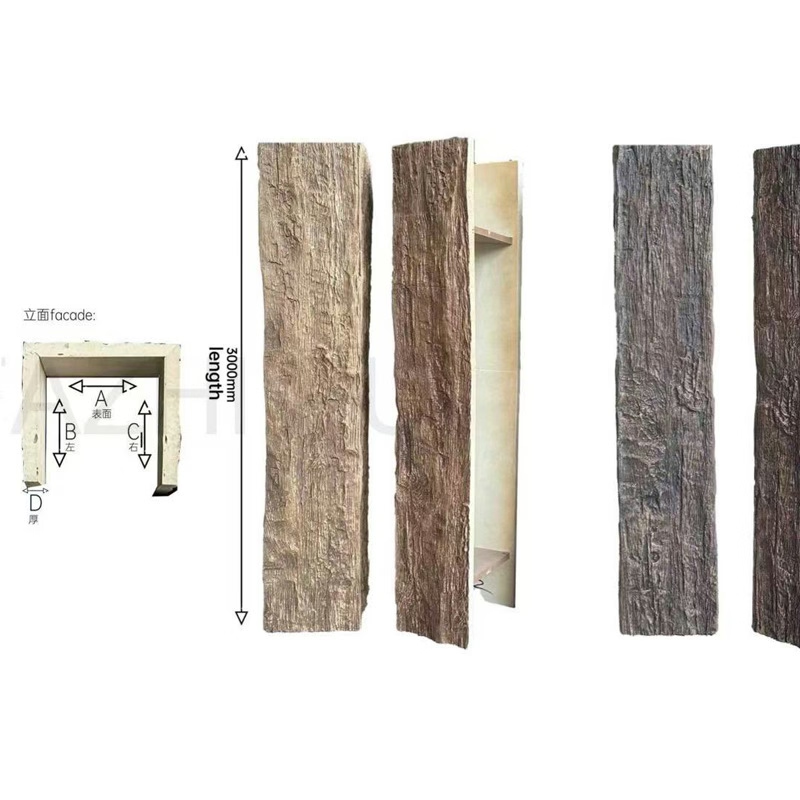
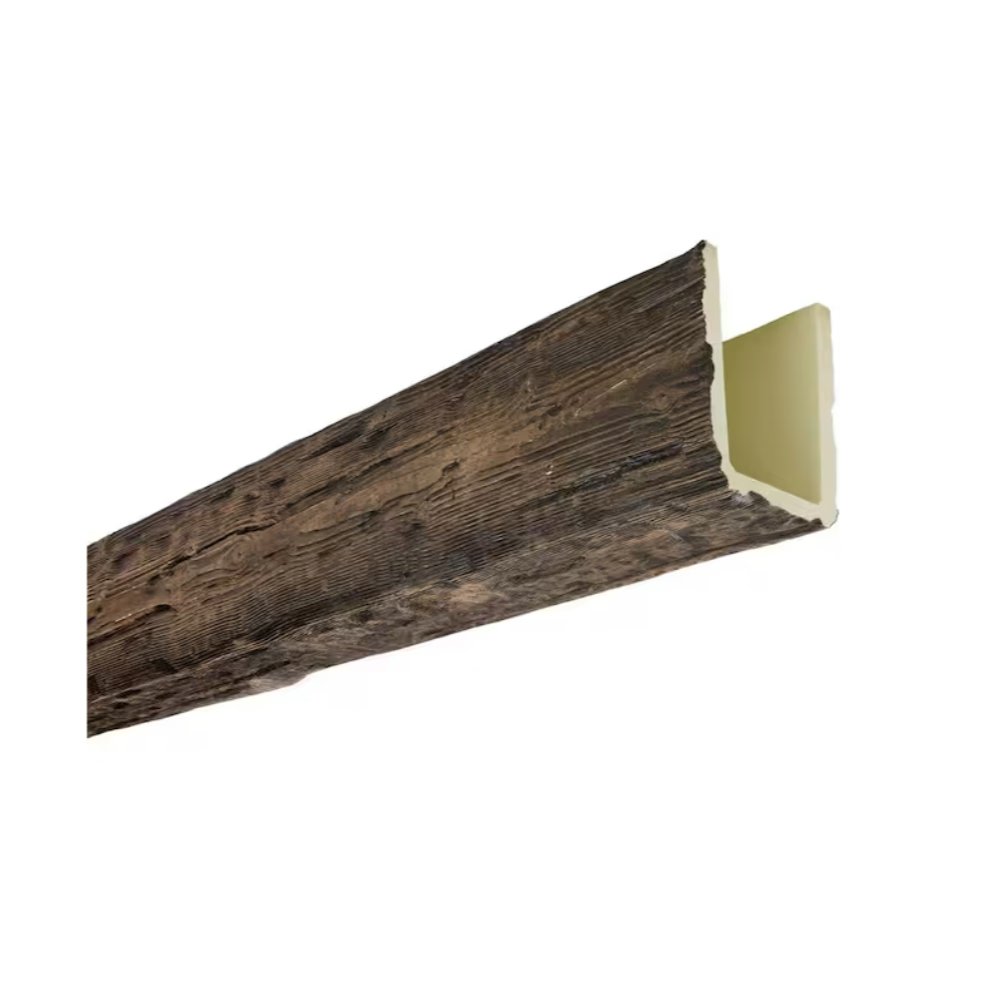
There exists a particular quality of light and shadow that makes certain rooms feel like a warm embrace the moment you step inside. This elusive coziness doesn't happen by accident but emerges from thoughtful design choices working in harmony. Among the most effective elements for achieving this atmosphere are warm aesthetic faux ceiling beams, architectural details that fundamentally alter how a space feels to inhabit. These versatile installations have the power to transform stark, modern rooms into intimate havens that invite lingering and relaxation.
The psychology behind warm-toned ceiling treatments reveals why beams succeed where paint and wallpaper sometimes fail. Humans have an innate connection to natural materials, particularly wood, which our ancestors relied upon for shelter, warmth, and survival. When wood-look elements appear in interior spaces, they trigger subtle emotional responses that promote feelings of security and comfort. Faux ceiling beams tap into this response without requiring the environmental impact or structural commitments of authentic timber, making sustainable comfort accessible to more homeowners.
Modern manufacturing techniques have elevated faux beams from obvious imitations to remarkably convincing alternatives. High-density polyurethane接受 specialized finishing processes that replicate the grain patterns, color variations, and surface textures of real wood species ranging from golden pine to deep walnut. Even upon close inspection, distinguishing quality faux beams from genuine timber requires knowing exactly what to look for, and many homeowners' guests assume the beams are authentic hardwood installations.
Crafting Cozy Atmospheres Through Strategic Beam Placement
The placement of ceiling beams dramatically influences the perceived size and character of a room. In smaller spaces, beams arranged in a simple grid pattern create visual boundaries that make the ceiling feel higher and the room more defined. This psychological effect occurs because the beams create reference points that help occupants understand the room's dimensions more clearly. Without these markers, empty ceilings can make spaces feel cavernous and undefined, which undermines comfort rather than enhancing it.
Larger rooms benefit from beam arrangements that create distinct zones within the open floor plan. A arrangement of beams over a conversation area separates that space from adjacent dining or work zones without requiring walls or screens. This flexible zoning allows families to maintain open sightlines while still experiencing the psychological benefits of defined areas. The beams serve as invisible boundaries that guide behavior and expectation without restricting movement or natural light flow.
Directional beam placement also influences how natural light moves through a space. Beams running perpendicular to windows create interesting shadow patterns as sunlight tracks across the ceiling throughout the day. These moving shadows add dynamic visual interest that prevents rooms from feeling static, even when furniture and decor remain unchanged. The interplay between architecture and natural light transforms the room hourly, ensuring sustained visual engagement.
Color Temperature and Material Selection for Maximum Warmth
Achieving the warmest possible aesthetic requires attention to color temperature beyond simple hue selection. Warm browns with red or orange undertones create more inviting spaces than cooler browns with gray undertones, even when the visible difference seems minimal. This phenomenon occurs because warm undertones echo the color temperature of candlelight and firelight, the illumination sources humans have associated with comfort and gathering throughout history.
Texture plays an equally important role in warmth perception. Beams with pronounced grain patterns and hand-hewn surface details catch light in ways that smooth surfaces cannot replicate. The subtle shadows created by textured surfaces add depth and dimension that flat painted beams would lack entirely. When selecting beams, prioritizing tactile authenticity ensures the finished installation achieves its full atmospheric potential.
Pairing beams with complementary materials amplifies their warming effect throughout the room. Soft textiles like wool blankets, linen curtains, and plush area rugs absorb sound and soften edges, creating environments that feel sheltered and protected. Leather furniture, ceramic accessories, and live plants add organic touches that harmonize with the wood-look beams. Together, these elements create sensory experiences that engage more than just vision, resulting in spaces that feel genuinely cozy rather than merely appearing warm.
The practical benefits of faux beams extend the cozy atmosphere by reducing maintenance demands. Unlike authentic timber that requires periodic sealing, staining, or pest treatment, polyurethane beams maintain their appearance with nothing more than occasional dusting. This durability ensures that the initial investment continues delivering aesthetic returns throughout the years without imposing ongoing care requirements that might detract from the relaxing atmosphere the room was designed to provide.
Technical References
ASTM standards cited in every specification
Test Data
Lab results from internal testing program
Updated 2026
Reviewed against current product specs